

Sport as a Shield Against Female Genital Mutilation in Uganda
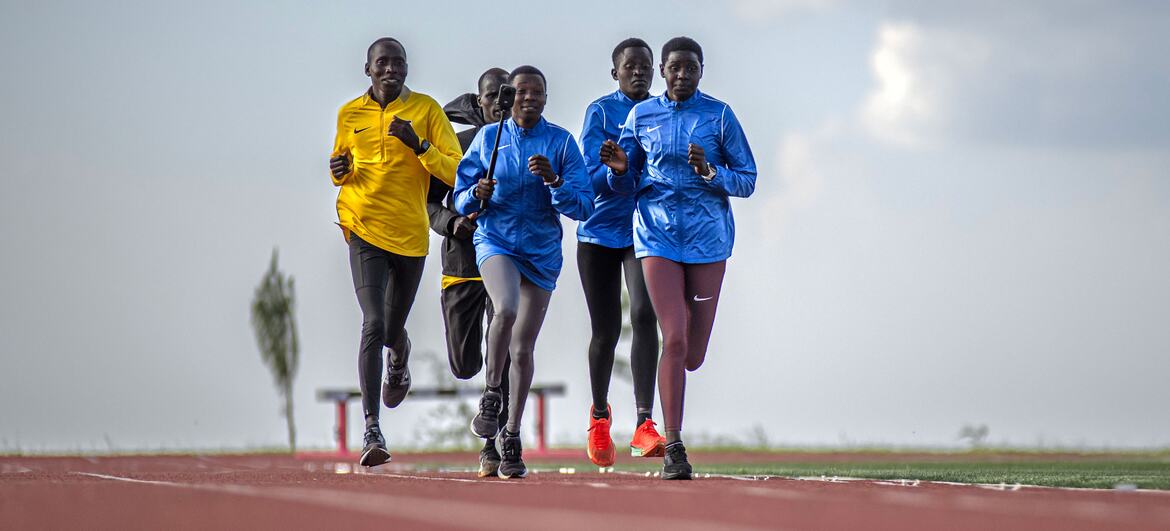
© UNFPA/Stuart Tibaweswa Female genital mutilation is a serious human rights violation and a public health concern in parts of Uganda, particularly rural and remote regions
In eastern Uganda’s Sebei communities, female genital mutilation (FGM) remains a serious human rights violation, bound up with gender norms that also heighten the risk of child marriage and early school departure. On running tracks funded through a partnership between the Joshua Cheptegei Development Foundation, UNFPA and UNICEF, coach Zuena Cheptoek is trying to change that.
Each year a Christmas run draws boys and girls from across the subregion, from which 12 girls are selected for educational sponsorships enabling junior-school enrolment. Most come from communities where FGM is still practised. The programme provides age-appropriate guidance on sexual and reproductive health, personal safety and psychosocial support.
The killing of Ugandan long-distance runner Rebecca Cheptegei in 2024, who died after being attacked by a former partner following a land dispute, added urgency to discussions about safety. “Female athletes are becoming more independent financially and socially, and that can trigger violence in a society that still believes a woman should stay in the kitchen,” Ms Cheptoek said. Through the programme, hundreds of young people, parents and community leaders are being reached with messages on ending FGM and advancing gender equality.
Sport, in this corner of Uganda, is not merely recreation. It is a negotiation with tradition, a slow-moving argument conducted in running shoes about what girls are permitted to become. The athletics track serves as a space where the usual rules are, for a time, suspended: girls compete, win, travel and attract the attention of sponsors. In doing so they accumulate a kind of social capital that makes them harder to marry off early or subject to the knife. Coaches such as Ms Cheptoek occupy an unusual position, functioning simultaneously as trainers, counsellors and quiet advocates, often the first adult outside the family whom a girl trusts enough to confide in.
The model is modest in scale but deliberate in design. By pairing athletic selection with educational funding, the programme creates an incentive structure that rewards families for keeping daughters in school and out of initiation ceremonies. Community leaders and parents are drawn into workshops not as targets of condemnation but as participants in a conversation. The approach reflects a broader lesson that campaigners against FGM have learned painfully over decades: that external denunciation rarely dislodges a practice rooted in identity and belonging, whereas sustained local engagement, conducted with patience and respect, sometimes does.
The death of Rebecca Cheptegei cast a long shadow. She had represented Uganda at the Paris Olympics, earned prize money on the international circuit and, in the eyes of many in Sebei, embodied what athletic achievement could mean for a woman from the region. That such a woman could be murdered by a partner unsettled the easy narrative of sport as straightforward liberation. It also confirmed what Ms Cheptoek and her colleagues already suspected: that visibility and financial independence, however welcome, can expose women to new dangers in societies where male authority is felt to be under threat. The programme’s psychosocial component exists partly in recognition of this tension.
Progress, where it exists, is uneven. FGM remains legal in Uganda, and enforcement of laws against child marriage is patchy. The Christmas run reaches only a fraction of the girls in Sebei, and educational sponsorships, however transformative for their recipients, cannot substitute for systemic change. Yet the track endures, and each year a new cohort of girls lines up at the start. For them, the race is about rather more than finishing first.
Sources: UNFPA; UNICEF; Joshua Cheptegei Development Foundation
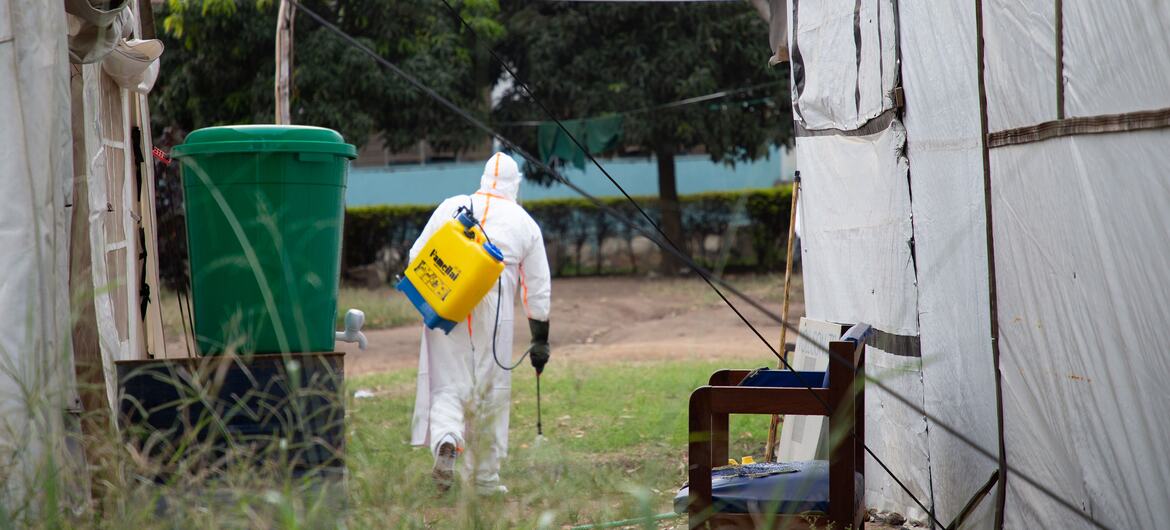
Global Ebola Cases Top 1,000 As UN Races to Reach DR Congo’s Most Vulnerable
UNICEF’s Executive Director, Catherine Russell, identified the structural reasons for children’s vulnerability. “Children are especially vulnerable because they depend on...
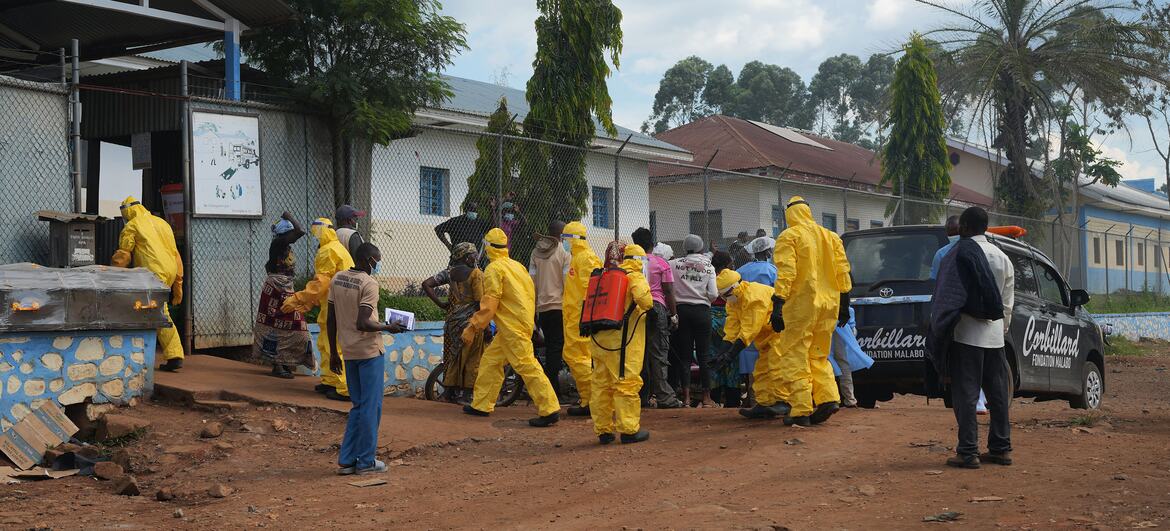
Ebola in DR Congo: One Month On, Scaled-Up Response Remains Insufficient
When a suspected case is reported in a community, an investigation team is immediately dispatched. If the alert is confirmed, the patient is referred to a transit centre to await laboratory...
- Most Viewed
- Most Popular


Our Network
Our Channels

© 2026 Al Jazeera Media Network. All rights reserved.