
Ten Years On, Attacks on Health in Conflict Are Getting Worse
Archive/Al Jazeera.
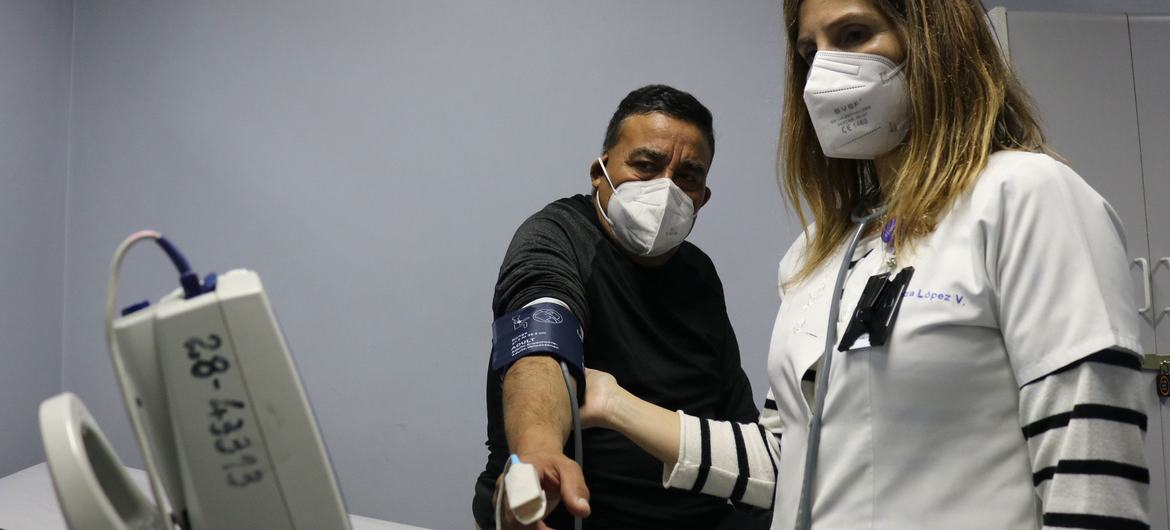
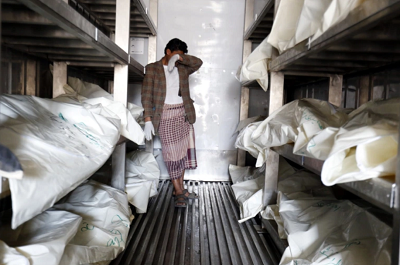
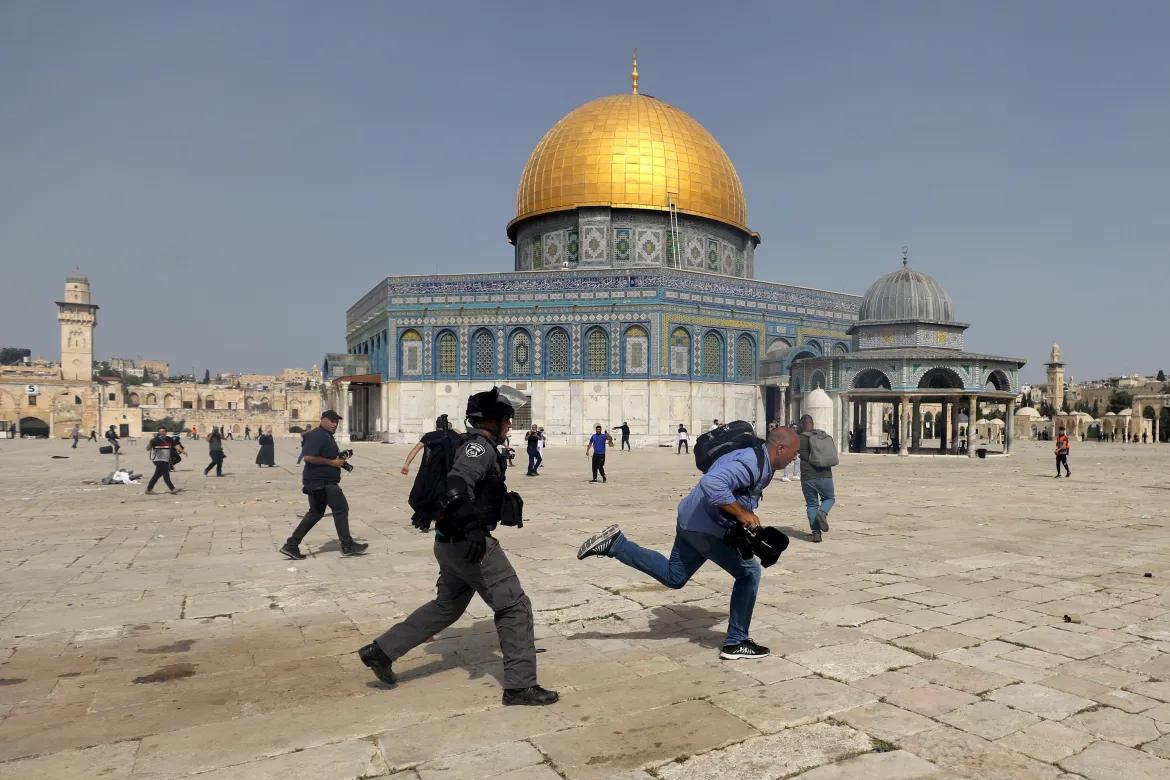
When the United Nations Security Council unanimously adopted Resolution 2286 in May 2016, it set out a clear obligation for states to prevent and address attacks on health care in armed conflict. A decade later, those attacks are more frequent, not less, and world leaders show little discomfort flouting the norms they once endorsed.
The Safeguarding Health in Conflict Coalition, an international group that includes Human Rights Watch, documented 2,546 reported incidents of attacks on health in 33 countries in 2025. Of these, 936 involved the killing, kidnapping or arrest of health workers or aid staff, while 790 affected healthcare infrastructure. The majority of attacks were carried out by state forces. UN Secretary-General António Guterres, in a report released on May 7th, reached similar conclusions, finding that the increase in violence against healthcare since 2016 has been driven by state actors.
The pattern is global. In Syria, the systematic targeting of health facilities by the Assad government and Russian forces became a defining feature of a nearly 14-year war, leaving a healthcare system in ruins. In Myanmar, the military junta has decimated health provision since the 2021 coup; those years of attacks made the emergency response to the March 2025 earthquake still harder. In Gaza, repeated attacks on medical facilities and personnel have produced what observers describe as the complete collapse of the healthcare system. In Sudan, both the Sudanese Armed Forces and the Rapid Support Forces have struck hospitals and blocked aid; a March 2026 attack on a teaching hospital in East Darfur killed at least 64 people. In Ukraine, Russian forces have affected more than 2,665 health facilities and personnel and have also restricted access to health care to coerce residents into accepting Russian documentation. The United States, Israel and Iran have all struck civilian infrastructure critical to health, including electricity plants, desalination facilities, and bridges.
Under international law, hospitals and medical personnel hold special protected status, forfeited only if they are used to commit acts harmful to the opposing party. The right to health also endures in wartime: states must meet core minimum obligations, including non-discriminatory access to health facilities and essential medicines, safe water, and sanitation.
Human Rights Watch is calling on all governments to improve data collection on attacks on health, integrate respect for international law into military doctrine and training, expand domestic law to incorporate relevant international obligations, and restrict arms exports to known violators.
Sources: Human Rights Watch, May 2026; Safeguarding Health in Conflict Coalition, 2026 Report; UN Secretary-General Report on Resolution 2286, May 7th, 2026
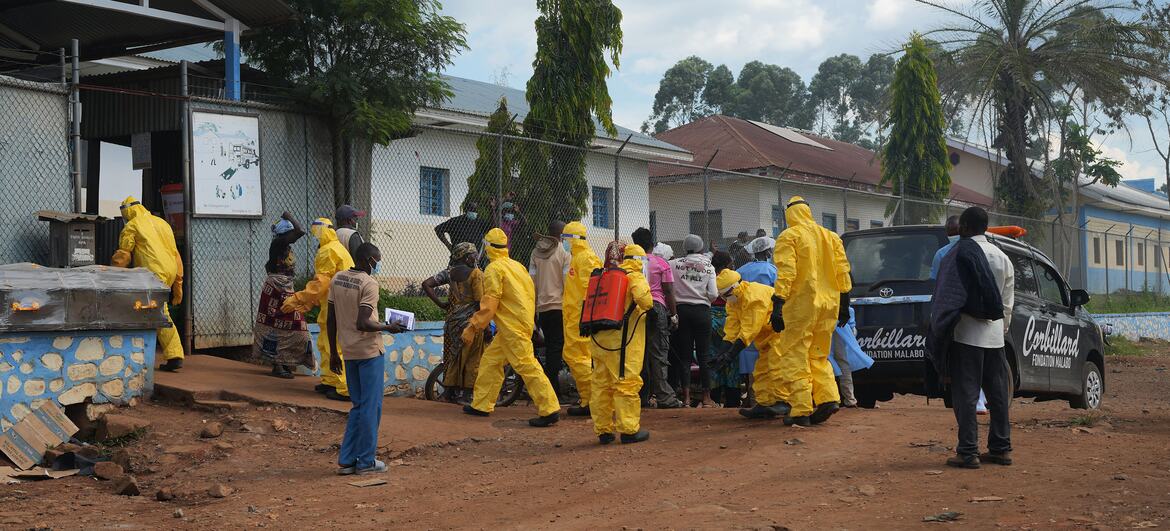
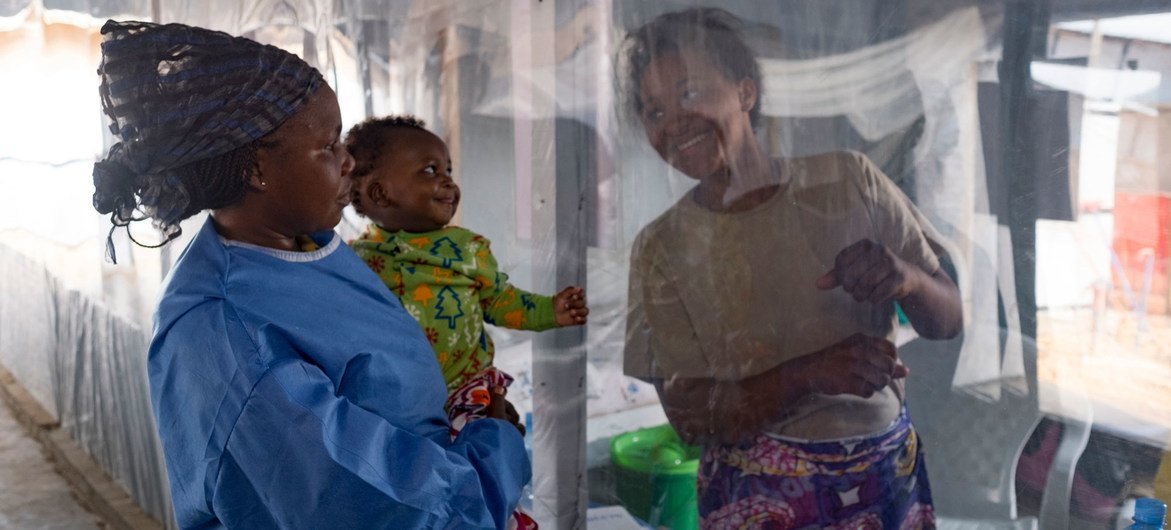
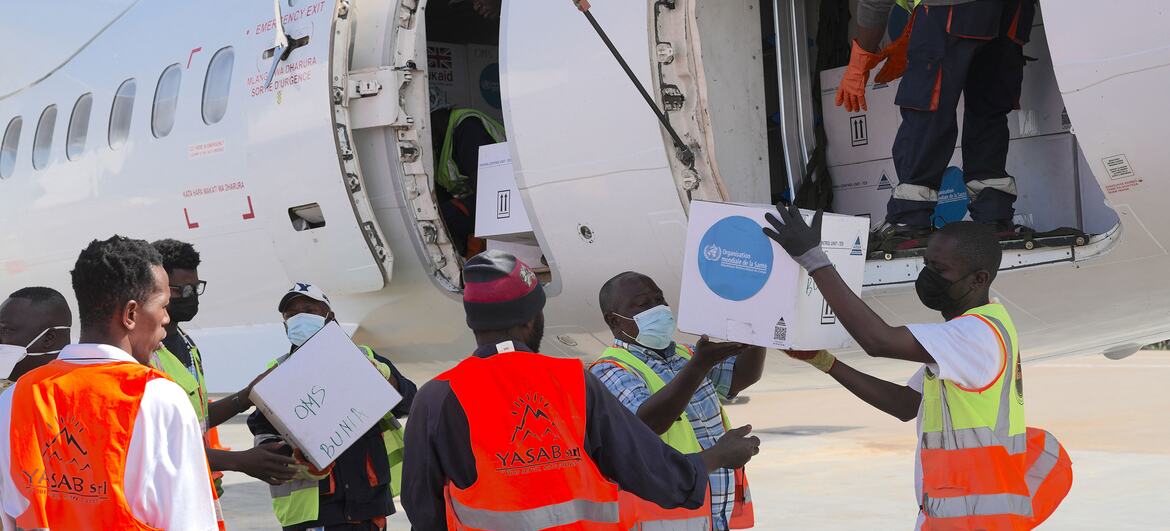
Ebola in DR Congo: One Month On, Scaled-Up Response Remains Insufficient
When a suspected case is reported in a community, an investigation team is immediately dispatched. If the alert is confirmed, the patient is referred to a transit centre to await laboratory...
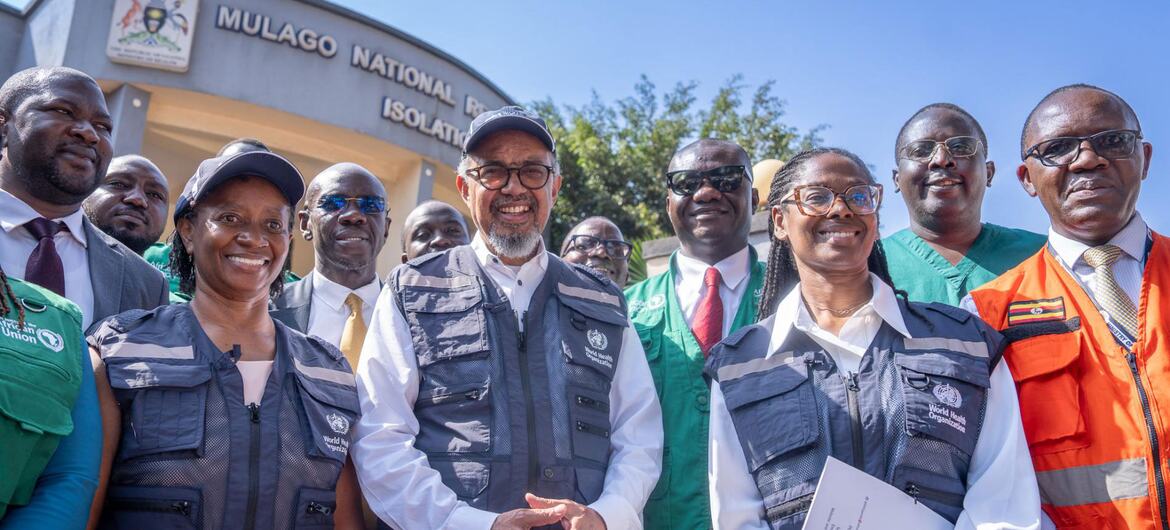
Uganda Contains Ebola, but Cross-border Risks Remain
The World Health Organisation’s director-general, Tedros Adhanom Ghebreyesus, visited Uganda as part of a regional assessment mission and described the country’s response as robust....
- Most Viewed
- Most Popular



Our Network
Our Channels

© 2026 Al Jazeera Media Network. All rights reserved.