

Faith, Fear and Ebola in Eastern Congo
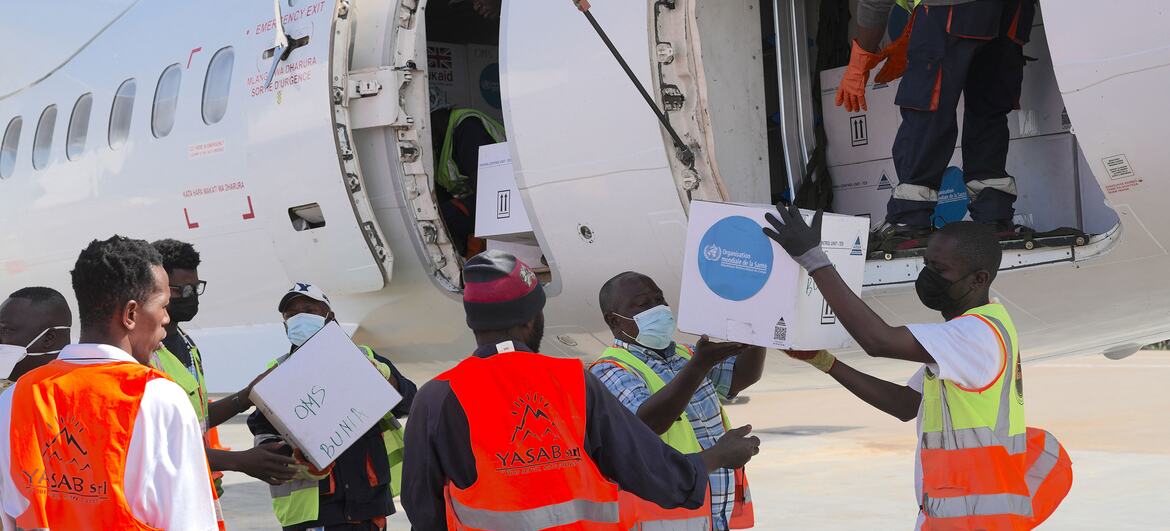
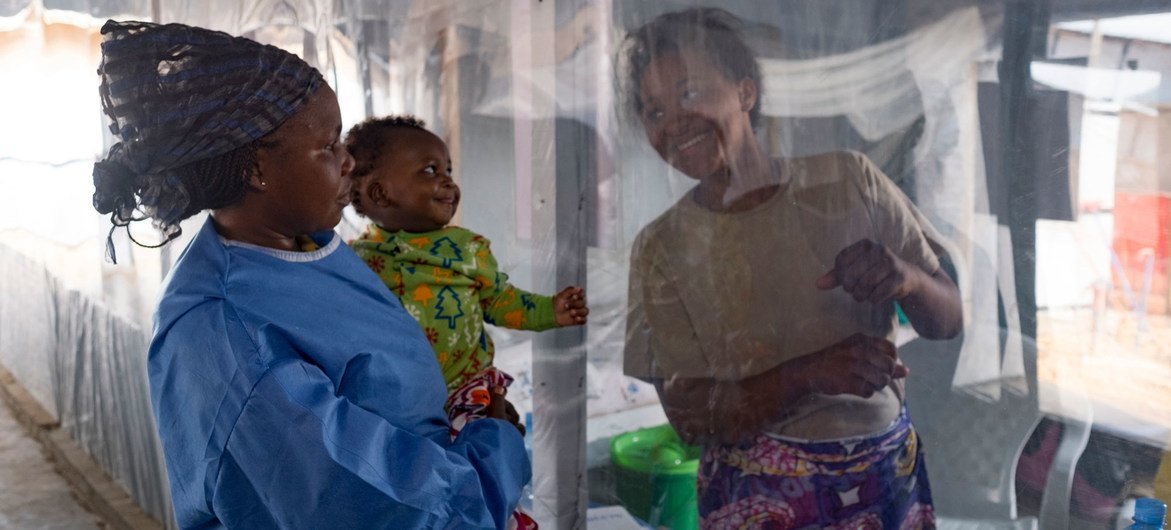
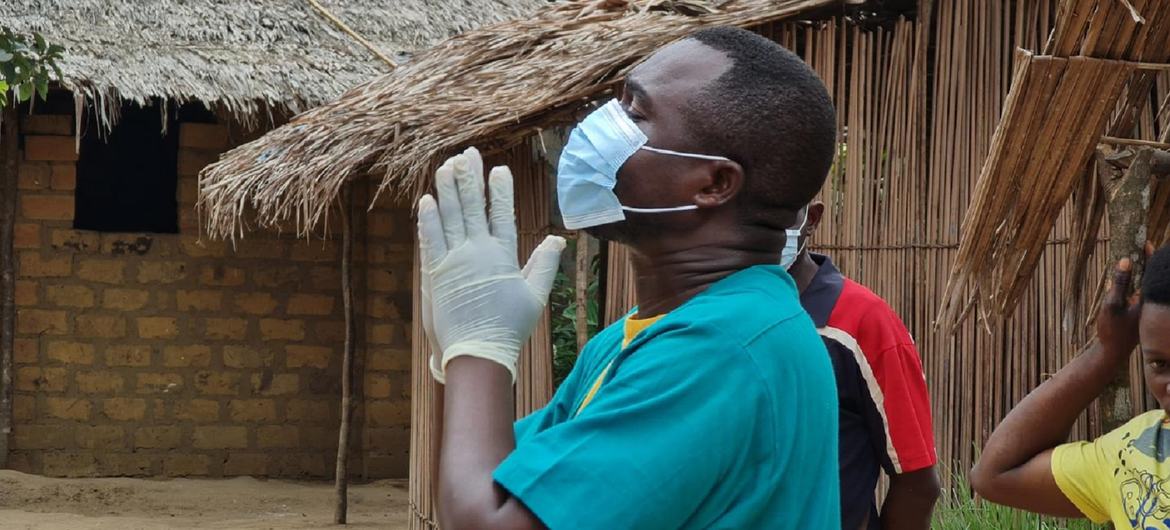
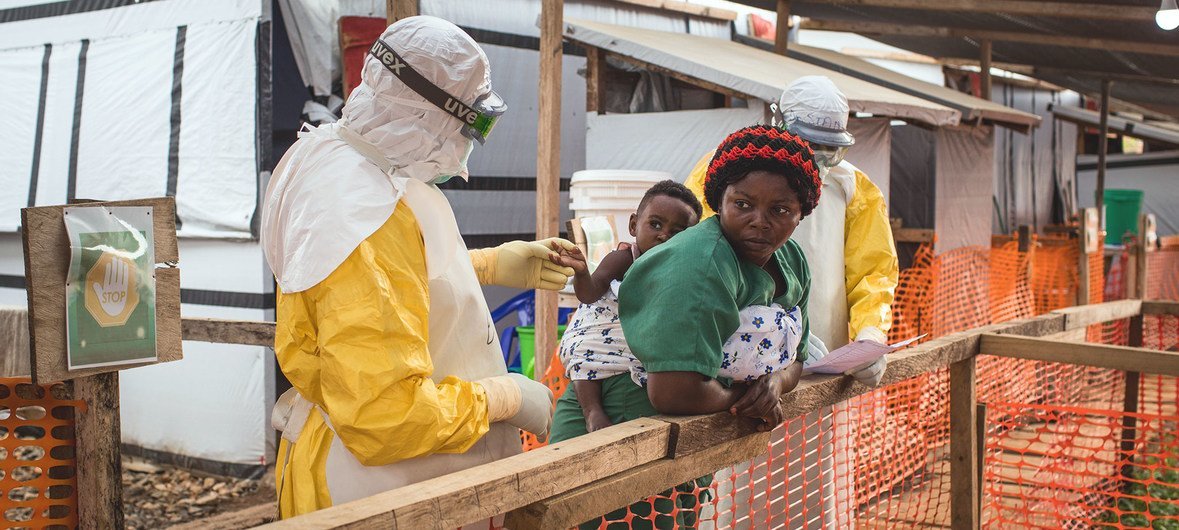
© WHO/Joël Lumbala Health teams in personal protective equipment (PPE) respond to the Ebola outbreak in eastern DR Congo.
In a village in eastern Democratic Republic of the Congo, health workers arrived recently to conduct a safe burial of someone who had died from Ebola. They were threatened with armed reprisals if they stayed. The family carried out the burial themselves, potentially exposing dozens more to the virus.
The incident captures one of the central difficulties facing efforts to contain the latest outbreak, which has infected 381 people and claimed 64 lives as of June 3rd. For Marie Roseline Belizaire, the World Health Organisation’s Emergency Preparedness and Response Director for Africa, the hardest challenge is not always the virus itself. It can be sitting with families who believe the disease is caused by witchcraft, persuading traditional healers to work alongside health teams, or returning to communities that threatened those same teams only days before. Her aim, she explains, is not to overcome local culture but to involve science within it.
The outbreak is caused by the rare Bundibugyo strain, for which no vaccine or approved treatment exists. It continues to spread in eastern DRC, and cases have also been reported across the border in Uganda, which has recorded 15 confirmed cases and one probable case linked to the outbreak. One Congolese national travelled through the UAE before arriving in Uganda, a reminder of how quickly infectious diseases can cross borders.
Progress has been made in recent weeks. Testing capacity has expanded from roughly 40 to 800 daily tests, allowing results to be returned within 24 to 48 hours. Contact tracing has improved from around 25 per cent to 45 per cent coverage, though this remains well short of the 90 to 95 per cent needed to contain transmission effectively. Community alerts are now investigated more rapidly and suspected cases cleared from the system more quickly than at the outbreak’s start.
Building trust remains one of the most complex tasks. Many communities in affected areas have experienced years of conflict. Ebola symptoms resemble those of malaria, and some families attribute deaths to witchcraft or poisoning. Health workers therefore focus on coexistence rather than confrontation. They do not try to stop people from visiting traditional healers; instead, they ask those healers to refer patients showing relevant symptoms for testing. The approach draws on lessons from previous Ebola outbreaks, in which mistrust often proved as dangerous as the virus. WHO Director-General Tedros Adhanom Ghebreyesus, who recently visited the outbreak’s epicentre, has warned that misinformation spreads almost as fast as the virus itself.
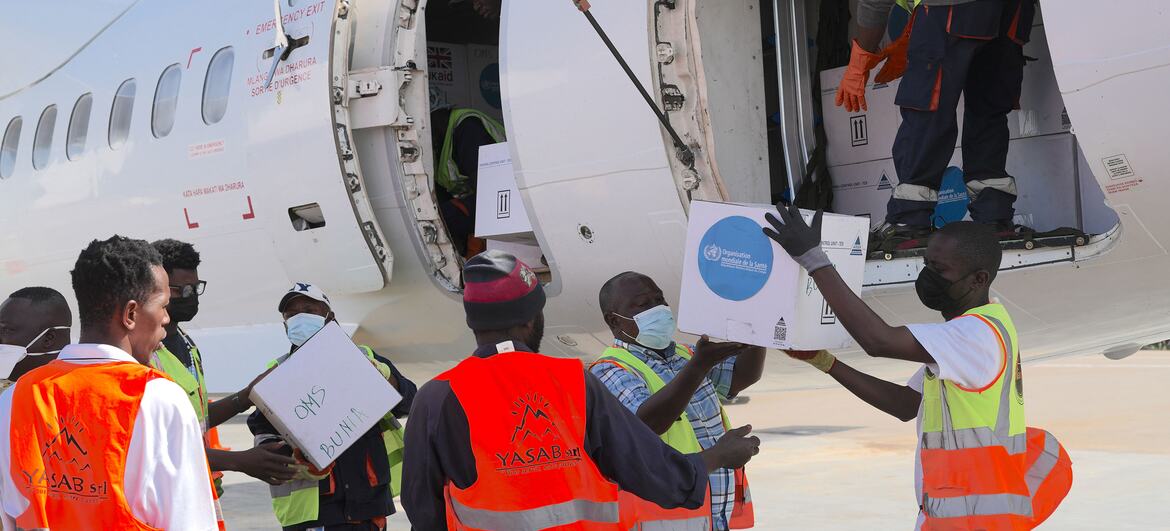
There are reasons for cautious optimism. Seven people have recovered, including six healthcare workers, most of whom sought treatment early and received intensive supportive care. On June 6th, WHO and the Africa Centres for Disease Control and Prevention launched a joint six-month continental response plan, seeking to mobilise $518m under a unified approach bringing together governments, UN agencies, humanitarian partners, and communities.
Among the encounters that have stayed most with Dr Belizaire is that of a healthcare worker who contracted Ebola while treating a patient, recovered, and then said she would not stop working. She was, she told Dr Belizaire, born to care for others. It is, perhaps, the most eloquent summary of the challenge: a disease that spreads through the very act of human care, confronted by people who refuse to stop caring.
Sources: WHO; Marie Roseline Belizaire, speaking from Bunia, Ituri province; Vibhu Mishra and Cristina Silveiro, UN News, June 5th, 2026
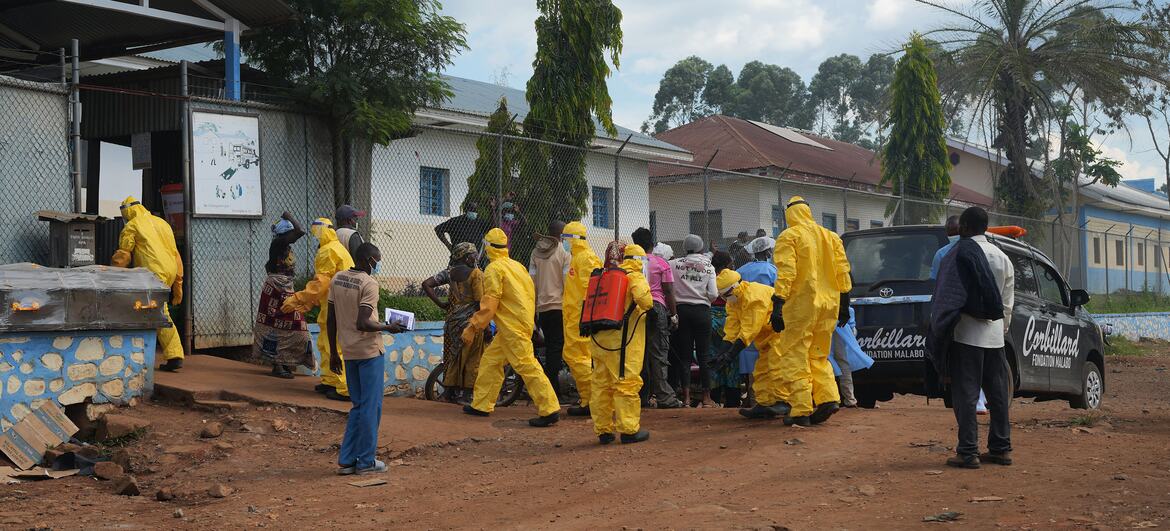
Ebola in DR Congo: One Month On, Scaled-Up Response Remains Insufficient
When a suspected case is reported in a community, an investigation team is immediately dispatched. If the alert is confirmed, the patient is referred to a transit centre to await laboratory...
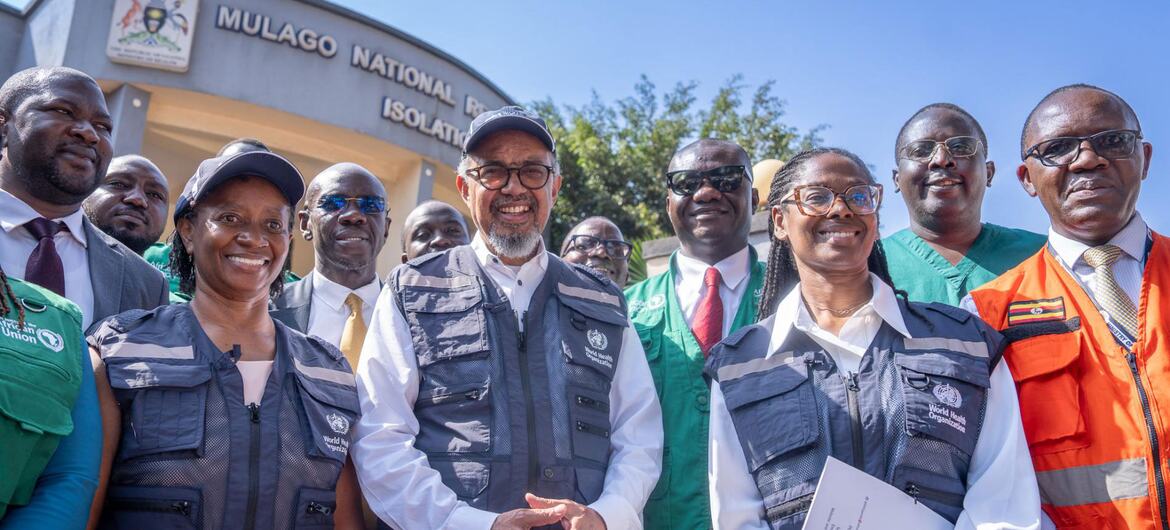
Uganda Contains Ebola, but Cross-border Risks Remain
The World Health Organisation’s director-general, Tedros Adhanom Ghebreyesus, visited Uganda as part of a regional assessment mission and described the country’s response as robust....
- Most Viewed
- Most Popular


Our Network
Our Channels

© 2026 Al Jazeera Media Network. All rights reserved.