

Cuba’s Health System Under Blackout: The Human Toll Is Already Visible
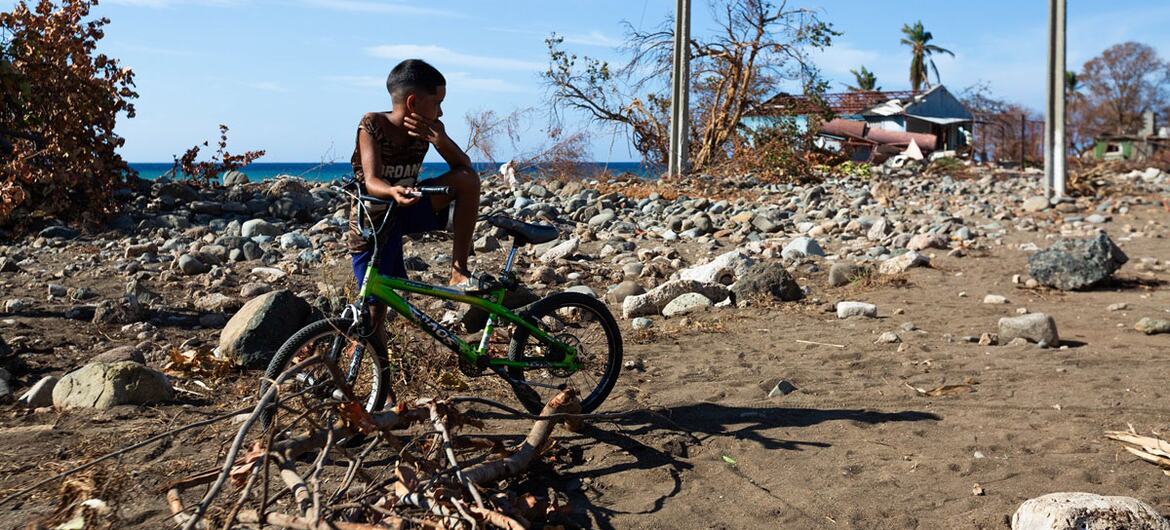
© UNICEF/Claudio Pelaez Hurricane Melissa struck Cuba in late October 2025, causing massive devastation across the island nation.
In the wards of Cuba’s famously resilient healthcare system, a new enemy has arrived: darkness. Months of severe power cuts and dwindling fuel supplies have forced hospitals to suspend operations, delay tens of thousands of procedures and threaten vital services from neonatal intensive care to cancer treatment. The United Nations and the World Health Organization, which have been monitoring developments closely, warn that the crisis risks unpicking years of medical progress and imperils the most vulnerable.
Blackouts of up to 20 hours a day, officials say, have become commonplace. Operating theatres without reliable electricity are theatres no more; elective and many urgent surgeries have been postponed. Diagnostic equipment, scanners, lab analysers and ventilators, has been intermittently rendered useless. Blood banks report logistical snags that imperil transfusion schedules. Immunisation campaigns, already stretched by the pandemic years, are being disrupted. The immediate consequence is the deferral of care for chronic patients, pregnant women and newborns, whose outcomes worsen with delay.
The proximate cause is an acute energy crunch. Cuba has long depended on subsidised oil from abroad; the cessation of Venezuelan deliveries last year and subsequent shortfalls have squeezed a system still recovering from Hurricane Melissa’s damage. Supply chains for fuel have been volatile, and occasional shipments have proved insufficiently regular to stabilise hospitals’ backup generators. The United Nations’ humanitarian office (OCHA) and the WHO describe a volatile picture: intermittent aid, ad hoc fuel trucking and an urgent need for sustainable alternatives.
Humanitarian planners have moved beyond emergency buckets and flashlights. An updated UN Action Plan seeks to assist roughly two million people across eight provinces and calls for both immediate relief and medium-term resilience measures. That includes proposals to install solar systems—roof-mounted photovoltaic arrays and battery storage, at hospitals and for irrigation, to lessen future reliance on imported fuel. The plan, while modest in ambition, asks for an additional $68m to shore up health and water services, supply cold-chain equipment for vaccines and support emergency medical teams.
Even where aid arrives, the underlying economic and political pressures complicate recovery. Cuba’s public finances have been strained by years of low investment, sanctions that hinder trade in essentials and the cost of rebuilding after successive storms. Power-sector rehabilitation requires hard currency and technical inputs that are slow to mobilise. Meanwhile, regional geopolitics have an outsized local effect: changes in diplomatic relations and oil diplomacy have ripple effects on Havana’s ability to secure consistent, long-term energy agreements.
The human toll is already visible. Parents of premature infants describe nights spent coaxing battery-powered heating pads into action; oncologists speak of interrupted chemotherapy cycles and the anxiety of patients whose scans have been delayed for weeks. Health workers, accustomed to doing more with less, are stretched and demoralised. The risk is not merely of higher short-term mortality but of eroded trust in public services and long-term setbacks in public-health gains such as immunisation coverage and chronic-disease management.
The UN’s messaging, blunt for diplomatic norms, warns of a possible humanitarian “collapse” unless the flow of assistance and energy solutions is accelerated. That is a deliberately dramatic phrasing, meant to spur action; collapse is not inevitable. Practical measures, however, are urgent. Short-term relief, fuel deliveries, portable generators and emergency medical teams, can arrest the immediate descent. Simultaneously, rapid deployment of distributed renewable energy systems, together with investments in grid repair and efficient hospital infrastructure, can provide more durable security. Solar-plus-storage projects are not a panacea, requires funding, spare parts, and technical training, but they are one of the few options that reduce exposure to fickle international fuel markets.
Donors and policymakers face political and logistical quandaries. Sending fuel and medical supplies is straightforward; financing long-term energy transitions is harder, both politically and administratively. Some potential donors will hesitate because of Cuba’s governance record or the sanctions that complicate financial transfers. Yet from a humanitarian perspective, the calculus is straightforward: stabilise power to stabilise health services. Failure to do so risks higher health costs later and a broader socioeconomic fallout, rising food prices, interrupted water services, and slower economic recovery after storms.
Cuba’s predicament is a microcosm of a wider lesson: health systems are only as resilient as the energy and supply chains that sustain them. For small island states and other countries reliant on external fuel sources, the confluence of geopolitics, climate shocks and fiscal constraints creates a brittle system, vulnerable to sudden failure. What happens in Cuban hospitals over the coming months will be a test of international humanitarian resolve and an argument for investing now in decentralised, climate-resilient infrastructure.
For patients and clinicians in Havana, the urgency is immediate and painfully concrete. For distant donors and capitals, the choice is between short-lived fixes and strategically financed resilience. The longer the lights stay off, the higher the cos, in lives, trust and public health, that Cuba will have to pay.

Sweden’s Deportation Decisions Ignore Women’s Rights Risks
Sweden has been deporting a growing number of young adults who spent years on temporary residence permits tied to a family member but lost their right to remain when delays and policy changes...

Japan Should Not Ignore India’s Authoritarian Turn
Japan should not repeat the mistakes of its China policy. After the Tiananmen massacre of 1989, Japan led the way in re engaging a shunned Chinese government. The West, too, bet on engagement...


Our Network
Our Channels

© 2026 Al Jazeera Media Network. All rights reserved.