

Three Years into a War That Has Shattered a Nation, the World Convenes in Berlin with Fine Words and Empty Coffers
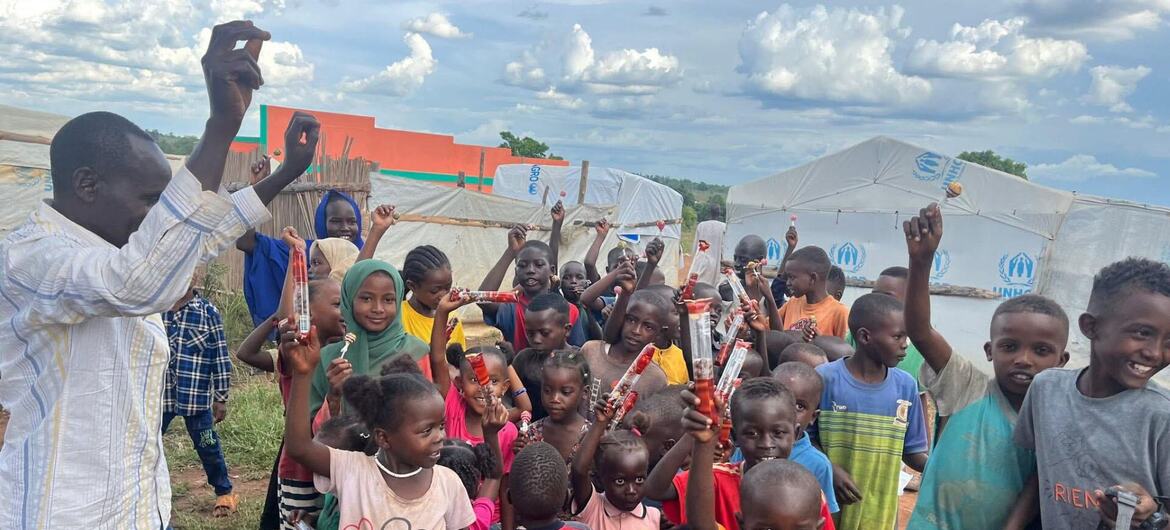
© MDPD Sudanese refugee children in Uganda hold gifts they received on the occasion of Eid al-Fitr.
On the morning of April 15, 2026, exactly three years after the first shells fell on Khartoum, diplomats from more than 120 delegations filed into Germany’s Foreign Ministry for the third international conference on Sudan. Outside, spring light fell on the Spree. Inside, the numbers told a story of civilisational failure. Of the 2.8 billion dollars required to keep Sudan’s humanitarian response alive this year, just 16 percent has been raised. In 2024, donors met 71 percent of needs. In 2025, 40 percent. The trajectory is not ambiguous.
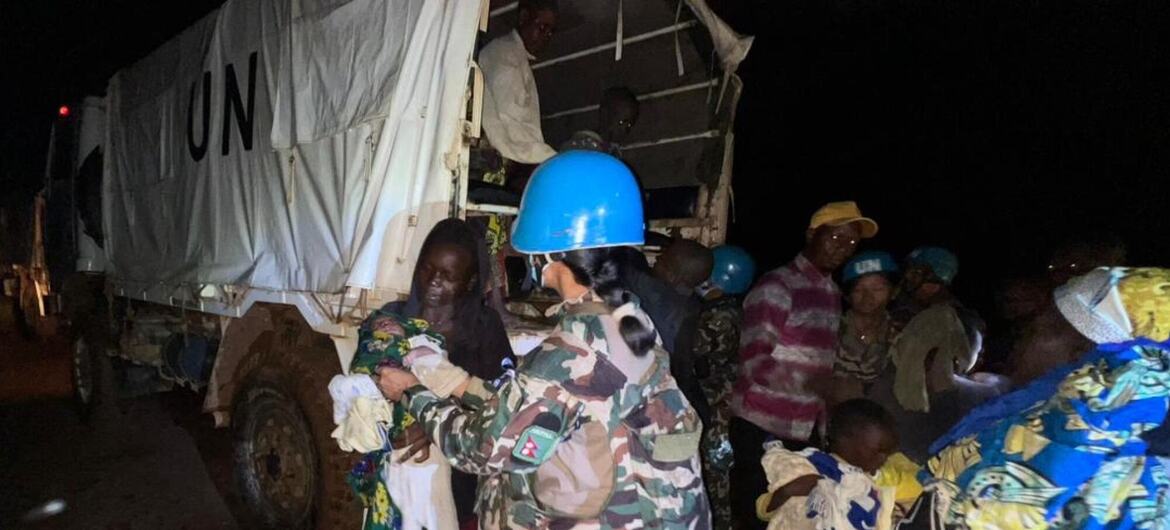
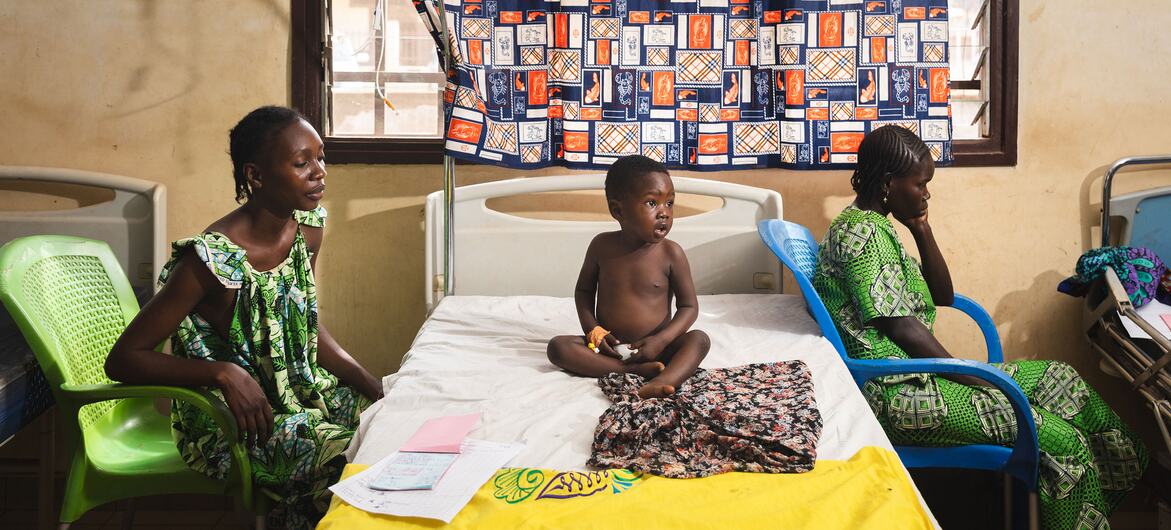
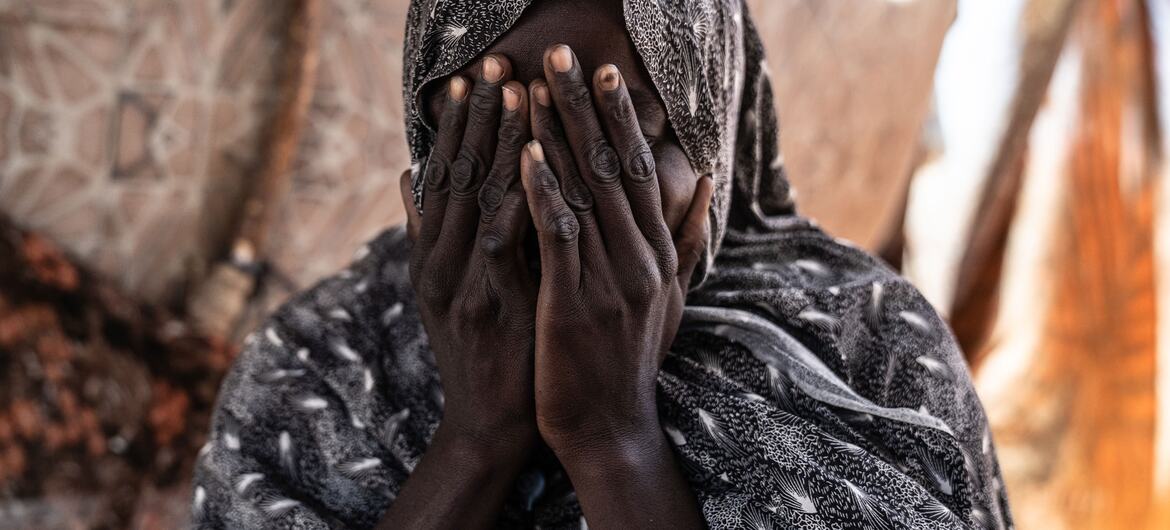
“This grim and chastening anniversary marks another year when the world has failed to meet the test of Sudan,” said Tom Fletcher, the UN’s Emergency Relief Coordinator, speaking from Berlin. He did not mince his words, and he had little reason to. Nearly 34 million people, representing 65 percent of Sudan’s entire population, now require urgent humanitarian support. Fourteen million have been displaced. Four million have crossed into neighbouring countries, pushing Chad, Egypt and South Sudan to what the UN refugee agency describes as “breaking point.”
The war, which erupted on April 15, 2023, pits the Sudanese Armed Forces against the paramilitary Rapid Support Forces, former allies turned mortal enemies whose appetite for territory has consumed the lives of hundreds of thousands of civilians. Neither side can win. Neither side will stop. “From the moment the first shot was fired,” wrote Abdalla Hamdok, Sudan’s former prime minister, in a piece published this week, “it was apparent neither the RSF nor the SAF could win this war. The idea of a total military victory is a fallacy, propagated by those who profit from prolonging it.”
Hamdok, writing in The Guardian, offered the conference in Berlin something it badly needed: a coherent argument for hope. He pointed to a roadmap tabled last September by the United States, the UAE, Saudi Arabia and Egypt — the so-called Quad — as the first credible framework to have emerged from the wreckage of three years of failed diplomacy. Its logic is straightforward: a simultaneous ceasefire, humanitarian access and a civilian-led political process, not pursued in stages but all at once, since a truce without a political horizon has already proven, repeatedly, to be worthless. “Multiple times over the past three years,” he wrote, “both parties have shaken on a ceasefire with one hand and continued to spill Sudanese blood with the other.”
The conference itself was designed precisely to prevent Sudan from disappearing beneath the weight of other catastrophes. The war in Iran, now in its seventh week, has already pushed the crisis further from the front pages of newspapers that once paid it fitful attention. German officials made the point explicitly: the meeting was intended to ensure Sudan did not become invisible. It very nearly has.
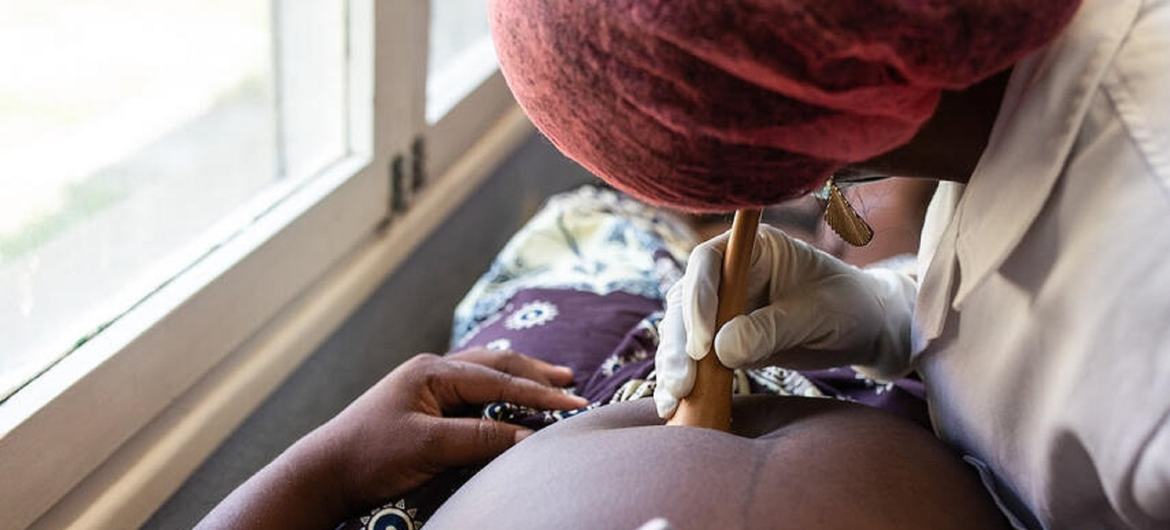
Restoring Dignity: A Senegalese Surgeon and A Burundian Foundation Honoured for Reproductive Health Work
Speaking to UN News, Professor Gueye argued that prevention, not just treatment, must be the priority, calling for stronger health systems and universal access to emergency obstetric care,...

Germany’s Government Is Curbing Its Freedom of Information Act
“The German government seems to perceive transparency and freedom of information as threats and an administrative burden instead of essential safeguards in a democracy,” said Almaz...


- Most Viewed
- Most Popular



Our Network
Our Channels

© 2026 Al Jazeera Media Network. All rights reserved.