


The Court Has Spoken, and the Assembly Has Answered
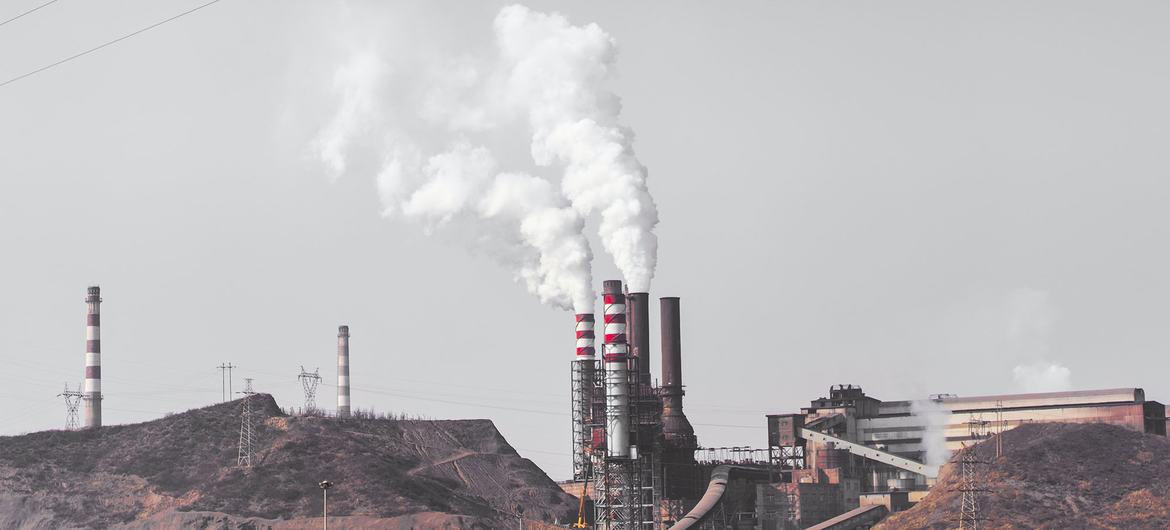
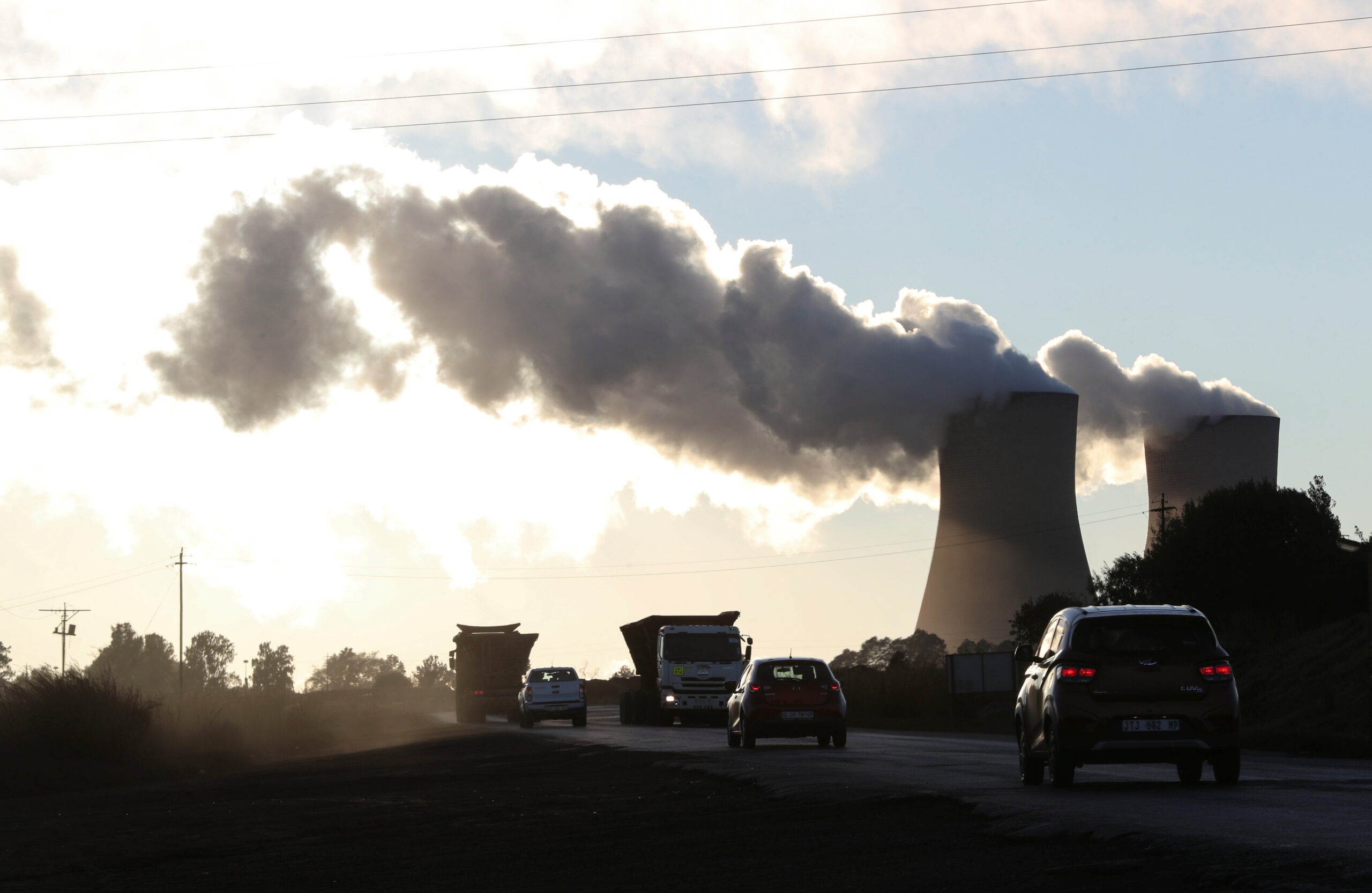
© Unsplash/Juniper Photon Fossil fuels emit air pollutants that are harmful to both the environment and public health.
For decades, the argument that addressing climate change was a matter of political discretion rather than legal obligation gave governments considerable room to manoeuvre. That room has now narrowed considerably.
On Wednesday, the United Nations General Assembly adopted a resolution affirming the International Court of Justice’s landmark July 2025 advisory opinion, which found that states bear a binding obligation to protect the environment from greenhouse gas emissions. The vote was 141 in favour, eight against and 28 abstentions. Those opposing it were Belarus, Iran, Israel, Liberia, Russia, Saudi Arabia, the United States and Yemen.
The resolution, drafted by Vanuatu and several co-sponsoring nations, is not itself a legally binding instrument. But its significance should not be measured solely in those terms. Advisory opinions from the ICJ carry considerable legal and moral weight, helping to define the contours of international law even in the absence of enforcement mechanisms. When the General Assembly chooses to formally endorse such an opinion, it sends a signal that is difficult for governments to ignore in courts, arbitration panels, and treaty negotiations.
The ICJ’s ruling last year went further than many observers had anticipated. The court found not only that states must avoid causing significant environmental harm, but that breaches of this obligation carry legal consequences. Offending states may be required to cease the wrongful conduct, provide guarantees against repetition, and make full reparation. The precise application of these principles will be contested vigorously in the years ahead, but the jurisprudential foundation has been laid.
The resolution calls on all member states to take every possible step to prevent significant climate and environmental damage, including from emissions produced within their own borders, and to honour their existing commitments under the Paris Agreement. It urges good faith cooperation and demands that climate policies protect rights to life, health and an adequate standard of living. Those formulations matter, because they tie climate obligations directly to the established architecture of international human rights law.
António Guterres, the UN Secretary-General, greeted the vote with undisguised satisfaction. He noted that those least responsible for climate change continue to bear the highest costs and restated his position that the transition away from fossil fuels toward renewable energy is both morally necessary and economically rational. Renewables, he argued, are now the cheapest and most secure form of energy available, and the 1.5-degree target set by the Paris Agreement remains achievable.
That last claim will be disputed by some scientists. But the political trajectory suggested by Wednesday’s vote is harder to argue with. The idea that climate action is optional, a favour that wealthy, high-emitting governments may choose to extend or withhold according to domestic political convenience, has taken a serious legal blow. Whether that blow proves decisive will depend on what happens next in the places where international norms meet national interests. History offers limited grounds for optimism, but the architecture of accountability is, at last, being built.
Sources: United Nations News, May 20th, 2026. International Court of Justice advisory opinion on state obligations in respect of climate change, July 2025. United Nations General Assembly resolution on the advisory opinion of the International Court of Justice on the obligations of states in respect of climate change, adopted May 20th, 2026

Sweden’s Deportation Decisions Ignore Women’s Rights Risks
Sweden has been deporting a growing number of young adults who spent years on temporary residence permits tied to a family member but lost their right to remain when delays and policy changes...

Fears Mount for Detained Palestinian Doctor Hussam Abu Safiya
A Lawyer’s Account Reports of Dr Abu Safiya’s deteriorating condition emerged following a visit by a lawyer for Physicians for Human Rights Israel on July 2nd, 2026....

Smoke, Soot and Toxic Fumes: Nigerian Families Live in Shadow of Burning Oil Well Six Years After Blowout
Dr Bieye Briggs, an environmental health expert, argues that the presence of pollutants is only part of the concern. “What is truly worrying is the lack of an adequate bio monitoring...





Our Network
Our Channels

© 2026 Al Jazeera Media Network. All rights reserved.