


Why the Ocean’s Future Is Humanity’s Future
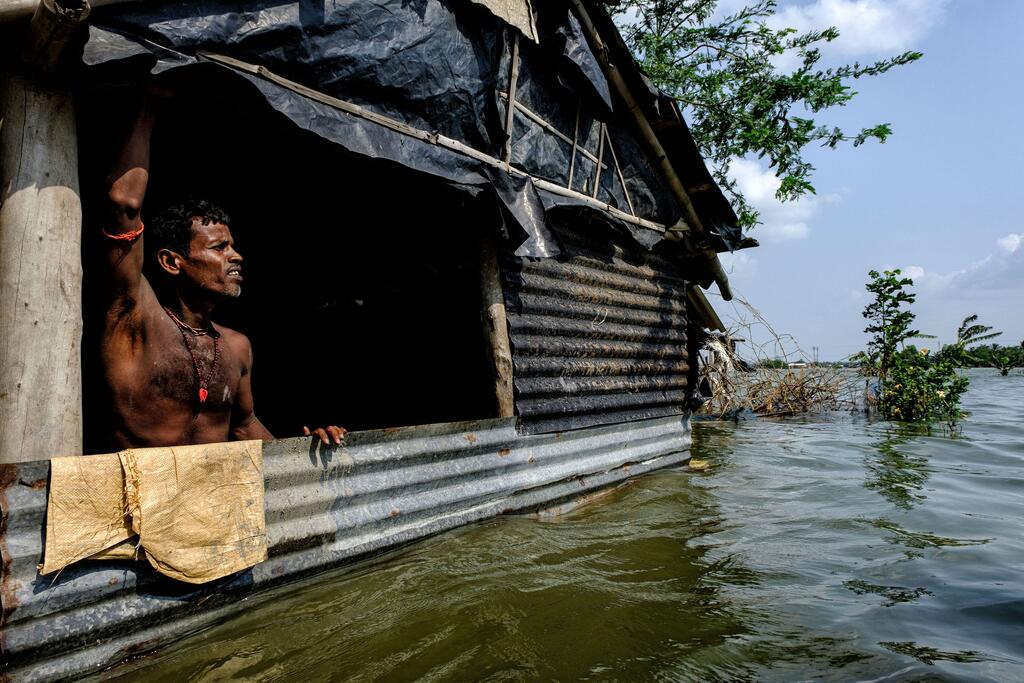
© Ocean Image Bank/Dipayan Bose A man stands in the doorway of his flooded tin-roofed home in a coastal village in India.
The ocean covers more than 70 per cent of the planet’s surface, regulates the climate, sustains biodiversity, and underpins economies and cultures across every continent. It is, in the most literal sense, the foundation of life on Earth. Yet for decades it has absorbed the consequences of human activity with diminishing resilience, and the reckoning, according to an authoritative new scientific assessment, may now be approaching.
The World Ocean Assessment, a 1,600-page document compiled over nearly five years by some 550 experts from 86 countries, represents the most comprehensive scientific reckoning with the state of the seas yet produced. What it reveals is not merely a catalogue of environmental concern but a warning with direct implications for every human being on the planet, coastal or otherwise.
A system under pressure
The ocean stabilises the climate by absorbing excess heat and greenhouse gases. Without it, extreme weather would intensify dramatically, threatening food systems, supply chains and insurance markets. It provides roughly a fifth of all animal protein consumed globally, supplies a significant share of breathable oxygen, and supports some 174 million tourism-related jobs. The ocean economy is valued at 1.5 trillion dollars a year and is projected to exceed three trillion dollars by 2030.
These facts make the scale of what is now happening all the more alarming. The rate of sea-level rise has doubled since 2015, reaching 4.3 millimetres per year in 2023, driven by melting ice caps and thermal expansion. Arctic temperatures are rising four times faster than the global average. Dead zones, where oxygen levels fall so low that most marine life cannot survive, now span 4.5 million square kilometres. Sixteen per cent of all ocean warming recorded since 1955 has occurred after 2018 alone.
Disappearing life
Marine biodiversity is declining across nearly every habitat. Caribbean coral reefs have shrunk by approximately 80 per cent since the 1970s. Should global warming exceed 1.5 degrees Celsius above pre-industrial levels, up to 90 per cent of the world’s coral reefs may disappear entirely. Mangroves and seagrass beds, which serve as nurseries for fish and buffers against storm surges, continue to contract. Species ranging from plankton to marine mammals are migrating poleward as waters warm, while invasive species spread more readily in altered conditions.
Pollution is compounding these pressures. Each year, 52 million tonnes of plastic waste enter the ocean, contributing to an estimated 24 trillion microplastic particles now known to affect more than 4,000 marine species. Over 4,000 pharmaceutical and personal care compounds have been detected in marine waters. Some legacy pollutants, such as mercury, have declined in certain regions, offering a rare note of encouragement.
Food and governance
Marine fisheries feed billions and support livelihoods across the developing world, yet the systems sustaining them are under strain. In 2021, 37 per cent of the world’s fish stocks were being harvested at unsustainable rates. Illegal, unreported, and unregulated fishing removes an estimated eight to fourteen million tonnes annually, generating between nine and seventeen billion dollars in illicit revenue. Disease, pollution, and climate stress are also testing the long-term viability of aquaculture, which has nonetheless grown into a 90-billion-dollar global industry.
Governance of the ocean remains fragmented. Some 57 global treaties bear on its protection, yet their overlapping jurisdictions produce inconsistency rather than coherence. The knowledge base itself is incomplete: only 27 per cent of the seafloor had been mapped as of 2025, leaving deep-sea ecosystems and cumulative impacts poorly understood. Indigenous communities, whose knowledge, and traditional practices are indispensable to sustainable management, remain too often sidelined.
Solutions exist, including nature-based restoration, emissions reductions, and expanded marine protected areas. Yet even a full restoration of ocean ecosystems would contribute only around two per cent of global climate mitigation targets. The implication is clear: the ocean cannot save humanity from itself. The coming decade, the assessment warns, is decisive. Without rapid and coordinated global action, the decline will continue and with it the stability of the climate, the security of the food supply, and the wellbeing of billions.
Source: World Ocean Assessment, United Nations, compiled by 550 experts from 86 countries. Published and reported by Daniel Dickinson, UN News, 7 June 2026.
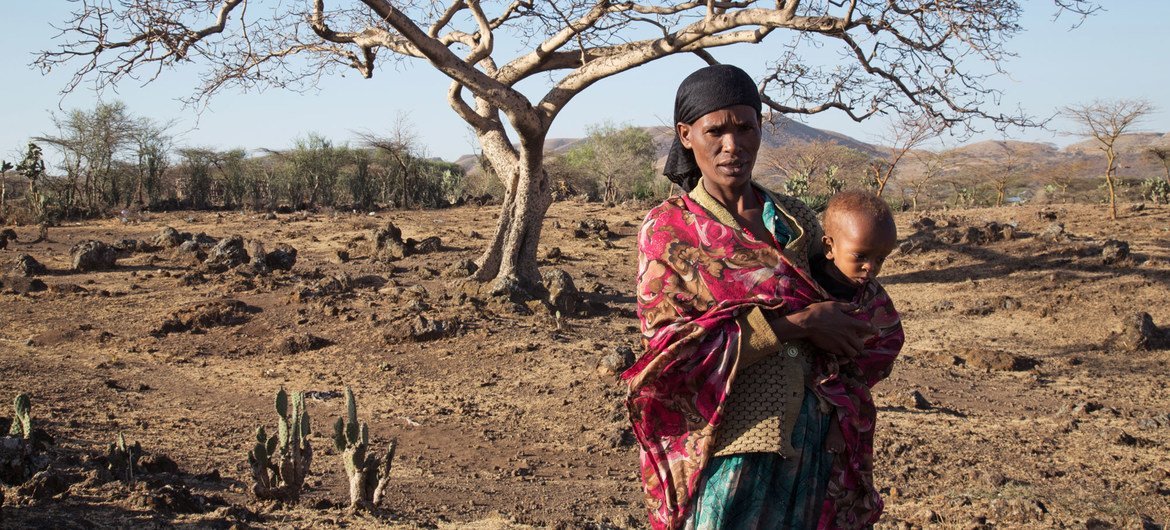
El Niño Returns
WMO stressed that while there is no evidence that climate change increases the frequency or intensity of El Niño events, a warmer ocean and atmosphere provide more energy and moisture for...
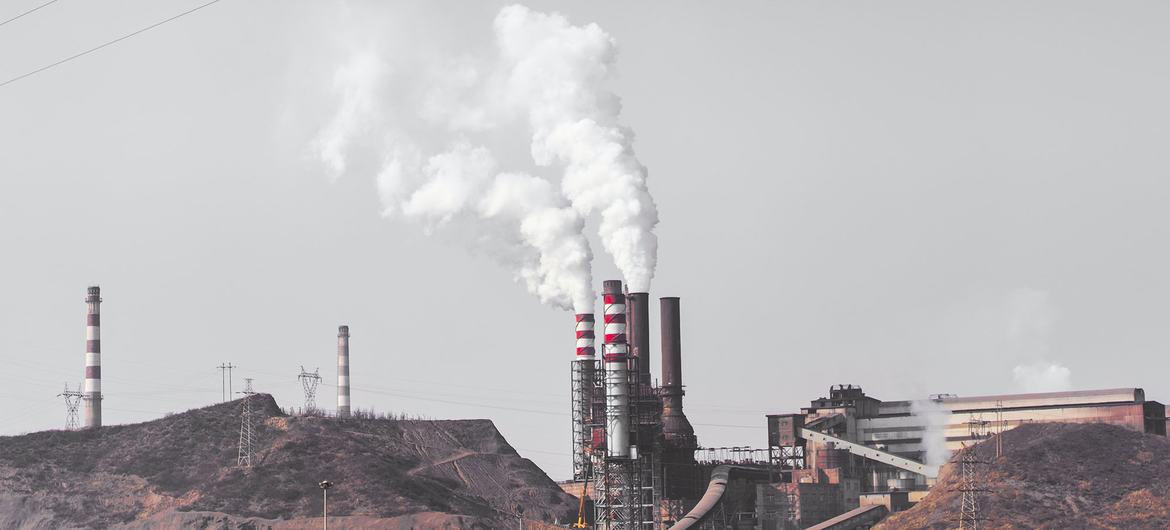
The Court Has Spoken, and the Assembly Has Answered
On Wednesday, the United Nations General Assembly adopted a resolution affirming the International Court of Justice’s landmark July 2025 advisory opinion, which found that states bear...









Our Network
Our Channels

© 2026 Al Jazeera Media Network. All rights reserved.