

Smoke, Soot and Toxic Fumes: Nigerian Families Live in Shadow of Burning Oil Well Six Years After Blowout

A burning gas-flaring furnace at a flow station in Ughelli. Experts say there is no comprehensive study on oil pollution’s long-term health effects in the Niger Delta. Photograph: Afolabi Sotunde/Reuters
Bodunwa Orugbemi, 70, sits on a narrow hospital cot across from her son, close enough to hear the Atlantic and smell crude oil drifting in from the shore. For days her 21-year-old son has lain in this Niger Delta hospital, taking small spoonfuls of food but unable to speak. He began coughing one evening in May inside their wooden home in Awoye, on Nigeria’s Atlantic coastline; within days the cough had worsened, a skin irritation appeared, then breathing difficulty. “He started shivering and coughing uncontrollably,” she says. “Now he can eat, but he still cannot speak.”
She believes the illness is linked to pollution from Ororo 1, an offshore well that has burned continuously for years, sending smoke, soot and toxic fumes into nearby communities. Her husband, a fisherman, no longer brings home the catches the family once relied on. “The sea is different,” she says. “He sometimes stays out all day and barely brings anything.”
A familiar pattern
Along Ondo state’s Ilaje coast, residents describe persistent coughs, breathing trouble, skin problems and collapsing livelihoods that they trace to a blowout at the well in April 2020. Philip Jakpor, executive director of the NGO Renevlyn Development Initiative, says such accounts are common across the oil rich region, where the aftermath of environmental disasters lingers for years without any health monitoring of affected populations. “In the Niger Delta, the plight of oil polluted communities has reached a point where people are forced to live with contaminated air and water,” he says, noting that residents inhale toxic substances daily without knowing what harm may result.
Ororo 1 was originally drilled by Chevron, which later capped and abandoned the field. Nigeria’s then petroleum regulator, the Department of Petroleum Resources, subsequently licensed two indigenous firms, Owena Oil and Gas and Guarantee Petroleum, which continued operations until the well blew out.
Life since the blast
Temilorun Patrick Ajimisogbe, a fisherman in Awoye, recalls the night of the explosion. “The whole community shook. At first, we thought it was thunder rolling in from the ocean, but when we rushed out of our houses, we saw thick smoke rising from the offshore drilling facility,” he says. “Since that day, nothing has been the same.” Fishermen avoided the water for days afterward, fearing for their safety as soot and the smell of crude spread along the coast. Years later he still describes coughing, skin irritation and dizziness among residents, alongside lasting damage to the fishing trade. “Sometimes, we wake up in the morning and just see oil spread everywhere,” he says. “Before we know it, the water will carry it away again.”
Residents say black soot settles inside water containers and uncovered food, yet no government agency has conducted a comprehensive public health assessment.
Monitoring gap
Dr Bieye Briggs, an environmental health expert, argues that the presence of pollutants is only part of the concern. “What is truly worrying is the lack of an adequate bio monitoring regime to determine what people may be ingesting into their bodies,” he says. A recent study by the Kebetkache Women Development and Resource Centre examined the health of women in Otuabagi, Bayelsa state, where Nigeria’s first commercial oil wells were drilled in the 1950s, and found elevated levels of polycyclic aromatic hydrocarbons in women’s blood as well as contamination of local soil and water.
Sources: The Guardian, 6 July 2026.
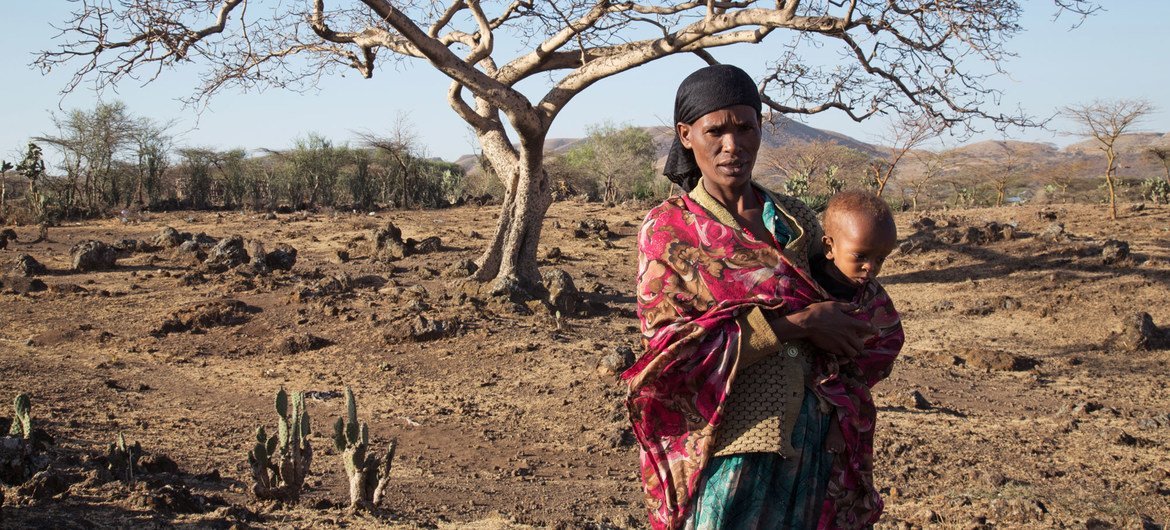
El Niño Returns
WMO stressed that while there is no evidence that climate change increases the frequency or intensity of El Niño events, a warmer ocean and atmosphere provide more energy and moisture for...
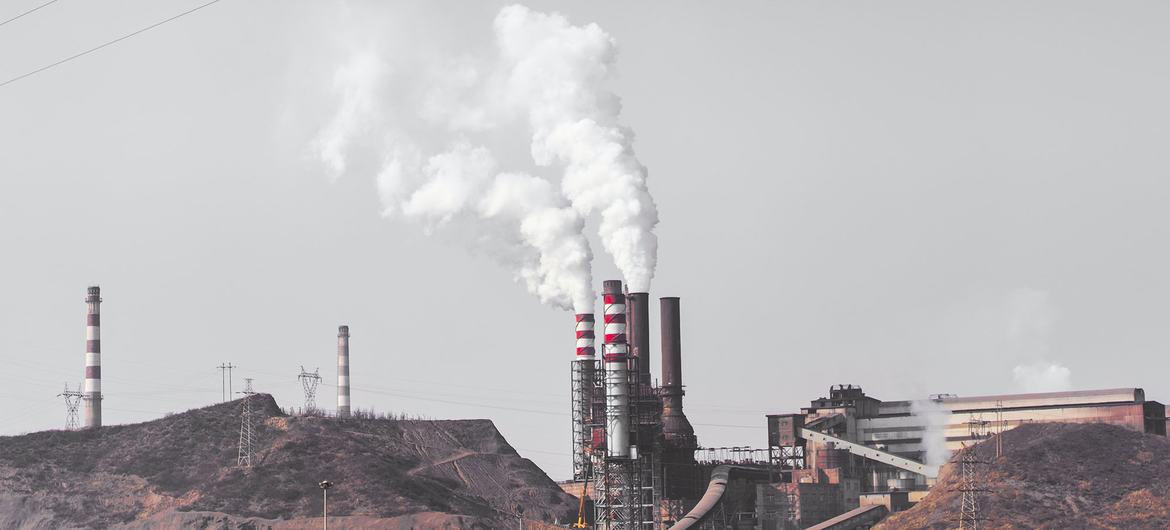
The Court Has Spoken, and the Assembly Has Answered
On Wednesday, the United Nations General Assembly adopted a resolution affirming the International Court of Justice’s landmark July 2025 advisory opinion, which found that states bear...




Our Network
Our Channels

© 2026 Al Jazeera Media Network. All rights reserved.