


Climate Crisis: UN Chief Lays Out Solutions Blueprint for Clean Energy Transition

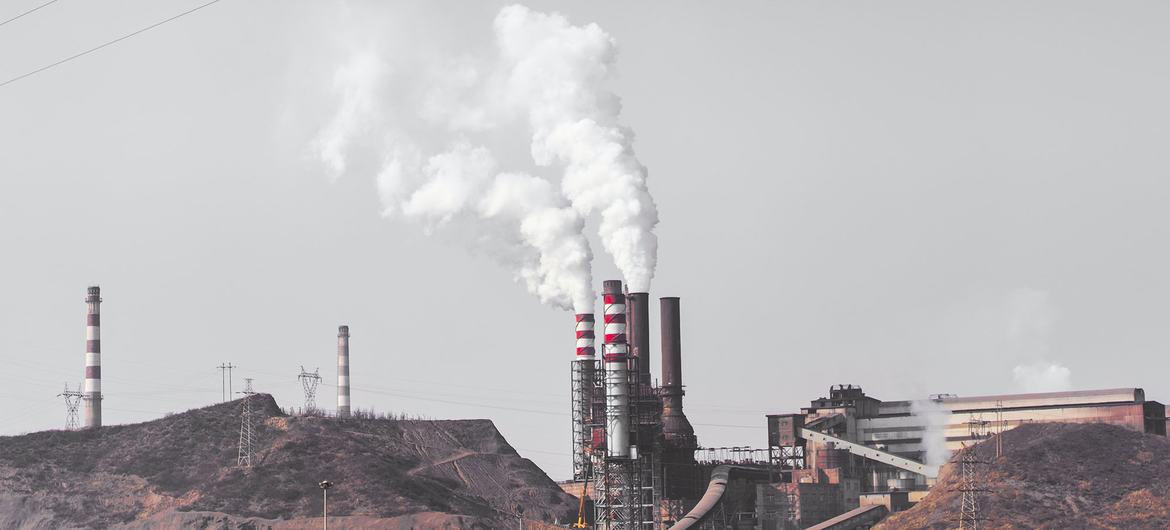
© Unsplash/Michu Đăng Quang/ The emissions from electricity or gasoline that power air conditioners contribute to global warming. "It's time to come clean" and do more to promote renewable energy, the UN Secretary-General told the London Climate Action Week.
The world’s dependence on fossil fuels is simultaneously driving the climate crisis and an energy sovereignty emergency. António Guterres, the United Nations Secretary-General, used a keynote address at London Climate Action Week on June 23rd to call for urgent, coordinated action, drawing an explicit parallel between the geopolitical chaos unfolding in the Strait of Hormuz and the long-term damage wrought by burning oil and gas.
Europe was in the grip of a deadly heatwave as he spoke. The timing was not incidental. “These crises may seem separate but they share the same destructive origin: fossil fuels,” Mr Guterres said. “And they demand the same answer: a fast, fair transition to clean energy.”
The temperature threshold
More than a decade has passed since world leaders agreed in Paris to limit global temperature rise to 1.5 degrees Celsius above pre-industrial levels. UN-backed scientists now warn that average annual temperatures are likely to exceed that threshold within years, even as the Paris Agreement nominally holds, despite America’s second formal withdrawal in January. Every fraction of a degree, the Secretary-General insisted, carries consequences: dying coral reefs, melting ice sheets, and the potential disappearance of low-lying island nations.
The task, as he framed it, is to limit the extent of any overshoot, shorten its duration and return temperatures below 1.5 degrees as quickly as possible.
Energy shocks, old and new
Mr Guterres acknowledged that a 60-day pause in hostilities between Iran, Israel and the United States offered some relief, but characterised the broader Middle East crisis as “the mother of all energy shocks”, comparing its effects to the oil disruptions of the 1970s and Russia’s full-scale invasion of Ukraine. For developing countries, he said, the consequences have compounded into a debt shock, a food shock and a development shock simultaneously.
His counterpoint was the collapsing cost of alternatives. Since 2010, the price of solar energy has fallen by nearly 90 per cent, onshore wind by more than 70 per cent and battery storage by 95 per cent. Renewable energy already avoids more annual carbon dioxide emissions than the United States, the European Union and Japan produce combined. Clean energy investment now attracts nearly twice as much capital as fossil fuels. “There are no embargoes on sunlight and no blockades on the wind,” he said.
A seven-point programme
The Secretary-General set out a structured plan. Emissions must peak immediately and fall steeply this decade, reaching net zero by 2050. The G20, responsible for around 80 per cent of global emissions, must lead. A global call to action on methane, a gas that traps roughly 80 times more heat than carbon dioxide before breaking down within a decade or two, forms a central plank. “The world phased out leaded gasoline. We eliminated ozone-depleting chemicals. Methane pollution must be next,” he said.
Public subsidies for new fossil fuel projects should be ended. The eight largest fossil fuel companies reported an additional $6.5 billion in profits in the first quarter of this year alone; Mr Guterres urged governments to tax those profits and redirect the proceeds to vulnerable communities and the clean energy transition.
Artificial intelligence companies must be required to measure and disclose the full environmental footprint of their data centres, covering carbon, water and land use, and to power every such facility with renewable energy by 2030. AI data centres already consume more electricity than most nations. By 2030, their water consumption could, on current trajectories, meet the basic needs of all 1.3 billion residents of sub-Saharan Africa for an entire year.
The transition itself must be managed in a way that delivers jobs and development benefits for workers and communities, including in the developing world, a process to be advanced through COP31 in Türkiye. Adaptation investment must increase, with developed countries required to deliver on their commitment to double adaptation finance and set a clear trajectory toward tripling it. Fair finance mechanisms must be expanded: many developing countries face borrowing costs two to three times higher than those available to wealthier economies. African nations receive only two per cent of global clean energy investment despite holding 60 per cent of the world’s best solar resources. The $600-800 billion in additional lending capacity held by multilateral development banks, including the World Bank, should be deployed aggressively.
Finally, Guterres called for science to be defended as the foundation of both truth and early warning systems, for climate disinformation to be actively countered and for journalists and human rights defenders covering environmental issues to be protected. He pointed to the Global Initiative for Information Integrity on Climate Change, led by the UN, UNESCO, and Brazil, as a vehicle for that effort.
Sources: UN News; London Climate Action Week; June 23rd, 2026. Reporting by Daniel Johnson, Geneva.
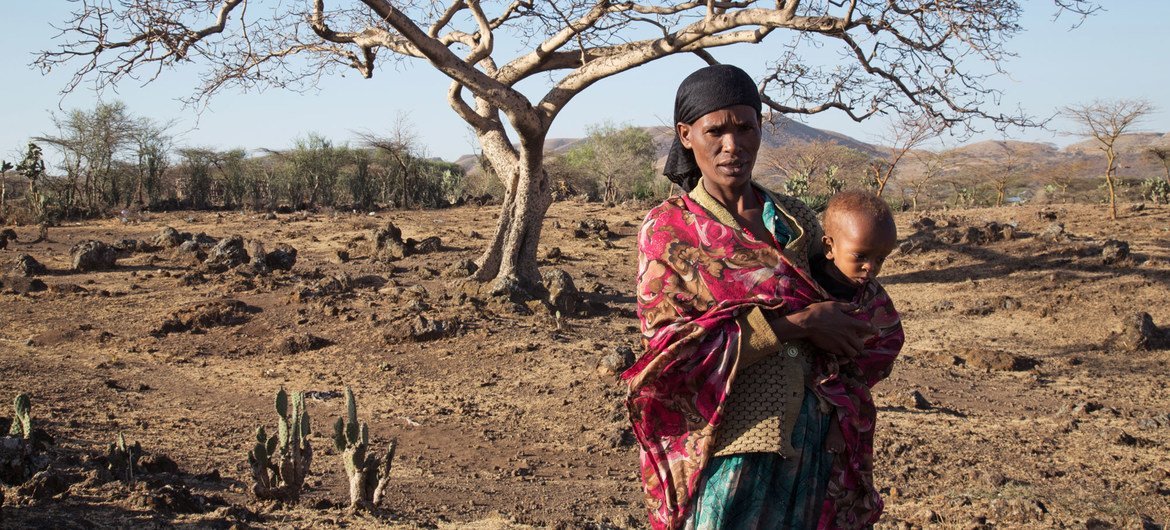
El Niño Returns
WMO stressed that while there is no evidence that climate change increases the frequency or intensity of El Niño events, a warmer ocean and atmosphere provide more energy and moisture for...
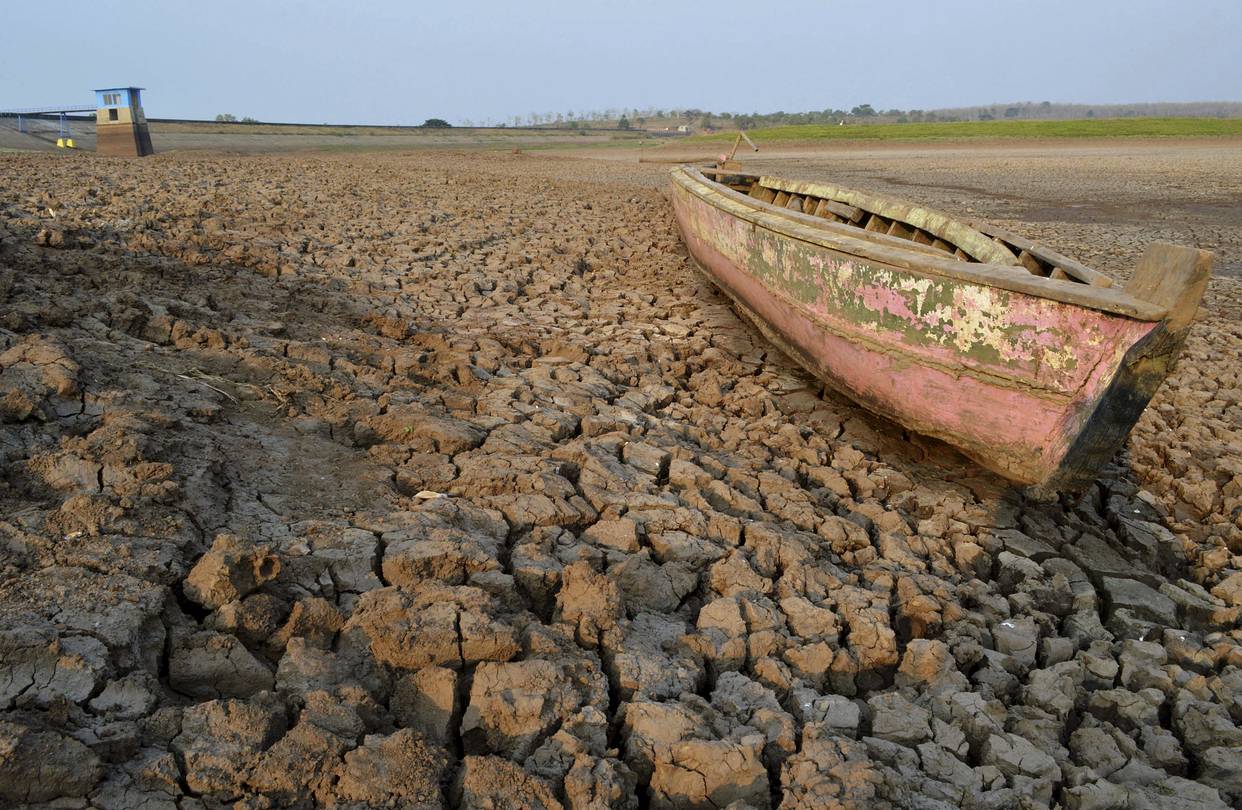
The Court Has Spoken, and the Assembly Has Answered
On Wednesday, the United Nations General Assembly adopted a resolution affirming the International Court of Justice’s landmark July 2025 advisory opinion, which found that states bear...




Our Network
Our Channels

© 2026 Al Jazeera Media Network. All rights reserved.