


The Heat Is On
Archive/Al Jazeera
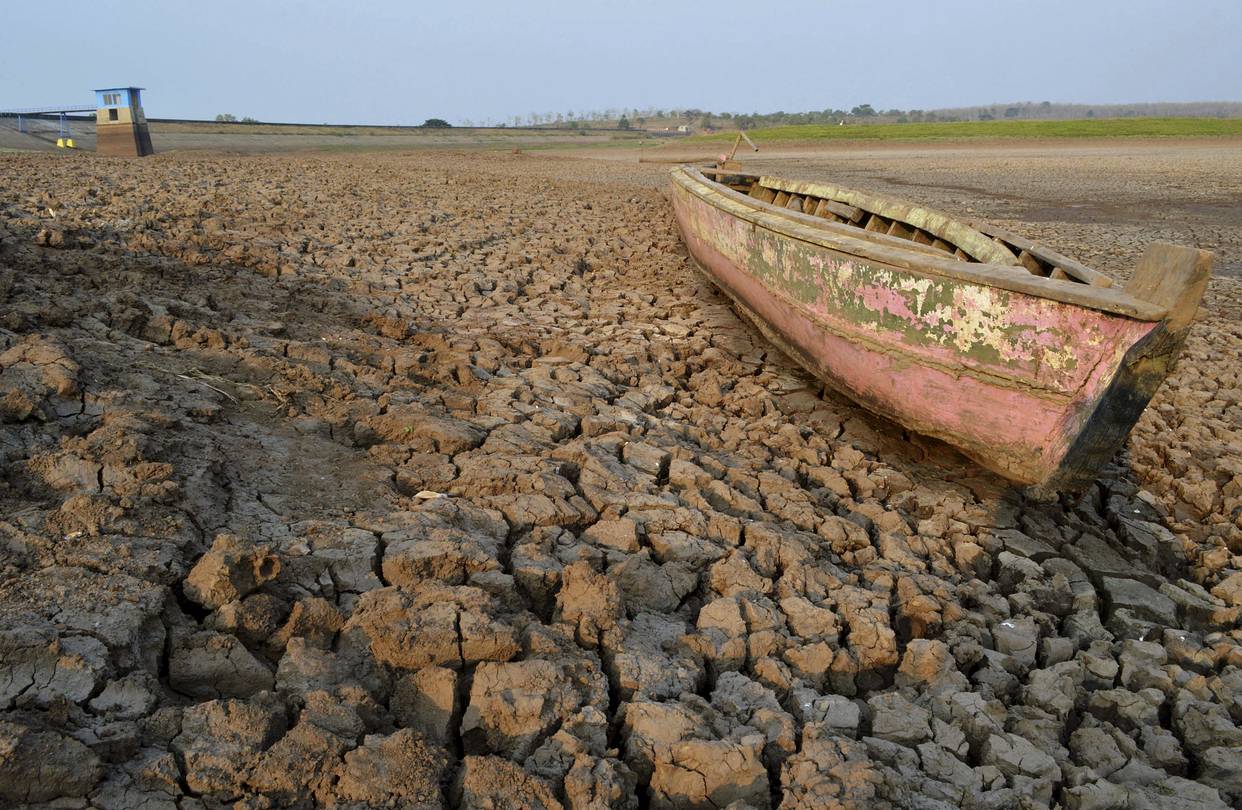
Record temperatures, devastating floods, worsening drought, and intensifying hurricanes are placing millions of people across Latin America and the Caribbean at growing risk of hunger, displacement, and water shortages. A new report from the World Meteorological Organisation, covering 2025, catalogues the accelerating toll of climate change across the region.
In 2025, heatwaves pushed temperatures above 40 degrees Celsius across large parts of the region, including a record 52.7 degrees in Mexico. Brazil and Paraguay also recorded temperatures above 44 degrees. The WMO estimates that around 13,000 people die annually from heat-related causes across 17 countries, though many nations still do not routinely track such deaths.
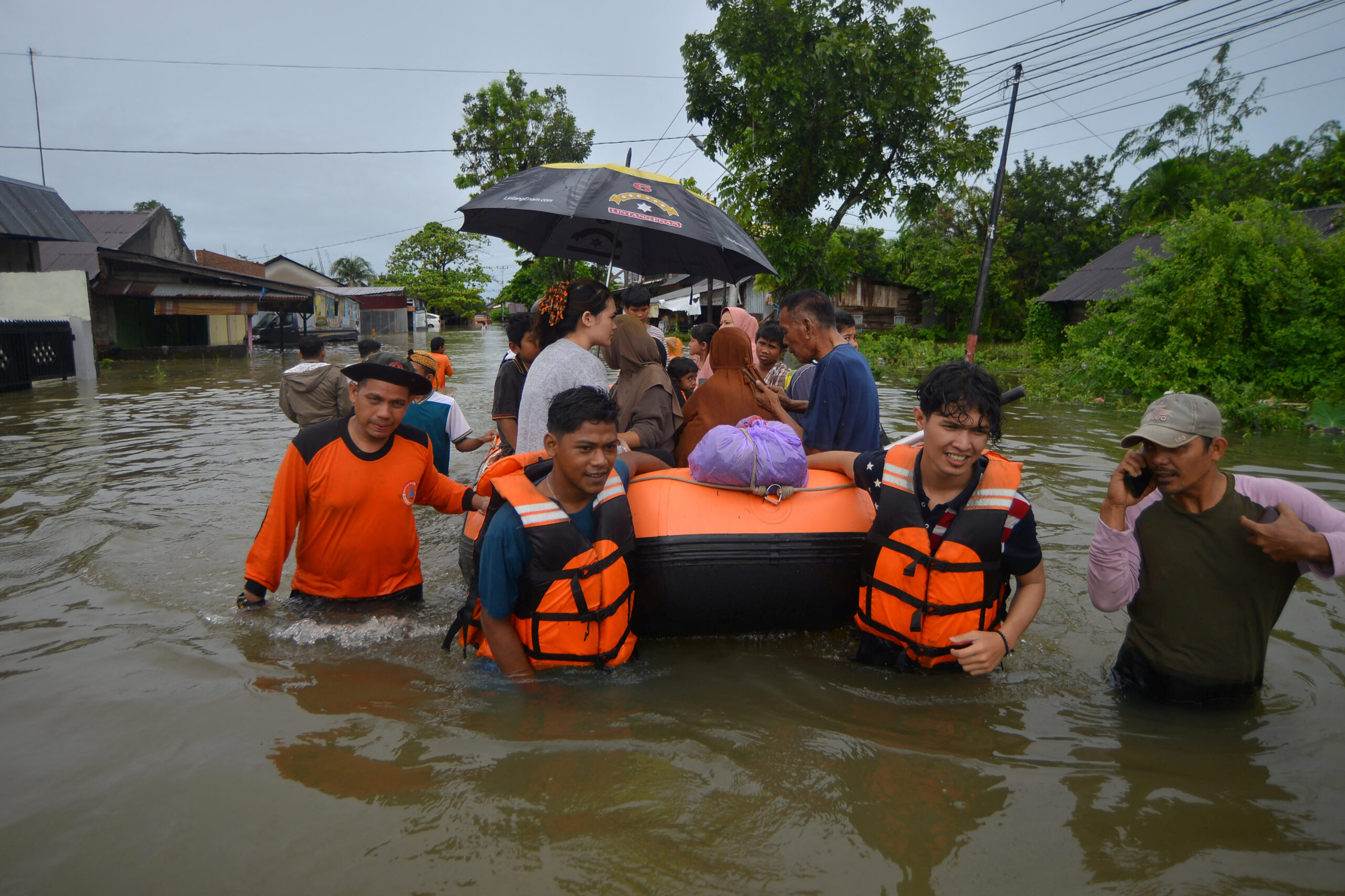
Flooding affected more than 110,000 people in Peru and Ecuador, while floods in Mexico killed 83 people and caused widespread infrastructure damage. At the same time, severe drought affected up to 85 per cent of Mexico, creating acute water shortages even as the country recorded its wettest June. Drought conditions across southern South America increased agricultural losses and wildfire risks.
The retreat of Andean glaciers, which provide freshwater for nearly 90 million people, is accelerating. Glaciers across Colombia, Ecuador, Peru, Chile, and Argentina are melting at rates that raise the prospect of both near-term flooding and longer-term water scarcity.
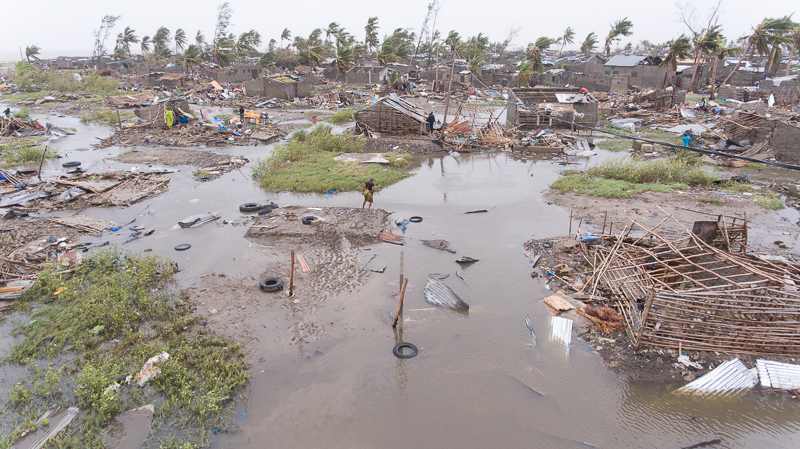
The most dramatic storm of the year was Hurricane Melissa, which in October became the first Category 5 hurricane on record to make landfall in Jamaica, killing 45 people and causing economic losses equivalent to more than 41 per cent of the country’s gross domestic product.
Celeste Saulo, WMO Secretary-General, described the report as a call to action, urging investment in climate services, early warning systems, and adaptation measures. Without such investment, she warned, humanitarian needs across the region will only grow worse.
Sources: World Meteorological Organisation, State of the Climate in Latin America and the Caribbean 2025. Date: May 18, 2026.
Why the Ocean’s Future Is Humanity’s Future
The World Ocean Assessment, a 1,600-page document compiled over nearly five years by some 550 experts from 86 countries, represents the most comprehensive scientific reckoning with the state of...
El Niño Returns
WMO stressed that while there is no evidence that climate change increases the frequency or intensity of El Niño events, a warmer ocean and atmosphere provide more energy and moisture for...




Our Network
Our Channels

© 2026 Al Jazeera Media Network. All rights reserved.