


El Niño Returns
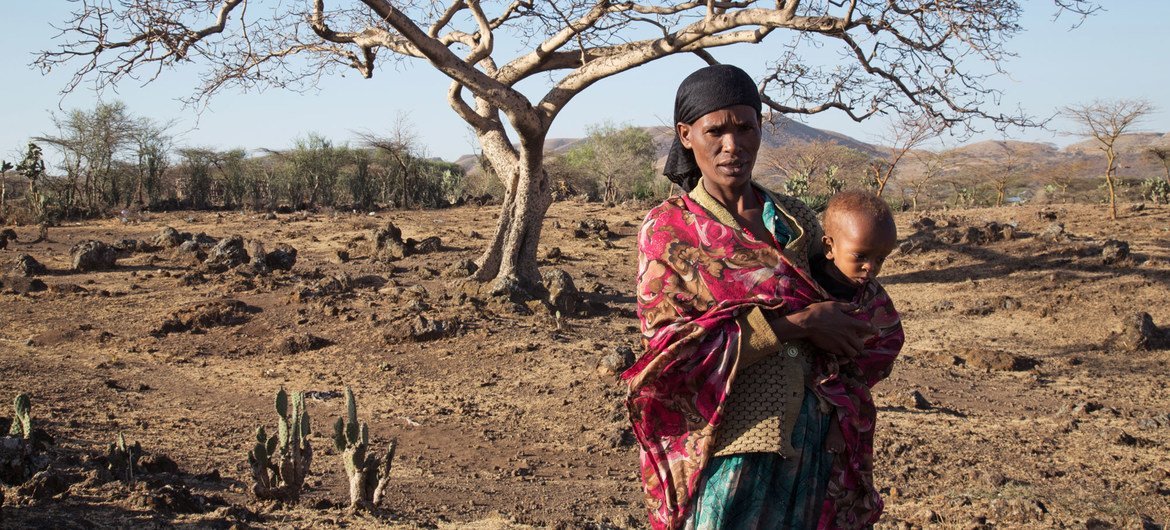
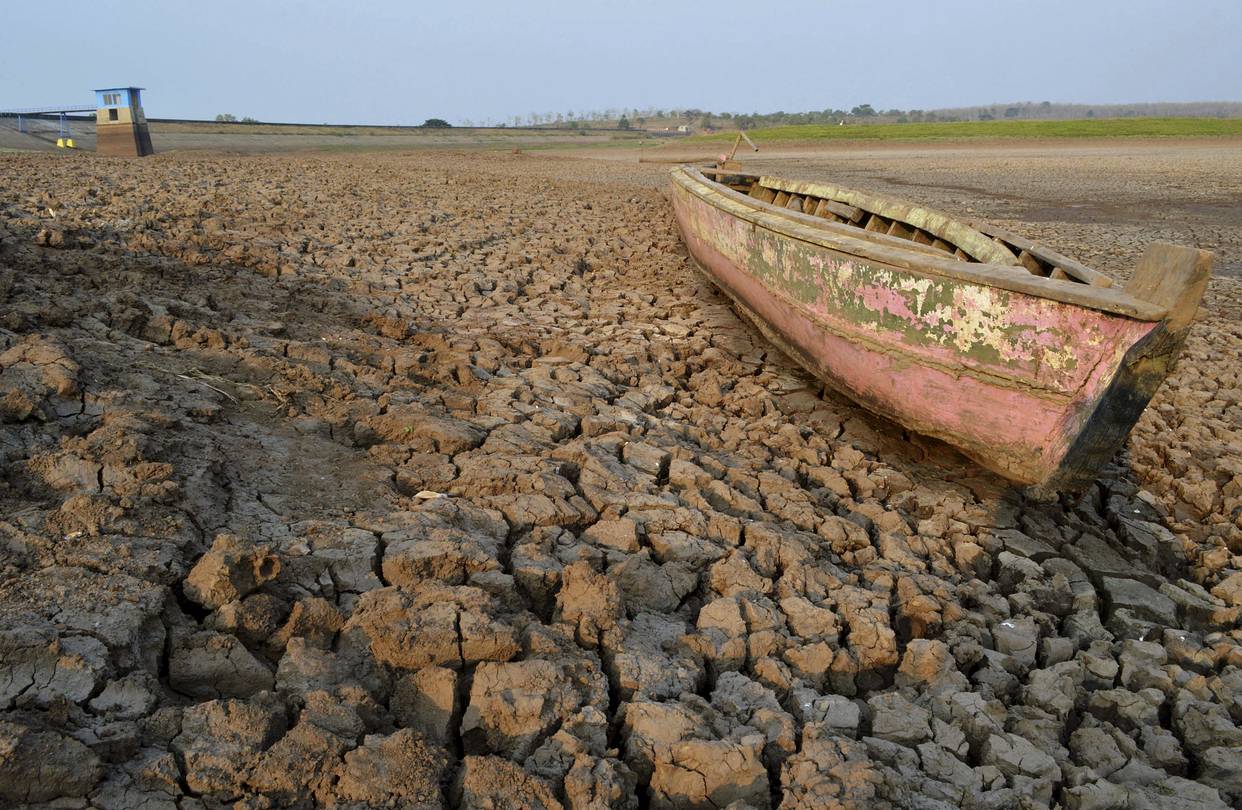
OCHA/Charlotte Cans The El Niño-induced drought in Ziway Dugda, Oromia region of Ethiopia, is affecting every family and they don't have enough food at home to feed themselves.
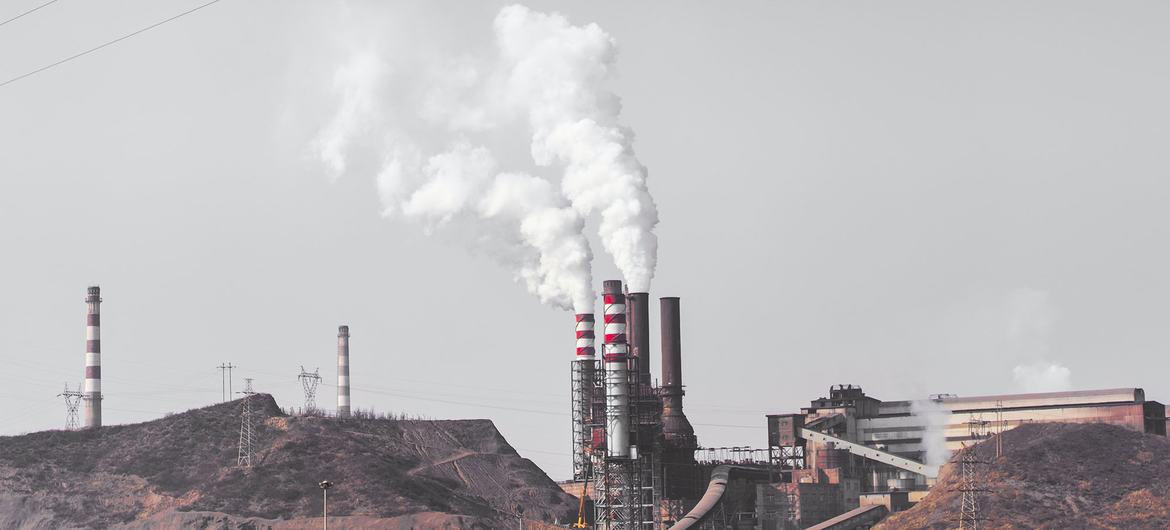
The UN’s weather agency confirmed on Tuesday that El Niño conditions have emerged, warning that the Pacific warming phenomenon will push temperatures above average almost everywhere and fuel more extreme weather events. The World Meteorological Organization put the probability of El Niño conditions persisting between June and August at 80%, rising to 90% thereafter.
Tropical Pacific Ocean temperatures are already running at 6 degrees Celsius above average, a level that raises fears the current event could be unusually damaging. The last El Niño, in 2023-24, was among the five strongest on record and contributed to the record global temperatures of 2024. WMO Secretary-General Celeste Saulo warned that El Niño’s footprint travels far beyond the Pacific, affecting agriculture, energy supplies, trade, water resources, supply chains and livelihoods across entire regions. UN Secretary-General António Guterres called on the world to treat the confirmation as “the urgent climate warning it is.”
WMO stressed that while there is no evidence that climate change increases the frequency or intensity of El Niño events, a warmer ocean and atmosphere provide more energy and moisture for extreme weather, amplifying the associated impacts of heatwaves and heavy rainfall. The agency called on all countries to strengthen early warning systems. “Advance seasonal forecasts and early warnings are vital to save lives and cushion the impact on our economies and our communities,” Ms Saulo said.
El Niño, which is characterised by warming of ocean surface temperatures in the central and eastern equatorial Pacific, typically occurs every two to seven years and lasts around nine to twelve months. It usually begins between March and June and peaks between November and February. Even moderate El Niño events make some weather and climate extremes more likely, WMO noted.
Source: WMO, UN News, 2 June 2026

Sweden’s Deportation Decisions Ignore Women’s Rights Risks
Sweden has been deporting a growing number of young adults who spent years on temporary residence permits tied to a family member but lost their right to remain when delays and policy changes...

Fears Mount for Detained Palestinian Doctor Hussam Abu Safiya
A Lawyer’s Account Reports of Dr Abu Safiya’s deteriorating condition emerged following a visit by a lawyer for Physicians for Human Rights Israel on July 2nd, 2026....

Smoke, Soot and Toxic Fumes: Nigerian Families Live in Shadow of Burning Oil Well Six Years After Blowout
Dr Bieye Briggs, an environmental health expert, argues that the presence of pollutants is only part of the concern. “What is truly worrying is the lack of an adequate bio monitoring...





Our Network
Our Channels

© 2026 Al Jazeera Media Network. All rights reserved.