


Methane: The Climate Battle the World Can Actually Win
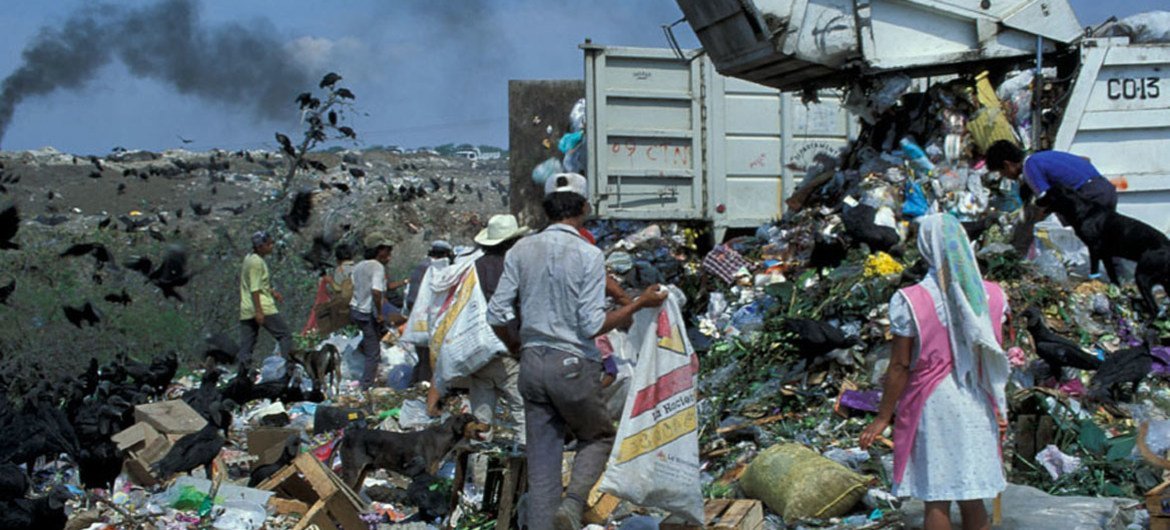
World Bank/Curt Carnemark Landfills are a major source of methane emissions, and improved management can capture the methane as a clean fuel source while reducing health risks.
António Guterres told delegates in London that cutting methane emissions is the fastest lever available to slow global warming. The science supports him. The question is whether the political will can match the technological readiness.
The global temperature trajectory is grim and worsening. The World Meteorological Organisation has confirmed that the past eleven years have been the hottest on record, and scientists now expect the planet to breach the 1.5 degrees Celsius threshold within years. Speaking at London Climate Action Week, which runs from 20 to 28 June, UN Secretary-General António Guterres did not soften that assessment. But he framed methane as a domain where urgency and opportunity coincide.
Methane is invisible and odourless. It is the primary component of natural gas. And it is responsible for nearly a third of current global warming. Unlike carbon dioxide, however, it breaks down within a decade or two, meaning that reductions produce rapid and measurable results. The UN chief called it “the super super-pollutant” and described cutting it as “the single fastest brake we can pull on a warming planet.”
The case for action is not merely scientific. The International Energy Agency estimates that around 70 per cent of methane emissions from oil and gas can be eliminated using technologies that already exist, at low or no net cost. Satellite monitoring now makes it possible to track emissions in near real time, removing the excuse of ignorance. A newly launched global Call to Action on Methane represents an attempt to translate that readiness into policy commitments.
Guterres set out three steps for governments and industry: detect and fix every leak while eliminating routine flaring and cold venting; make emissions measurable, reportable and verifiable; and adopt a science-based global methane standard while building a market for near-zero-methane energy. He pointed to Norway as a country that has already demonstrated what is achievable, noting that if every producing nation matched its standards, methane from oil and gas would fall by 90 per cent.
The UN chief was blunt about the limits of the existing approach. The age of voluntary action, he said, is over. More than 70 per cent of the reduction potential sits within G20 economies, and much of it within the fossil fuel sector, which is accordingly where the heaviest pressure must fall.
The equity dimension cannot be ignored. Developing countries require finance, technology and capacity to reduce emissions across agriculture, waste management and fossil fuel extraction. Guterres framed this as a test of climate solidarity and pledged UN support to every government willing to act.
At a related financing for development forum also held in London, he turned to the broader challenge of climate adaptation, describing it as no longer a matter of preparing for a distant future but of managing real-time risk. The heat gripping London at the time of his remarks provided an unscripted illustration. With multilateral development banks, climate funds, donors, insurers and development partners each holding a piece of the puzzle, Guterres called for coordinated action to make pre-arranged finance available to developing countries before crises demand it.
The political obstacles are formidable. But on methane, at least, the technology is ready, the economics are favourable and the timescale for results is human rather than geological. Whether that convergence is enough to move the G20 is the question that will determine whether the window Guterres described remains open.
Sources: UN Secretary-General António Guterres, address to London Climate Action Week super-pollutants reception, 24 June 2026; International Energy Agency methane findings; World Meteorological Organisation temperature record; Global Call to Action on Methane (launched June 2026); UN financing for development forum, London, June 2026.
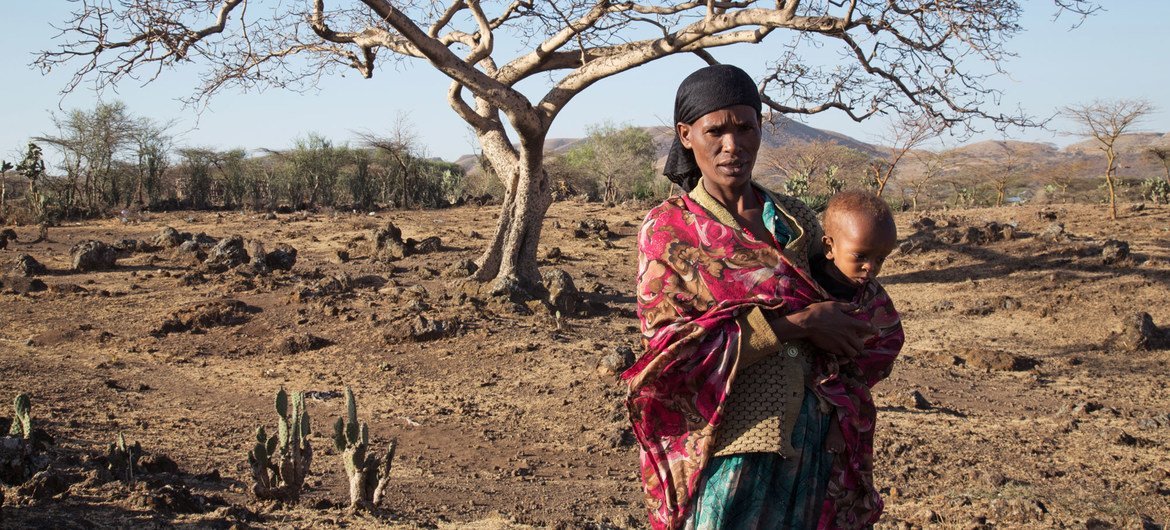
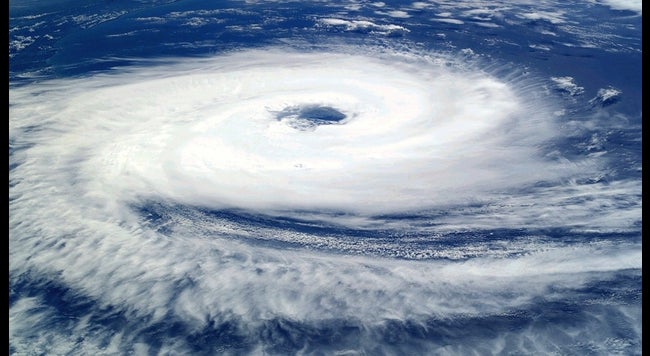
El Niño Returns
WMO stressed that while there is no evidence that climate change increases the frequency or intensity of El Niño events, a warmer ocean and atmosphere provide more energy and moisture for...
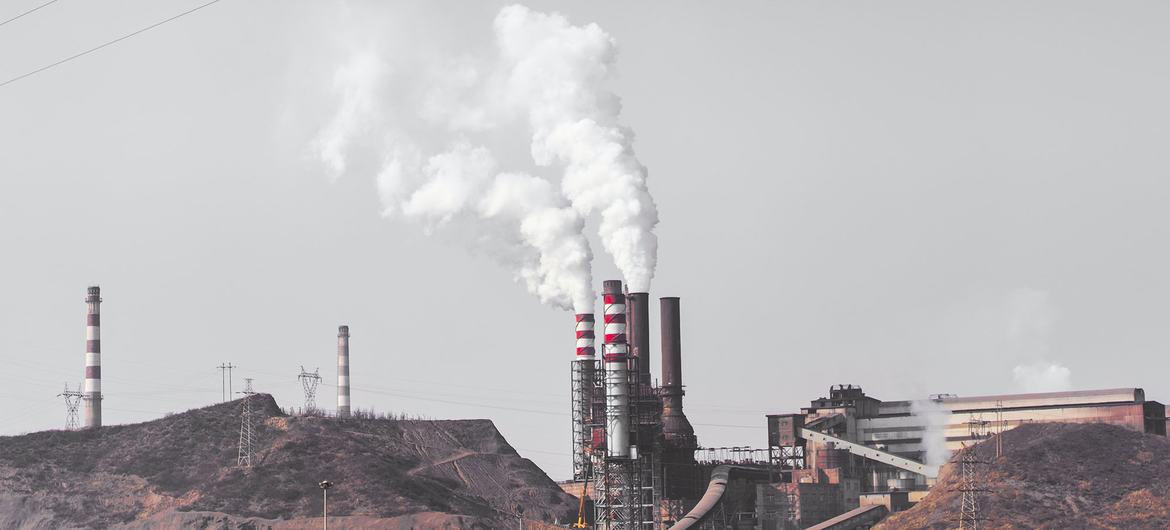
The Court Has Spoken, and the Assembly Has Answered
On Wednesday, the United Nations General Assembly adopted a resolution affirming the International Court of Justice’s landmark July 2025 advisory opinion, which found that states bear...



Our Network
Our Channels

© 2026 Al Jazeera Media Network. All rights reserved.