

The Guns That Outlast the Wars
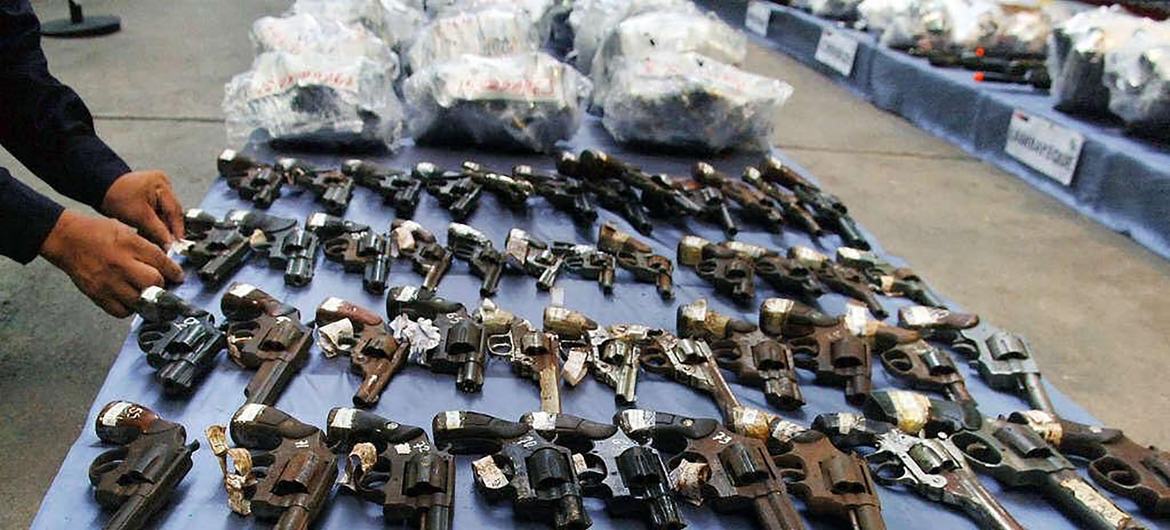
UNODC Firearms confiscated by authorities during border checks.
Wars end. Weapons do not. That uncomfortable truth sits at the centre of discussions this week at UN headquarters, where delegates are tackling the global proliferation of illicit firearms. Years after conflicts fade from the headlines, the arms used to fight them continue to cross borders, fuel crime, and undermine fragile peace processes. Emerging technologies, experts warn, are making the problem harder to contain.
“Wars end, but unfortunately, the weapons that are used in that particular conflict would not be under full control,” Izumi Nakamitsu, the UN’s top disarmament official, told UN News. “They continue to circulate. They are sometimes hidden. They are brought across borders.”
One of the fastest-growing concerns involves so-called ghost guns: firearms assembled from parts or kits and lacking serial numbers, making them nearly impossible for authorities to trace. Advances in 3D-printing technology have compounded the challenge by allowing components, and in some cases entire operational firearms, to be produced outside traditional manufacturing and regulatory systems. “Those weapons or weapon parts, if they are disassembled and then trafficked, are more difficult to trace,” Ms Nakamitsu said. Ammunition poses a parallel problem: even when weapons are already circulating illicitly, continued access to rounds prolongs their use in conflict, crime, and terrorism.
The consequences play out differently by region, but the pattern is consistent. Libya offers a frequently cited example: weapons looted or diverted during and after the 2011 conflict that ended Muammar Gaddafi’s rule later surfaced across the wider Sahel, including in Niger, Burkina Faso, and Nigeria, some reaching the hands of extremist groups. In Latin America and the Caribbean, illicit firearms account for between 70 and 80 per cent of violent deaths in parts of the region. In sub-Saharan Africa, proliferating small arms undermine peacebuilding long after fighting subsides.
The consequences extend well beyond security. Illicit weapons are linked to human rights abuses, terrorism and sexual and gender-based violence. “It is not just a security issue. It is also about peacebuilding. It is about human rights. It is also about development,” Ms Nakamitsu said.
UN member states adopted an action programme in 2001 committing to strengthen national legislation, improve stockpile security, and combat illicit trafficking. A major milestone followed in 2005 with the International Tracing Instrument, which established global standards for marking, recording, and tracing illegal weaponry. Former Secretary-General Kofi Annan once described small arms as the world’s real weapons of mass destruction. The delegates meeting this week in New York are grappling with his point.
Source: UN News, report by Vibhu Mishra, 1 June 2026
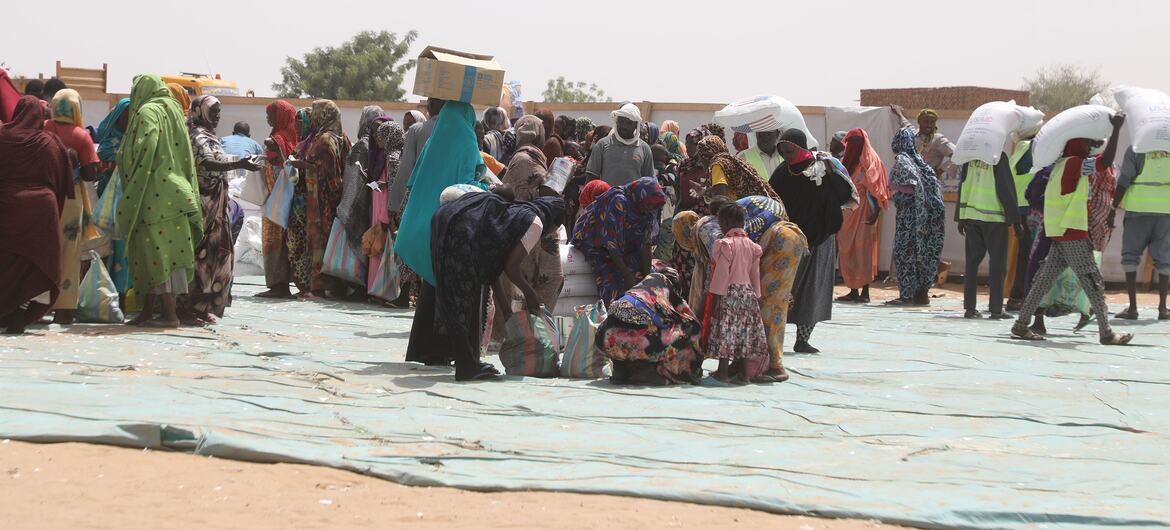
Sudan: Security Council Warns of Mass Atrocity Risk in El Obeid
Council members also raised concern over reports of RSF drone strikes in El Obeid and a broader increase in drone attacks across Sudan by parties to the conflict. They called for all abuses and...
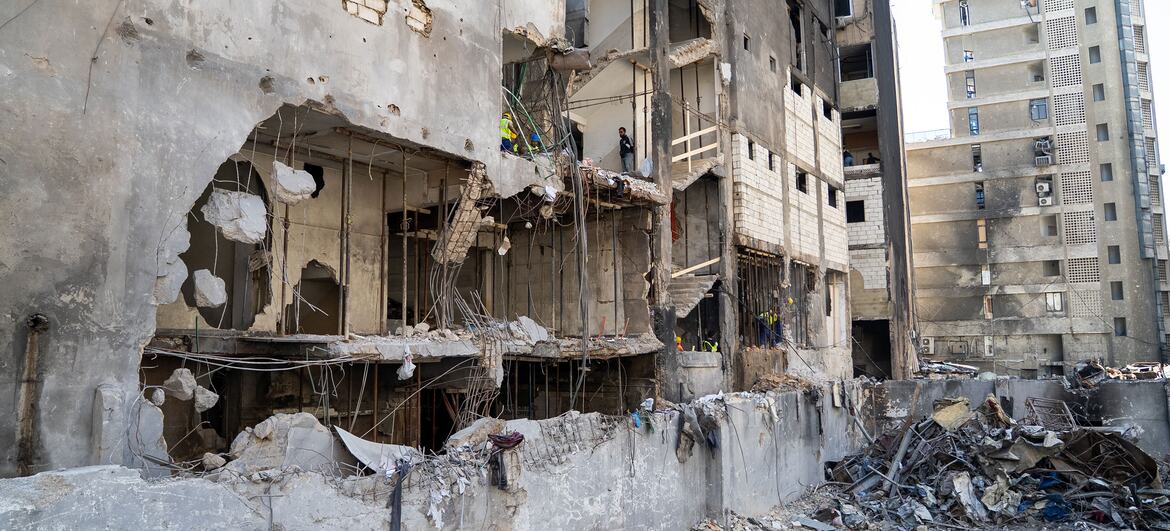
Lebanon on the Edge: Beirut Empties as Strikes Resume
The evacuation unfolded against the backdrop of a ceasefire that was never fully observed. A US-brokered truce took effect on 17 April but has been extended twice since, most recently on 16 May...
- Most Viewed
- Most Popular

Our Network
Our Channels

© 2026 Al Jazeera Media Network. All rights reserved.