

Conflict-Related Sexual Violence More Than Doubled in 2025
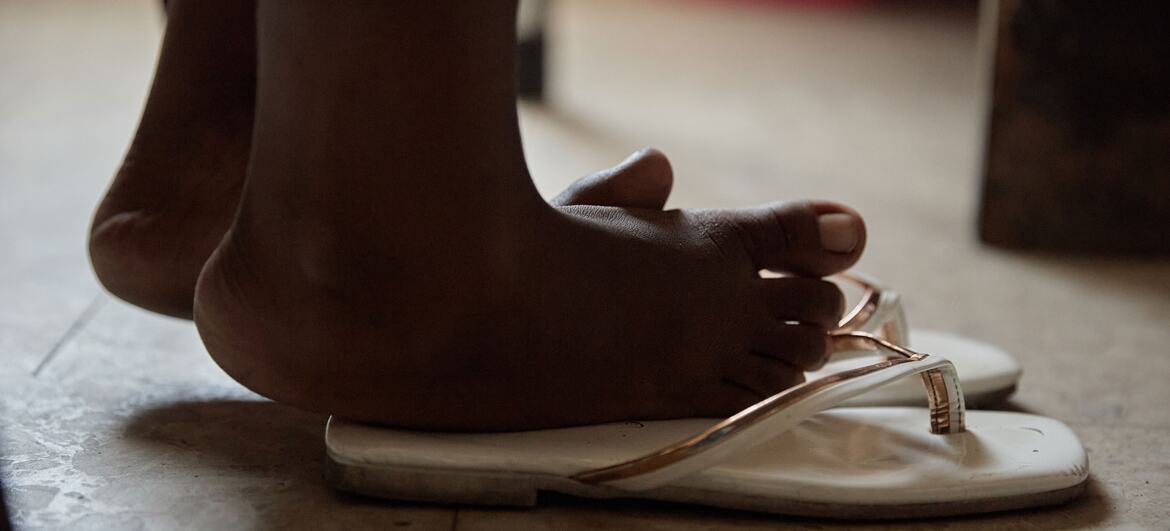
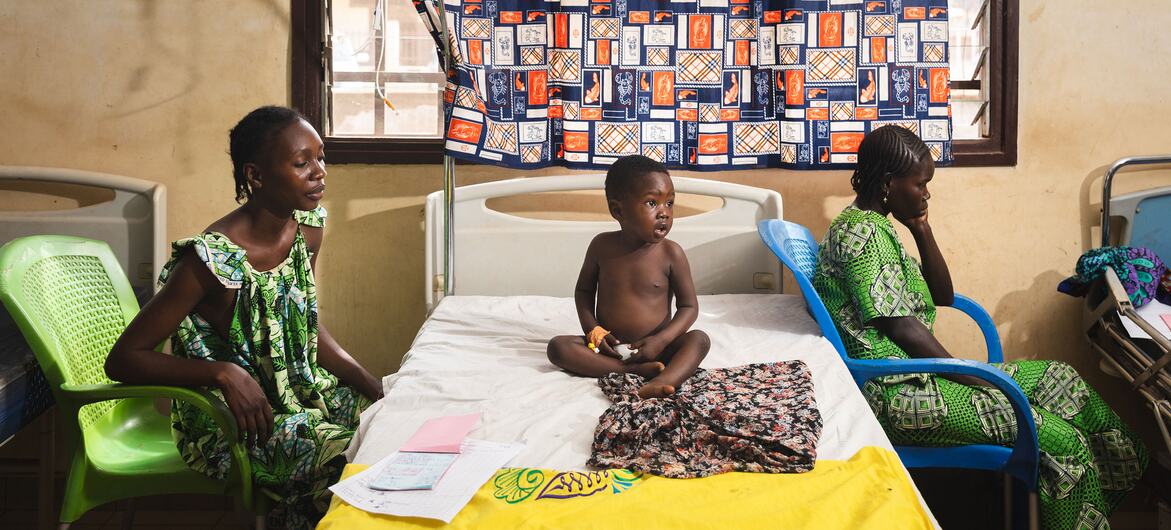
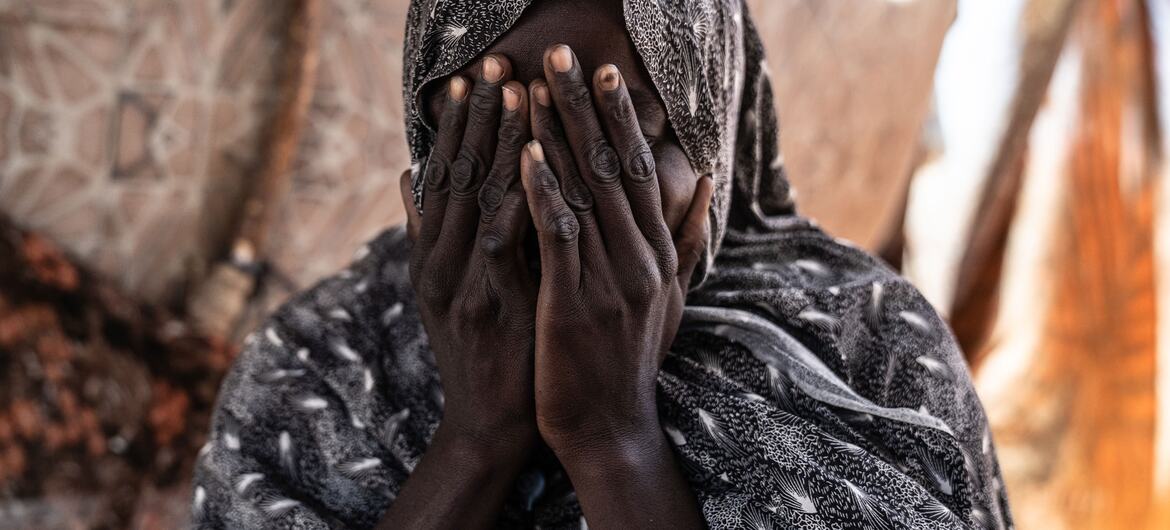
© UNICEF Conflict-related sexual violence continues to be used as a weapon of war.
Nearly 10,000 cases of conflict-related sexual violence were recorded worldwide last year, more than double the figure for the previous year. Rape, sexual slavery and abduction were deployed as weapons of war across Africa, the Middle East, Europe and the Caribbean.
Releasing the UN’s annual report on May 29th, Special Representative Pramila Patten described a deepening global trend, driven by rising insecurity, displacement and shrinking resources for survivors. The report verified 9,788 cases during 2025, though Ms. Patten stressed that this figure should be understood as an indication of a far broader pattern of violations that remain largely unseen and underreported.
Women and girls were the primary targets, though men and boys were also subjected to sexual violence, often in detention and as a form of torture. Victims ranged in age from one to 70. The violence was frequently accompanied by extreme physical abuse, including killings after rape and incidents of suicide among survivors.
Two governments, Russia and Israel, were newly added to the report’s annex listing parties responsible for patterns of conflict-related sexual violence, following findings by the UN of continued and documented abuse by their armed and security forces. Three non-state armed groups operating in the Democratic Republic of the Congo were also newly listed.
The report notes that non-state armed groups, including organised criminal networks, continued to use sexual violence to exert control over communities and resource-rich territory, while humanitarian access restrictions and funding shortfalls made it harder to document abuses and assist survivors.
Recommendations include strengthening monitoring and sanctions mechanisms, supporting women’s protection advisers in UN missions, expanding investigations and prosecutions, and increasing funding for medical, psychosocial and legal services. Ms. Patten appealed for the response to centre on survivors rather than on what she called political posturing or selective outrage.
Source: UN Special Representative on Sexual Violence in Conflict, May 29th, 2026.

Japan Should Not Ignore India’s Authoritarian Turn
Japan should not repeat the mistakes of its China policy. After the Tiananmen massacre of 1989, Japan led the way in re engaging a shunned Chinese government. The West, too, bet on engagement...
From AI To ‘Killer Robots’: UN Chief Issues Urgent Governance Call
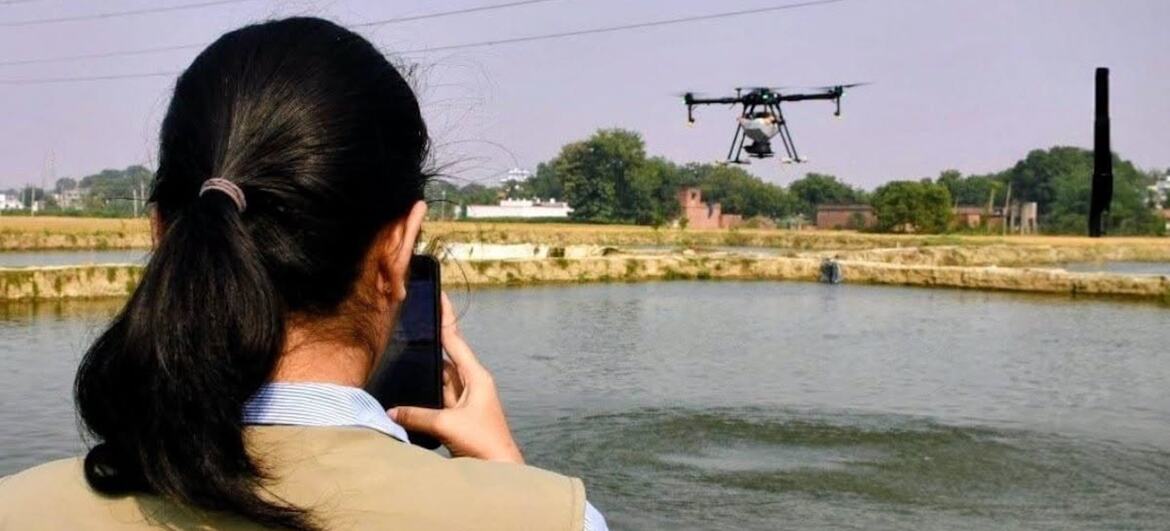
Guterres proposed an AI Child Safety Pledge under which developers would have to prove their systems are safe for children, subject to independent oversight; commit to zero tolerance for the...





Our Network
Our Channels

© 2026 Al Jazeera Media Network. All rights reserved.