


Hunger & Conflict
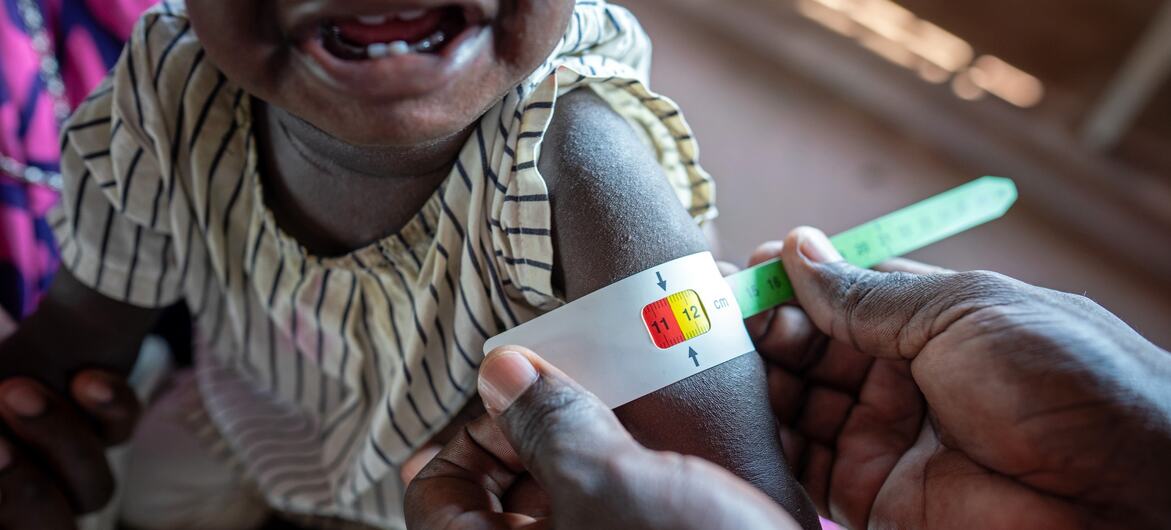
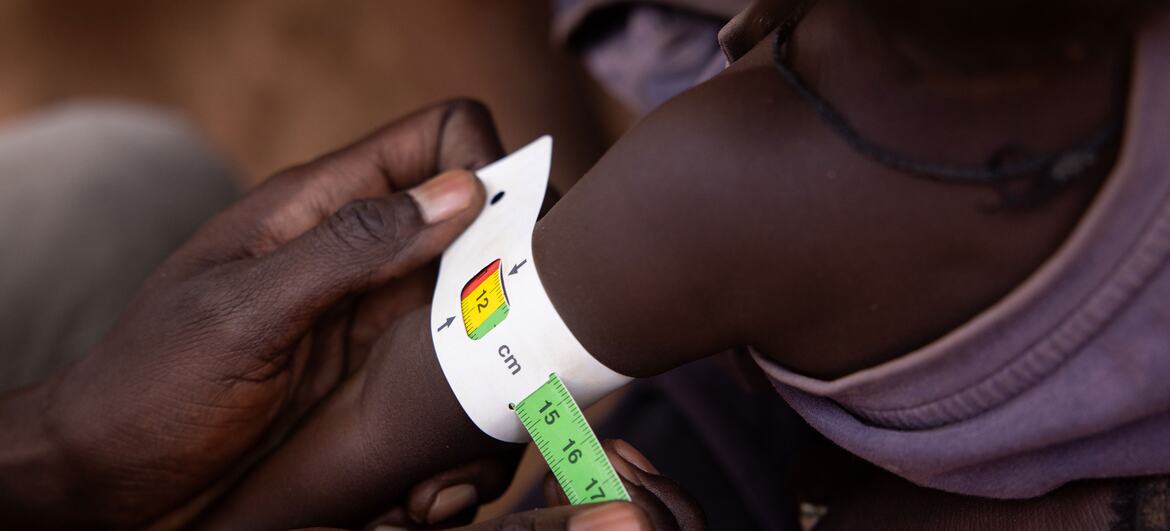
© UNICEF/Mark Naftalin A health worker measures the arm circumference of a child, an indicator of malnutrition in children.
Hunger is no longer a crisis; it is becoming a permanent condition.
Two-thirds of the world’s acutely food-insecure people live in just ten countries, and catastrophic hunger has risen ninefold since 2016.
In 2025, 266 million people across 47 countries experienced high levels of acute food insecurity, representing nearly a quarter of the population analysed and almost double the share recorded in 2016, according to the 2026 Global Report on Food Crises, released on April 24th by an alliance of UN agencies, the European Union, and partners. Conflict accounted for more than half of all severe hunger. Ten countries, Afghanistan, Bangladesh, the Democratic Republic of Congo, Myanmar, Nigeria, Pakistan, South Sudan, Sudan, Syria and Yemen, accounted for two-thirds of those facing high levels of acute hunger.
At the extreme end, famine was confirmed in 2025 in Gaza and parts of Sudan, the first time since the report began that two separate famines have been recorded in a single year. More than 39 million people in 32 countries faced emergency levels of food insecurity. The number of people experiencing catastrophic hunger has increased ninefold since 2016. Children are disproportionately affected: 35.5 million were acutely malnourished in 2025, including nearly 10 million suffering from severe acute malnutrition, a life-threatening condition. More than 85 million people were displaced across food-crisis contexts last year, consistently facing higher hunger levels than host communities.
The crisis is compounded by a collapse in financing: humanitarian and development funding for food and nutrition responses has fallen to levels last seen nearly a decade ago. The number of countries able to produce reliable food-security assessments has also dropped to its lowest point in a decade, meaning the true scale of hunger may be understated. Ongoing conflicts, climate shocks, and Middle East-linked market disruptions are expected to keep food insecurity at critical levels throughout 2026.
Sources: Global Report on Food Crises 2026; FAO; UNICEF; WFP; UNHCR; European Union
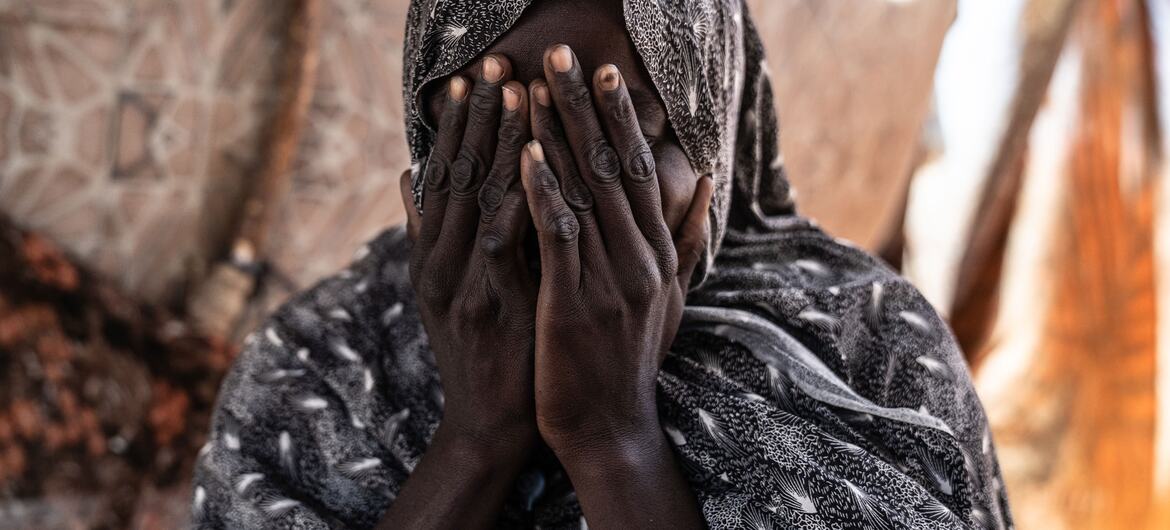
Sudan’s War and the Weapon of Rape
In Darfur, there are reasonable grounds to believe that some acts of sexual violence, committed in the context of a widespread and systematic attack on the civilian population, may amount to...
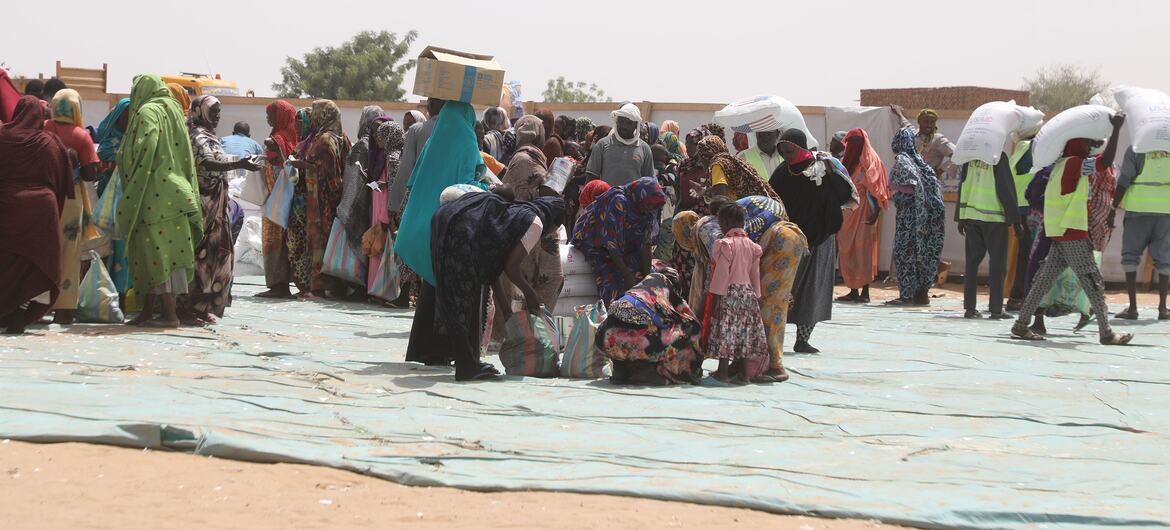
Sudan: Security Council Warns of Mass Atrocity Risk in El Obeid
Council members also raised concern over reports of RSF drone strikes in El Obeid and a broader increase in drone attacks across Sudan by parties to the conflict. They called for all abuses and...






Our Network
Our Channels

© 2026 Al Jazeera Media Network. All rights reserved.