

In South Sudan, Both Sides Are Using Civilians as A Weapon
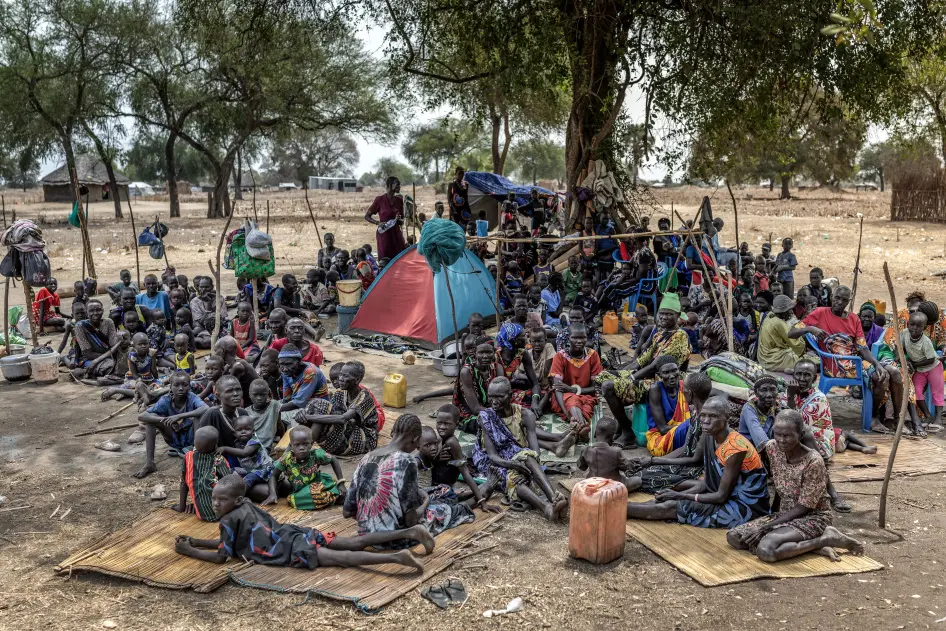
Families gather under a tree at an informal site where displaced people, many from neighboring Jongeli state, have assembled without assistance or shelter at Yolakot informal camp near Mingkaman, Lakes state on February 14, 2026. /HRW© AFP via Getty Images
In international humanitarian law, the forced displacement of civilians is a war crime. In South Sudan, it has become standard operating procedure for both sides of a conflict that has intensified dramatically since late 2025. A new report from Human Rights Watch documents a pattern that is as systematic as it is alarming: military and opposition forces alike have issued sweeping evacuation orders, conducted indiscriminate aerial bombardments, blocked humanitarian access and attacked the infrastructure that aid organisations depend on to keep people alive.
The scale of the crisis is staggering. Since clashes between the South Sudan People’s Defense Forces and the Sudan People’s Liberation Army in Opposition intensified in the northeastern state of Jonglei, at least 280,000 people have been displaced. Many fled government bombardments feared atrocities by one side or the other, or were simply ordered to leave. The orders have not always been followed by protection. In several cases, they were followed by airstrikes.
On December 29, 2025, government forces bombed the town of Lankien in Nyirol county, an opposition-held area. The strike hit the airstrip but also a nearby market, killing 11 civilians and wounding 12 more, including children and elderly residents, according to Médecins Sans Frontières. Six weeks later, on February 3, government bombardments struck an MSF hospital in the same town, injuring a staff member and destroying the warehouse and medical supplies. MSF had provided the coordinates of the hospital to both warring parties.
The evacuation orders issued by government forces have been sweeping in scope. On January 25, the military ordered civilians, aid workers and UN personnel to leave opposition-controlled areas across three counties. On March 6, it ordered the evacuation of Akobo County, home to some 270,000 people, many of whom had already been displaced. Following that order, 110,000 people fled into neighbouring Ethiopia. The opposition has issued its own orders, including a directive in January instructing civilians in Ayod county to leave within 72 hours, and a subsequent order covering Bor, Duk and several surrounding areas.
Under international humanitarian law, parties to a conflict may not order the displacement of civilians unless the security of those civilians, or genuine military necessity, demands it. The orders documented by Human Rights Watch do not appear to meet that threshold. They appear designed, at least in part, to deprive the opposing side of a civilian population that might otherwise provide cover, intelligence or legitimacy. That is not a lawful military objective. It is a war crime.
The obstruction of humanitarian assistance compounds the suffering. In the first two months of 2026, the government imposed a no-fly zone over opposition-held areas, preventing the delivery of critical supplies and blocking the medical evacuation of critically ill patients. Aid organisations have been squeezed from multiple directions: on March 23, an opposition-aligned official warned that agencies accessing government-controlled areas would be treated as government-aligned and lose permission to operate. The following day, a government-allied official ordered those same agencies to relocate to a government town within days. On April 8, five international organisations were given 72 hours to comply or face being treated as hostile to the government.
The human cost of this bureaucratic warfare is tangible. In Nyatim, a town in Nyirol county, approximately 3,000 displaced people who fled violence in Lankien and Pieri are sheltering in swamp areas without food or medical care. MSF reports that at least 58 people died there over a four-week period. Several conflict-affected areas have been identified as being at risk of famine.
“Warring parties should not force people to flee towards further danger and destitution,” said Nyagoah Tut Pur, South Sudan researcher at Human Rights Watch. The observation is unimpeachable. Whether either side is listening is another matter.
Sources: Human Rights Watch, “South Sudan: Both Sides Blocking Aid, Displacing Civilians,” 13 April 2026. Médecins Sans Frontières, field reports, January-March 2026. UN Children’s Fund, incident reports, January-March 2026.
Sudan’s War and the Weapon of Rape
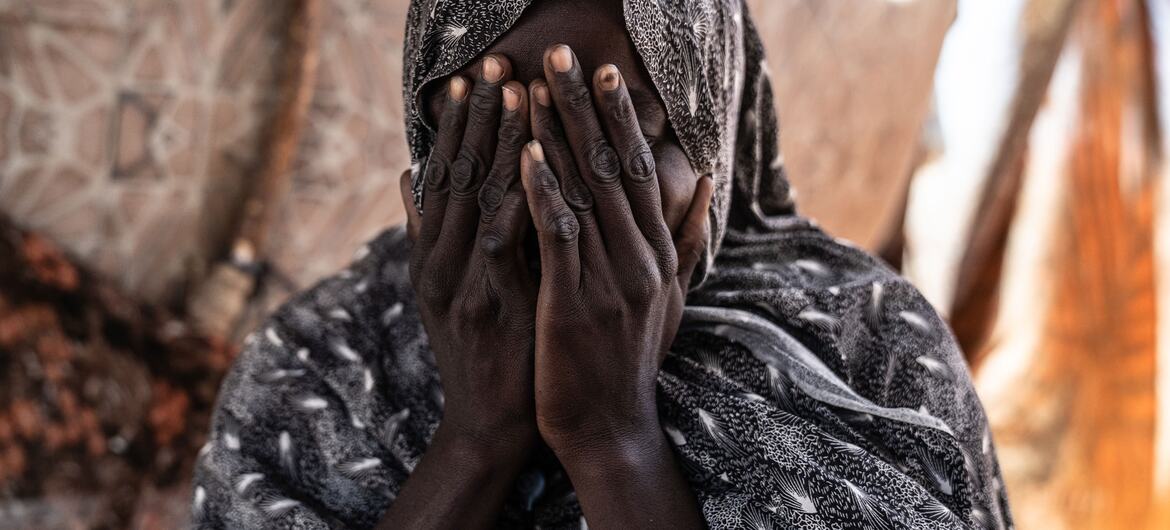
In Darfur, there are reasonable grounds to believe that some acts of sexual violence, committed in the context of a widespread and systematic attack on the civilian population, may amount to...
Sudan: Security Council Warns of Mass Atrocity Risk in El Obeid
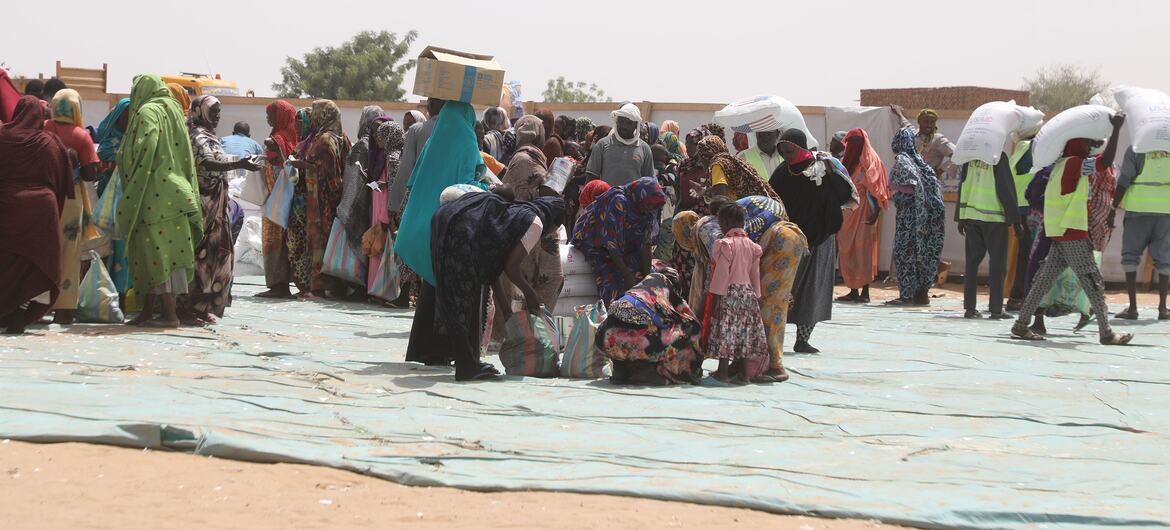
Council members also raised concern over reports of RSF drone strikes in El Obeid and a broader increase in drone attacks across Sudan by parties to the conflict. They called for all abuses and...



Our Network
Our Channels

© 2026 Al Jazeera Media Network. All rights reserved.