

In Gaza and Iran, the Health Toll of War Deepens
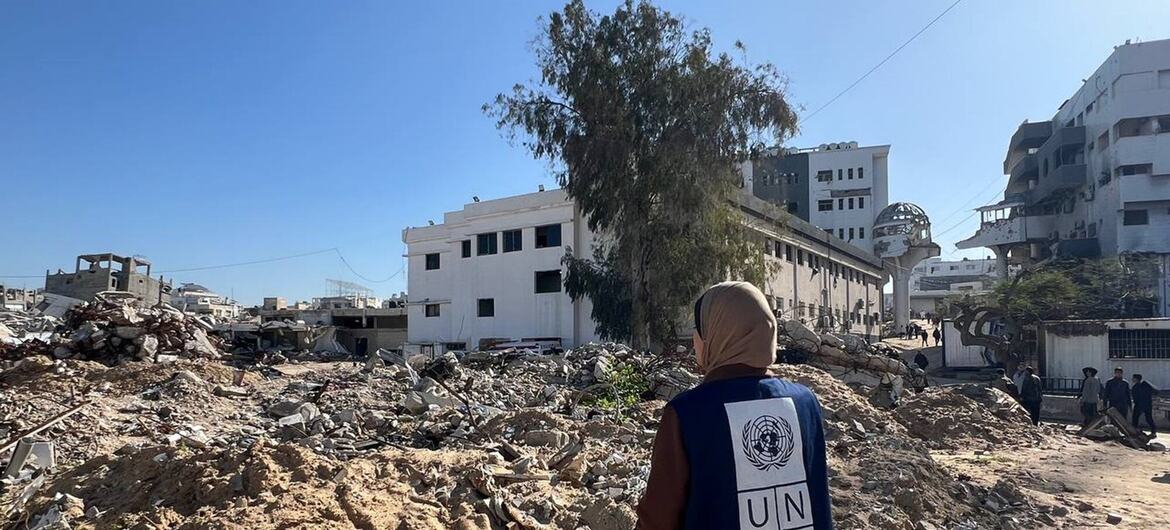
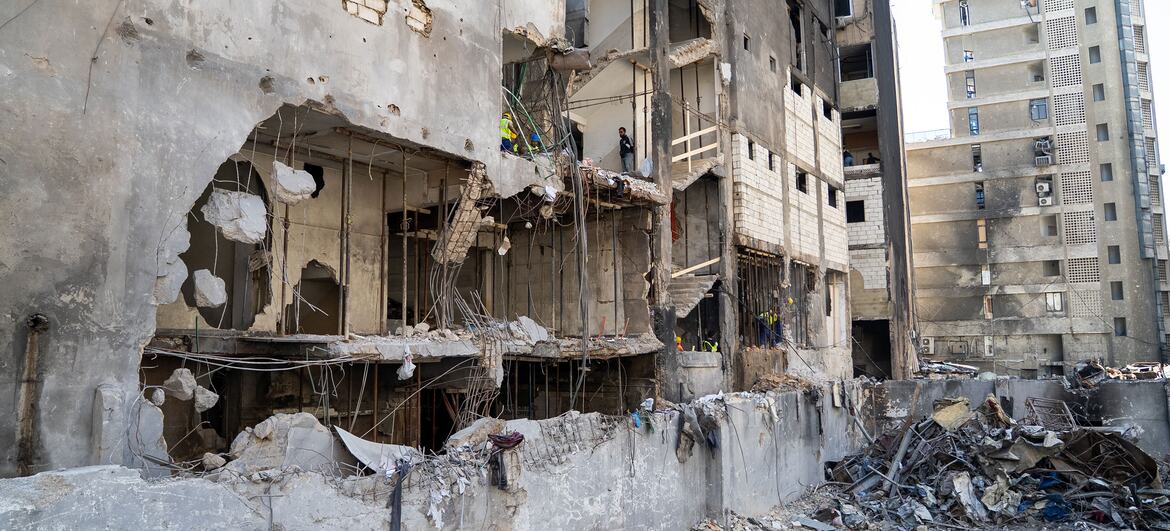
© UNDP PAPP A UN Development Programme worker surveys damage at Al-Shifa Hospital in Gaza City.
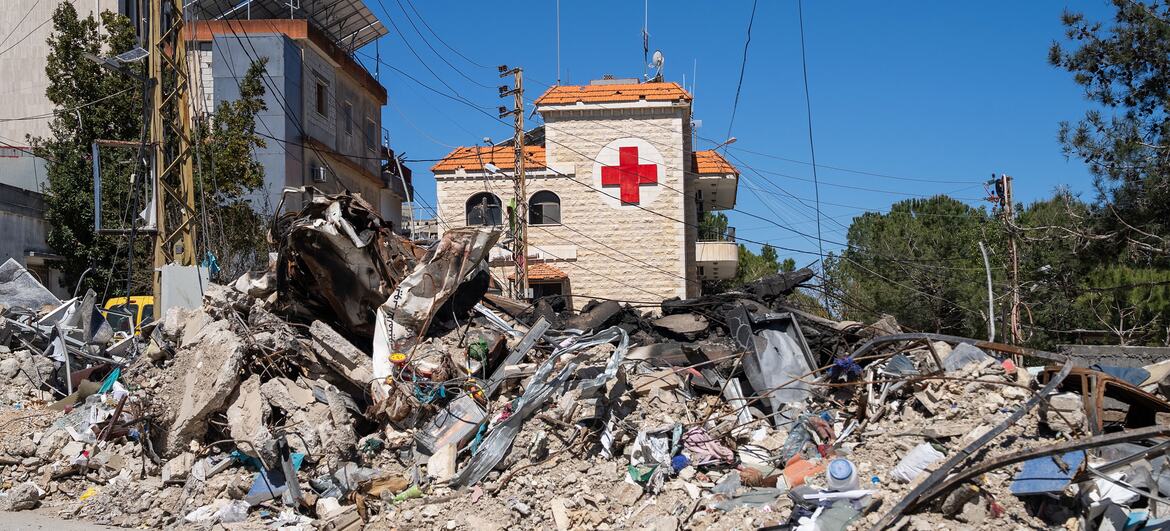
A ceasefire announced earlier in April 2026 brought relief, but conditions in Gaza remain desperate. More than 1,800 health facilities have been partially or completely destroyed, according to the World Health Organisation, ranging from major hospitals such as Al-Shifa in Gaza City to smaller clinics, pharmacies, and laboratories. More than 17,000 cases of rodent-linked infections have been reported since January 2026 among Gaza’s displaced population. More than 80% of displacement sites report skin infections such as scabies, lice and bed bugs. Demining experts from the UN Mine Action Service warned on April 24th that they have barely scratched the surface in assessing the level of unexploded ordnance contaminating the rubble.
In Iran, damage from Israeli American bombing before the extended ceasefire has left hundreds of health facilities damaged or destroyed, according to the International Federation of Red Cross and Red Crescent Societies. The IFRC factory that supplies 60% of Iran’s dialysis filters has enough raw materials to continue production for only three months. Cristhian Cortez Cardoza, the IFRC’s Deputy Regional Director for the Middle East and North Africa, warned on April 24th that a ceasefire does not mean the conflict is over, and that the consequences of weeks of intense fighting will be felt for months and years to come.
The language of conflict tends to focus on military objectives, frontlines, and ceasefires. The language of public health tells a different story, one that unfolds more slowly and with less drama but with no less severity. In Gaza, the destruction of health infrastructure did not begin with the latest escalation. It has been accumulating for months, each strike on a clinic or hospital removing another layer of a system that was already fragile before the war intensified. What remains is a patchwork of partially functional facilities attempting to serve a population that is malnourished, traumatised and living in conditions that epidemiologists associate with the diseases of the 19th century rather than the 21st.
Rodent-linked infections and parasitic skin diseases of the kind now spreading through displacement sites are, under normal circumstances, easily preventable and readily treated. In Gaza today, neither prevention nor treatment is straightforward. Supply chains for basic medicines have been disrupted. Clean water is scarce. The density of displaced people in temporary shelters creates ideal conditions for transmission. Health workers, many of whom have themselves been displaced or bereaved, are attempting to manage caseloads that would overwhelm well-resourced systems in stable countries.
Iran’s medical crisis is quieter but no less urgent. Dialysis is not a luxury; for patients with kidney failure, it is a lifeline that must be administered several times a week without interruption. The IFRC factory at the centre of the supply chain is still operating, but the clock is running. Three months is not a long time in which to identify alternative suppliers, negotiate contracts, arrange logistics and deliver equipment to a country whose import channels have been complicated by both conflict damage and sanctions. If the supply runs out before a solution is found, the consequences for thousands of patients will be severe and, in many cases, fatal.
The broader lesson, if one is needed, is that the humanitarian consequences of modern warfare extend far beyond the immediate deaths and injuries that define the public accounting of any conflict. The destruction of a dialysis factory, the contamination of rubble with unexploded ordnance, the spread of scabies through a displacement camp: none of these makes headlines in the way that military operations do. All of them will shape the lives, and in some cases determine the deaths, of civilians long after the guns fall silent.
Sources: WHO; UNMAS; IFRC; UN Office for the Coordination of Humanitarian Affairs
Sudan’s War and the Weapon of Rape
In Darfur, there are reasonable grounds to believe that some acts of sexual violence, committed in the context of a widespread and systematic attack on the civilian population, may amount to...
Ebola’s Fastest Spread on Record
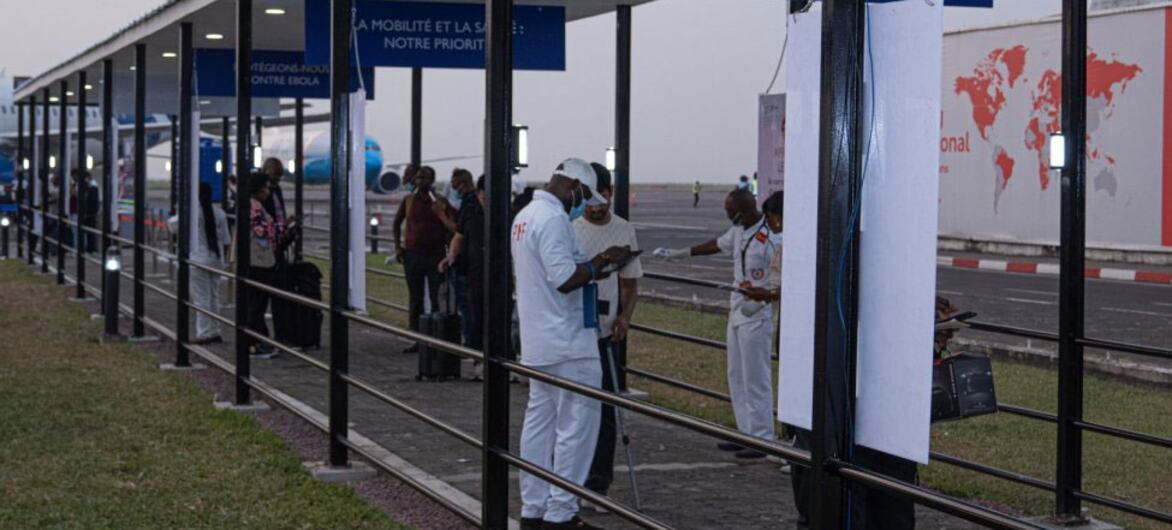
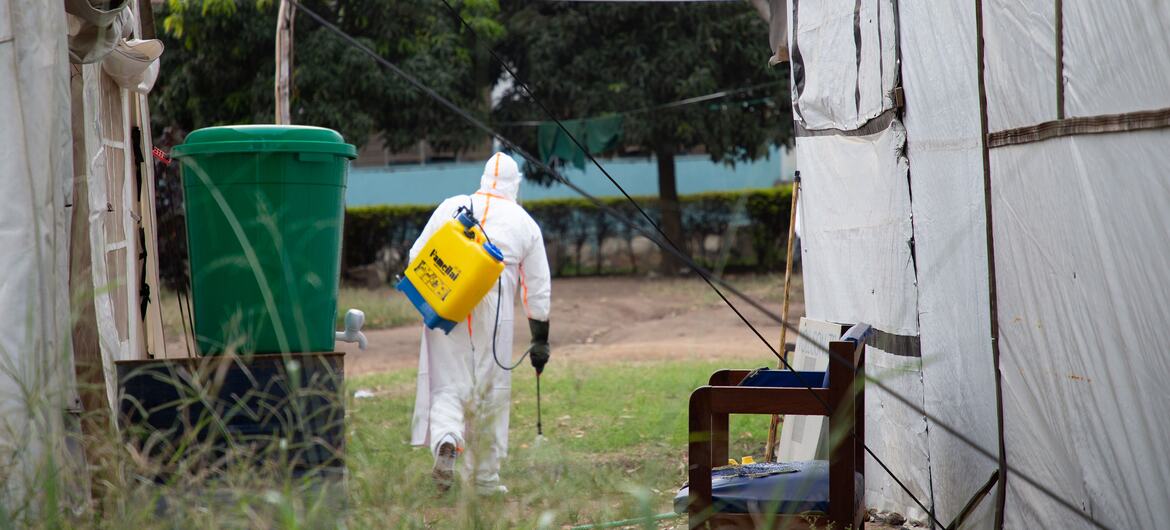
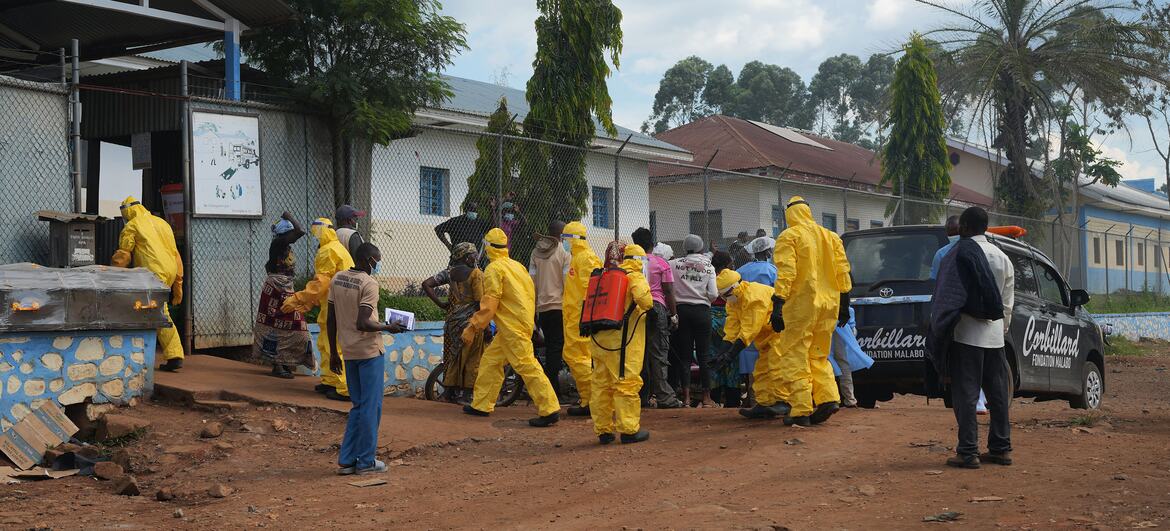
The outbreak is centred on areas were people cross borders daily, making cross-border surveillance essential. Ugochi Daniels, Deputy Director General for Operations at the International...
- Most Viewed
- Most Popular


Our Network
Our Channels

© 2026 Al Jazeera Media Network. All rights reserved.