

The Virus That Keeps Returning
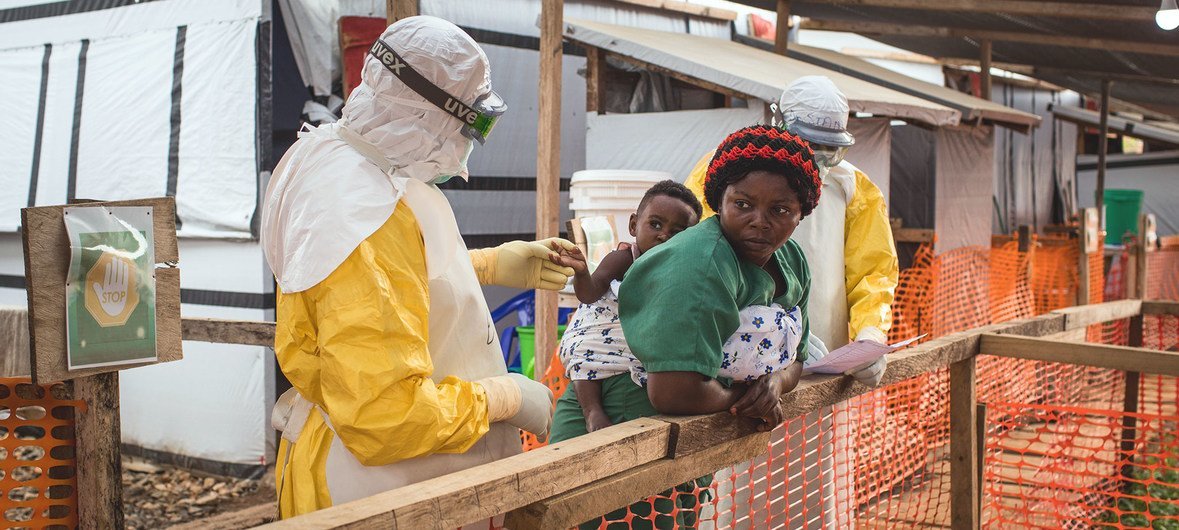
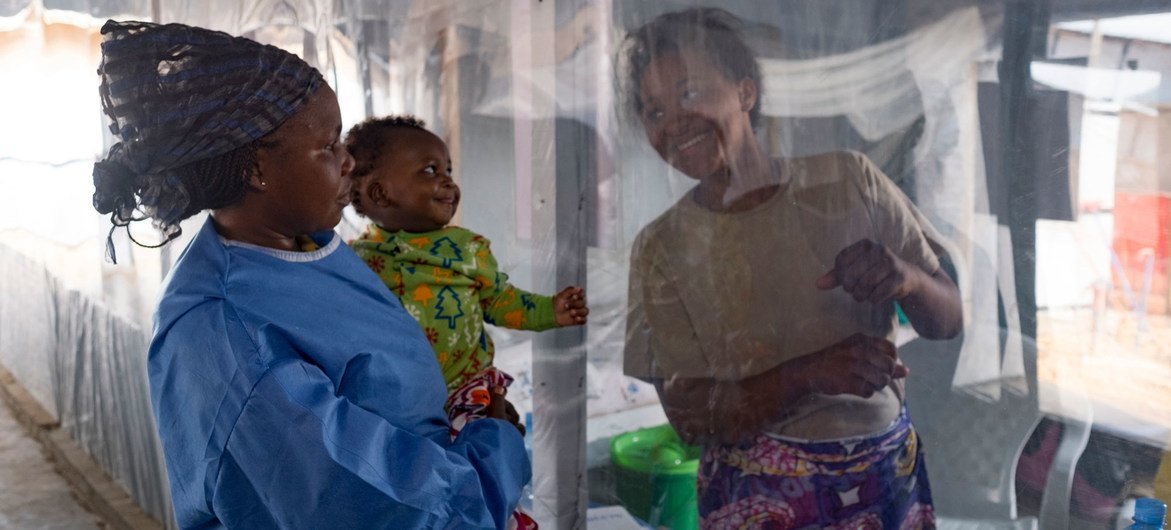
UNICEF/Vincent Tremeau A health worker checks a child for Ebola during an earlier outbreak in DR Congo (file, 2019)
The Democratic Republic of the Congo has once again become the epicentre of an Ebola outbreak serious enough to alarm the world. On Sunday, WHO director-general Tedros Ghebreyesus declared the situation a Public Health Emergency of International Concern, the organisation’s highest alert short of a pandemic emergency. As of May 16th, eight laboratory-confirmed cases and 246 suspected cases had been recorded in Ituri Province in eastern DRC, with 80 suspected deaths. Cases have also appeared in Kinshasa and, more worryingly, in Uganda, where two infected individuals who had crossed from the DRC were admitted to intensive care.
The outbreak involves the Bundibugyo strain of the virus, for which no approved vaccines or specific treatments currently exist. That makes containment harder and research more urgent. The WHO believes the true scale of the outbreak is larger than current figures suggest, pointing to clusters of unexplained deaths, a high rate of positive tests and at least four deaths among healthcare workers. High population mobility, active trade networks and chronic humanitarian strain in the region increase the risk of further spread to neighbouring countries.
Despite the severity of the situation, the WHO is not recommending restrictions on international travel or trade, preferring instead to strengthen surveillance and community engagement. An Emergency Committee will be convened to advise on next steps. For a region that has suffered repeated outbreaks, the latest crisis is a reminder that investment in health infrastructure remains the most reliable form of prevention.
Source: UN News, 17 May 2026
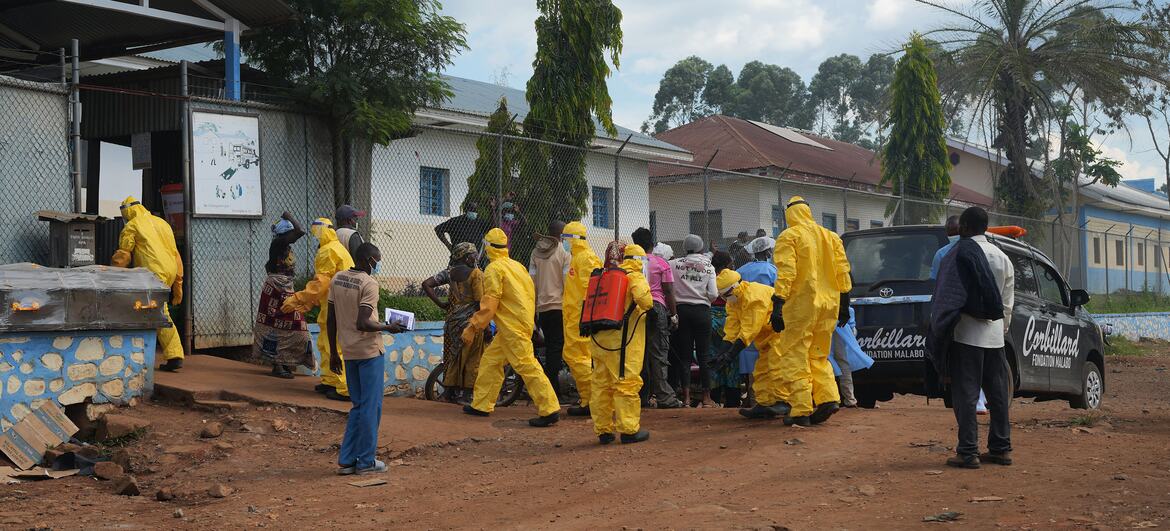
Ebola in DR Congo: One Month On, Scaled-Up Response Remains Insufficient
When a suspected case is reported in a community, an investigation team is immediately dispatched. If the alert is confirmed, the patient is referred to a transit centre to await laboratory...
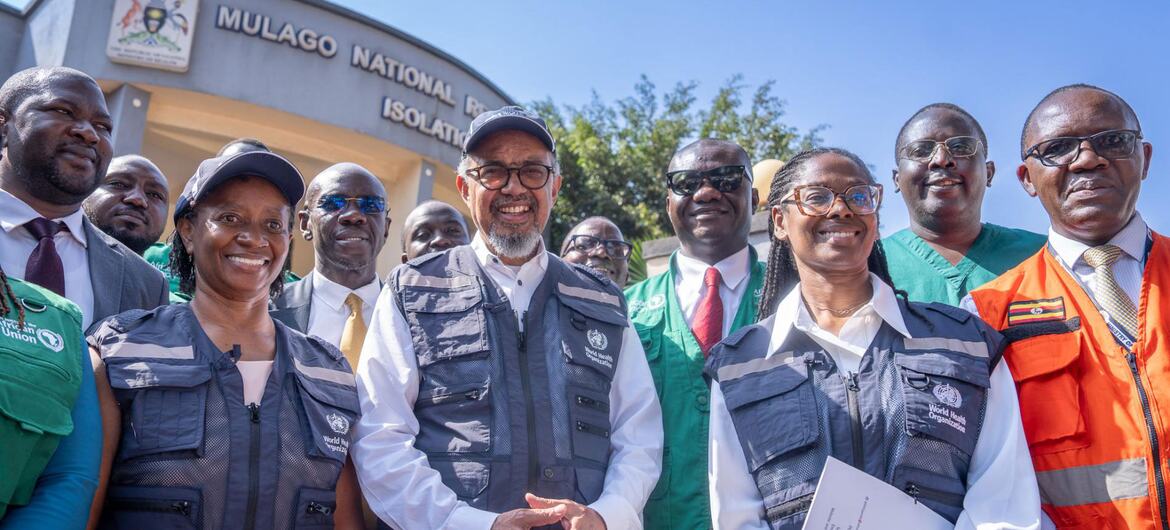
Uganda Contains Ebola, but Cross-border Risks Remain
The World Health Organisation’s director-general, Tedros Adhanom Ghebreyesus, visited Uganda as part of a regional assessment mission and described the country’s response as robust....
- Most Viewed
- Most Popular





Our Network
Our Channels

© 2026 Al Jazeera Media Network. All rights reserved.