

Ebola And the Limits of Preparedness
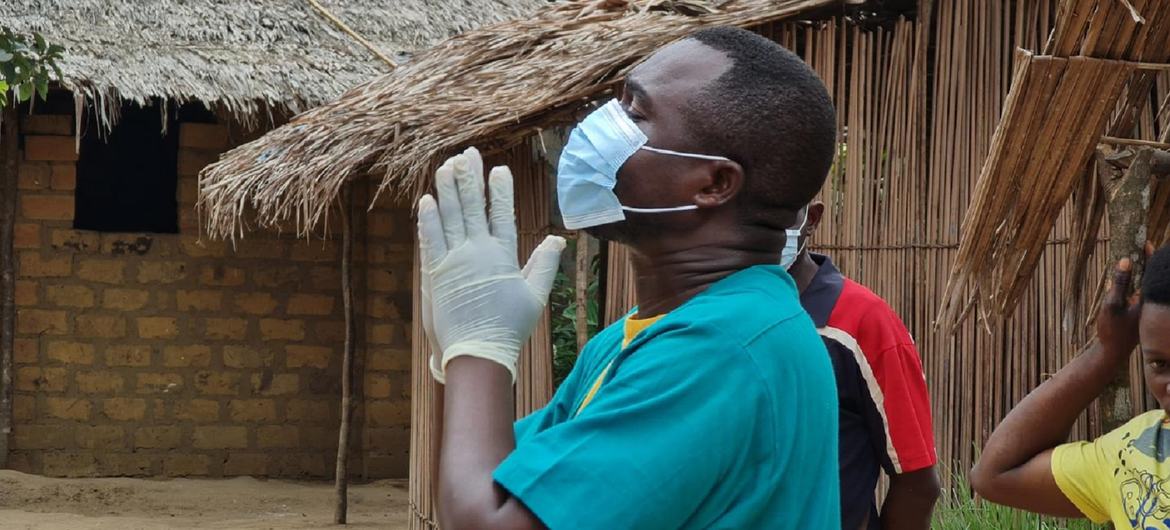
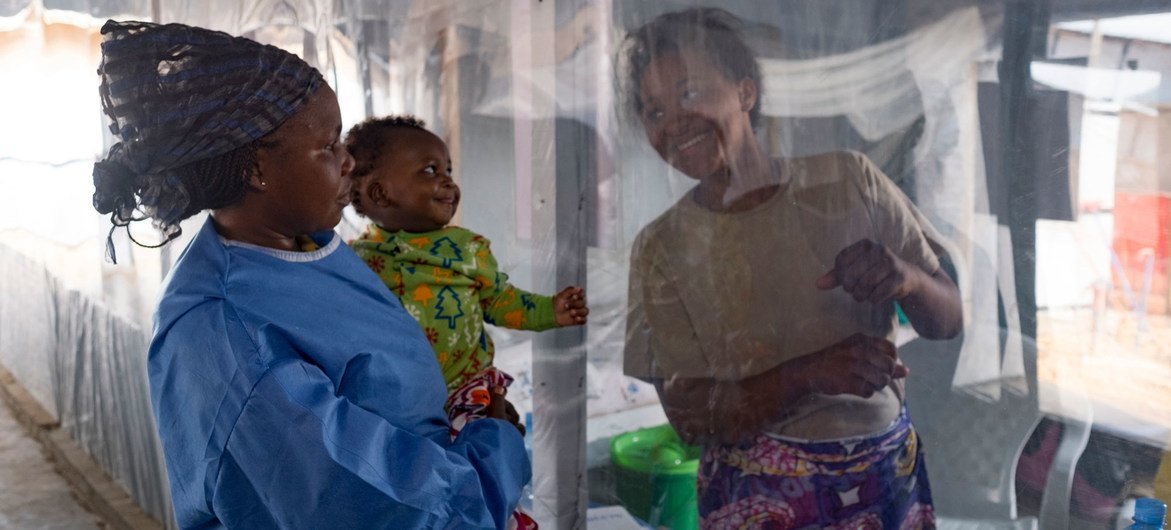
WHO A health worker in Motema Pembe area prepares for a household decontamination in Mbandaka, Democratic Republic of the Congo
The world remains dangerously ill-equipped to contain fast-moving infectious diseases, the head of the World Health Organisation (WHO) warned as the 79th World Health Assembly drew to a close in Geneva on May 23rd. Tedros Adhanom Ghebreyesus pointed to recent outbreaks of Ebola and hantavirus as evidence that vulnerability persists despite years of pledges to do better.
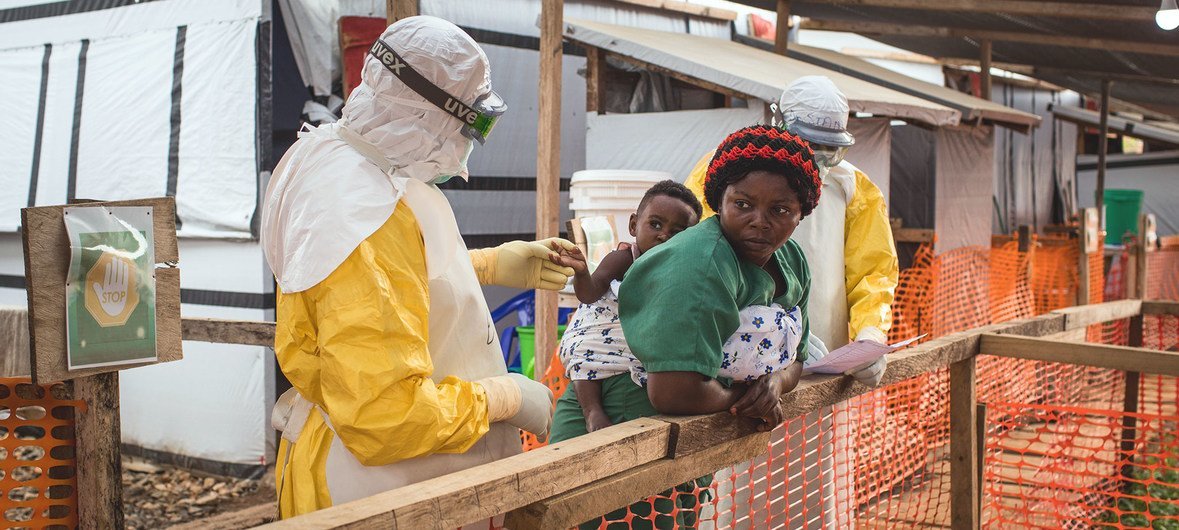
His remarks coincided with confirmation from Ugandan authorities of three new cases of the Bundibugyo strain of Ebola, a particularly alarming variant for which neither a cure nor a vaccine exists. The newly confirmed cases include a Ugandan health worker, a driver and a Congolese national who had travelled from Ituri Province in the neighbouring Democratic Republic of the Congo (DRC) seeking medical care. That brings Uganda’s total confirmed cases of Bundibugyo Ebola to five.
WHO has been working alongside the Africa Centres for Disease Control and Prevention and other partners in both countries to contain the outbreak and support affected populations. On May 22nd, WHO raised its national risk assessment for the DRC to “very high”, though the global risk is currently assessed as low.
Borders as barriers and bridges
In Kampala, WHO convened a two-day ministerial meeting on cross-border coordination, bringing together health ministers from Uganda, the DRC and South Sudan. Dr Marie Roseline Belizaire, WHO Africa’s director of emergency preparedness and response, told ministers that stronger surveillance systems and sustained collaboration across borders are not optional. Delays, she cautioned, cost lives.
The gathering reflected a broader anxiety running through the Geneva assembly: that international frameworks for health cooperation remain fragile. Tedros urged member states to increase their assessed financial contributions so that WHO can remain financially independent and capable of leading responses to future emergencies. Without reliable funding, he implied, even the best-designed agreements risk becoming aspirational documents.
Resolutions and their limits
The assembly closed with member states adopting resolutions on tuberculosis control, stroke prevention, neglected tropical diseases, precision medicine, pharmacovigilance and several other priorities. Countries also agreed to reform global health governance through a WHO-hosted process intended to improve coordination during crises.
Yet leaders were candid about the gap between resolutions and reality. The success of any agreement, they acknowledged, depends on what happens at the country level: investing in resilient health systems, expanding vaccine access, improving community engagement and securing sustainable financing. Countries were also urged to finalise and implement the Pandemic Agreement and its annex on pathogen access and benefit-sharing, a long-delayed effort to ensure that the benefits of global health cooperation are distributed more equitably.
Tedros closed the assembly with a remark that doubled as a rebuke to complacency. “Every nation is healthier and safer,” he said, “when all nations are healthier and safer.”
Sources
Assumpta Masoi, “WHO chief calls for urgent Ebola action and pandemic preparedness,” UN News, May 23rd, 2026. https://news.un.org/en/news/topic/health
WHO Director-General’s closing remarks at the 79th World Health Assembly, May 23rd, 2026. https://www.who.int/news-room/speeches/item/who-director-general-s-closing-remarks-at-the-79th-world-health-assembly—-23-may-2026
WHO, “Countries make progress on WHO Pandemic Agreement annex on pathogen access and benefit-sharing system,” November 7th, 2025. https://www.who.int/news/item/07-11-2025-countries-make-progress-on-who-pandemic-agreement-annex-on-pathogen-access-and-benefit-sharing-system
WHO Uganda, social media post on ministerial address, May 2026. https://x.com/WHOUganda/status/2058148589524631888
UN News, “WHO raises DRC Ebola risk to very high,” May 22nd, 2026. https://news.un.org/en/story/2026/05/1167575
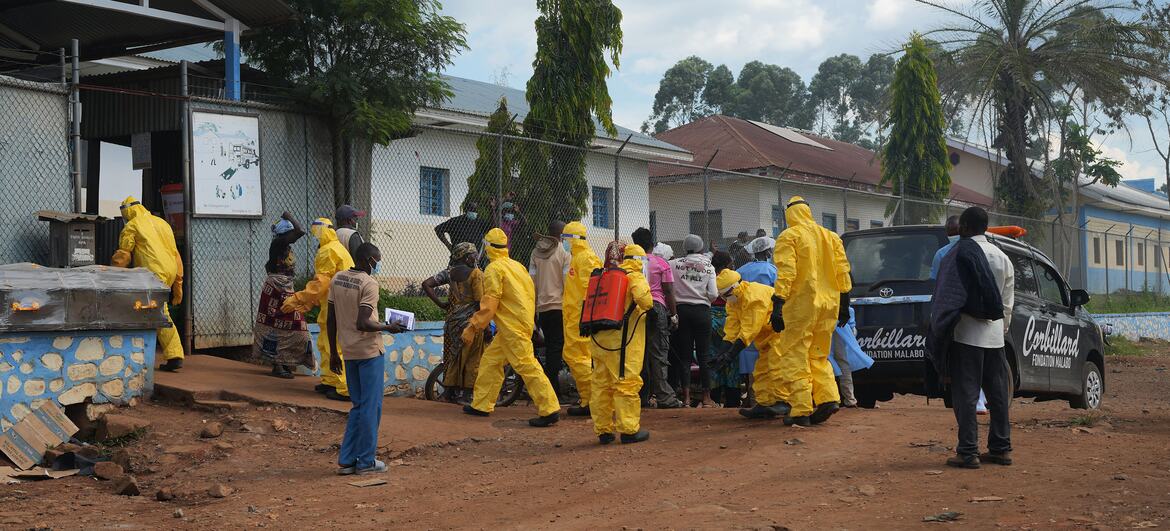
Ebola in DR Congo: One Month On, Scaled-Up Response Remains Insufficient
When a suspected case is reported in a community, an investigation team is immediately dispatched. If the alert is confirmed, the patient is referred to a transit centre to await laboratory...
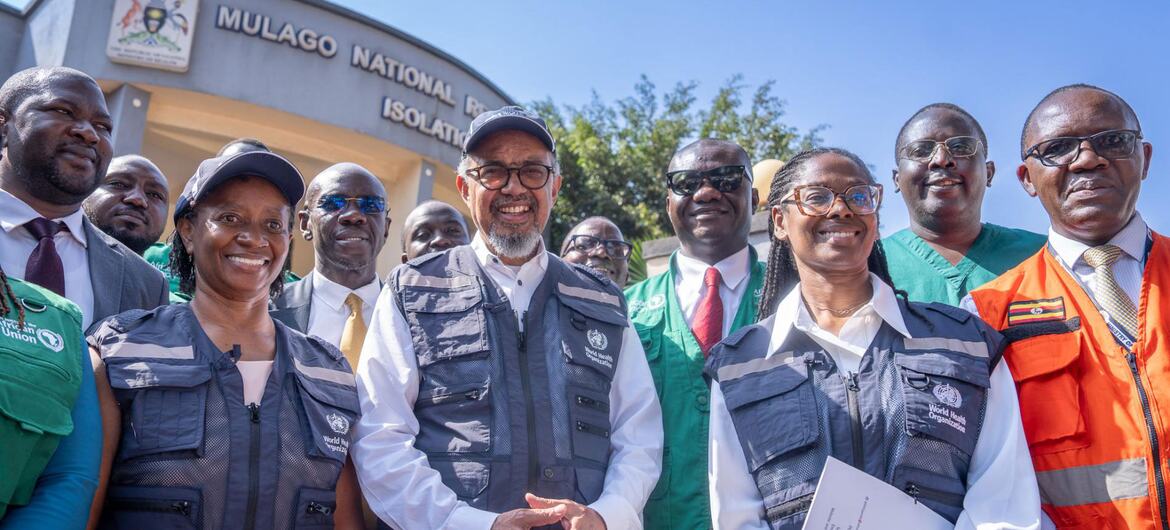
Uganda Contains Ebola, but Cross-border Risks Remain
The World Health Organisation’s director-general, Tedros Adhanom Ghebreyesus, visited Uganda as part of a regional assessment mission and described the country’s response as robust....
- Most Viewed
- Most Popular





Our Network
Our Channels

© 2026 Al Jazeera Media Network. All rights reserved.