

Ebola in DR Congo: One Month On, Scaled-Up Response Remains Insufficient
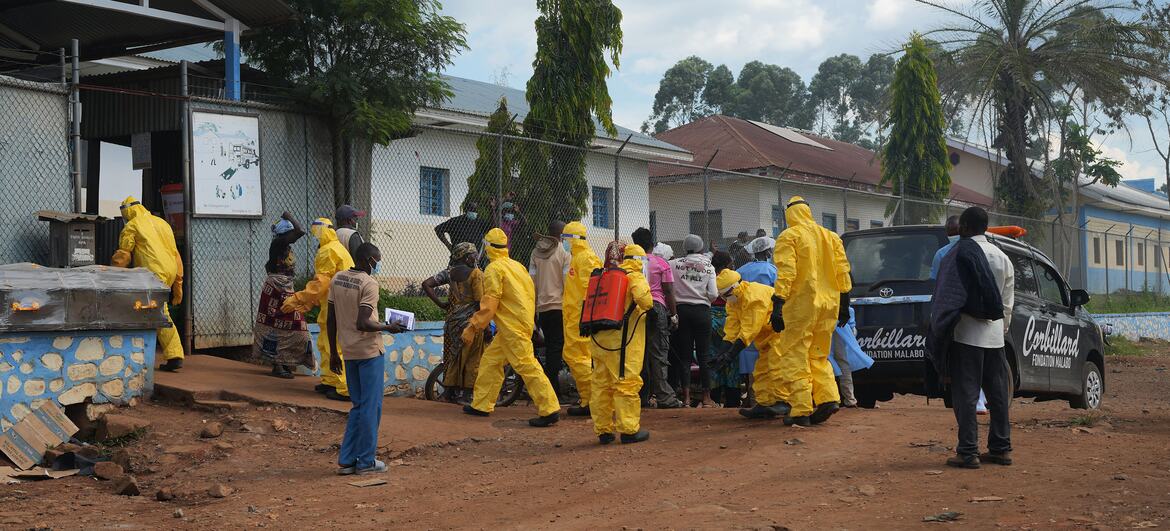
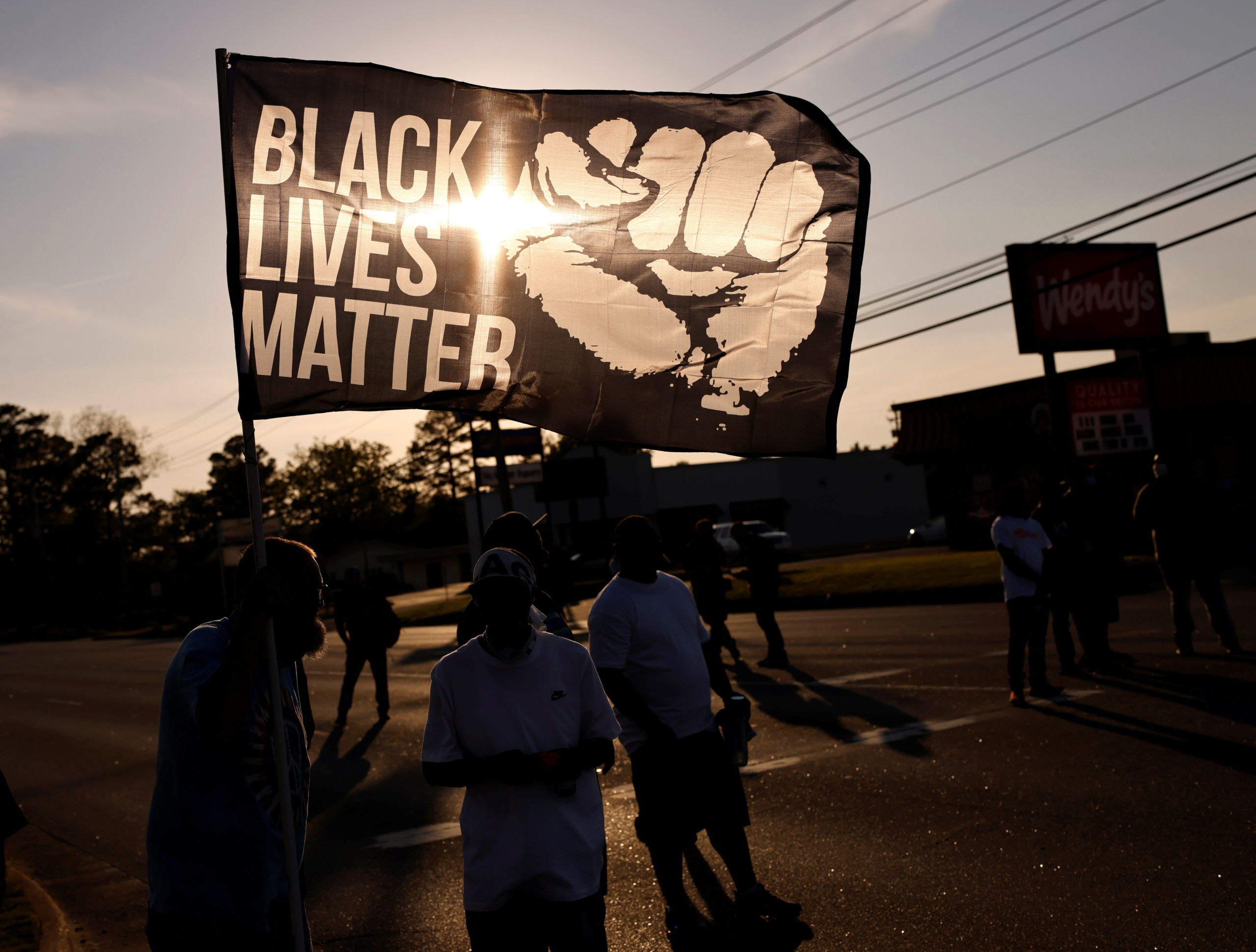
Archive/Al Jazeera.
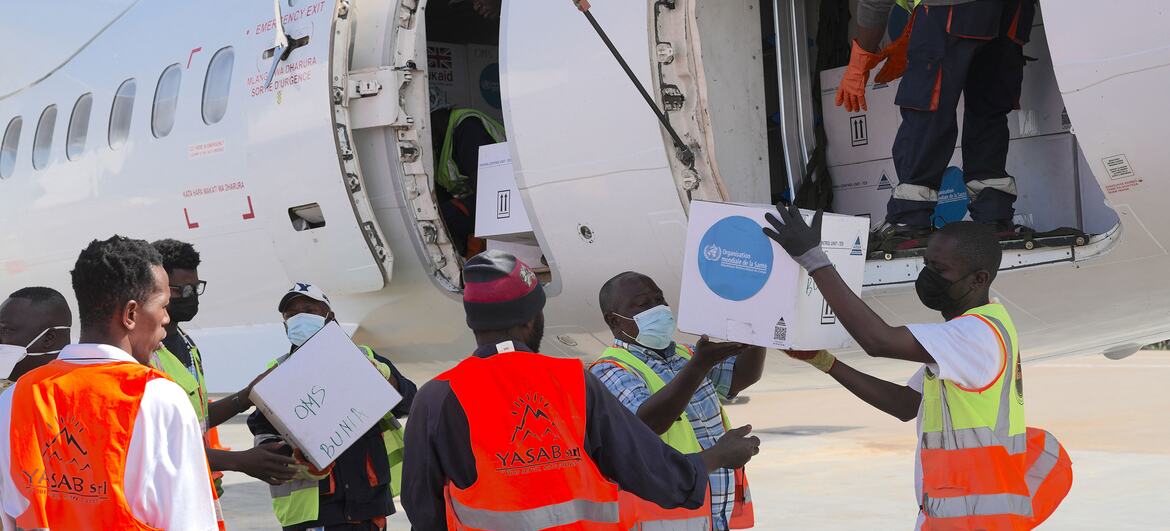
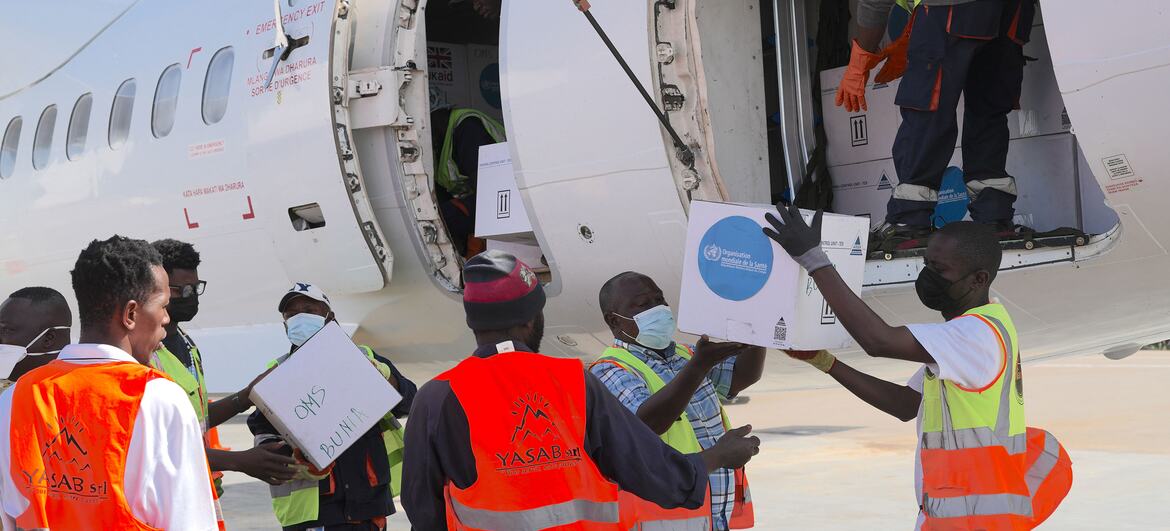
One month after the Bundibugyo Ebola outbreak was declared in the Democratic Republic of the Congo and Uganda, case numbers continue to rise. The DRC has recorded more than 780 confirmed cases and 180 deaths; Uganda has recorded 19 confirmed cases, including two deaths. Despite a significant expansion of the response, the World Health Organisation believes efforts remain far below what is needed to bring the outbreak under control.
“On a scale of zero to ten, compared with where this response needs to be, I would say we are at about three or four,” said Dr Rose Belizaire, Emergency Response Lead at WHO Africa. “The outbreak is evolving rapidly, and all partners need to step up their efforts on the ground in order to keep pace with the evolution of this epidemic.”
Eleven Pillars
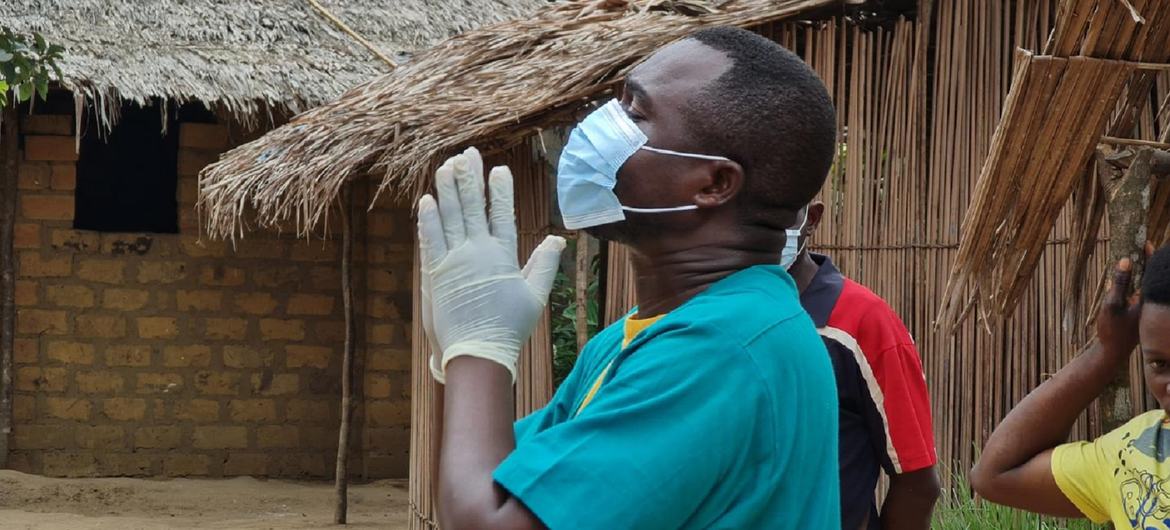
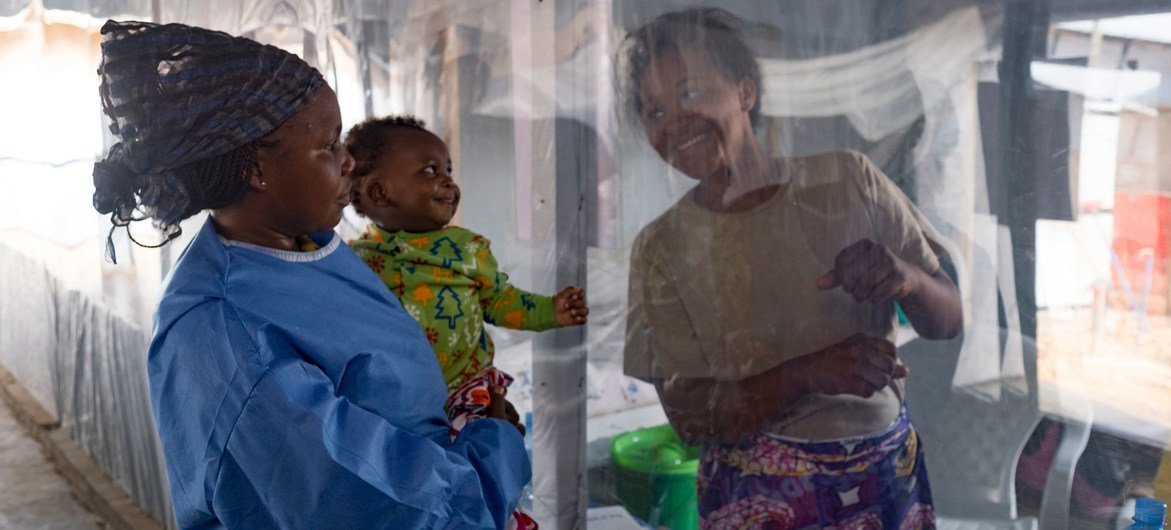
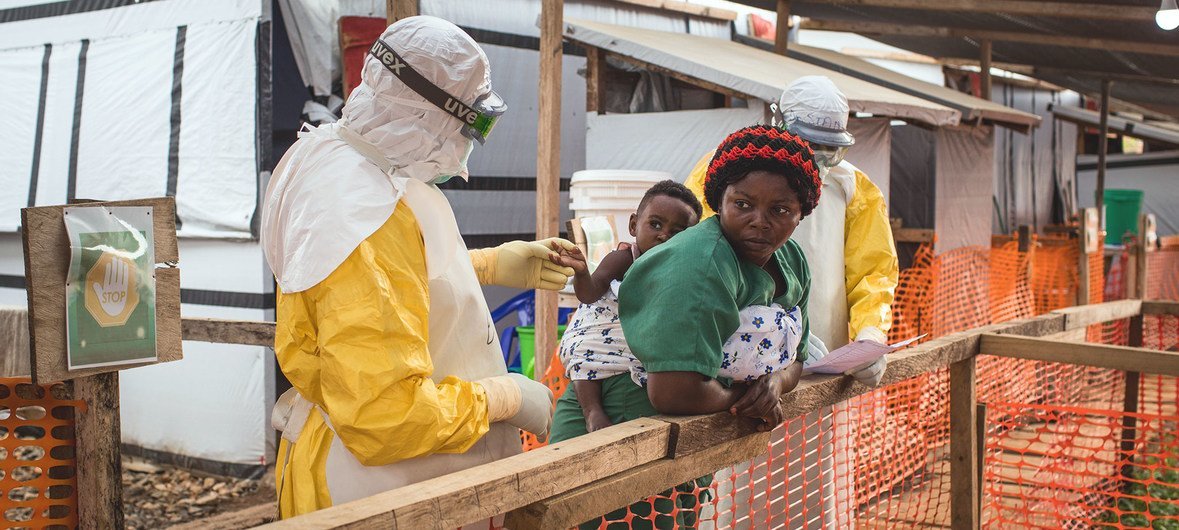
When a suspected case is reported in a community, an investigation team is immediately dispatched. If the alert is confirmed, the patient is referred to a transit centre to await laboratory results before being transferred, if necessary, to a treatment centre. Some 400 beds are now available and four laboratories are operational, two of which can process nearly 1,000 samples a day.
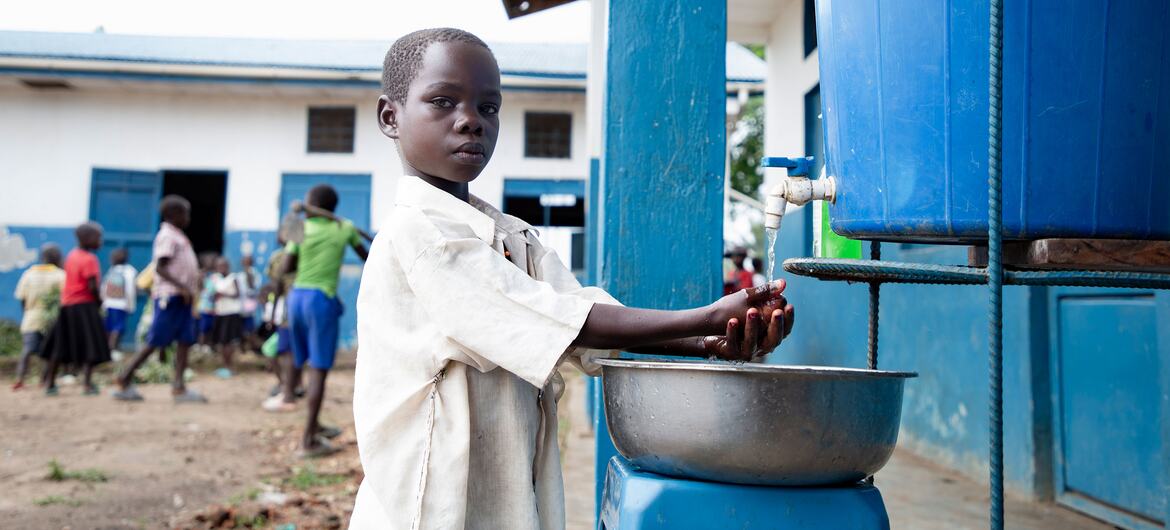
The response is organised around 11 pillars: community surveillance, investigation teams, transit centres, laboratories, treatment centres, infection prevention and control, data management and extensive support for patients, their families and those exposed to the virus. “We now have psychosocial support and nutritional support that provide assistance to confirmed patients, their families and the contacts we are monitoring, so that we can take a holistic approach to this outbreak,” Dr Belizaire said. Contacts receive food rations; hospitalised patients receive three hot meals a day. Infection prevention and control measures, including disinfection and the destruction of contaminated items, complete what Dr Belizaire describes as “an entire machinery that has to be put in place.”
Expertise Without Means
During a visit to Beni, one of the hardest-hit areas, Dr Belizaire found local teams technically prepared but materially constrained. “They know what needs to be done. They also have the technical expertise,” she said. “What they were really missing were the means. They lacked human resources, and they also lacked the logistical support required to put in place a robust response.”
A Shifting Demographic
The outbreak is also evolving demographically. At its outset, men aged 20 to 49 were the most affected group. Today, women represent the most affected category, while cases among children are increasing. For Dr Belizaire, the shift is unsurprising: “In outbreaks of infectious diseases, women are generally the most affected. They are the ones who care for family members, their husbands, their parents and their children.”
A Porous Border
The outbreak’s geographic spread reflects the realities of a porous border region between Aru in the DRC and Arua in Uganda, where populations share language, family ties and daily commercial exchange. “When you look at the border, you do not really see a dividing line or a difference between the populations,” Dr Belizaire observed. The two countries have agreed to deploy joint teams along the border, strengthen laboratory capacity and establish a jointly managed treatment centre to bring care closer to communities on the Congolese side, reducing the need to travel to Uganda for treatment.
WHO is also adapting the response to the distinct concerns of different community groups. Entrepreneurs worry about the economic impact of the outbreak; motorcycle taxi drivers, who provide much of the transportation in affected areas, are among those most exposed. “An outbreak always occurs in a specific context. We therefore have to adapt the response to the real needs of communities and to the realities of their movements,” Dr Belizaire said.
Her work has also produced more personal encounters. A WHO colleague tracked her down during a meeting this week to thank her for saving his life during a previous Ebola outbreak. Now working as an epidemiologist, he had also been among the first to raise the alarm in the current crisis, after a pastor informed him that a body had been bleeding from the nose and mouth at a funeral in Aru. “This may be my best paycheck this week,” said Dr Belizaire. “To see people whose lives we helped save becoming my colleagues and working in the same organisation as me.”
Uganda Contains Ebola, but Cross-border Risks Remain
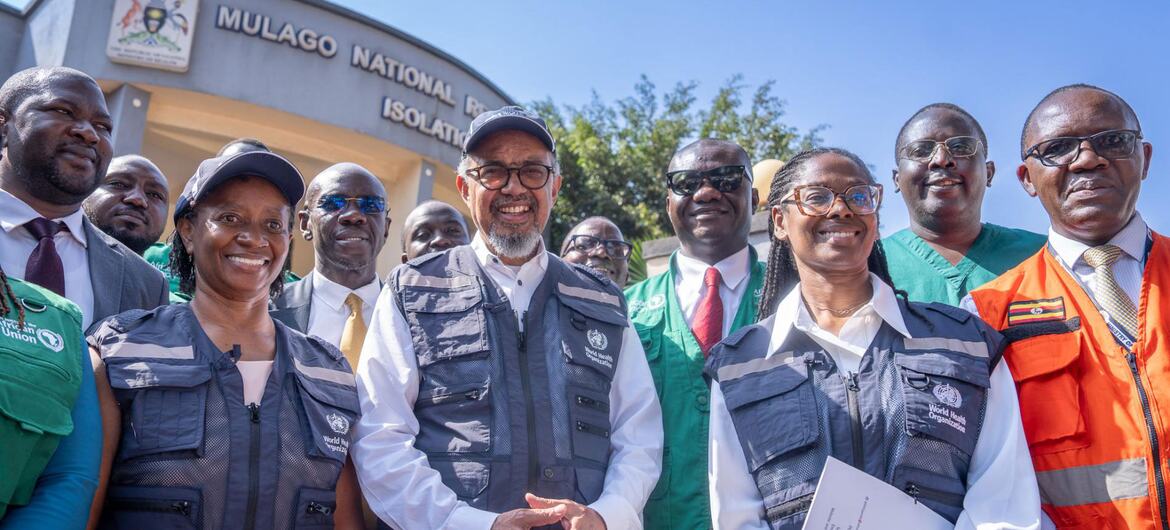
The World Health Organisation’s director-general, Tedros Adhanom Ghebreyesus, visited Uganda as part of a regional assessment mission and described the country’s response as robust....
Ebola’s Untreatable Strain Spreads Through Eastern Congo
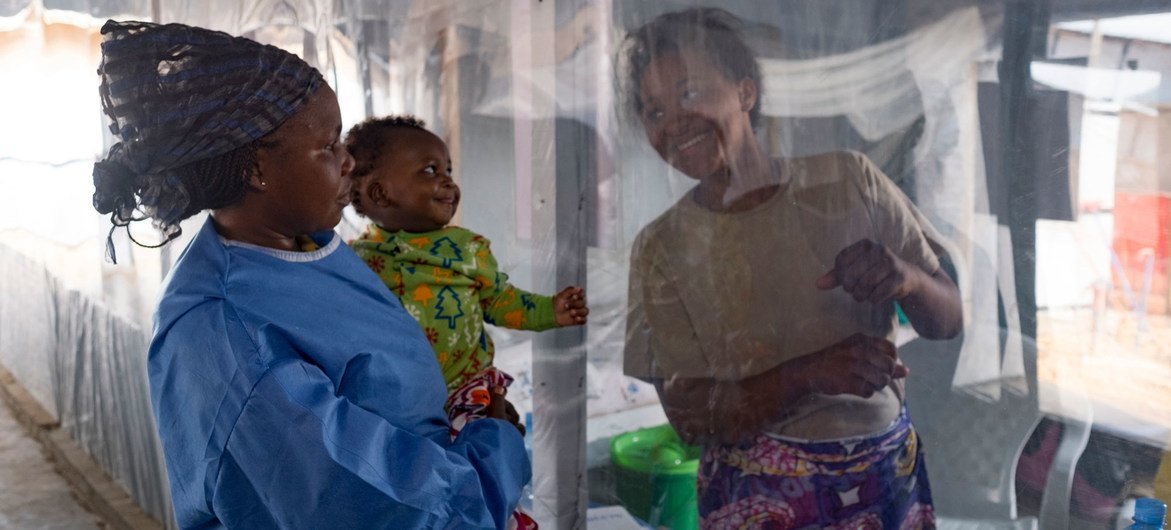
The outbreak, officially declared on May 15th, is caused by the Bundibugyo strain, one of the rarest and most poorly understood variants of the Ebola virus. Three candidate vaccines are under...
- Most Viewed
- Most Popular




Our Network
Our Channels

© 2026 Al Jazeera Media Network. All rights reserved.