
When Medicine Becomes a Casualty

Two and a half years after the conflict in Gaza began, the World Health Organisation has delivered a verdict that leaves little room for diplomatic interpretation: not a single hospital in the territory is fully functional. In the north, none are operating at all.
The figures presented to the World Health Assembly on May 21st are stark. More than 72,000 people have been killed and 182,000 injured since October 2023. In 2025 alone, nearly 26,000 additional deaths were recorded. A ceasefire declared in October of that year did not stop civilians from dying, did not restore health services, and did not meaningfully ease the restrictions on humanitarian access that have defined this conflict from the outset.
The collapse of Gaza’s health system is not incidental to the fighting. It is, by any measurable standard, one of its defining features. More than half of essential medicines are out of stock. Thousands of patients require urgent medical evacuation. Infectious diseases spread through overcrowded and unsanitary conditions. Maternal and neonatal mortality risks are rising sharply. Mental health needs, in a population that has endured sustained trauma for years, are described as overwhelming.
The figures from the West Bank compound the picture. The Palestinian Authority’s financial crisis has reduced public hospitals to providing emergency services only, while escalating violence and movement restrictions worsen access to routine care. In 2025, one in every three verified attacks on healthcare facilities worldwide took place in the occupied Palestinian territory. That proportion is not a statistical anomaly. It is a pattern.
WHO and its partners have continued to operate under conditions that would challenge any humanitarian organisation. The agency appealed for 648 million dollars to fund its 2025 health response. More than three quarters of that sum remained unfunded. Despite this, WHO supported the delivery of over 4,000 metric tonnes of emergency medical supplies into Gaza and facilitated fuel deliveries that prevented what remained of the health system from collapsing entirely.
The agency is candid about the limits of what operational ingenuity can achieve. Political statements, it noted pointedly, cannot sustain humanitarian operations. What is required is protection for health workers and facilities, sustained access for aid, the removal of restrictions on medical supplies and emergency teams, and the restoration of referral routes from the West Bank.
There is a temptation, in covering conflicts of this duration, to allow accumulating numbers to blunt their meaning. The WHO’s statement resists that temptation. Palestinians, it concludes, need more than expressions of concern. They need protection, access, recovery, and peace. The distance between those needs and present reality is the true measure of this crisis.
Sources: World Health Organisation Eastern Mediterranean Regional Office (WHO EMRO), statement delivered to the World Health Assembly, May 21st, 2026.
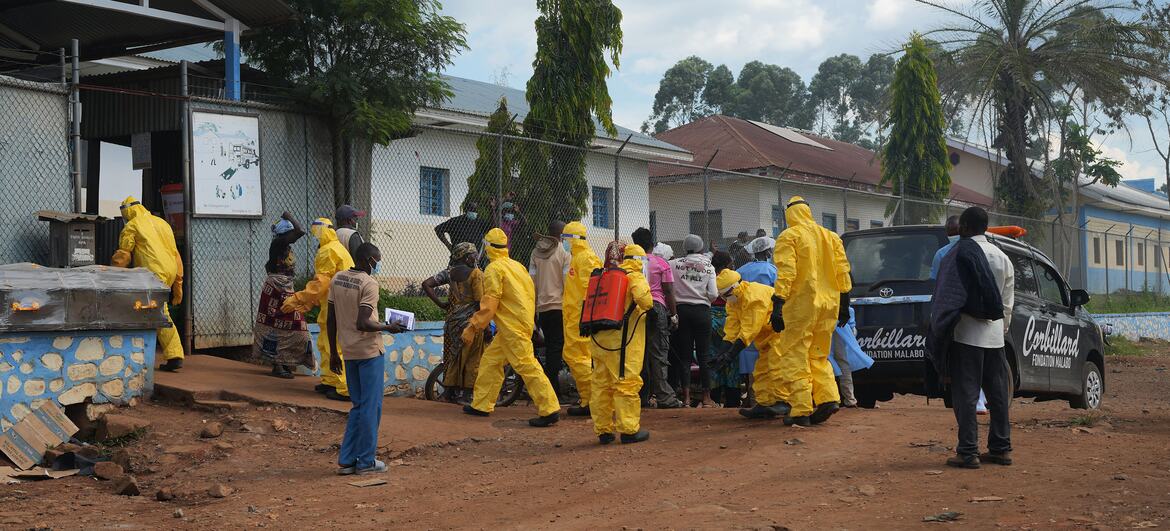
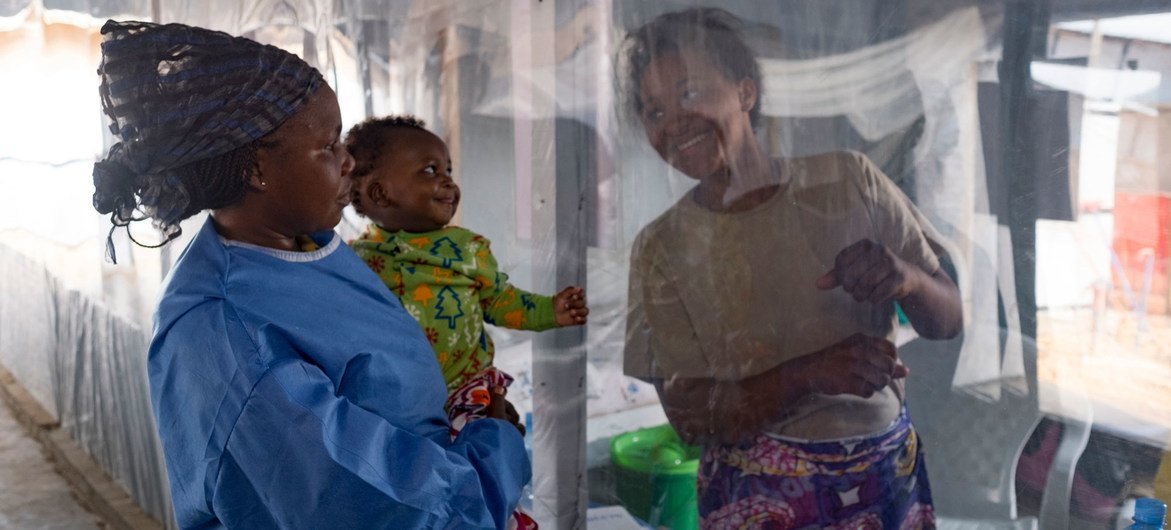
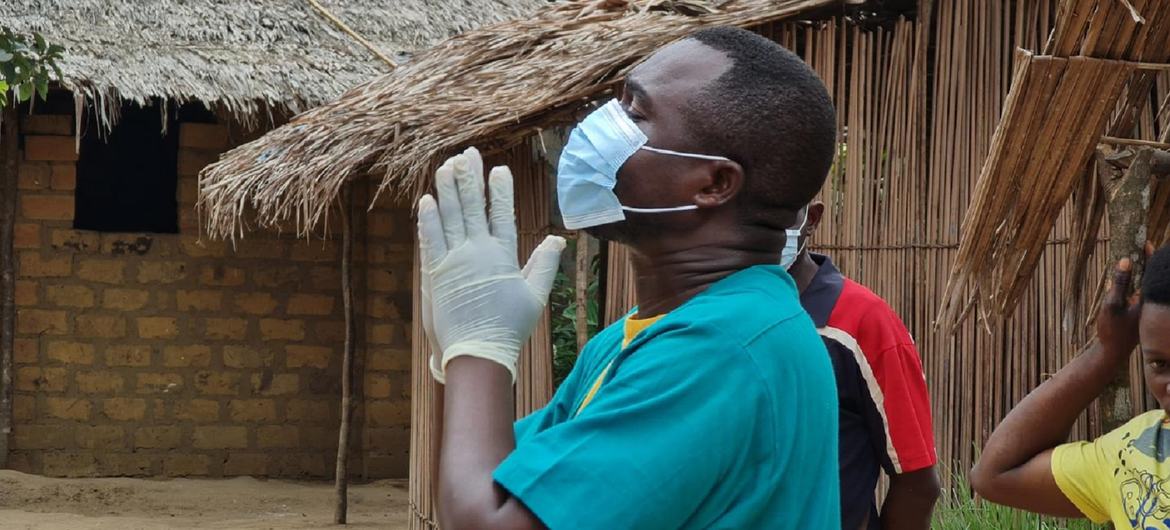
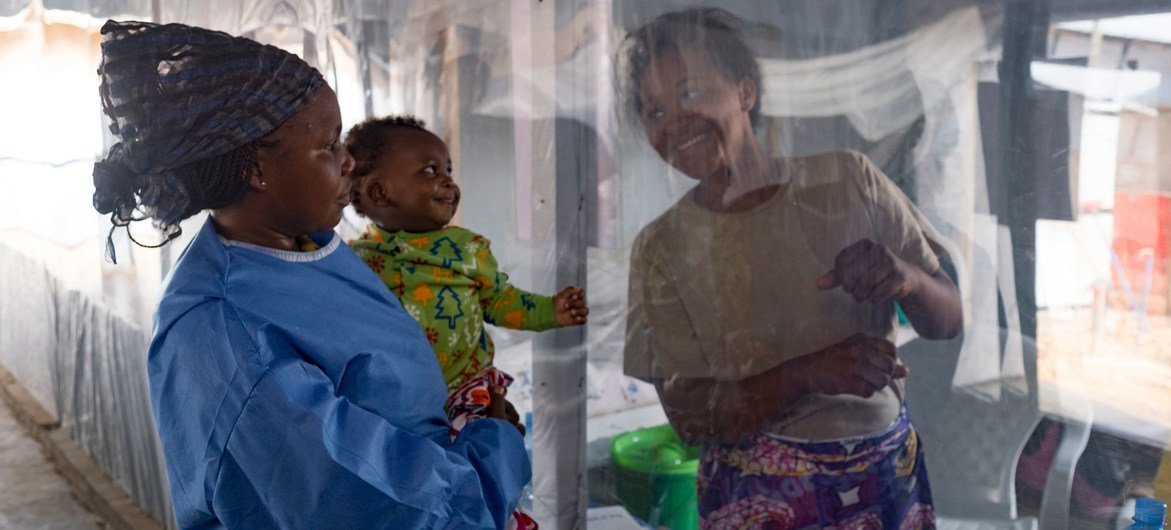
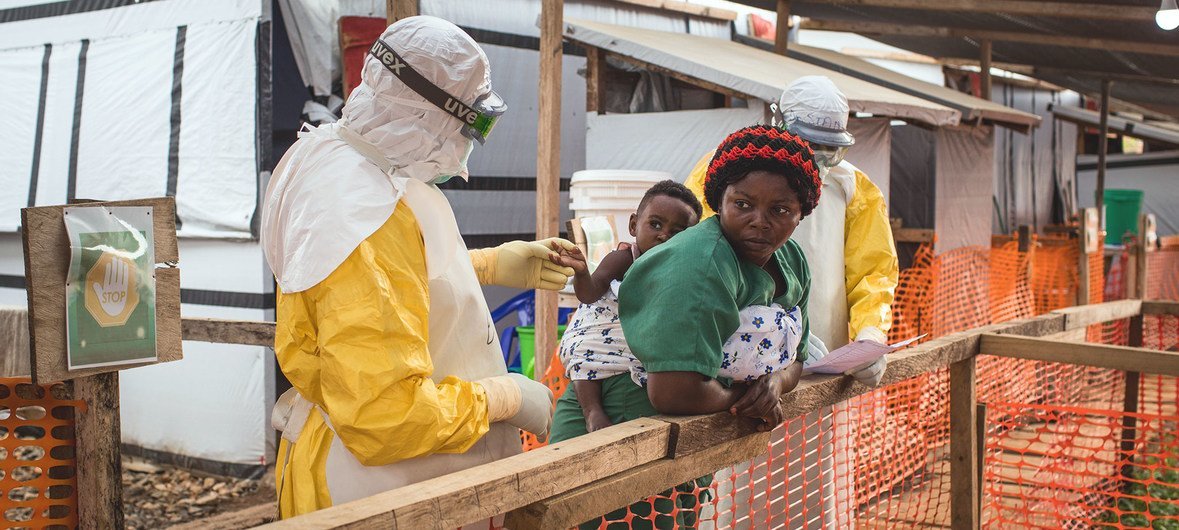
Ebola in DR Congo: One Month On, Scaled-Up Response Remains Insufficient
When a suspected case is reported in a community, an investigation team is immediately dispatched. If the alert is confirmed, the patient is referred to a transit centre to await laboratory...
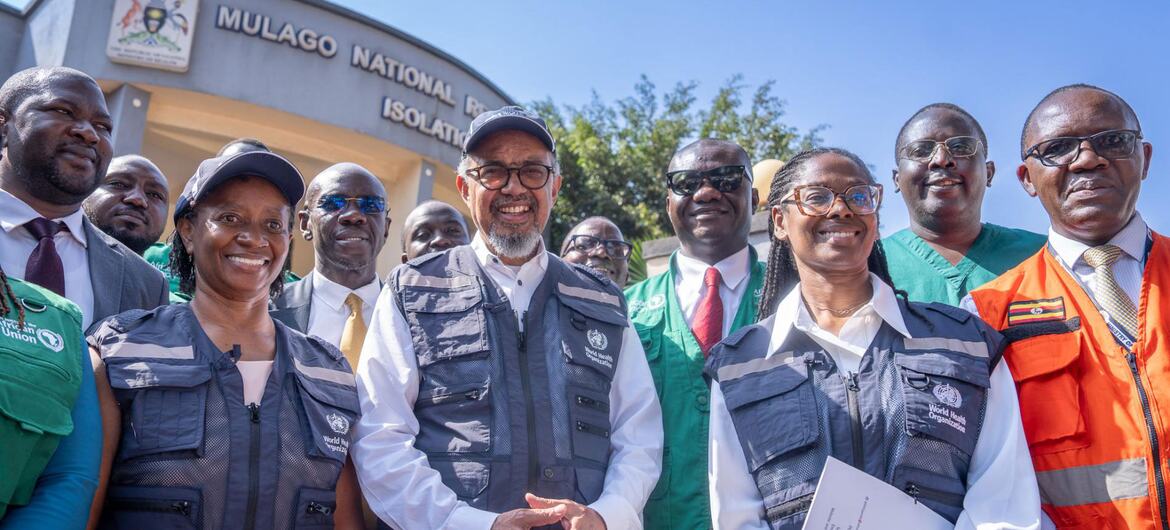
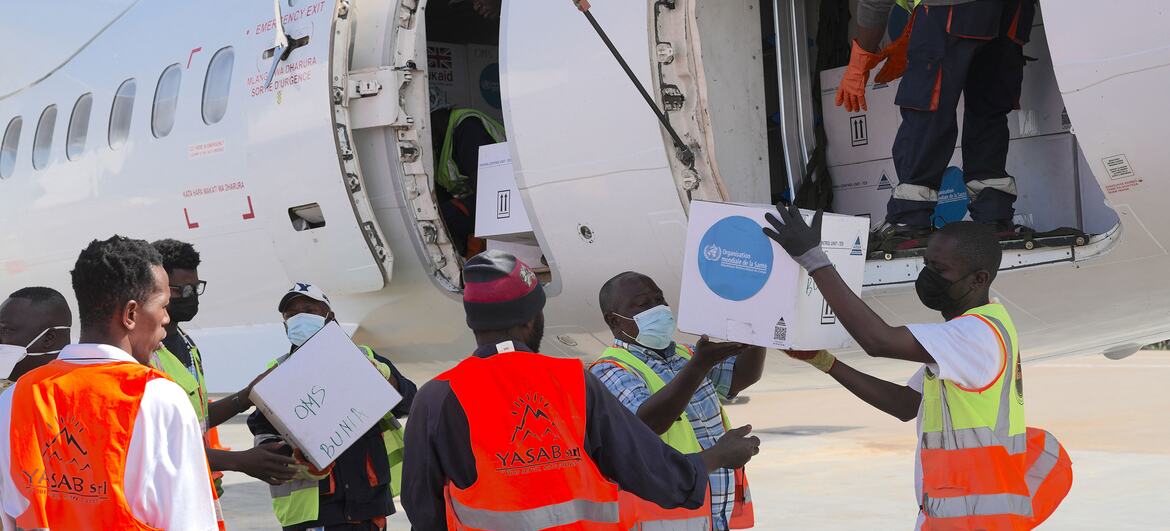
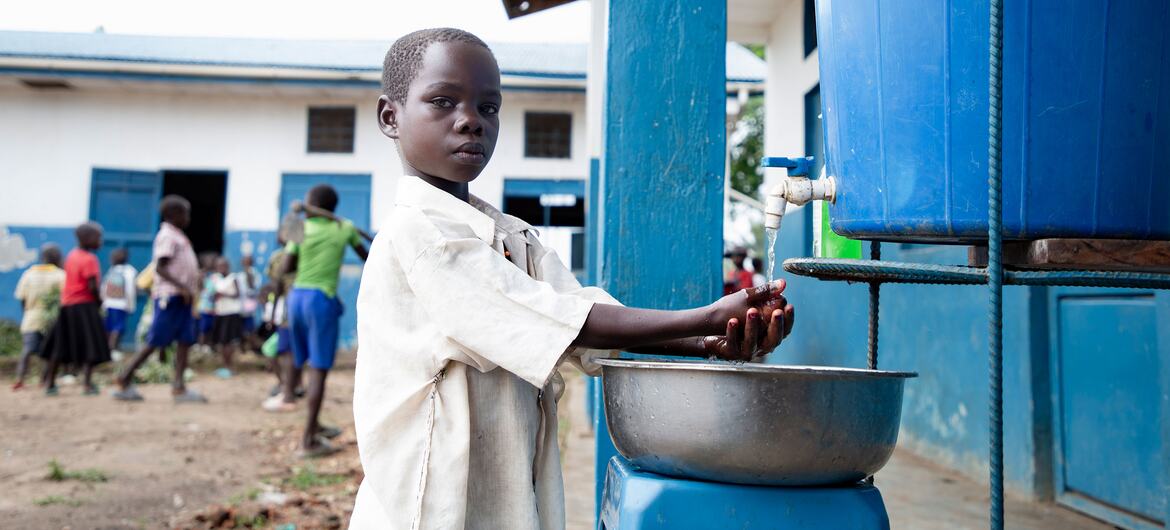
Uganda Contains Ebola, but Cross-border Risks Remain
The World Health Organisation’s director-general, Tedros Adhanom Ghebreyesus, visited Uganda as part of a regional assessment mission and described the country’s response as robust....
- Most Viewed
- Most Popular

Our Network
Our Channels

© 2026 Al Jazeera Media Network. All rights reserved.