

Ebola’s Fastest Spread on Record
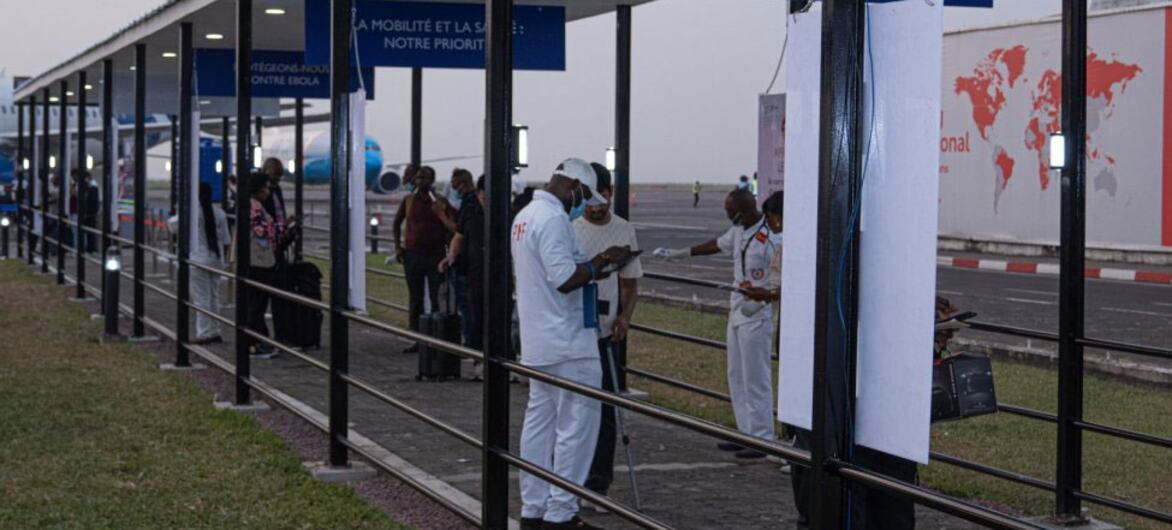
© IOM Passengers arriving in the DR Congo capital, Kinshasa, are screened as part of Ebola prevention efforts.
The outbreak in eastern Democratic Republic of the Congo is moving at unprecedented speed; funding gaps threaten the response
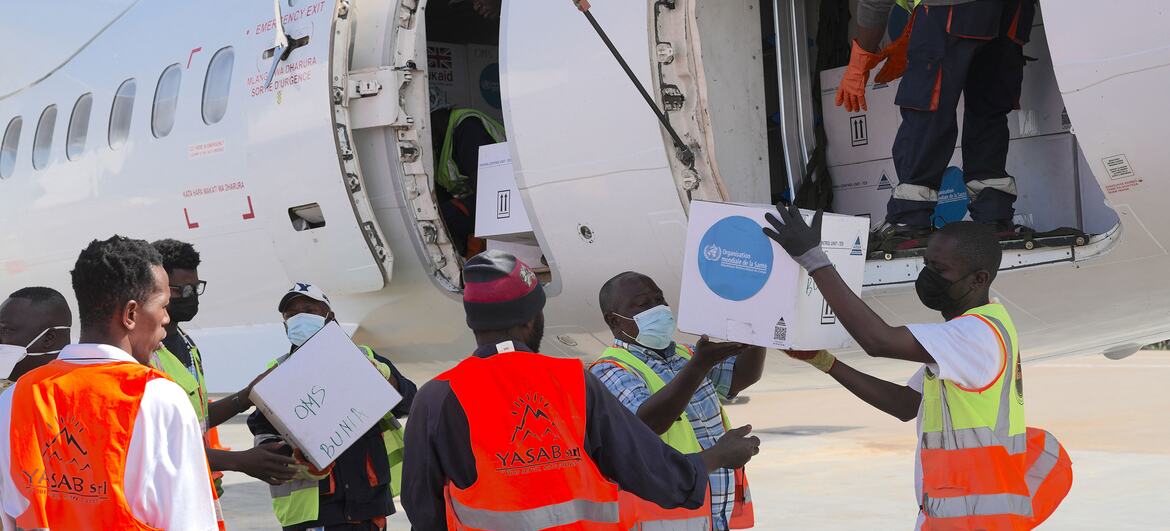
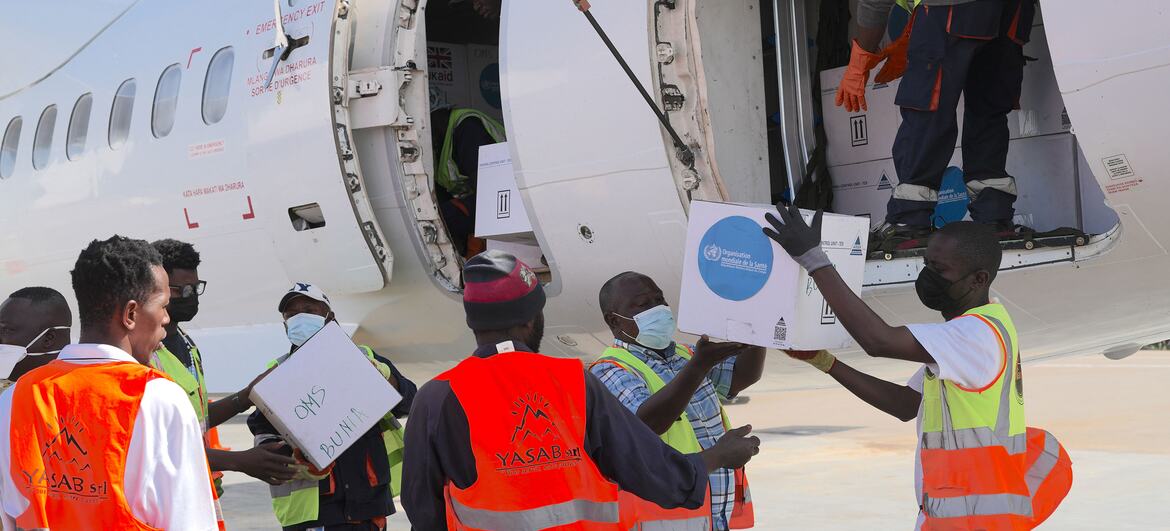
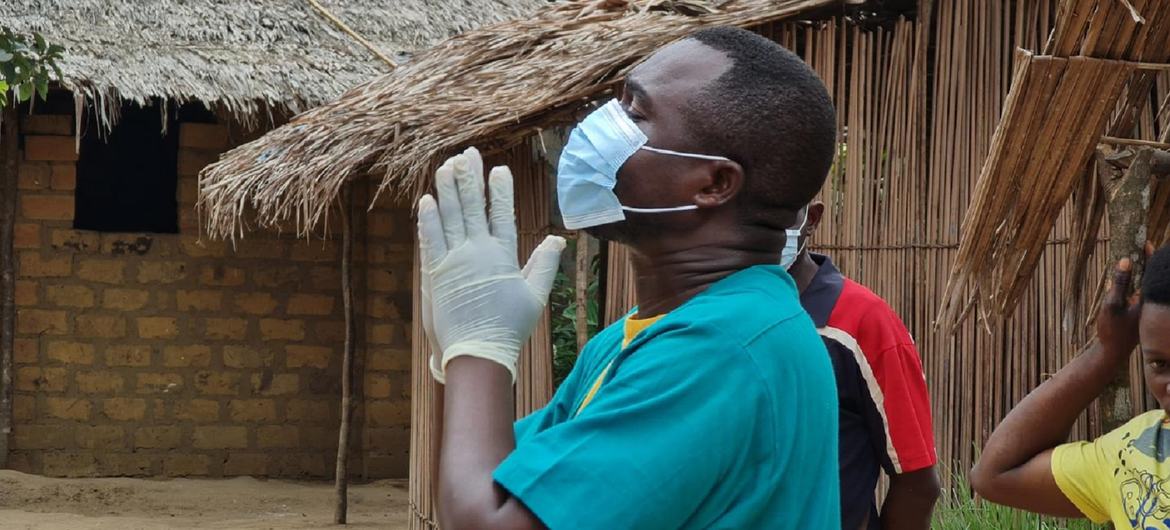
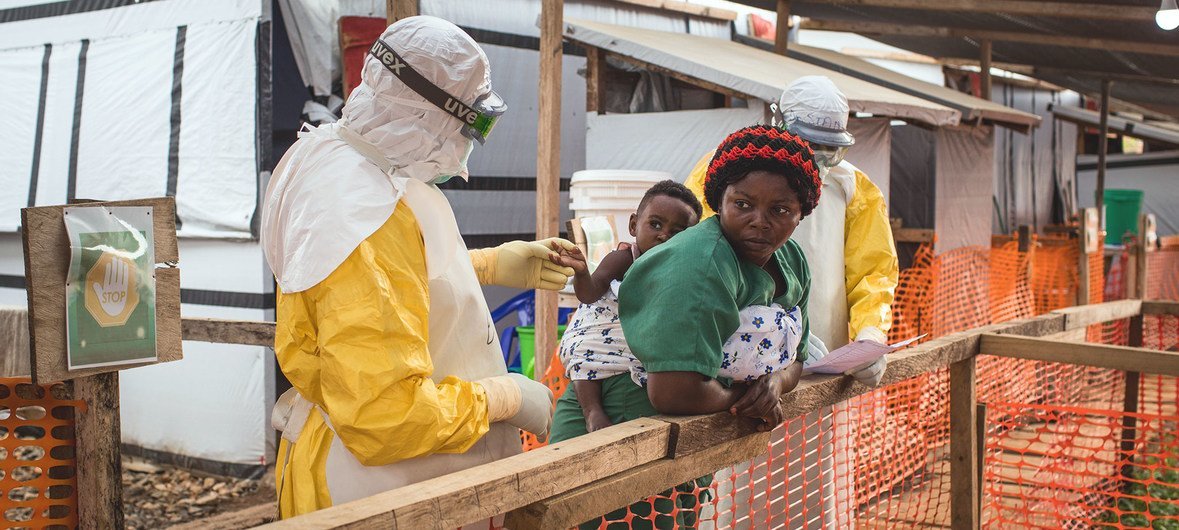
Ebola is spreading faster in the eastern Democratic Republic of the Congo than at any point in the disease’s recorded history. As of Monday, 1,048 confirmed cases and 267 deaths had been reported since the outbreak, caused by the Bundibugyo species of the Ebola virus, was declared on 15 May 2026. It took only 37 days to reach 250 deaths; by comparison, the 2014 and 2016 West Africa outbreak took 78 days to reach the same toll, and the 2018 to 2019 outbreak took 130 days.
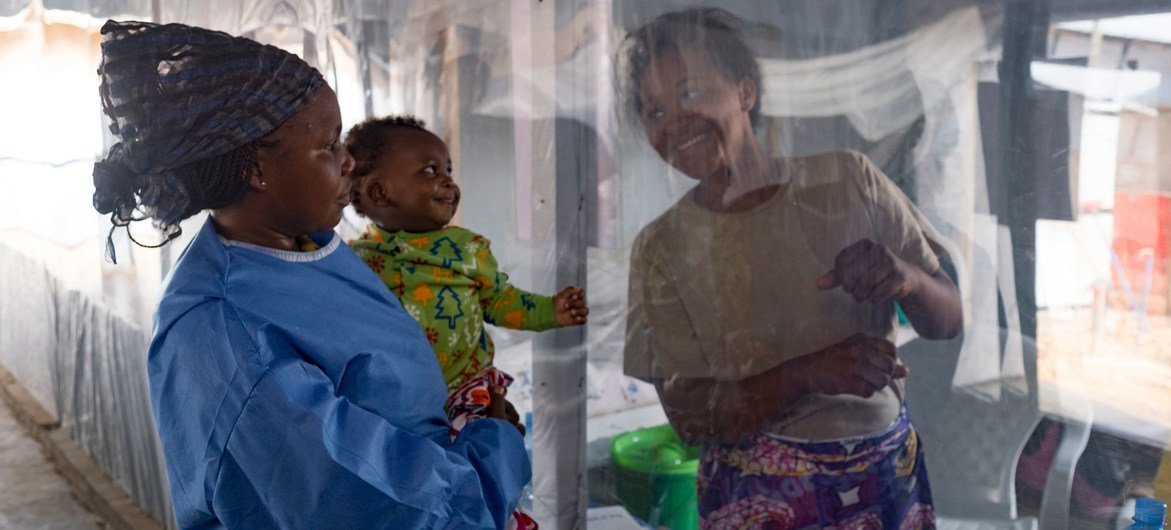
Dr Abdirahman Mahamud, Director of Health Emergency Alert and Response Operations at the World Health Organisation (WHO), who returned last week from a month in the DRC, described encouraging signs of a scaling response. Treatment beds have risen from a handful to over 500 across 19 health zones in the past two weeks. Laboratory capacity has grown from 30 tests a day in Kinshasa at the start of the outbreak to more than 2,000 tests per day through a network of eight decentralised laboratories across Ituri, North Kivu and South Kivu.
The outbreak is centred on areas were people cross borders daily, making cross-border surveillance essential. Ugochi Daniels, Deputy Director General for Operations at the International Organisation for Migration (IOM), said that since the start of the response, IOM and partners have screened over a million travellers at key points of entry and along major mobility corridors. Of the 55.8 million dollars required to support cross-border coordination and surveillance across 11 countries over the next six months, a funding gap of roughly 35 million dollars remains. “What is needed is a collective commitment to ensure that the effort is now fully resourced,” Ms Daniels said.
The International Federation of the Red Cross and Red Crescent Societies (IFRC) highlighted safe and dignified burials as a critical pillar of the response, noting that its volunteers have faced violence at burial sites. Community distrust and the spread of misinformation are compounding an already acute challenge. “Everyday life has become fraught with risk,” Ms Daniels said. “The journey to feed your family or earn a living can also become a journey into danger.”
Sources: WHO, IOM, IFRC, UN News, 23 June 2026
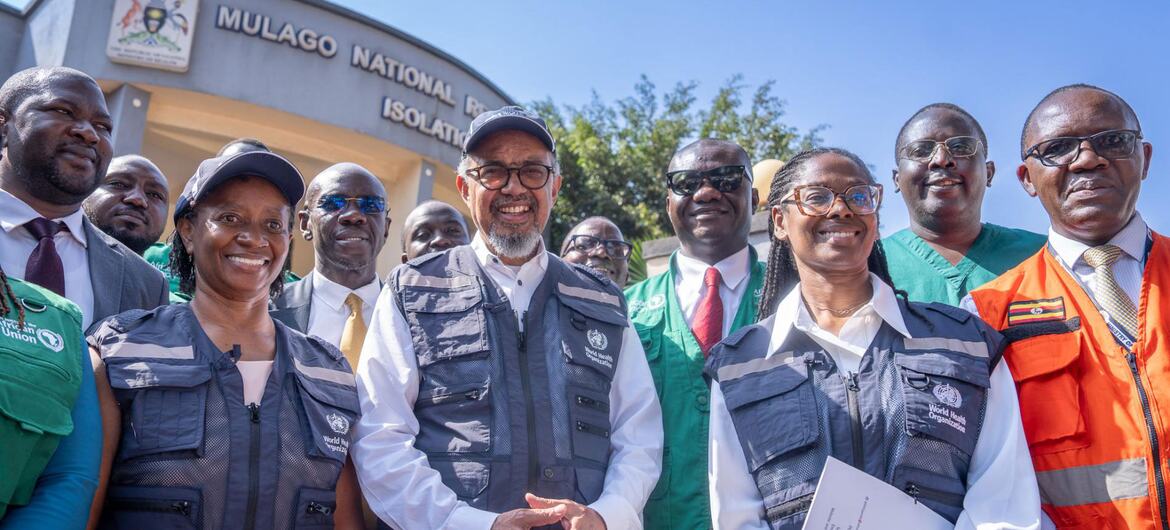
Uganda Contains Ebola, but Cross-border Risks Remain
The World Health Organisation’s director-general, Tedros Adhanom Ghebreyesus, visited Uganda as part of a regional assessment mission and described the country’s response as robust....
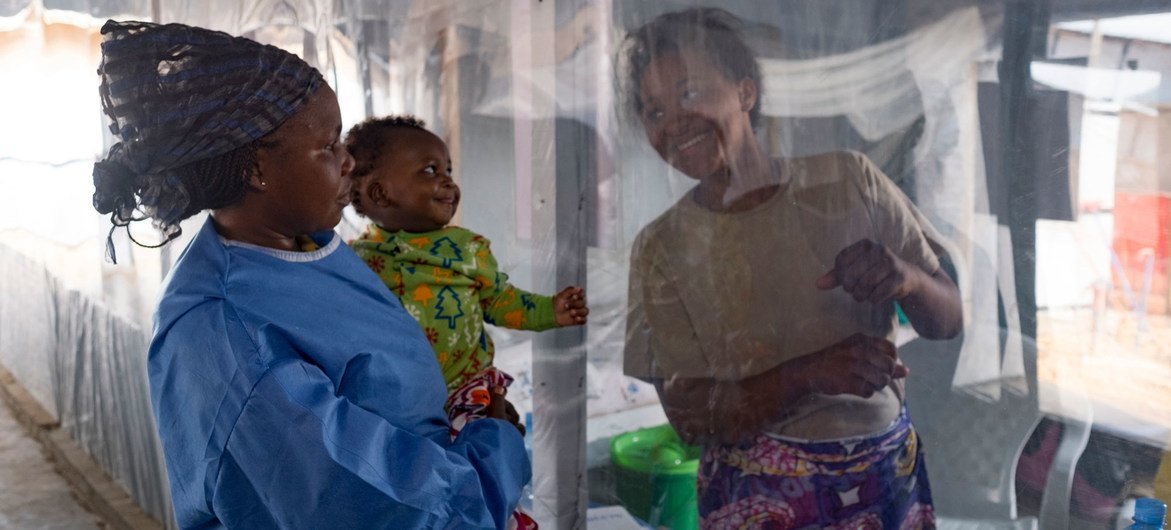
Ebola’s Untreatable Strain Spreads Through Eastern Congo
The outbreak, officially declared on May 15th, is caused by the Bundibugyo strain, one of the rarest and most poorly understood variants of the Ebola virus. Three candidate vaccines are under...
- Most Viewed
- Most Popular




Our Network
Our Channels

© 2026 Al Jazeera Media Network. All rights reserved.