

Ebola at the Gates
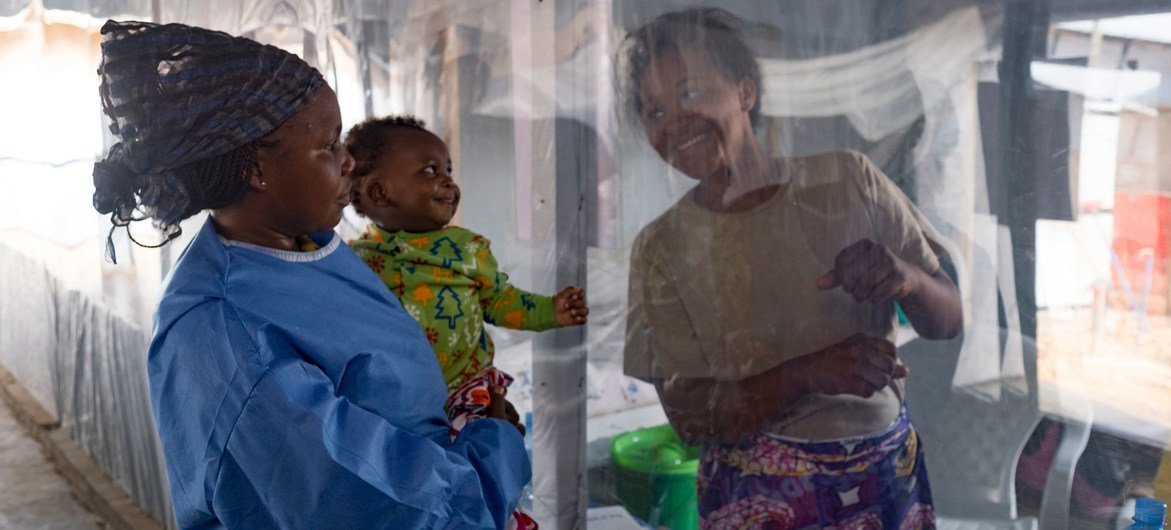
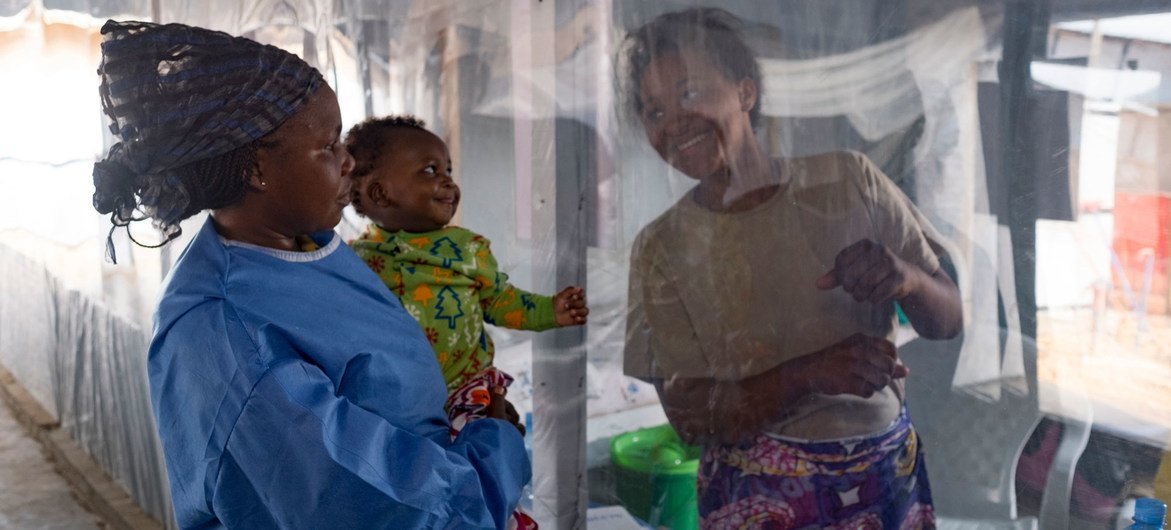
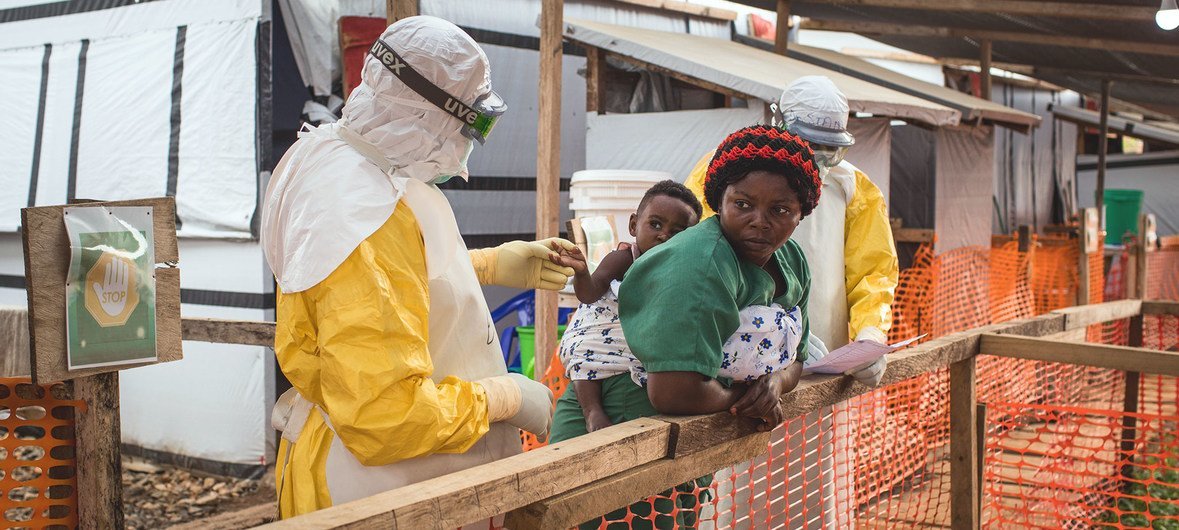
© UNICEF/Thomas Nybo This image from 2020 shows a mother from her son separated by plastic sheeting at an Ebola treatment centre in Beni, North Kivu province, Democratic Republic of the Congo
A new Ebola outbreak in the Democratic Republic of the Congo has reached the capital, Kinshasa, and crossed the border into Uganda, prompting the World Health Organisation to declare it a public health emergency of international concern. Experts are warning that the world’s vulnerability to pandemic disease is growing, not shrinking.
As of May 16th, health authorities had recorded eight laboratory-confirmed cases, 246 suspected cases and 80 suspected deaths in Ituri province in eastern DRC. Unconfirmed reports on Sunday suggested a positive case in Goma, the rebel-held capital of North Kivu province, home to one million people. In Uganda, two individuals who had travelled from DRC tested positive and were admitted to intensive care; the capital, Kampala, is also affected. News reports late Monday cited a confirmed case involving a doctor from the United States, with at least six American citizens believed to have been exposed.
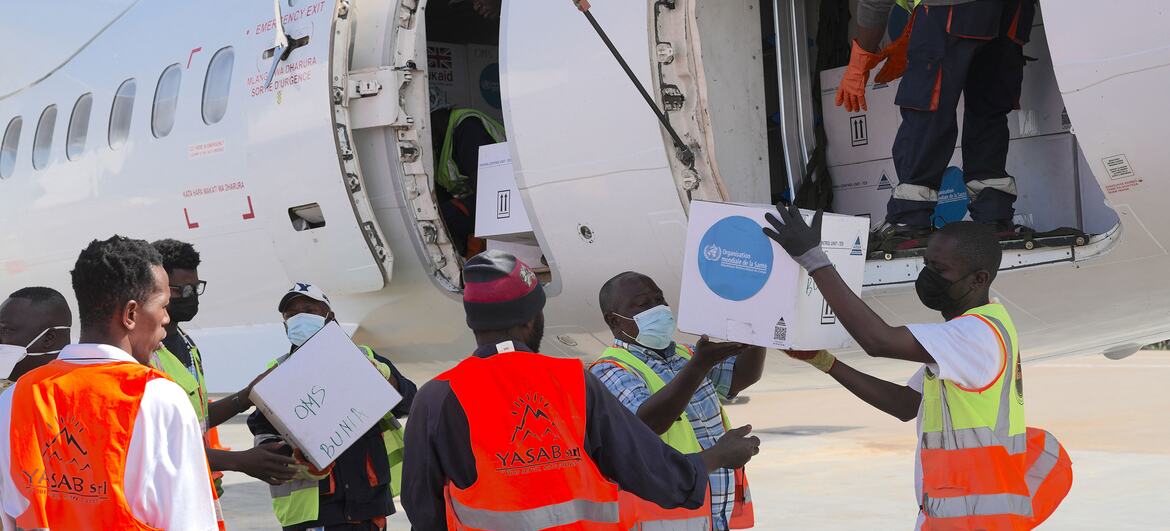
The strain responsible is the Bundibugyo virus, for which there is no approved therapy or vaccine. WHO has warned that the outbreak is likely larger than currently detected, pointing to clusters of unexplained deaths, a high positivity rate among tested samples and limited understanding of transmission patterns. At least four healthcare workers have died, raising concerns about infection prevention in health facilities.
The Global Preparedness Monitoring Board, an independent body established by WHO and the World Bank in 2018, said on Monday that “the world is not safer from pandemics.” Infectious disease outbreaks are becoming more frequent and more damaging, with wider health, economic, political, and social consequences, and diminishing capacity to recover from them. The board also cautioned that artificial intelligence, while potentially useful for monitoring pandemic threats, could widen healthcare access gaps without effective governance and safeguards.
Mohamed Janabi, WHO’s Director for Africa, urged calm. “Ebola is a very serious disease, but it is one that we know how to control,” he said, adding that the emergency classification was a sign of the global system working as intended, not a cause for panic. “Fear by itself is an outbreak,” he concluded.
Sources: WHO, Global Preparedness Monitoring Board. Dates: May 16 to 18, 2026.
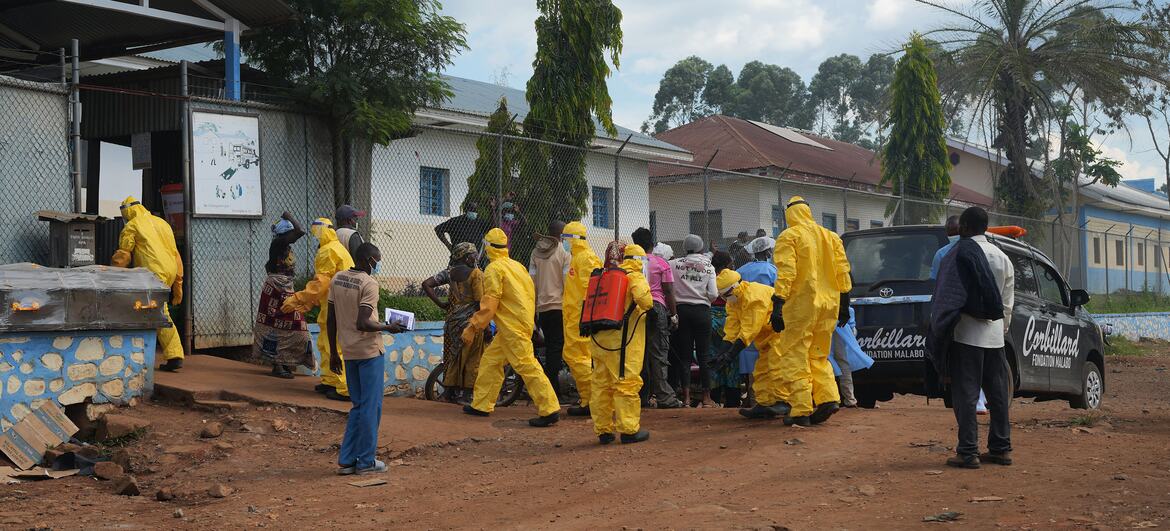
Ebola in DR Congo: One Month On, Scaled-Up Response Remains Insufficient
When a suspected case is reported in a community, an investigation team is immediately dispatched. If the alert is confirmed, the patient is referred to a transit centre to await laboratory...
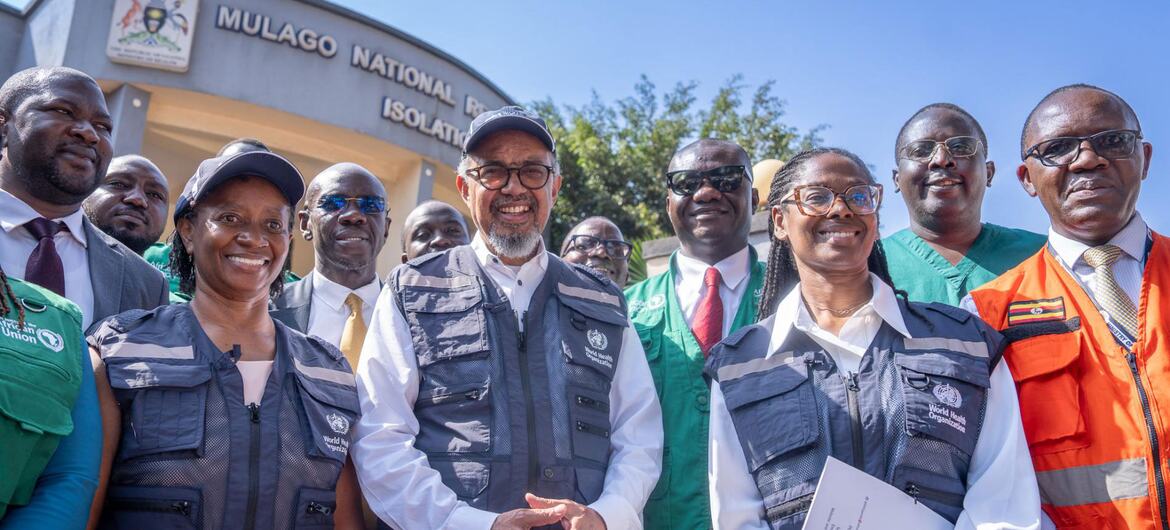
Uganda Contains Ebola, but Cross-border Risks Remain
The World Health Organisation’s director-general, Tedros Adhanom Ghebreyesus, visited Uganda as part of a regional assessment mission and described the country’s response as robust....
- Most Viewed
- Most Popular





Our Network
Our Channels

© 2026 Al Jazeera Media Network. All rights reserved.