

A Rare Strain, a Familiar Challenge
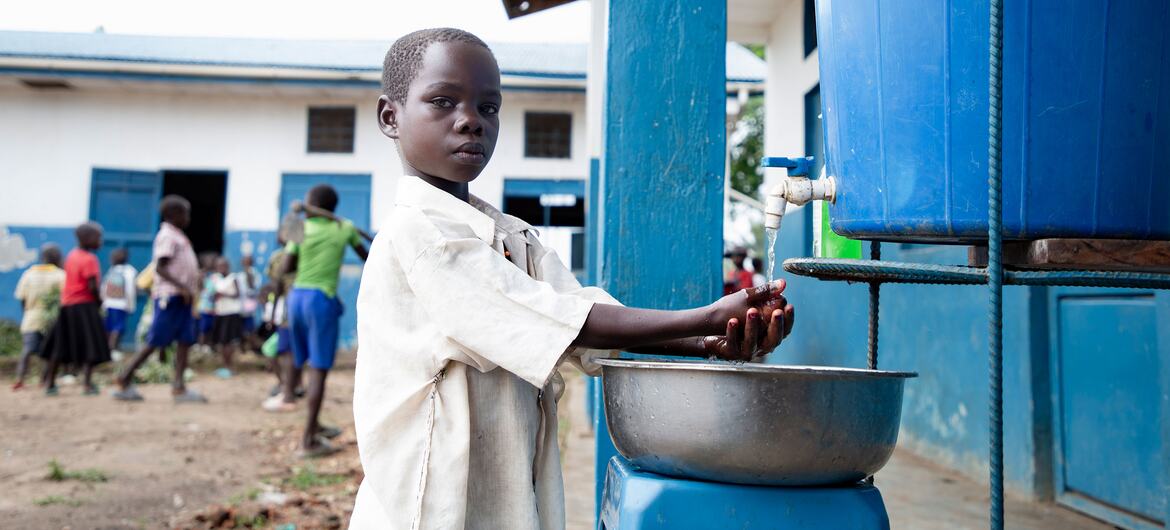
© UNICEF/Carmel Ndomba A child washes her hands at a school in Ituri Province in the DR Congo.
The eastern Democratic Republic of the Congo has seen Ebola before. Between 2018 and 2020, the region endured one of the largest outbreaks in the virus’s history, contained eventually through a combination of medical intervention, community engagement, and considerable fortune. That experience is now being called upon again. A new outbreak, caused by the Bundibugyo strain of the virus, a rare variant that is less well understood than the more common Zaire strain and for which no licensed vaccine or specific treatment exists, has taken hold in the Congolese provinces of Ituri and North Kivu, with two cases already detected in Kampala, Uganda.
The confirmed case count stands at 51, but that number understates the situation considerably. The World Health Organisation has tallied nearly 600 suspected cases and 139 suspected deaths. On Wednesday, the WHO assessed the risk as high at the national and regional level, while stopping short of declaring a pandemic emergency. For now, global risk is considered low. The emphasis on “for now” is implicit but unmistakable.
The absence of a vaccine creates a particular communicative challenge. Communities in Ituri and North Kivu were vaccinated during the 2018 to 2020 outbreak, and some may reasonably assume they are protected. They are not. The earlier vaccine targeted the Zaire strain. Dr. Marie Roseline Belizaire, WHO’s Emergency Director for Africa, describes the task of explaining this distinction to populations who have already endured one outbreak and may be understandably resistant to the news that their immunity does not extend to this one.
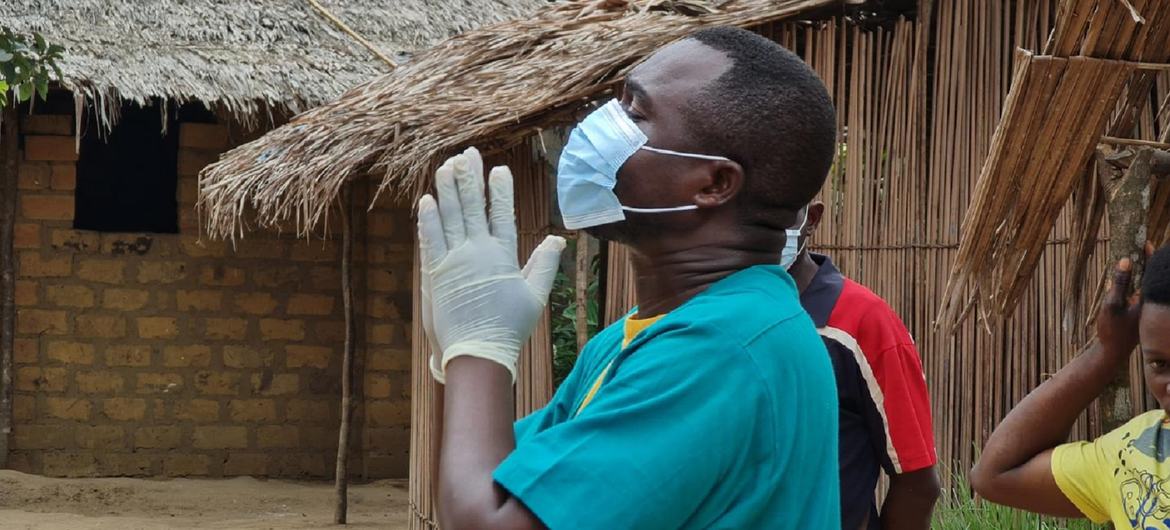
Dr. Belizaire is forthright about what determines success or failure in an outbreak of this kind. Speed matters enormously in the first days, she says, but speed without trust is insufficient. If communities do not trust the response, they will not report symptoms, will not present for isolation, and will not allow contact tracing. Health workers have encountered this dynamic repeatedly in this region. People fear the treatment centres. They fear the separation from family. They fear the stigma that attaches to confirmed cases. An approach that ignores these fears, however medically rigorous, will not work.
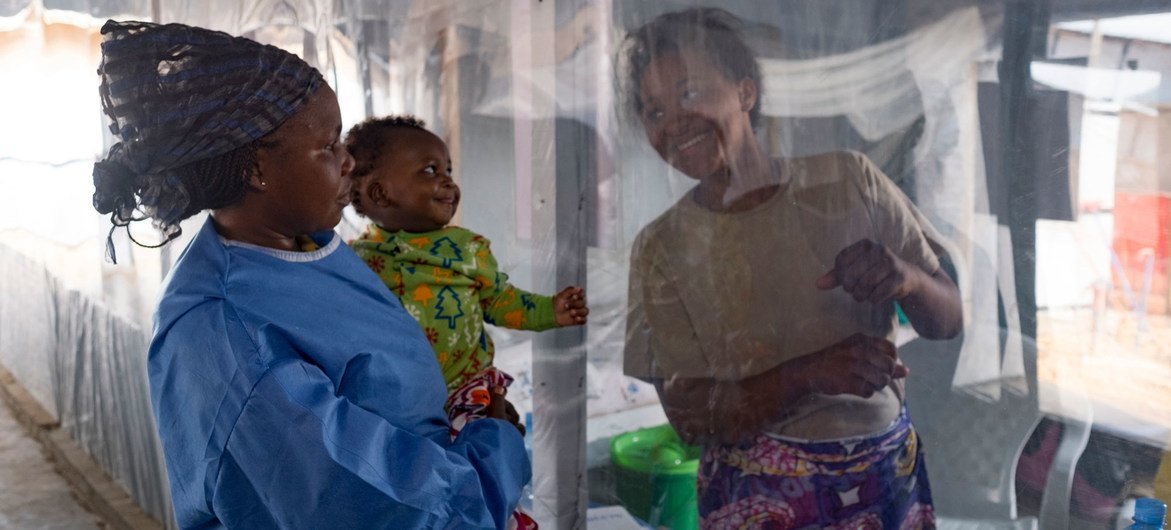
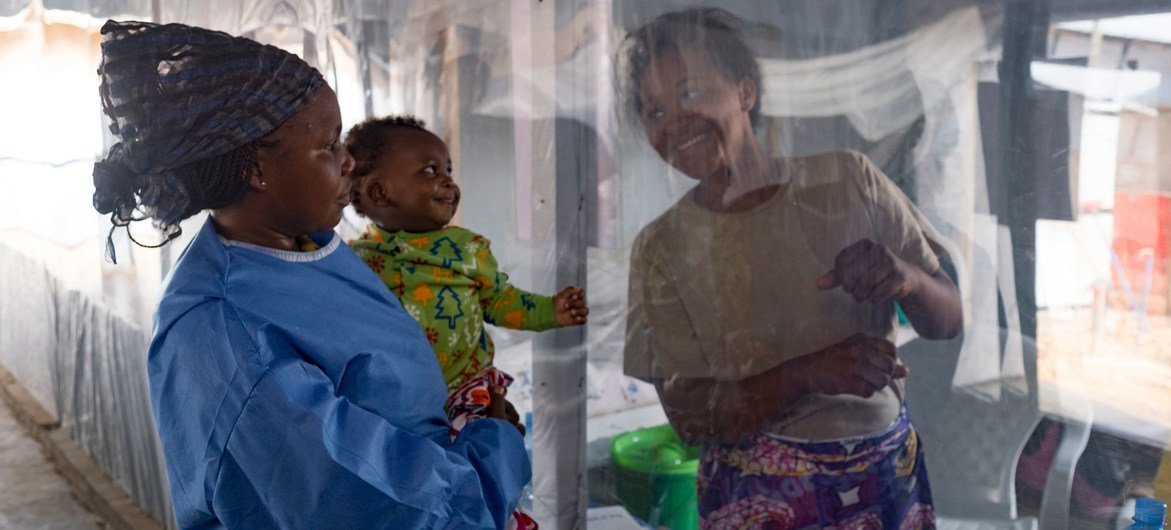
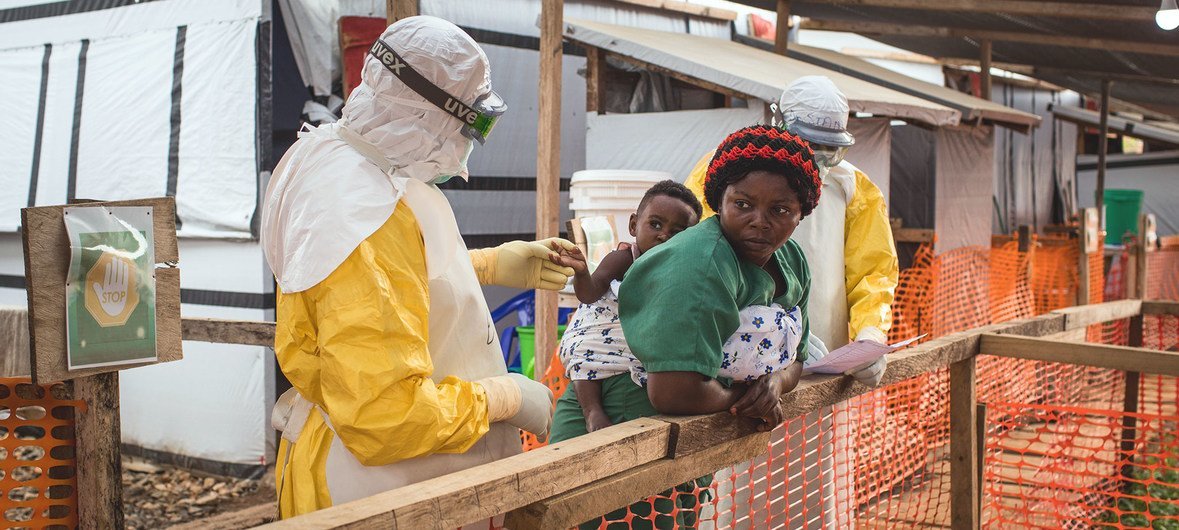
The WHO’s stated response draws directly on the lessons of the previous outbreak. Treatment and monitoring structures are being established as close as possible to affected communities. Families are being permitted to visit hospitalised patients. Psychosocial support and food assistance are being provided alongside medical care. The language Dr. Belizaire uses is deliberate: the agency will not dictate its science, she says, but work with communities to earn acceptance.
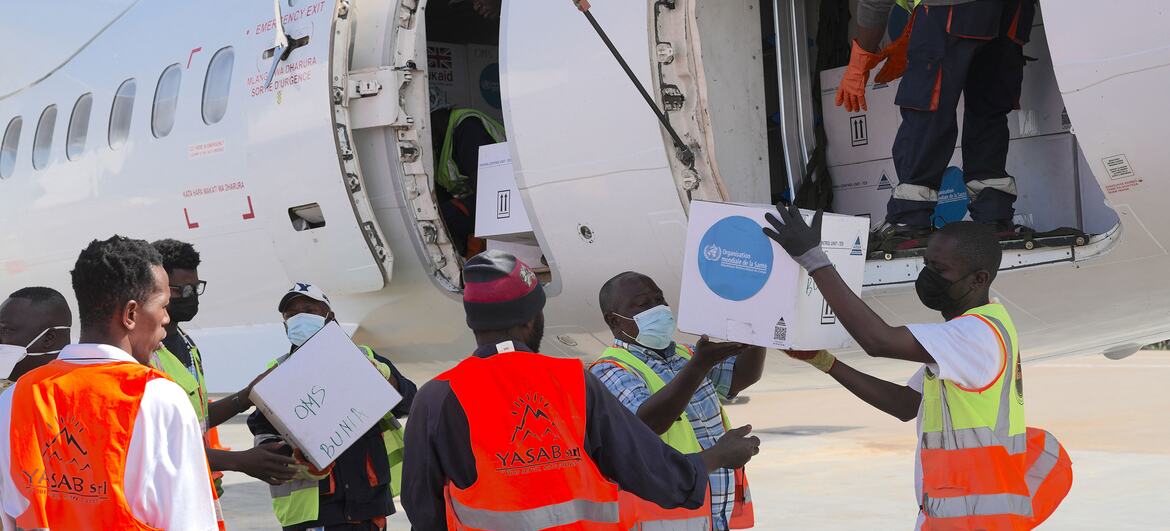
The operational context makes all this considerably harder. The outbreak is unfolding in a region marked by active insecurity, population displacement and high mobility linked to mining activity. These factors impede early case detection, complicate contact tracing and slow the implementation of control measures. More than 11 tonnes of equipment have been airlifted to Bunia, with WFP, MSF and the UN peacekeeping mission MONUSCO supporting logistics on the ground.
Research into treatments and vaccines specific to the Bundibugyo strain has historically lagged work on the Zaire strain, which causes more frequent outbreaks and therefore attracts more sustained scientific attention. Discussions within the WHO’s research and development programme to accelerate potential medical countermeasures have now begun. How quickly they can produce results depends on funding, coordination and a degree of scientific luck that cannot be assumed.
In the meantime, the tools available are the oldest in public health: hygiene, surveillance, honest communication, and community trust. Dr. Belizaire’s summary of the situation is as good a description of outbreak response as any. Every epidemic, she says, begins in a community and ends in a community. The question is which ending this one will have.
Sources: United Nations News, report by Cristina Silveiro, May 20th, 2026. Interview with Dr. Marie Roseline Belizaire, WHO Emergency Director for Africa. WHO risk assessment on Bundibugyo strain Ebola outbreak, DRC and Uganda, May 2026
Ebola in DR Congo: One Month On, Scaled-Up Response Remains Insufficient
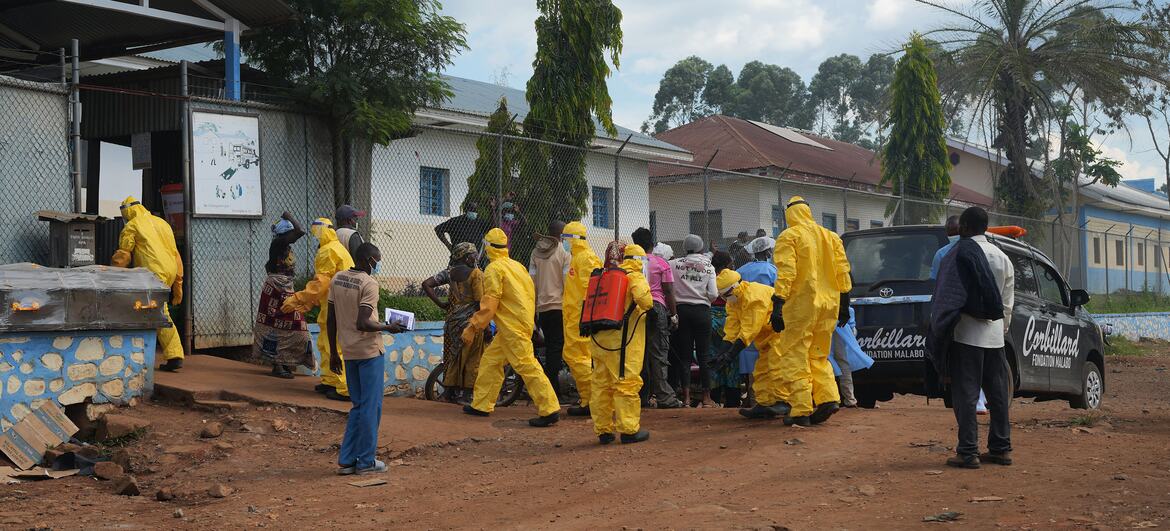
When a suspected case is reported in a community, an investigation team is immediately dispatched. If the alert is confirmed, the patient is referred to a transit centre to await laboratory...
Uganda Contains Ebola, but Cross-border Risks Remain
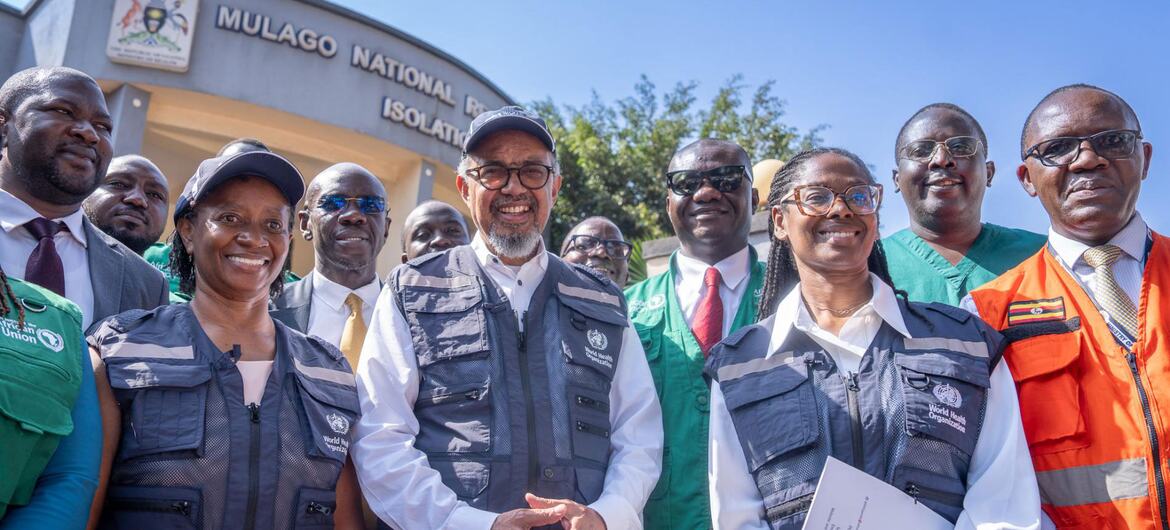
The World Health Organisation’s director-general, Tedros Adhanom Ghebreyesus, visited Uganda as part of a regional assessment mission and described the country’s response as robust....
- Most Viewed
- Most Popular




Our Network
Our Channels

© 2026 Al Jazeera Media Network. All rights reserved.