

Catching Up with Ebola in the Congo
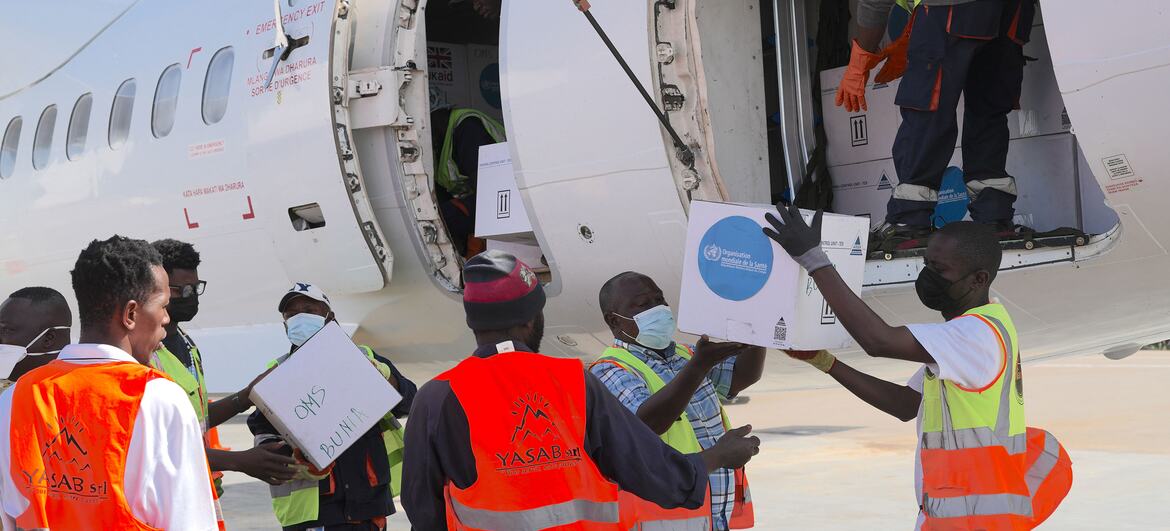
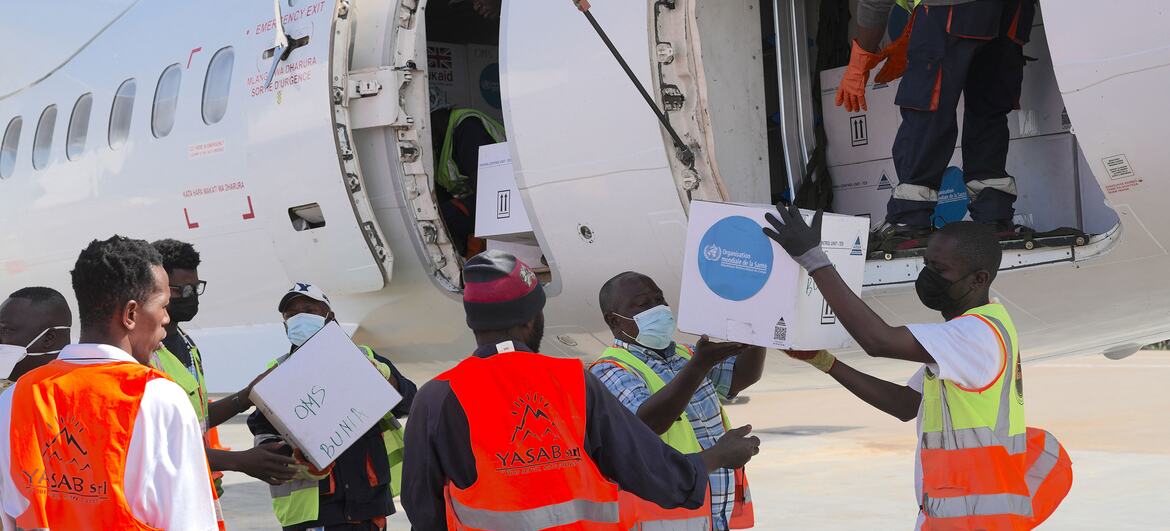
WHO's shipment arrived in the DRC/Archive
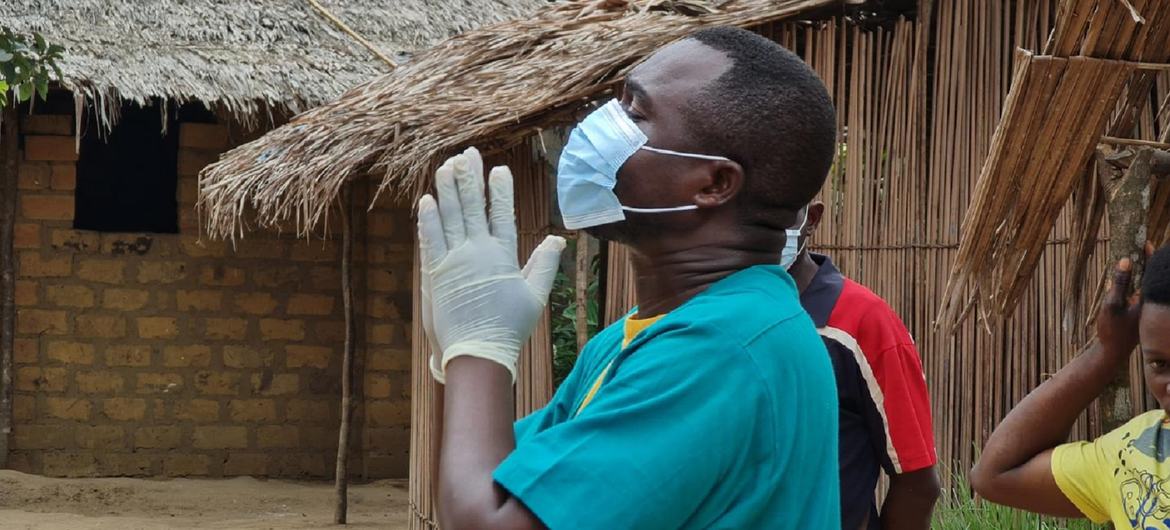
The Ebola outbreak in the Democratic Republic of the Congo is showing early signs of progress, but the fight is far from won. Tedros Adhanom Ghebreyesus, WHO’s director-general, briefed journalists in Geneva on June 3rd after returning from the DRC, where he met government officials, health workers and community leaders. “The outbreak had a big head start, and we’re still behind,” he said. “But under the leadership of the Government of DRC, we are catching up.”
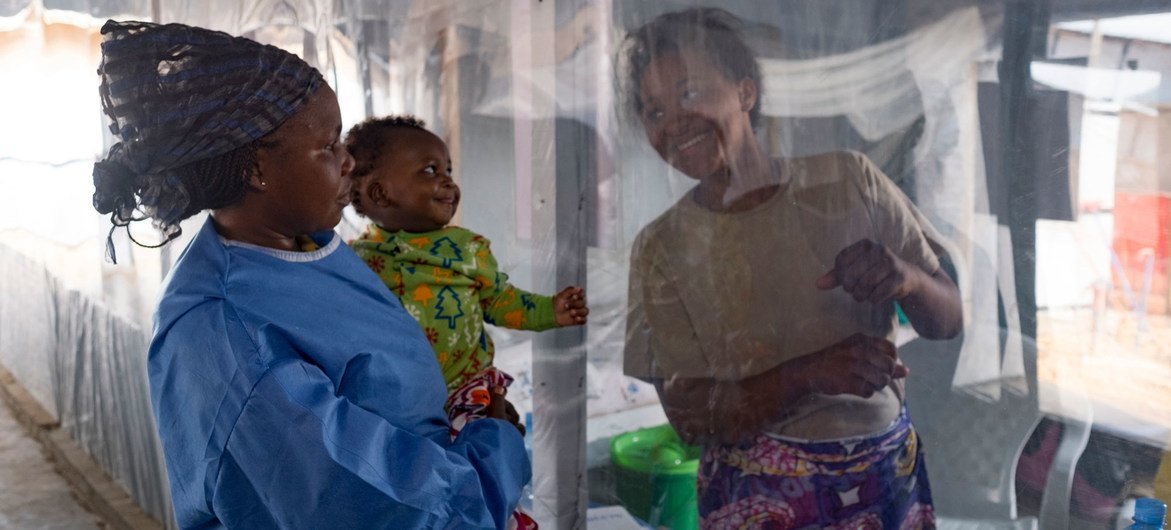
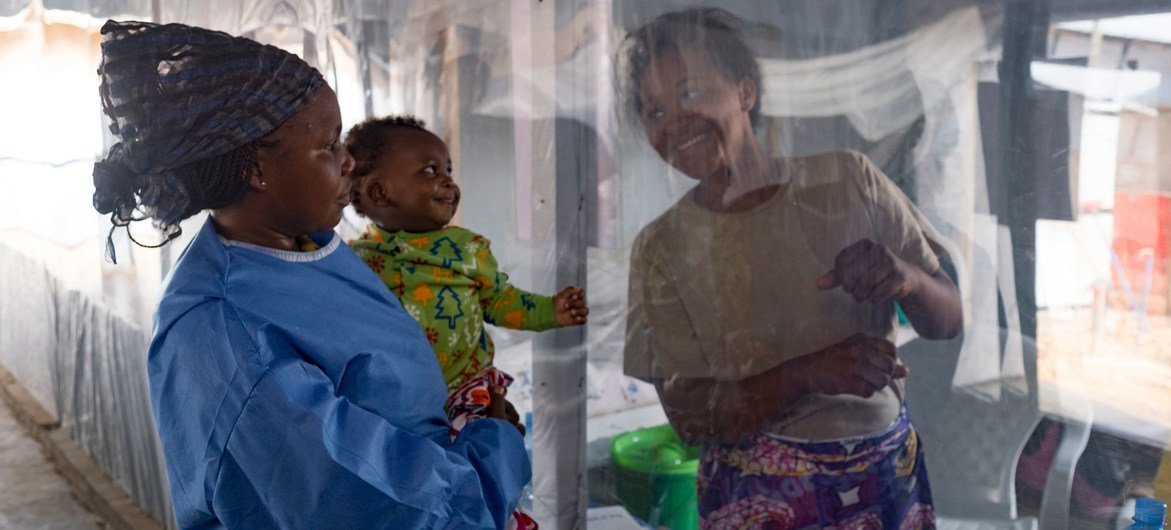
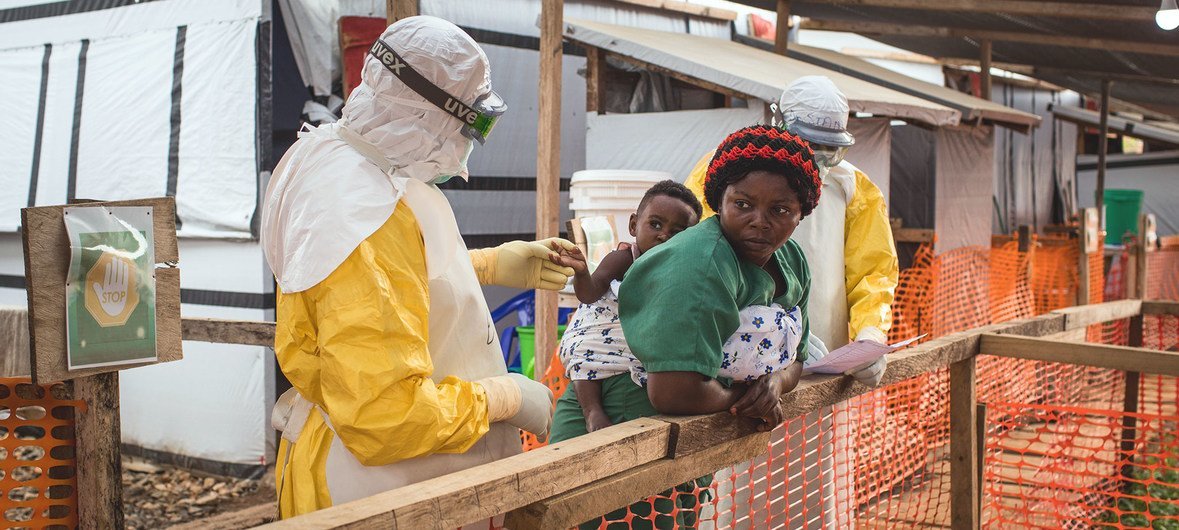
The outbreak, caused by the rare Bundibugyo strain of the Ebola virus, for which no approved treatment yet exists, has confirmed 344 cases and 60 deaths in the DRC. The number of suspected cases has dropped from over 1,000 last week to 116, as teams clear a backlog of testing. The epicentre is Ituri province in the east; cases have also been recorded in North and South Kivu. Three treatment centres are now operating in Ituri’s capital, Bunia, with 80 beds between them, and units have been established in five other cities.
The outbreak has also crossed borders. Uganda has reported 15 confirmed cases and one death. A Congolese resident who travelled through the United Arab Emirates was among those affected. An infected American citizen is receiving care in Germany. WHO’s risk assessment remains very high at the national level and high regionally, though global risk is considered low. Six people in the DRC and two in Uganda have recovered.
Mr Tedros was candid about what remains to be done. Contact tracing, particularly difficult given the region’s insecurity and population displacement, stands at roughly 45% follow-up, well below the 90% threshold needed to get ahead of the outbreak. Laboratory and diagnostic capacity must be scaled up. And perhaps most dauntingly, community trust must be built. “Some community leaders told me that they believe Ebola is not real,” Mr Tedros said. “Community mistrust is a serious barrier.”
Three vaccines are in development, and clinical trials are being accelerated. But the WHO chief was clear that the path to ending the outbreak runs through leadership and trust, not through biomedicine alone. “The key to ending this outbreak is not biomedical,” he said. “It’s leadership, ownership, partnership and trust.”
The DRC has survived 16 previous Ebola outbreaks. It will likely survive this one too. The harder challenge—preventing the next—will require building the durable health infrastructure that the country has long lacked.
Source: WHO, June 3rd, 2026
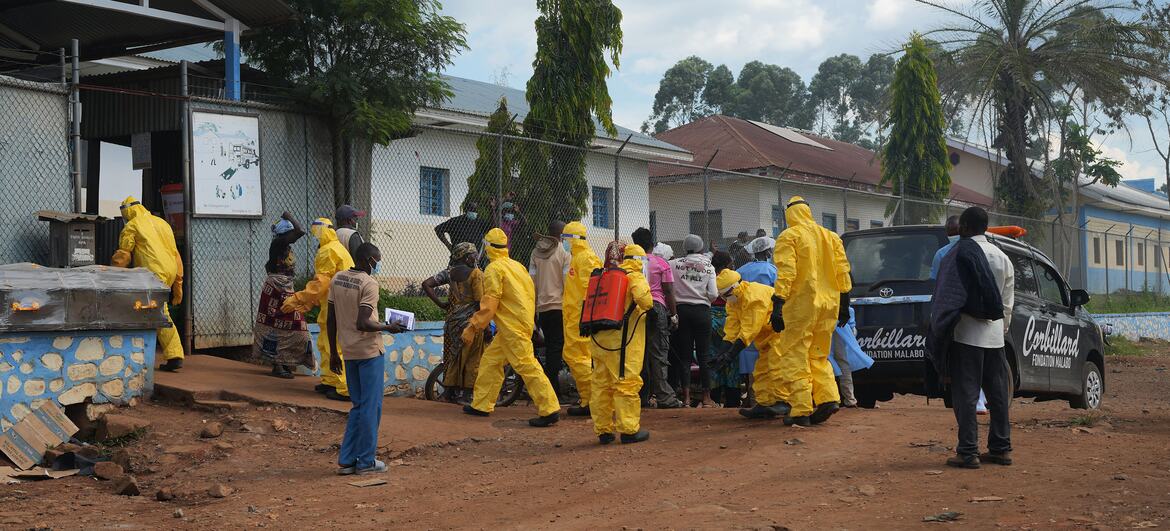
Ebola in DR Congo: One Month On, Scaled-Up Response Remains Insufficient
When a suspected case is reported in a community, an investigation team is immediately dispatched. If the alert is confirmed, the patient is referred to a transit centre to await laboratory...
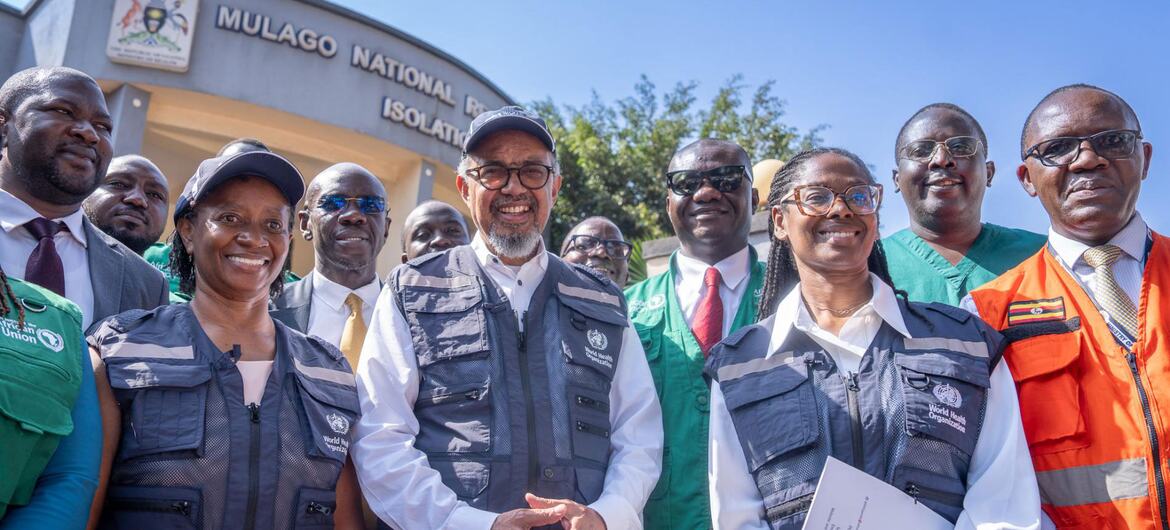
Uganda Contains Ebola, but Cross-border Risks Remain
The World Health Organisation’s director-general, Tedros Adhanom Ghebreyesus, visited Uganda as part of a regional assessment mission and described the country’s response as robust....
- Most Viewed
- Most Popular



Our Network
Our Channels

© 2026 Al Jazeera Media Network. All rights reserved.