

Lebanon’s Hospitals Under Fire
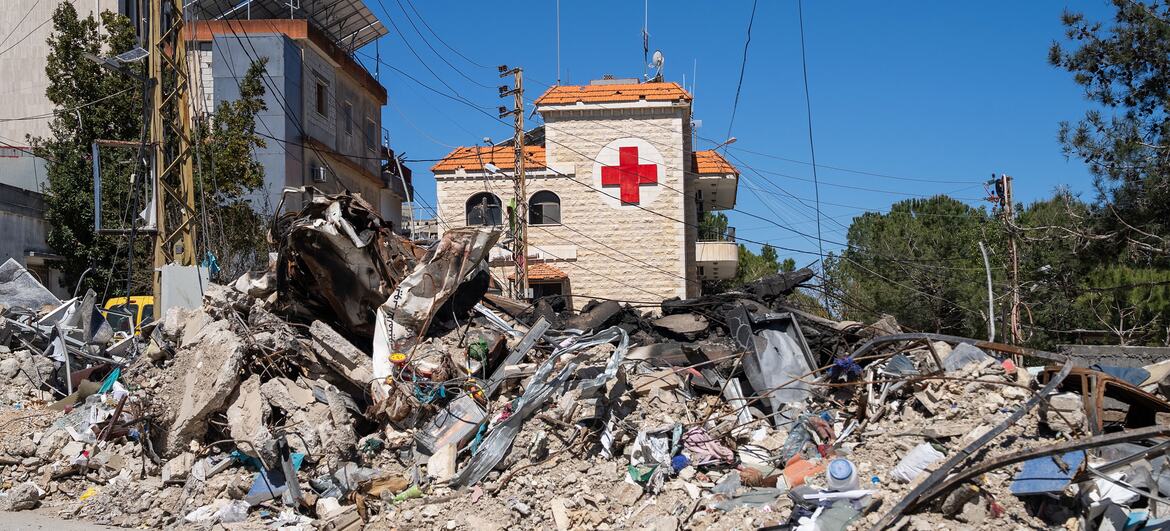
© UNICEF A street is littered with debris from buildings severely damaged by recent hostilities close to a hospital in Tebnine, southern Lebanon
The UN health agency is verifying reports of strikes on Jabal Amel Hospital in the southern Lebanese city of Tyre on Monday, amid a sharp rise in attacks on healthcare facilities across the country. According to Lebanese authorities, at least 86 people were injured, including healthcare workers, and significant damage was caused to the emergency department and intensive care unit. Jabal Amel is one of the few hospitals still functioning in the south.
WHO has verified nearly 190 attacks on healthcare facilities in Lebanon in just three months, killing 128 healthcare workers and injuring 332 others; 11 attacks occurred in the past week alone. In the Tyre district, two of the three hospitals are now damaged, while the third struggles to cope with a surge in injured patients. Patients in southern Lebanon face delays of up to 48 hours to reach the nearest referral facilities. Six hospitals have suspended maternity delivery services and are providing only emergency care, a situation WHO representative Dr Abdinasir Abubakar described as potentially fatal for pregnant women and newborns.
Around 130,000 people sheltering from the fighting face an additional threat: WHO has detected an increasing trend of acute watery diarrhoea in shelters and, as summer temperatures rise, warns that the risk of cholera is growing. The violence and new Israeli evacuation orders continue to drive displacement, including warnings of strikes on Beirut’s southern suburbs.
Since fighting between Israel and Hezbollah resumed on 2 March, more than 3,400 people have been killed in Lebanon and nearly 10,400 injured, most of them civilians. A US-brokered ceasefire that took effect on 17 April has not been fully observed by either party; it was most recently extended on 16 May for a further 45 days. “We need the attacks on healthcare to stop, and we need active protection for healthcare,” Dr Abubakar said, repeating calls for a sustained ceasefire and durable peace.
Source: UN News, 2 June 2026
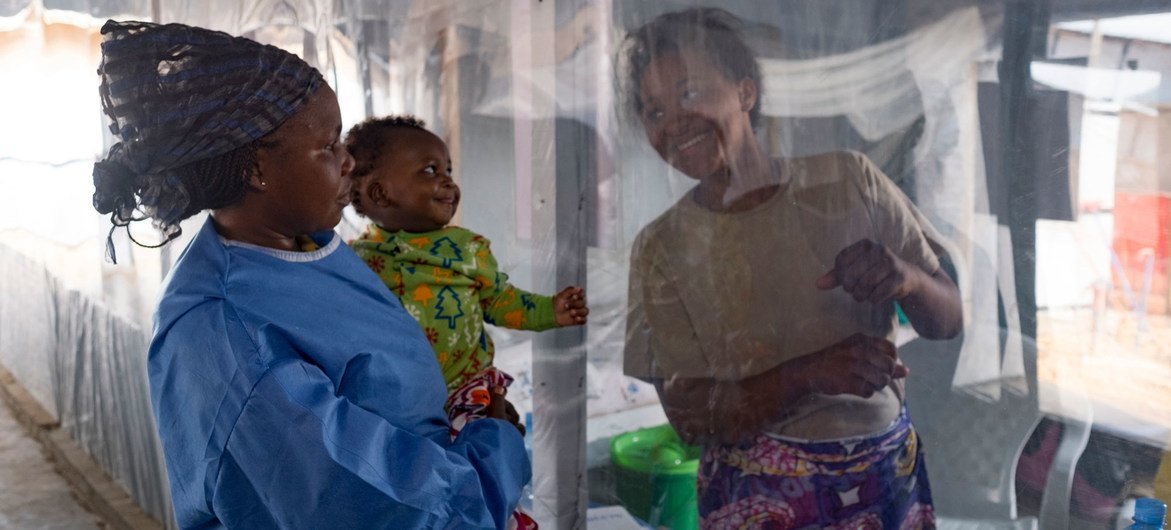
Ebola in DR Congo: One Month On, Scaled-Up Response Remains Insufficient
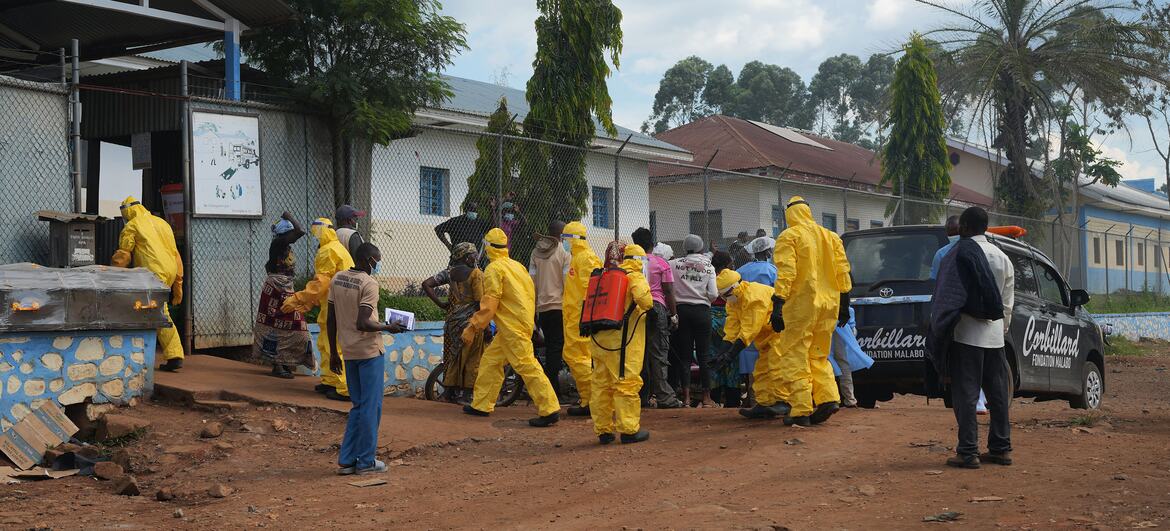
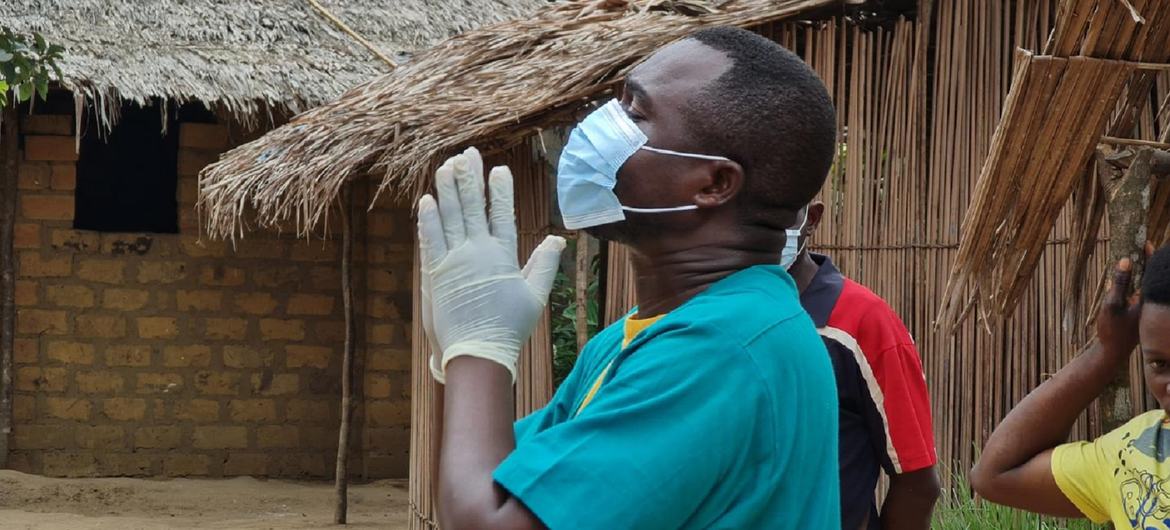
When a suspected case is reported in a community, an investigation team is immediately dispatched. If the alert is confirmed, the patient is referred to a transit centre to await laboratory...
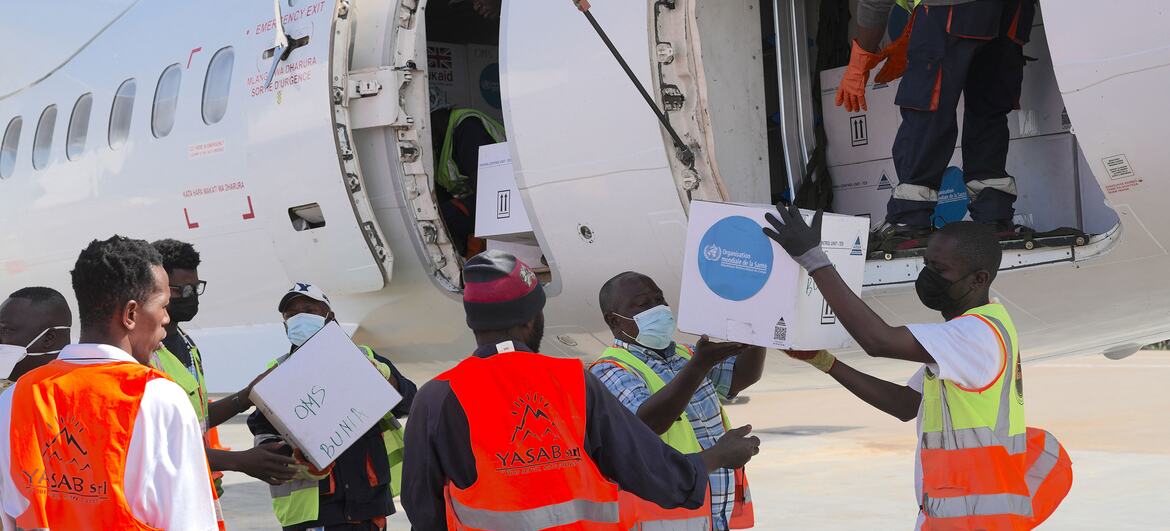
Uganda Contains Ebola, but Cross-border Risks Remain
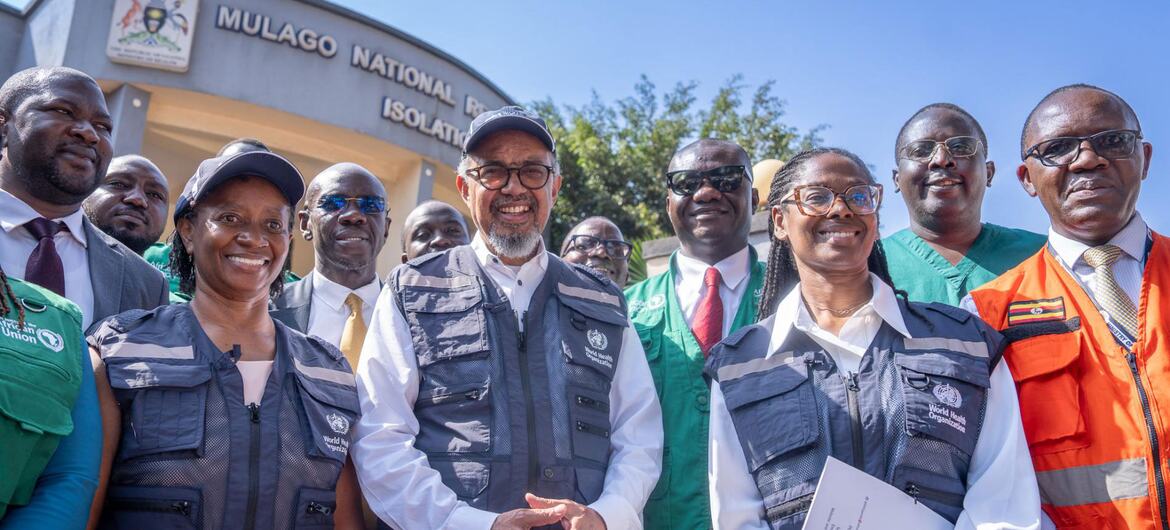
The World Health Organisation’s director-general, Tedros Adhanom Ghebreyesus, visited Uganda as part of a regional assessment mission and described the country’s response as robust....
- Most Viewed
- Most Popular



Our Network
Our Channels

© 2026 Al Jazeera Media Network. All rights reserved.