

In Congo, Four Nurses Walk Free as Ebola Fight Intensifies
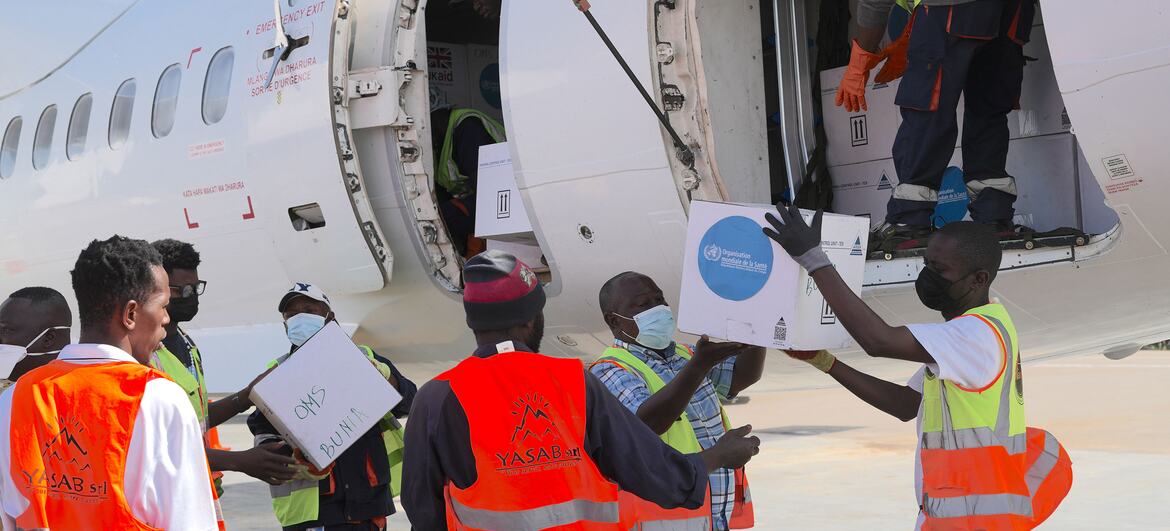
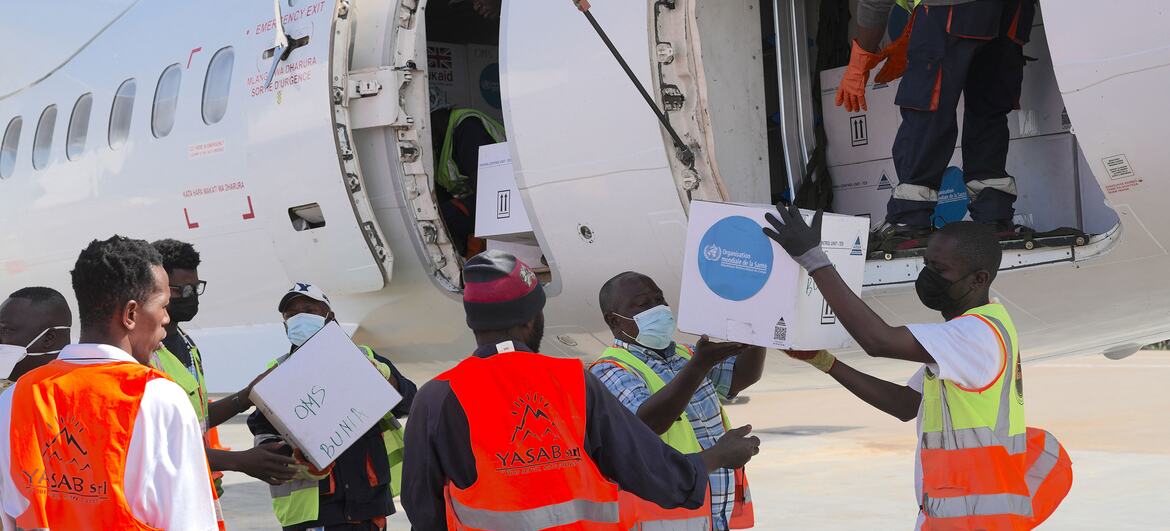
© WHO/Joël Lumbala A shipment of essential medical supplies for the Ebola response arrives at Bunia airport in Ituri province, DR Congo
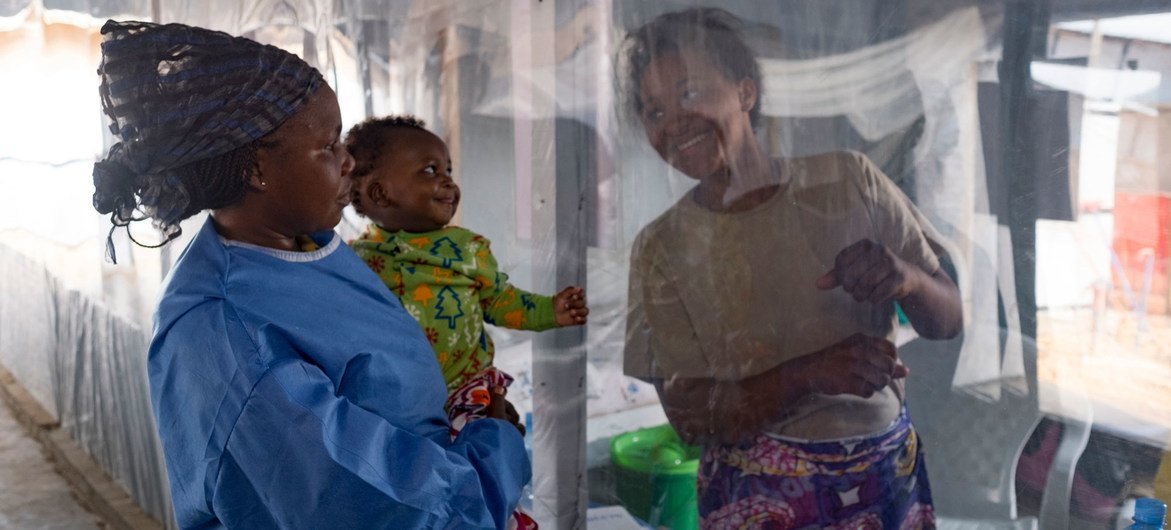
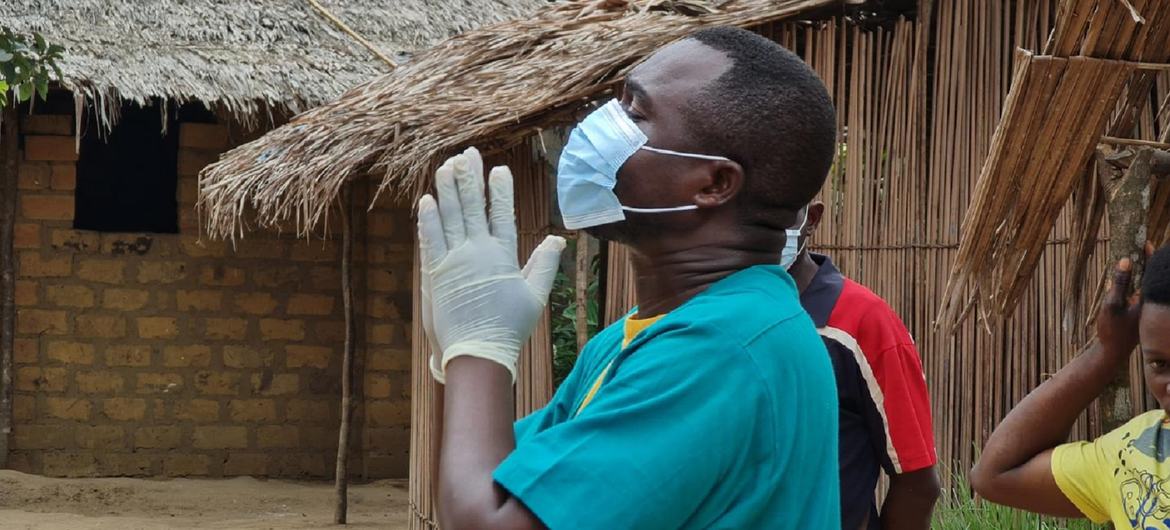
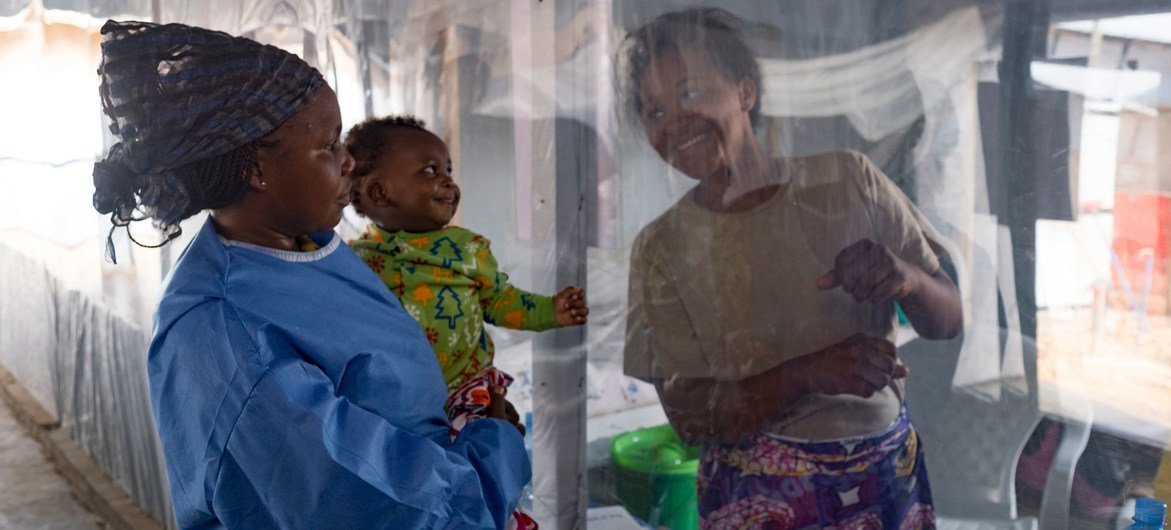
Four nurses who contracted Ebola in the eastern Democratic Republic of the Congo have been discharged from hospital after recovering from the disease, offering a measure of relief as the UN-partnered response to the outbreak intensifies. Together with a laboratory worker cleared the previous Thursday, five people have now recovered from the virus.
The announcement is welcome, but the situation remains serious. As of Sunday, 210 confirmed cases had been recorded in the country, with 17 confirmed deaths. Nearly 350 suspected cases are under investigation, and 16 health workers have contracted the disease in the current outbreak. The Bundibugyo strain of the Ebola virus, which sparked an international health alert when the outbreak was declared on 15 May, has no licensed vaccine or treatment. The World Health Organization has characterised it as “a disease you get when you care for someone.”
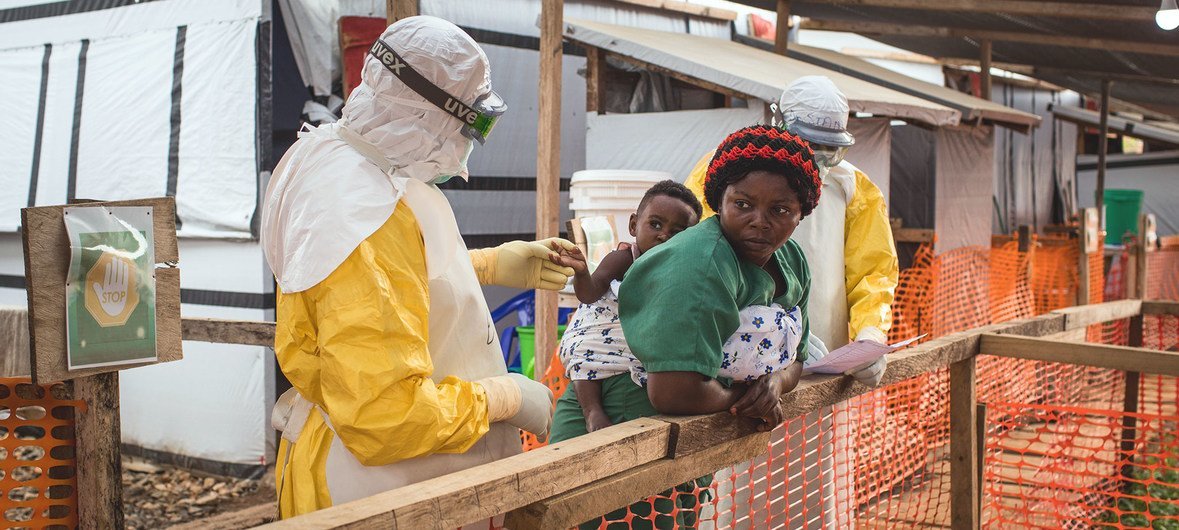
The outbreak is concentrated in Ituri province, as well as North Kivu and South Kivu. In Bunia, the likely epicentre and capital of Ituri, WHO has handed over a refurbished Ebola Treatment Centre with 24 beds and a capacity of 60, and is setting up an annexe with up to 42 additional beds. Containing the outbreak has been complicated by decades of conflict in the region, which has left 1.2 million people in Ituri province alone requiring humanitarian assistance. Cross-border transmission to neighbouring Uganda is also occurring, and a person from the United States who treated patients in Congo is still receiving care in Germany.
WHO advisory groups have identified several candidate treatments and vaccines as promising enough to warrant evaluation in clinical trials. Three candidate therapeutics have been prioritised: the monoclonal antibodies MBP 134 and maftivimab, and the antiviral remdesivir. For prevention, the oral antiviral obeldesivir is being prioritised as a post-exposure measure for those in contact with confirmed cases. Two candidate vaccines have been identified for evaluation once doses become available.
“Ebola caused by the Bundibugyo virus can be survived with good medical care, and some people here in Ituri have already recovered. Seeking care early makes a real difference. It is not without hope,” said WHO Director-General Tedros Adhanom Ghebreyesus, speaking in Bunia over the weekend.
Source: WHO, 1 June 2026
Ebola in DR Congo: One Month On, Scaled-Up Response Remains Insufficient
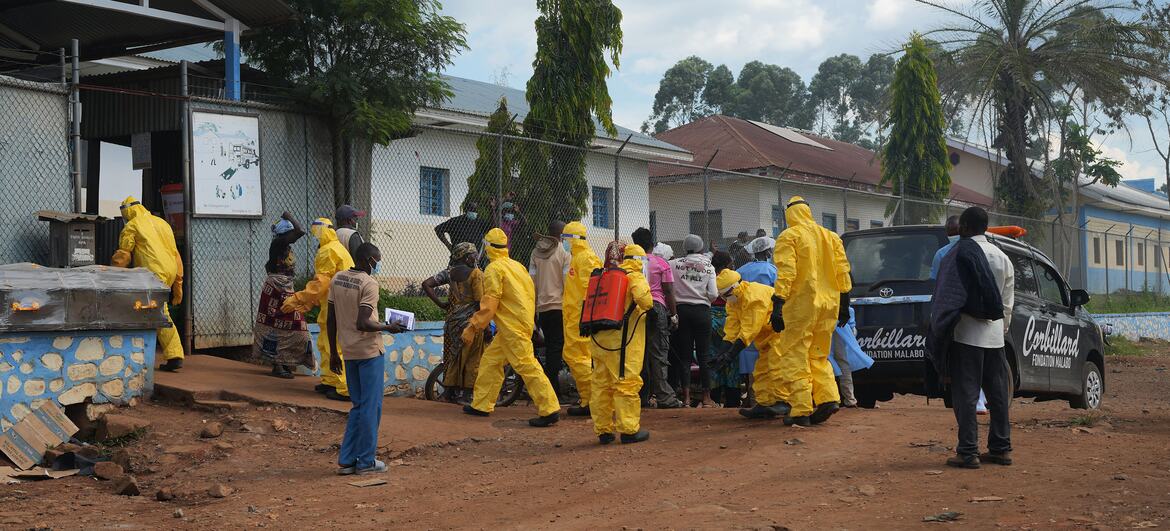
When a suspected case is reported in a community, an investigation team is immediately dispatched. If the alert is confirmed, the patient is referred to a transit centre to await laboratory...
Uganda Contains Ebola, but Cross-border Risks Remain
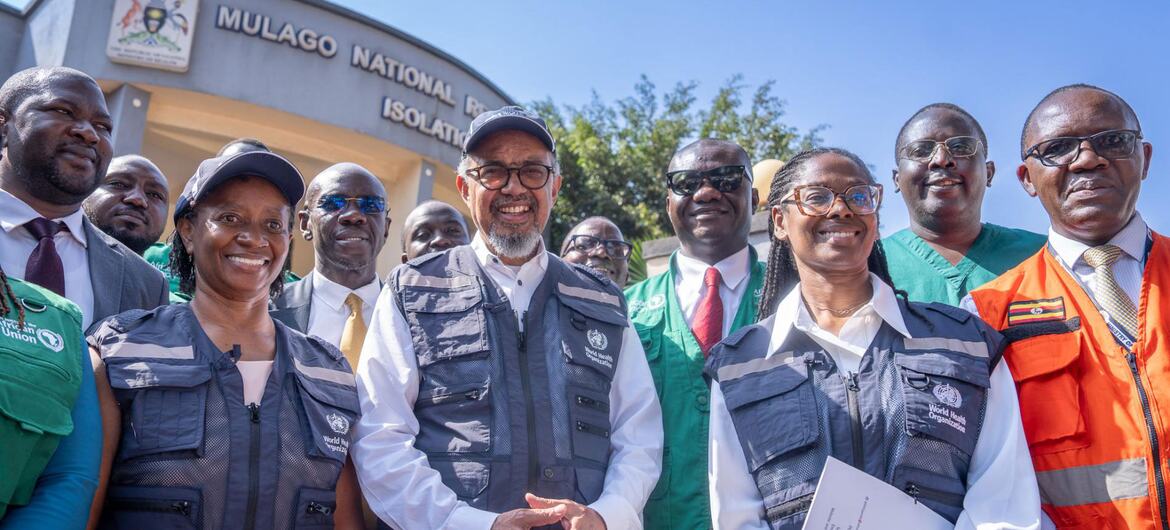
The World Health Organisation’s director-general, Tedros Adhanom Ghebreyesus, visited Uganda as part of a regional assessment mission and described the country’s response as robust....
- Most Viewed
- Most Popular



Our Network
Our Channels

© 2026 Al Jazeera Media Network. All rights reserved.