
Vaccines Have Saved Millions, but the Battle Is Far from Won
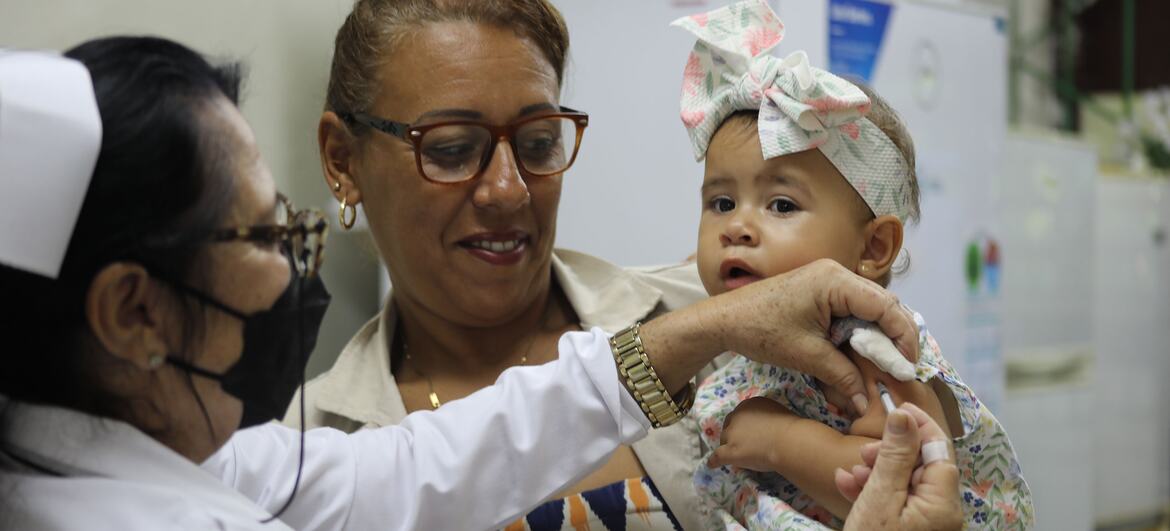
© UNICEF A child is vaccinated against multiple diseases at a health centre in Cuba.
Few interventions in the history of medicine can match the vaccine for sheer reach. Over the past 50 years, inoculations against measles, diphtheria, pertussis, polio and rotavirus have saved more than 150 million lives. Science has since extended the arsenal considerably: effective vaccines now exist for malaria, the human papillomavirus, cholera, dengue, meningitis, RSV, Ebola and mpox. World Immunization Week, which runs from April 24th to 30th, commemorates these gains. But this year’s observance carries a sobering undertone.
The World Health Organization (WHO) has used the occasion to draw attention to a midterm assessment of the Immunization Agenda 2030, a global campaign it leads. The findings give little cause for complacency. Most of the agenda’s targets remain off track. Gaps in routine coverage persist, equity between rich and poor populations has not narrowed as hoped, and outbreak prevention has lagged behind ambition. The causes are familiar and mutually reinforcing: the disruption wrought by the COVID-19 pandemic, instability produced by geopolitical conflict and the chronic shortage of financing that bedevils public health in lower-income countries.
The consequences of such gaps compound quickly. Vaccination is unusual among medical interventions in that its benefits are collective as well as individual. When coverage falls, herd immunity erodes and diseases that had retreated begin to circulate again. Measles outbreaks have returned to countries that had previously eliminated the virus, a reminder that progress in public health is never self-sustaining.
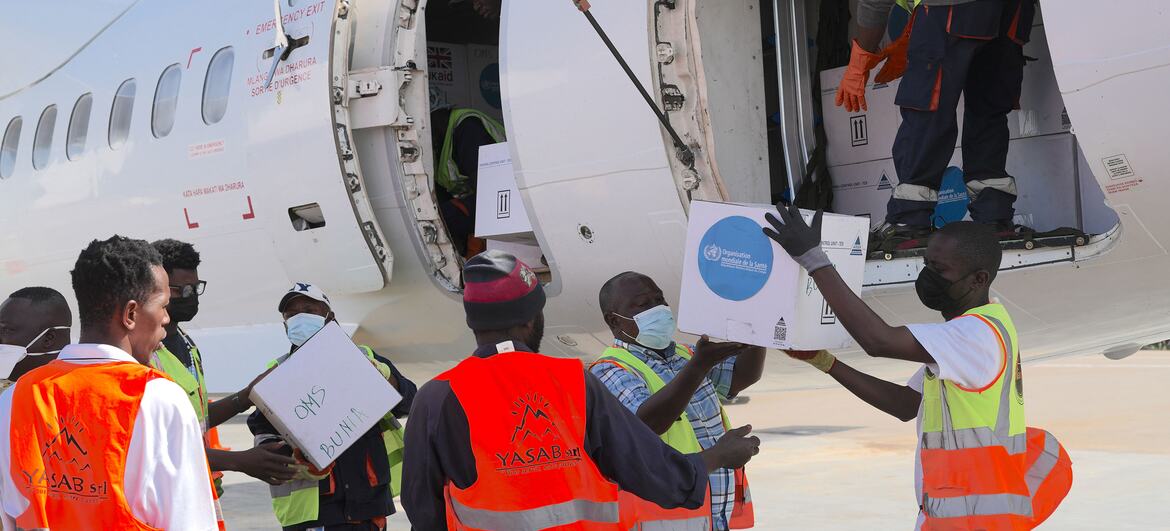
There are, however, grounds for measured optimism. The WHO, UNICEF and the Vaccine Alliance (GAVI) have reported that the Big Catch-Up, an international effort launched in 2023 to reverse pandemic-era vaccination declines, has reached an estimated 18.3 million children aged one to five across 36 countries. The campaign has also delivered 23 million doses of inactivated polio vaccine to children who were unvaccinated or undervaccinated. It is on track to meet its target of reaching at least 21 million children in total, a modest but meaningful sign that concerted effort can still move the needle.
The broader lesson of five decades of immunisation is not merely scientific. It is logistical, political, and financial. Producing an effective vaccine is only the first step; getting it into the arms of children in remote or conflict-affected regions requires sustained political will, dependable supply chains, and predictable funding. All three have proved difficult to maintain. The midterm report on the Immunization Agenda 2030 is, in effect, a reminder that the distance between a vaccine’s discovery and its delivery remains one of the most consequential gaps in global health.
Sources: WHO; UNICEF; GAVI; Immunization Agenda 2030 midterm report
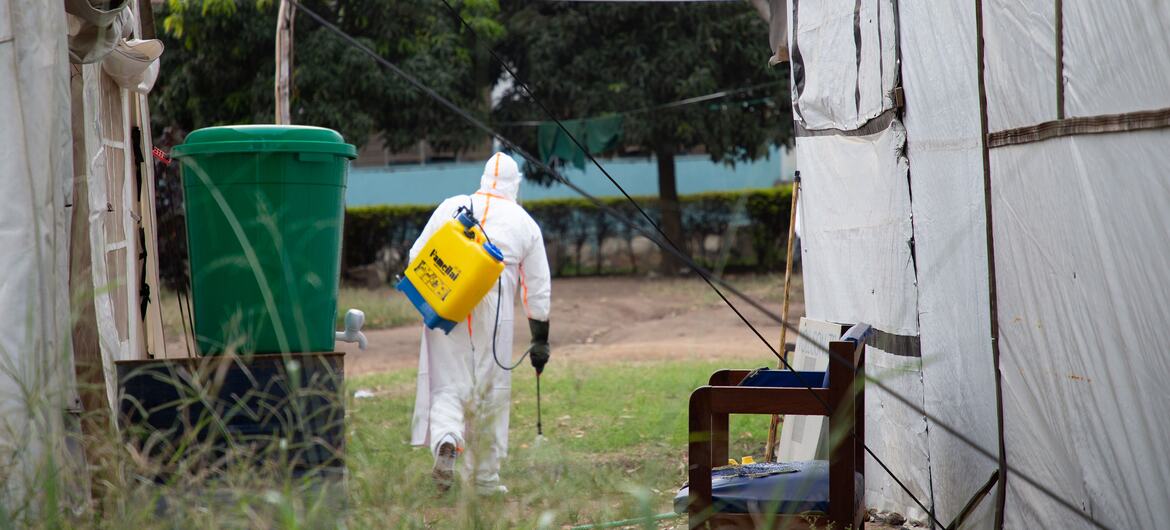
Global Ebola Cases Top 1,000 As UN Races to Reach DR Congo’s Most Vulnerable
UNICEF’s Executive Director, Catherine Russell, identified the structural reasons for children’s vulnerability. “Children are especially vulnerable because they depend on...
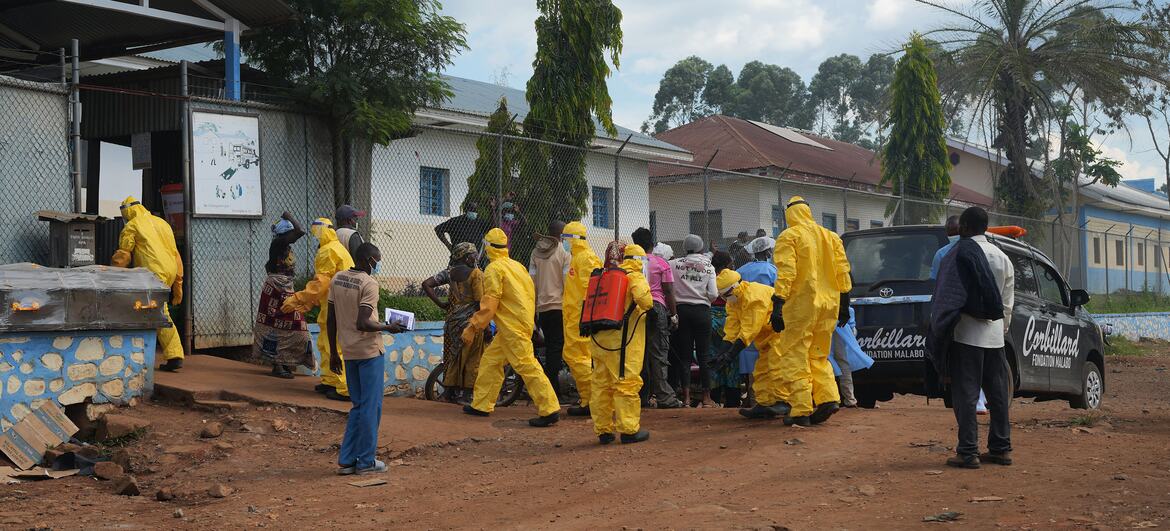
Ebola in DR Congo: One Month On, Scaled-Up Response Remains Insufficient
When a suspected case is reported in a community, an investigation team is immediately dispatched. If the alert is confirmed, the patient is referred to a transit centre to await laboratory...


Our Network
Our Channels

© 2026 Al Jazeera Media Network. All rights reserved.