

Al Jazeera Media Network in Lusaka

Mariya Gabriel, UNESCO's Assistant Director-General for Communication and Information.
At a pivotal UNESCO conference on press freedom, Al Jazeera Media Network played a quiet but consequential role, strengthening old partnerships and laying the groundwork for new ones in the fight against impunity
A Seat at the Table
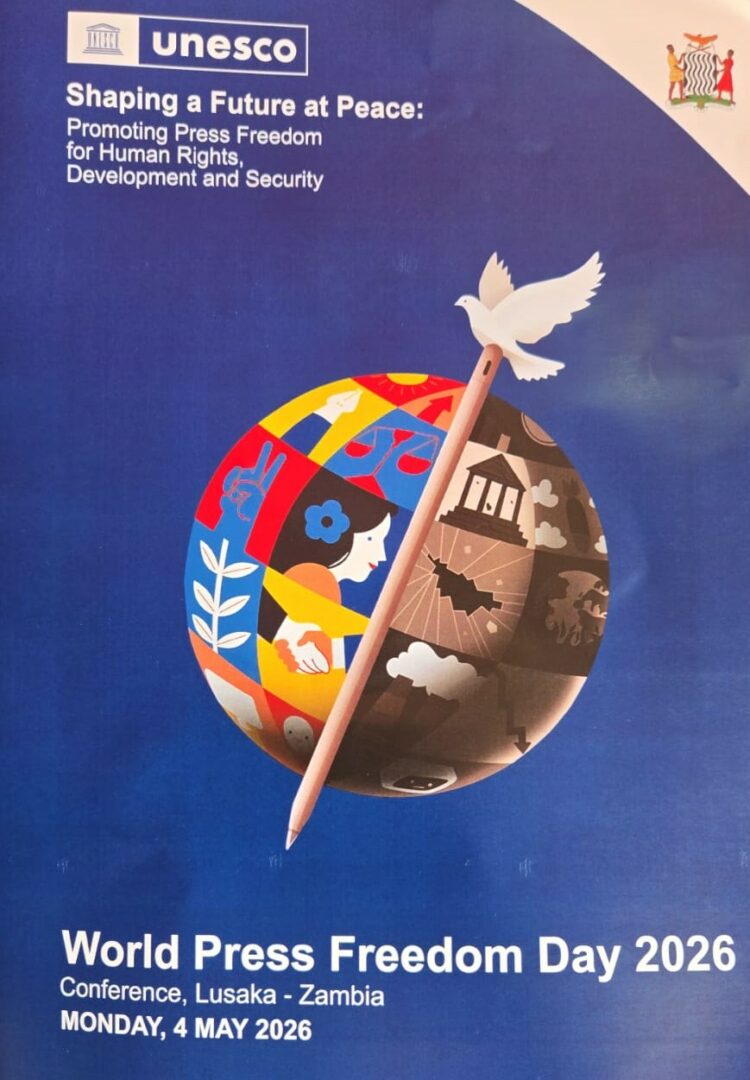
There is something fitting about Al Jazeera Media Network’s presence at the UNESCO World Press Freedom Day Global Conference in Lusaka, Zambia, in early May 2026. The network, which was founded in Doha in 1996 and has since become one of the world’s most watched international broadcasters, did not arrive in Zambia merely as an observer. It arrived as a participant with a particular kind of standing: a media organisation that has experienced, with singular acuity, the dangers that the conference was convened to address. Its journalists have been imprisoned, killed, expelled, and silenced. Its offices have been bombed and forcibly closed. When AJMN speaks about the safety of journalists and the culture of impunity that surrounds attacks on the press, it speaks from direct and painful experience.
The conference programme placed AJMN at its centre in an explicit way: Carlos Van Meek, the network’s Deputy Executive Director of Editorial for its Digital Division, served as speaker he dliverd a speech on behalf of AJMN. Van Meek contributed to the closing plenary session, designed to reflect on the key outcomes and messages of the day and to set the stage for continued action beyond the event. It was a visible and symbolically charged role. The closing session of a major UNESCO conference is not a ceremonial afterthought; it is the moment at which the assembled Journalistic and diplomatic community attempts to distil its commitments into something durable and transmissible. Van Meek’s presence in that chair reflected the depth of AJMN’s integration into the press freedom community and its familiarity with the substantive debates that UNESCO convenes.
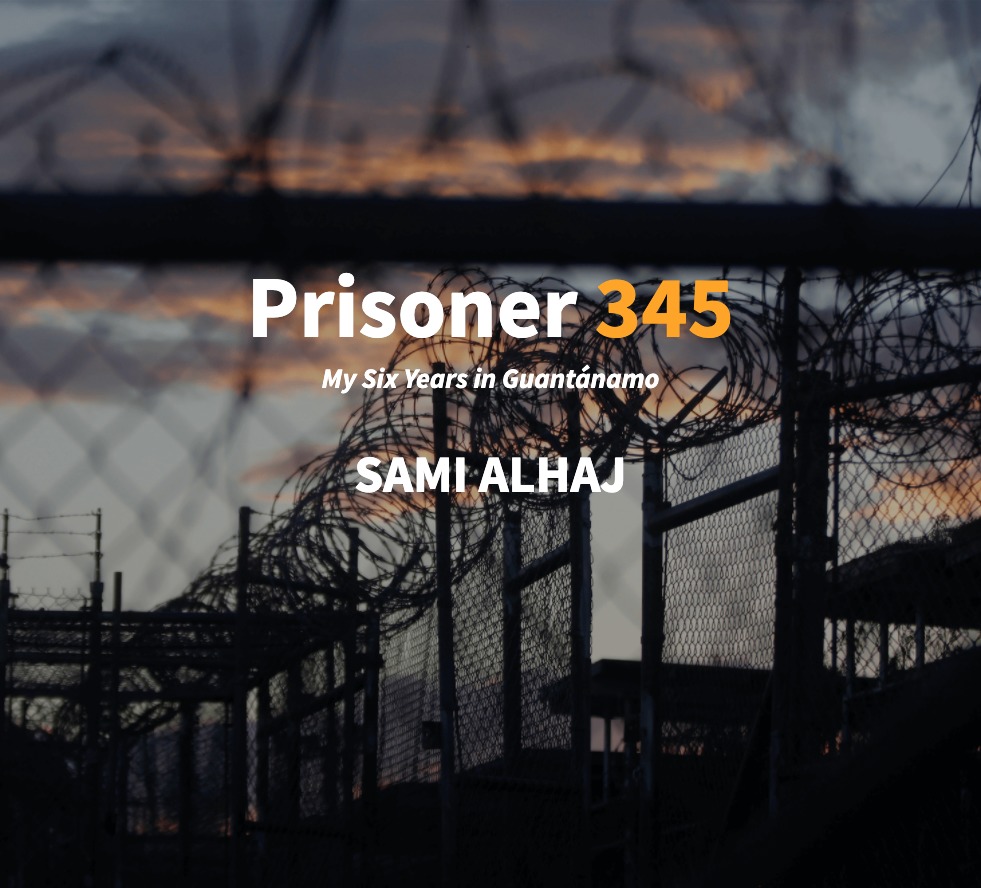
AJMN’s delegation included Sami Al Haj, director of the Al Jazeera Centre for Public Liberties and Human Rights, an institution established in 2008 that aims to be a leading media source in promoting the values of human rights and press freedom. Al Haj is himself a figure whose biography encodes the costs of journalism under authoritarian pressure. The delegation’s participation in Lusaka on May 4th, the conference’s principal day, ranged from institutional diplomacy to front-line engagement with the conference’s substantive programme.
James Bayes, a senior figure within the delegation, took on the additional responsibility of chairing the third main panel of the day on May 4th, on the theme of Media Viability, Pluralism and Inclusion. The panel explored pathways to viable, independent, and diverse media ecosystems, including support to local and community media, gender equality, inclusion of marginalised voices, and policies that strengthen long-term resilience. By independent accounts, Bayes’s session was among the most engaged and substantive of the day, drawing out the tensions between the structural economics of modern media and the democratic ideals that public-interest journalism is expected to serve.
The network also sponsored the general conference lunch for participants, an act of institutional hospitality that served a purpose beyond the merely social. At a gathering of journalists, advocates, policymakers, and technologists from across the world, the sponsored lunch provided a setting in which conversations begun in panel rooms could deepen and connections that might yield future collaboration could form. Al Haj used the occasion to deliver the network’s address, articulating AJMN’s position on the issues before the conference and underlining the network’s commitment to the principles that UNESCO was gathered to defend.
The Meeting with Mariya Gabriel
The delegation’s most consequential engagement of the day took place away from the main conference floor. Al Haj, Van Meek and Bayes secured a private meeting with Mariya Gabriel, UNESCO’s Assistant Director-General for Communication and Information, who also addressed the conference’s closing session. The meeting, brief by diplomatic standards but purposeful in its agenda, covered three distinct areas of common interest.
The first was an invitation. AJMN formally extended to UNESCO’s leadership an offer to participate in a global conference that the network intends to organise on the theme of ending impunity for crimes against journalists. The event is planned for November 2nd of this year, a date that is not coincidental: November 2nd is the International Day to End Impunity for Crimes Against Journalists, a date chosen by the United Nations General Assembly in 2013 after two French journalists were abducted and killed in Mali, in recognition of the pattern by which unprosecuted crimes against reporters invite further violence. AJMN’s conference is intended to take place in partnership with the National Human Rights Committee of Qatar, combining the network’s media reach with an institutional human rights framework. Securing UNESCO’s participation would add multilateral legitimacy to an event whose subject matter the organisation knows intimately.
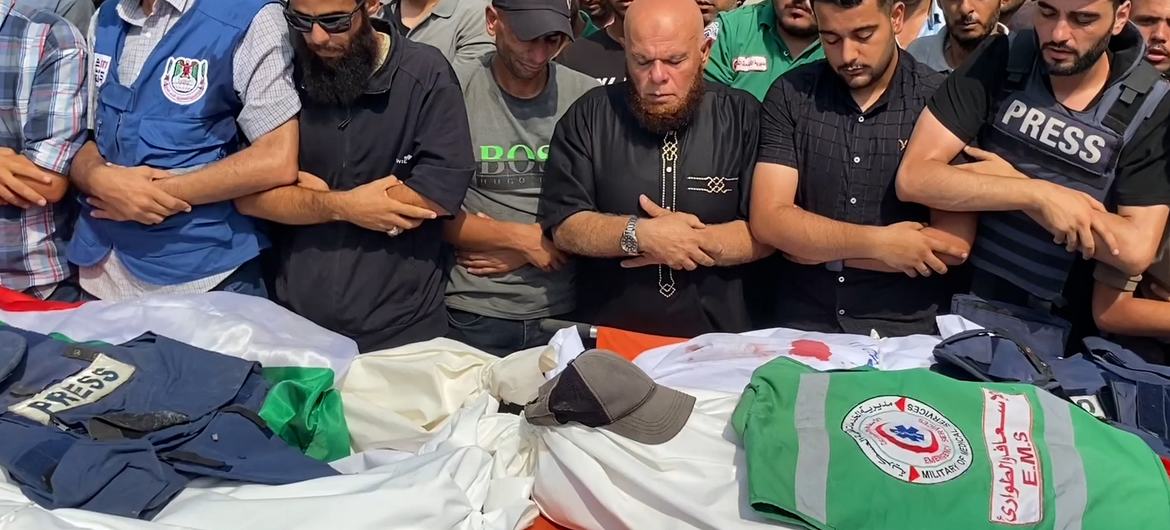
The scale of the problem that conference will address is not in dispute. Since 2006, more than 1,800 reporters and media workers have been killed in the line of duty, and close to nine in ten of those murders have gone unpunished. The impunity rate around the killing of journalists stands at 85% of cases identified by UNESCO since 2006, which are still unsolved or have been abandoned. As UNESCO itself has observed, impunity breeds impunity: each unprosecuted crime becomes, in effect, an invitation to the next.
The second item on the meeting’s agenda concerned the renewal of the Memorandum of Understanding between AJMN and UNESCO. The existing agreement has underpinned more than 15 documented partnerships and joint activities since the Centre for Public Liberties and Human Rights was established, ranging from journalist safety training to collaborative campaigns on World Press Freedom Day. UNESCO has described its relationship with AJMN as a long partnership on the issues of press freedom and the safety and quality of journalism. The opening of formal discussions to renew and potentially expand the MOU signals that both parties regard the relationship as one worth deepening rather than merely maintaining.
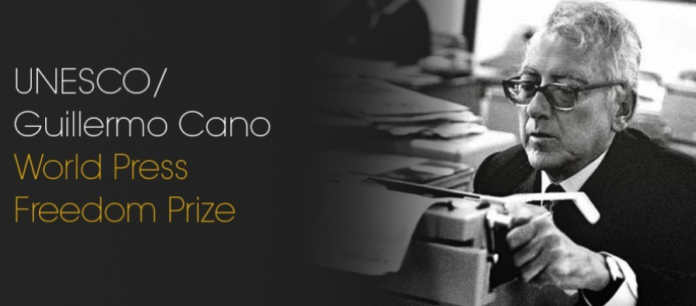
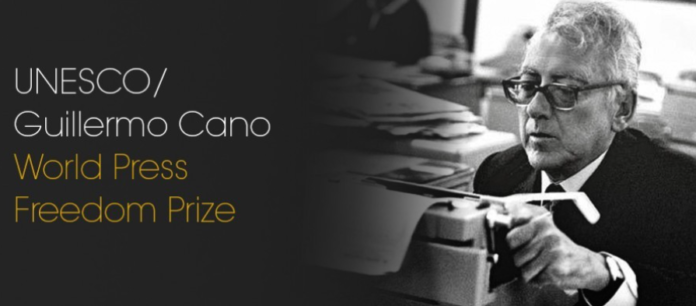
The third item was a proposal for a new joint initiative specifically focused on journalist safety amid the escalating violence of armed conflict. The proposal envisages a collaborative project that would illuminate the stories of journalists killed in conflict zones, as well as those who survived but were so severely injured that they could not return to their work. Framing is important. Much of the institutional language around journalist safety deals in aggregate statistics: numbers killed, numbers imprisoned, numbers forced into exile. The proposed initiative would instead centre the individual, making visible the specific human cost of impunity in ways that statistics alone cannot convey. In the context of a conference at which the Sudanese Journalists Syndicate had just received UNESCO’s Guillermo Cano Prize for its work documenting 32 journalist deaths and 556 violations since 2023, the proposal carried immediate moral weight.
A Partnership Forged in Necessity
The relationship between AJMN and UNESCO is neither new nor complicated. It began in earnest in the years following the network’s establishment, when AJMN’s reporters were already operating in conditions that most Western broadcasters rarely faced. The network’s Arabic-language journalists had been expelled from multiple states. Its offices had been destroyed. Its staff had been targeted, imprisoned, and in some cases killed. AJMN established a monument at its headquarters in Doha carrying the names of those who have paid the ultimate price in the line of duty.
That monument is not merely commemorative. It is a statement of institutional identity: a declaration that the network regards the martyrdom of its journalists not as collateral incident but as the defining event of its history and the animating purpose of its advocacy. When AJMN calls for accountability and the end of impunity, it does so with the specificity that generalist advocacy bodies often cannot match. It knows the names. It knows the circumstances. It has, in many cases, documented the crimes on camera.
Joint activities have included specialised training sessions conducted in partnership with the International Federation of Journalists, aimed at enhancing the capacities of journalists working in dangerous and hostile environments, with a focus on physical, psychological, legal, and digital safety protocols. These activities have taken place in some of the world’s most difficult environments for journalism, including the Palestinian territories. AJMN worked on the International Declaration on the Protection of Journalists with the International Press Institute and the International News Safety Institute, an initiative that UNESCO has sought to bring before the United Nations as a declaration with the force to compel governments to abide by its terms.
The Broader Context
The Lusaka conference took place at a moment when the case for such partnerships was impossible to dispute. A report by the Watson Institute for International and Public Affairs found that Israel’s war on Gaza was the deadliest conflict for media workers ever recorded, with Israeli forces having killed 232 Palestinian journalists since October 2023, more than died in both world wars, the Vietnam War, the wars in Yugoslavia, and the United States war in Afghanistan combined. AJMN’s own losses in that conflict have been among the most visible, and the network has been unwavering in its insistence that those responsible be held to account.
The 2026 RSF World Press Freedom Index, published days before the Lusaka conference, confirmed that the conditions enabling such impunity are global rather than exceptional. For the first time in the history of the index, over half of the world’s countries now fall into the “difficult” or “very serious” categories for press freedom, and the index’s legal indicator has declined the most over the past year, a clear sign that journalism is increasingly criminalised worldwide.
Against that backdrop, the work that AJMN’s delegation undertook in Lusaka acquires a significance beyond the immediate. The sponsored lunch, the moderated panel, the closed meeting with UNESCO’s assistant director-general: each was a small action in a very large struggle. But the struggle for press freedom has always been composed of such actions, accumulated over decades, by organisations and individuals who understand that the alternative to engagement is silence.
The conference, for all its formal conclusion, left considerable work undone. The agreements sketched in meetings must be formalized. The November conference must be planned and populated. The MOU must be renegotiated and signed. The joint initiative on fallen journalists must move from proposal to programme. None of this is straightforward. None of it can wait.
Sources:
- UNESCO, “World Press Freedom Day 2026 Conference Programme,” 4 May 2026. https://www.unesco.org/en/press-freedom/programme-2026
- UNESCO, “World Press Freedom Day 2026 Side Events,” accessed 6 May 2026. https://www.unesco.org/en/press-freedom/side-events2026
- UNESCO, “UNESCO/Guillermo Cano World Press Freedom Prize 2026 Awarded to the Sudanese Journalists Syndicate,” 4 May 2026. https://www.unesco.org/en/articles/unesco/guillermo-cano-world-press-freedom-prize-2026-awarded-sudanese-journalists-syndicate
- Al Jazeera Media Network, “Al Jazeera Public Liberties and Human Rights Centre,” accessed 6 May 2026. https://network.aljazeera.net/en/channels/aljazeera-public-liberties-human-rights-centre
- Al Jazeera, “What is UNESCO-Al Jazeera’s Journalism Matters Project?,” 3 April 2017. https://www.aljazeera.com/features/2017/4/3/what-is-unesco-al-jazeeras-journalism-matters-project
- UNESCO, “UNESCO, Al-Jazeera Media Network and International Federation of Journalists Concluded Training Sessions on Advancing Safety,” 15 February 2020. https://www.unesco.org/en/articles/unesco-al-jazeera-media-network-and-international-federation-journalists-concluded
- Al Jazeera, “One Journalist Killed Every Four Days in 2022-23, Most Cases Unpunished: UN,” 2 November 2024. https://www.aljazeera.com/news/2024/11/2/one-journalist-killed-every-four-days-in-2022-23-most-cases-unpunished-un
- Al Jazeera Media Network, “End the Killings: Al Jazeera Demands Protection for Journalists in Gaza,” accessed 6 May 2026. https://network.aljazeera.net/en/press-releases/end-killings-al-jazeera-demands-protection-journalists-gaza
- Al Jazeera, “World Press Freedom Day: Gaza Conflict Deadliest for Journalists,” 3 May 2026. https://www.aljazeera.com/news/2026/5/3/pope-honors-journalists-killed-in-war-zones-on-world-press-freedom-day
- Human Rights and Public Liberties (Al Jazeera), “Why Murdering Journalists Still Goes Unpunished?,” accessed 6 May 2026. https://liberties.aljazeera.com/en/why-murdering-journalists-still-goes-unpunished/
- Reporters Without Borders, “2026 RSF Index: Press Freedom at a 25-Year Low,” 30 April 2026. https://rsf.org/en/2026-rsf-index-press-freedom-25-year-low
- Al Jazeera Media Network, “Al Jazeera Celebrates World Press Freedom Day,” 3 May 2016. https://network.aljazeera.net/en/pressroom/al-jazeera-celebrates-world-press-freedom-day-0
- UNESCO, “Joint Global Commemoration by UNESCO and African Union Calls for Improved Safety of Journalists,” November 2024. https://www.unesco.org/en/articles/joint-global-commemoration-unesco-and-african-union-calls-improved-safety-journalists-crises-and

Russia’s Safronov: A Journalistic Casualty of Kremlin
Amnesty International’s designation of him as a prisoner of conscience highlights unfair, secretive trials and reprisals against legal defenders.
Press & The Machinery of Suppression
UNESCO’s assessment places the current decline in a broader historical frame. The deterioration in global press freedom since 2012 is, the organisation concludes, comparable in depth only...
- Most Viewed
- Most Popular



Our Network
Our Channels

© 2026 Al Jazeera Media Network. All rights reserved.