
Press & The Machinery of Suppression
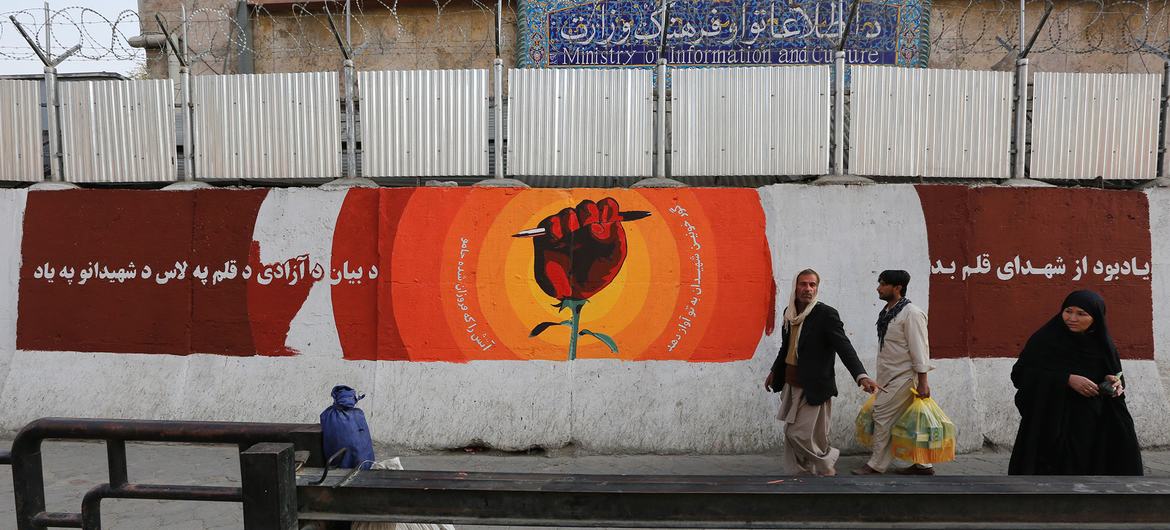
The legal indicator in RSF's index recorded its steepest decline of any of the five metrics assessed, a finding RSF describes as a clear sign that journalism is increasingly being criminalised worldwide.
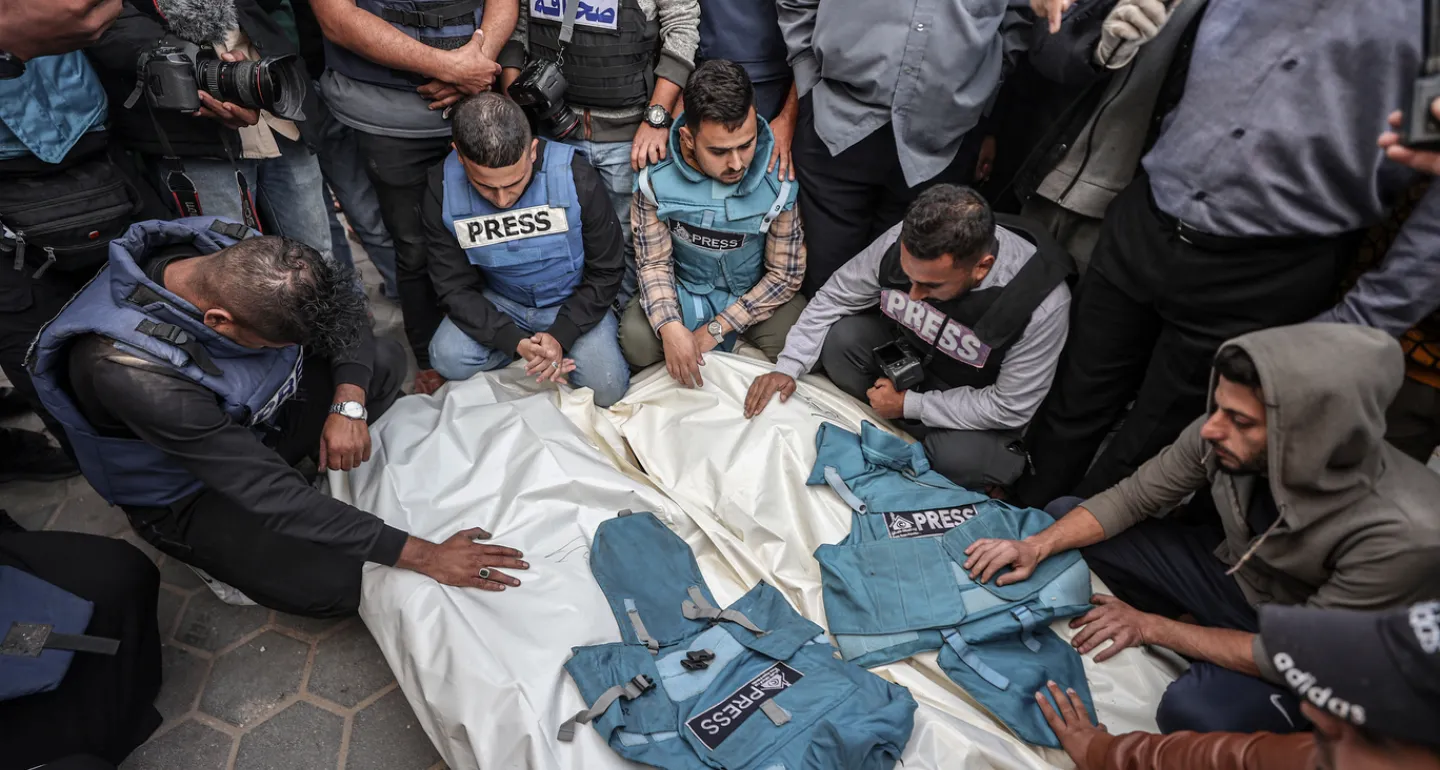
What makes the present moment particularly alarming is not merely the scale of the decline but its diversification. Governments no longer rely solely on imprisonment or physical violence to silence journalists. Self-censorship, driven by fear of reprisals, online harassment, judicial intimidation, and economic vulnerability, has grown by more than 60% according to UNESCO’s World Trends Report covering 2022 to 2025.
The legal indicator in RSF’s index recorded its steepest decline of any of the five metrics assessed, a finding RSF describes as a clear sign that journalism is increasingly being criminalised worldwide. More than 60% of countries assessed, 110 out of 180, have used legal mechanisms to criminalise media workers in various forms.
UNESCO’s assessment places the current decline in a broader historical frame. The deterioration in global press freedom since 2012 is, the organisation concludes, comparable in depth only to three other periods: the First World War, the years preceding the Second World War, and the most fraught phase of the Cold War in the late 1970s. That comparison should give pause to anyone inclined to treat the current situation as a normal fluctuation rather than a structural rupture
Press Freedom Has fallen
For the tenth consecutive year, Norway topped the RSF ranking, followed by the Netherlands and Estonia. Only seven countries in total were rated as having “good” press freedom. They...
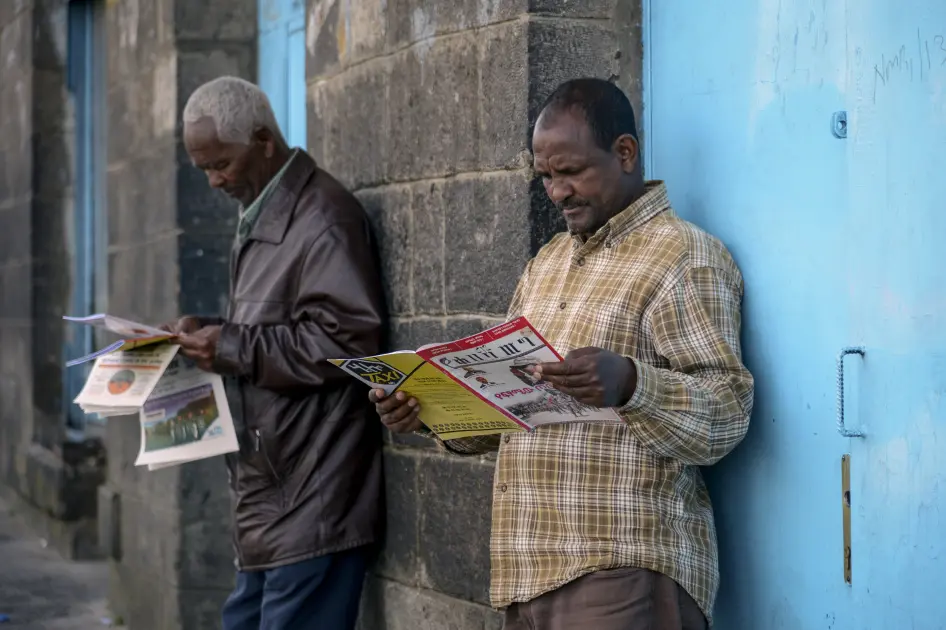
Journalism: Where Danger Concentrates
Eritrea ranks last among all 180 countries assessed, a position it has held for three consecutive years. Among those imprisoned there is Dawit Isaak, a journalist who has now spent 25 years in...
- Most Viewed
- Most Popular

Our Network
Our Channels

© 2026 Al Jazeera Media Network. All rights reserved.