
Press Freedom Has fallen
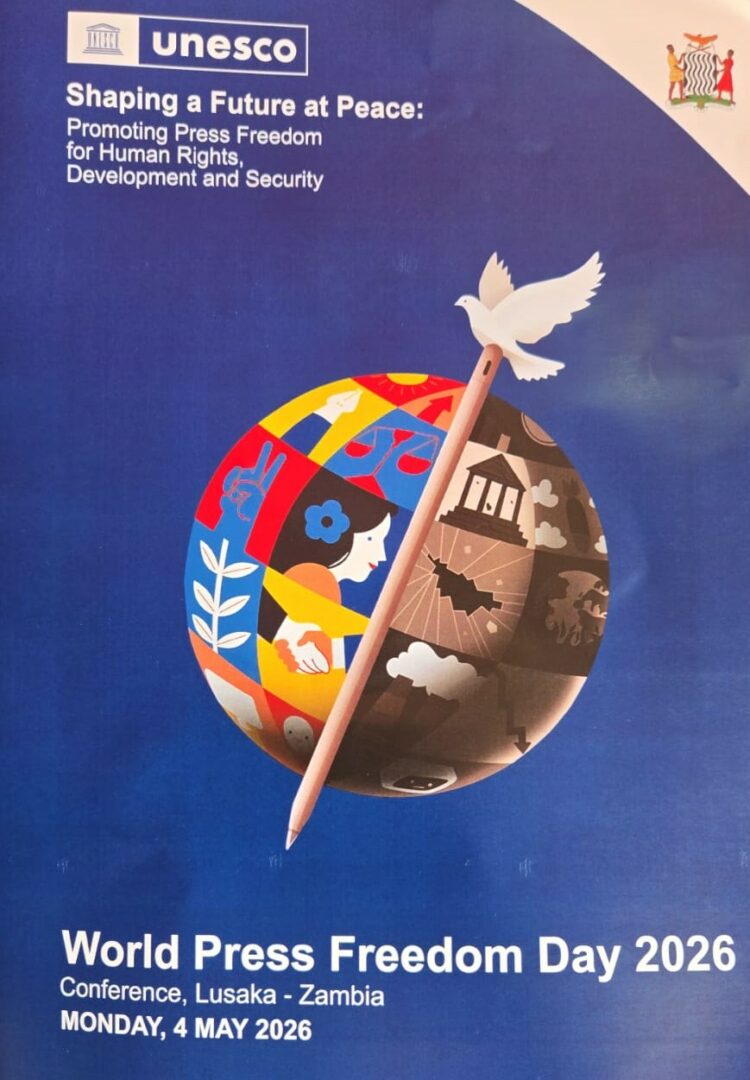
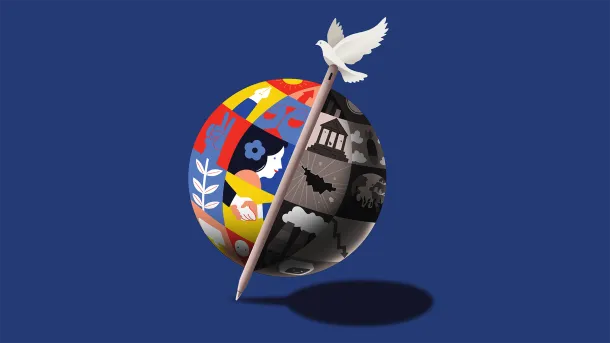
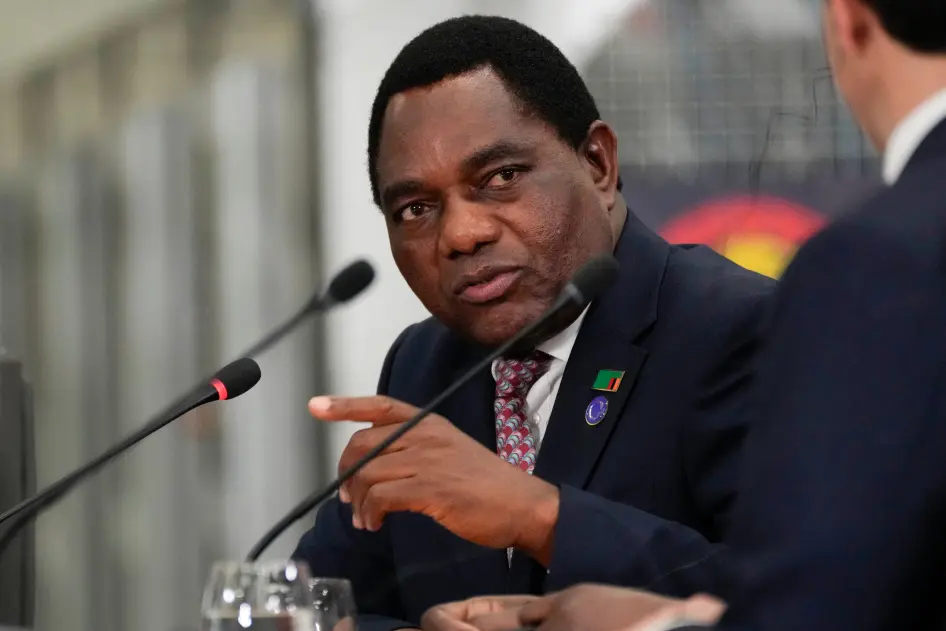
The 2026 World Press Freedom Day conference gathered in Lusaka, Zambia, under the title “Shaping a Future of Peace.” Co-hosted by UNESCO and the government of Zambia, the event brought together press freedom advocates, digital rights communities, journalists, technologists, and policymakers. The theme reflected a growing recognition that the boundaries between journalism, technology, civic space, and human rights are no longer cleanly separable. Artificial intelligence loomed large over the proceedings, both as a tool being weaponised by malicious actors to manufacture and amplify disinformation, and as an emerging challenge to the economic foundations of independent media.
The conference also acknowledged a note of fragile hope. Post-Assad Syria rose 36 places in the RSF index, the largest single-year improvement of any country in 2026, moving from 177th to 141st. The fall of Bashar al-Assad’s regime has not produced a free press overnight, but it has loosened the grip of the most comprehensive apparatus of information control the modern Arab world has seen. That improvement, modest and precarious, is a reminder that political change, when it comes, can move quickly.
For the tenth consecutive year, Norway topped the RSF ranking, followed by the Netherlands and Estonia. Only seven countries in total were rated as having “good” press freedom. They are, without exception, small, wealthy, and mostly Nordic. The percentage of the world’s population living in countries where press freedom is rated as “good” has fallen from 20% in 2002 to less than 1% in 2026. That figure, more than any other, captures the true depth of what has been lost.
Journalism: Uncomfortable Assumptions
The Americas more broadly are suffering. Argentina has fallen 11 places to 98th under a government whose contempt for established media has been an explicit part of its political identity. El...
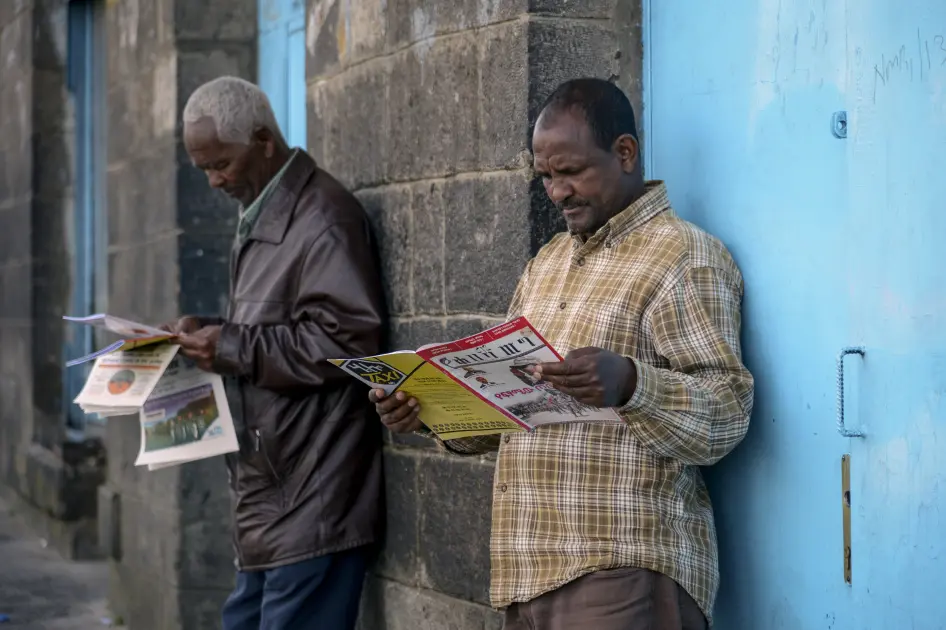
Journalism: Where Danger Concentrates
Eritrea ranks last among all 180 countries assessed, a position it has held for three consecutive years. Among those imprisoned there is Dawit Isaak, a journalist who has now spent 25 years in...
- Most Viewed
- Most Popular


Our Network
Our Channels

© 2026 Al Jazeera Media Network. All rights reserved.