
Press Freedom Is Good for Just 1% of Humanity
Global political dynamics are reinforcing the trend.
The latest World Press Freedom Index from Reporters Without Borders records a historic decline: more than half of all countries are now classified as having a difficult or very serious press freedom environment. Only 1% of the world’s population currently lives in a country where press freedom is considered good. Two decades ago, that figure stood at 20%.
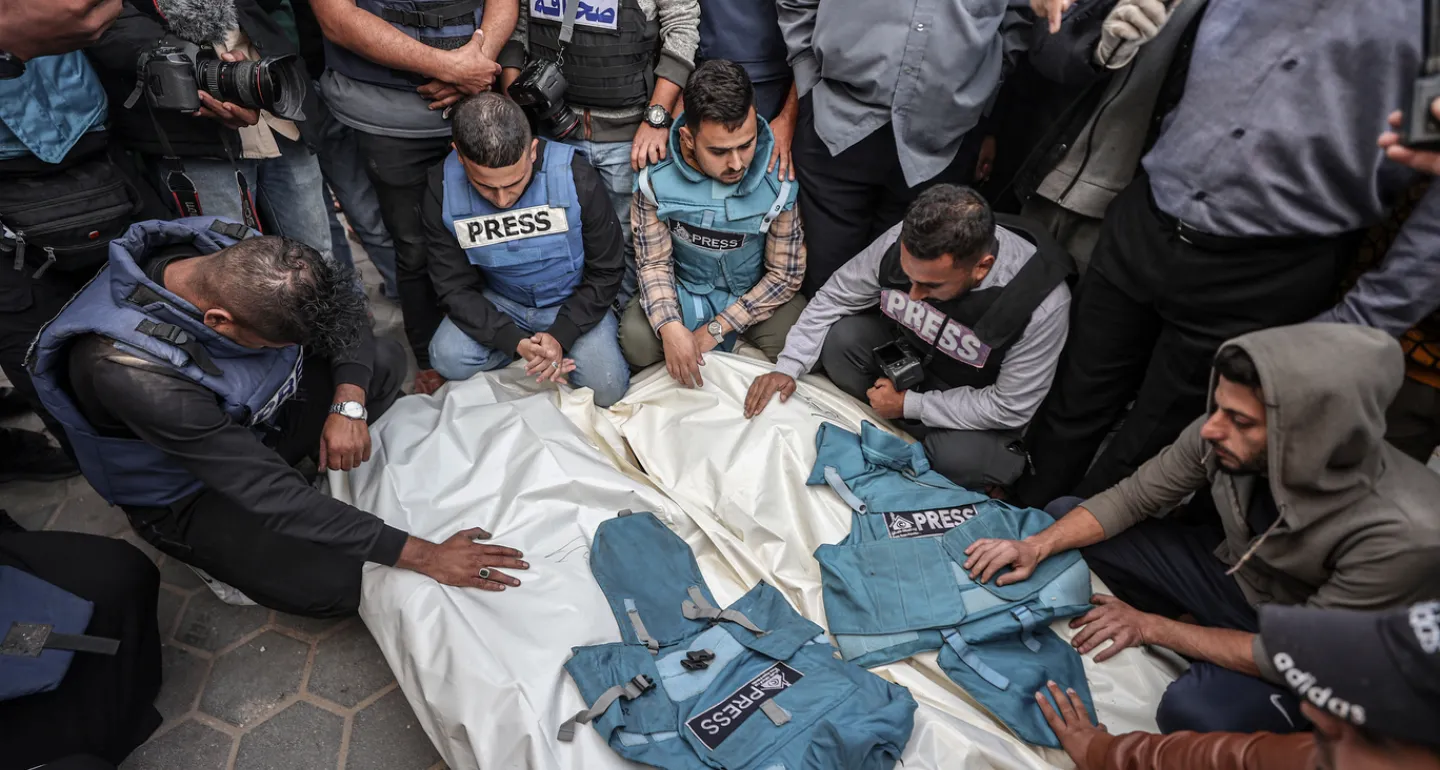
The deterioration is driven by several converging pressures. Governments are tightening legislation under the banner of national security, limiting access to information and eroding fundamental rights. Strategic lawsuits against public participation, known as SLAPPs, are being used to silence critical reporting not only in authoritarian states but in countries that rank relatively high on press freedom indices. In more than 80% of countries, measures to ensure journalists’ physical safety are considered insufficient or entirely absent.
Global political dynamics are reinforcing the trend. When prominent democracies weaken press freedom protections, the report’s backers argue, they create a permissive signal for restrictions elsewhere. Exceptions exist in Syria, improvements in legislation and working conditions for journalists since the change of government indicate that deterioration is not irreversible when independent media receive sustained support. Free Press Unlimited, which published these figures to mark World Press Freedom Day on 3 May, supports journalists through safety training, legal assistance, and advocacy for stronger legal protections.
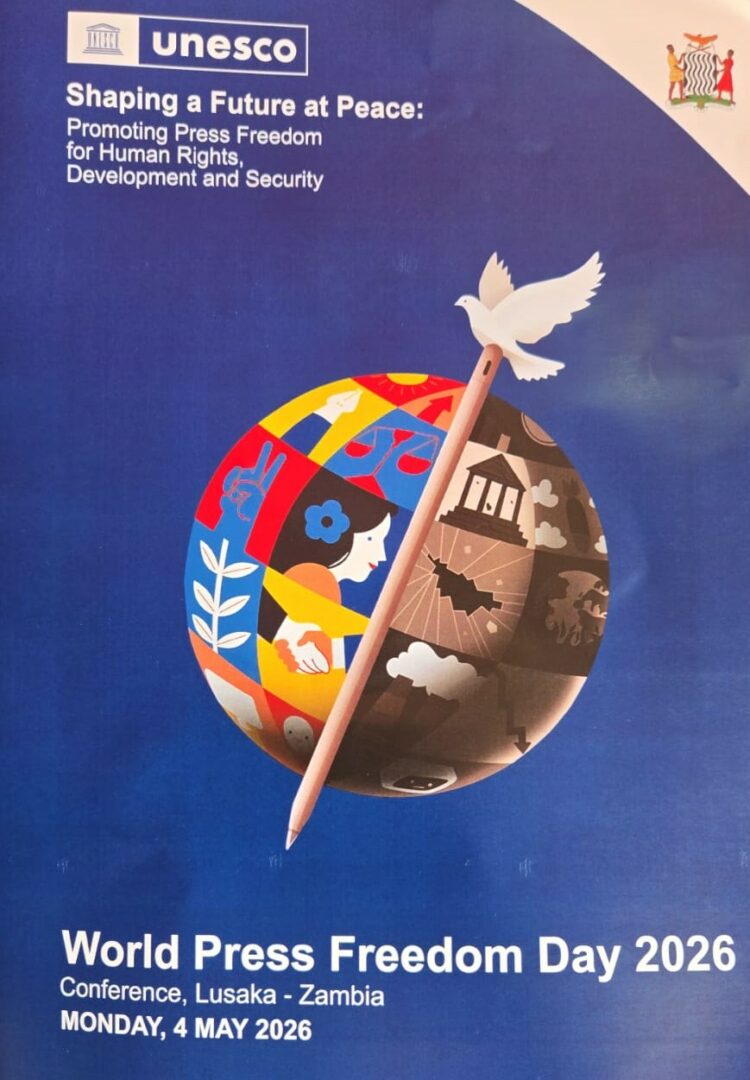
Source: Free Press Unlimited / Reporters Without Borders World Press Freedom Index, published for World Press Freedom Day, 3 May 2026

Journalism: Uncomfortable Assumptions
The Americas more broadly are suffering. Argentina has fallen 11 places to 98th under a government whose contempt for established media has been an explicit part of its political identity. El...
Press Freedom Has fallen
For the tenth consecutive year, Norway topped the RSF ranking, followed by the Netherlands and Estonia. Only seven countries in total were rated as having “good” press freedom. They...
- Most Viewed
- Most Popular






Our Network
Our Channels

© 2026 Al Jazeera Media Network. All rights reserved.