
The World Needs a Free Press. It is Getting the Opposite!
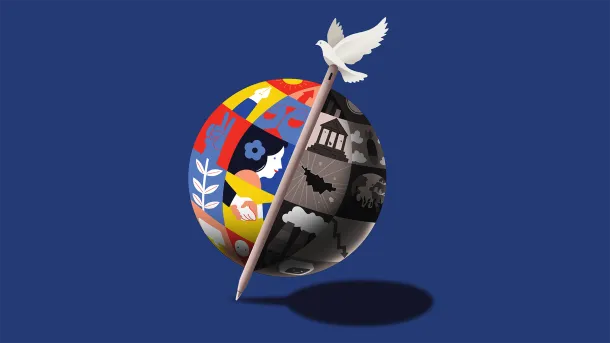
UNESCO/Till Noon.
Lusaka hosts the world’s most important journalism gathering at its darkest hour.
The main conference marking World Press Freedom Day this year will be held on May 4th rather than on the official United Nations observation date of May 3rd, a shift prompted by considerations and the need to confront the growing threats facing journalists: state surveillance, censorship, and physical intimidation. The gathering will narrowly avoid disruption, but the threat itself will underscore the very crisis organisers have convened to address. Across conflict zones, press freedom is in retreat.
On a continent where journalists are arrested, silenced, and killed with near-total impunity, Lusaka, Zambia’s sun-baked capital, tomorrow Monday May 4th will become the centre of the world’s most consequential conversation about the future of the free press, some logistics issues have ocuured…
The 2026 World Press Freedom Day Global Conference, co-hosted by UNESCO and the Government of Zambia, brings together journalists, digital rights advocates, policymakers, civil society representatives, researchers, and technology experts to discuss how journalism, technology, human rights, and information integrity can support more resilient societies. The timing could hardly be more urgent. As conflicts, disinformation, and pressures on independent media continue to grow, World Press Freedom Day is a reminder that access to reliable information is not only a media issue. It is a human rights issue. A development issue. And a peace and security issue.
The conference will gather under a theme that is at once aspirational and unsettling: “Shaping a Future at Peace: Promoting Press Freedom for Human Rights, Development, and Security.” The Mulungushi International Conference Centre in Lusaka will be filled with journalists, ministers, UN officials, civil society leaders, and content creators from across the world. Among the speakers are UNESCO’s Assistant Director-General for Communication and Information, the Zambian Minister of Information and Media, the UN Under-Secretary General and Special Adviser to the Secretary-General on the Prevention of Genocide, the World Bank’s Chief Economist for Africa, and representatives from Al Jazeera and the Media Institute of Southern Africa. The breadth of that gathering reflects a recognition that press freedom is no longer a niche concern of media professionals. It has become inseparable from questions of governance, development, and security.
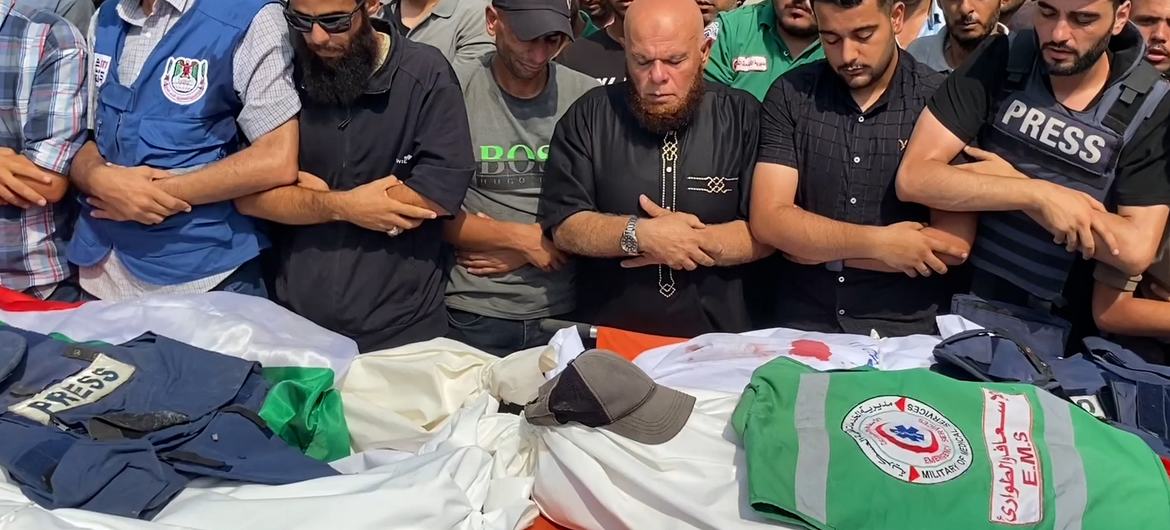
The statistics assembled for the event do not make for comfortable reading. UNESCO’s flagship report on global trends in freedom of expression and journalism points to a historic 10% decline in freedom of expression globally between 2012 and 2024, a trend comparable in severity only to three other periods: the First World War, the prelude to the Second World War, and the late 1970s Cold War period. Between January 2022 and September 2025, UNESCO recorded the killing of 310 journalists, including 162 killed in conflict zones. In 2025 alone, 93 journalists were killed, of whom 60 died in conflict zones. Despite international commitments to end impunity, accountability remains rare, with impunity rates dropping only modestly from 95% in 2012 to 85% in 2024, meaning most perpetrators still go unpunished.
The 2026 Reporters Without Borders World Press Freedom Index, released ahead of the Lusaka conference, recorded the lowest global average score in the 25 years since the index began, with over half of the world’s countries now classified as “difficult” or “very serious” for press freedom. The index’s legal indicator has declined the most over the past year, a clear sign that journalism is increasingly criminalised worldwide. Governments have proved adroit at weaponising the law: defamation statutes, anti-terrorism regulations, national security provisions, and financial legislation have all been turned against reporters who ask inconvenient questions. The result, as UNESCO’s data confirms, is that self-censorship among journalists has risen by 63% since 2012, at a rate of approximately 5% per year.
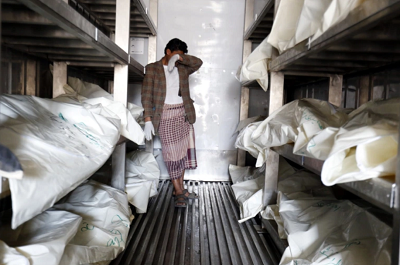
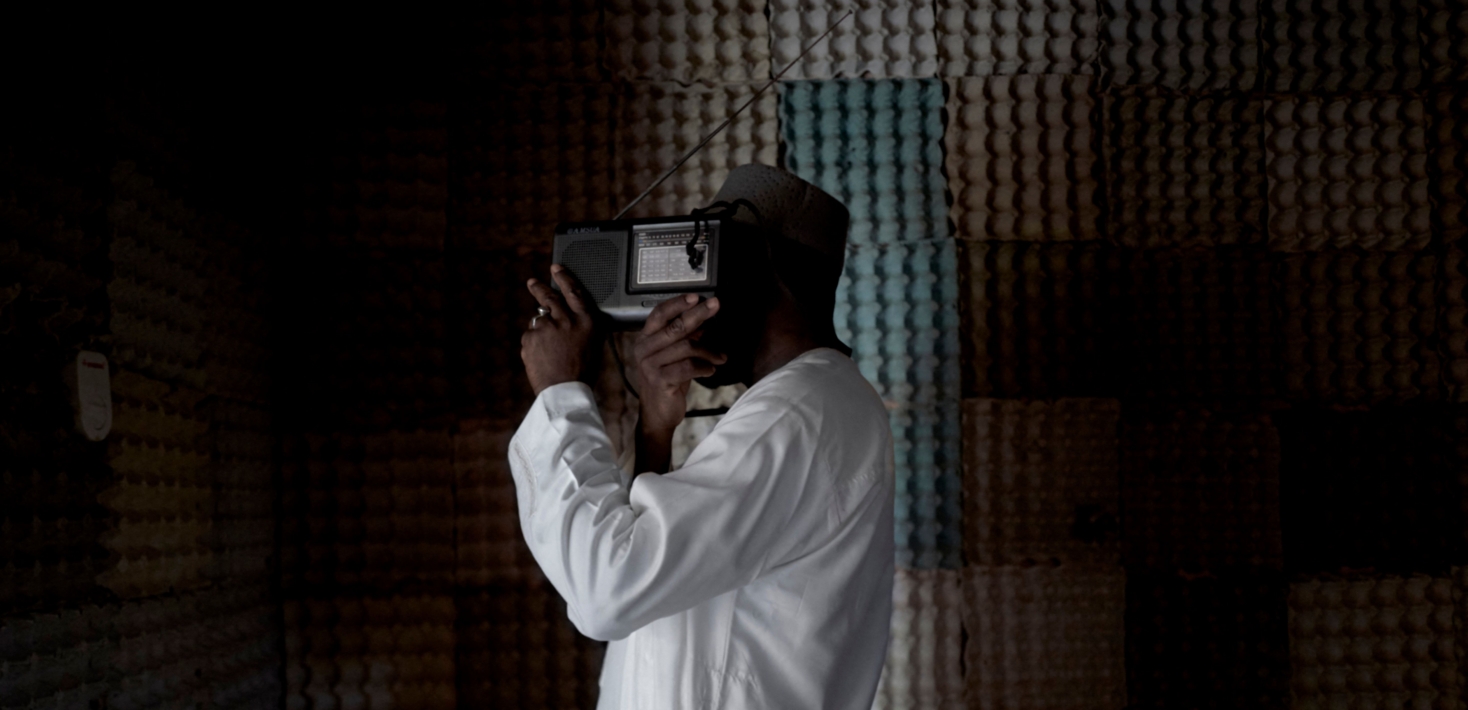
The regional picture in Africa, which provides the immediate backdrop to the Lusaka gathering, is particularly grim. Amnesty International, reporting ahead of World Press Freedom Day, documented sustained intimidation, harassment, and attacks on independent media across East and Southern Africa, as well as increased internet blockades and the use of restrictive cybersecurity laws to restrict media freedom, particularly in countries that held elections in 2025 and early 2026. In Sudan, the catastrophe is total. Since fighting broke out in 2023, the Sudanese Journalists Syndicate has documented 32 journalists’ deaths, 556 violations against media workers, and the cessation of numerous newspapers and radio stations. Ninety percent of the country’s media infrastructure has been destroyed, and internet and telecommunications blackouts have further restricted reporting, effectively rendering Sudan a “zone of silence” in which large parts of the population exist in an information vacuum.
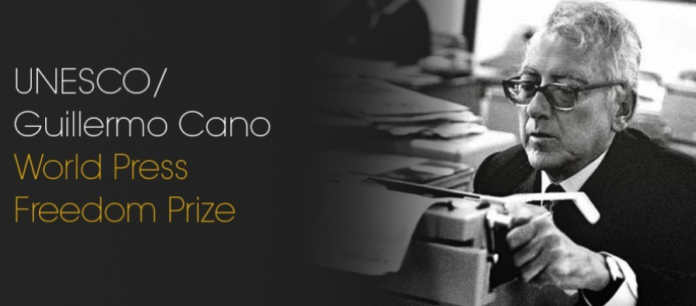
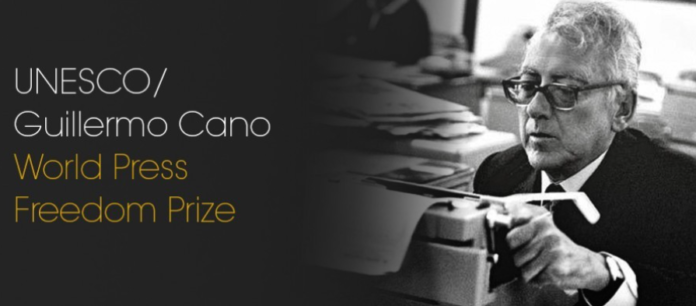
It is fitting, then, that this year’s UNESCO/Guillermo Cano World Press Freedom Prize will be awarded to the Sudanese Journalists Syndicate. The prize comes in recognition of the role the collective has played in condemning the deliberate targeting of journalists in the ongoing conflict. Abdelmoniem Abuedries Ali, the Syndicate’s chair, said the award “is not only a recognition of the Sudanese Journalists Syndicate, but a tribute to all Sudanese journalists who continue to defend truth and press freedom under extremely difficult and dangerous conditions.” Sudan is not an aberration. It is an extreme point on a continuum that runs through the DRC, Ethiopia, Zimbabwe, and beyond. In the Democratic Republic of Congo, the armed group M23’s detention, torture, and threats against journalists have forced numerous reporters to flee M23-controlled areas and have influenced coverage by other independent journalists of sensitive issues.
The Lusaka conference also takes direct aim at a threat that has rapidly moved from the margins to the centre of the journalism debate: artificial intelligence. The conference happened at a time when the boundaries between journalism, technology, civic space, and human rights are increasingly intertwined, and sought to enable cross-fertilization of ideas, solutions, and approaches between journalists, digital rights advocates, technologists, policymakers, regulators, civil society organisations, academia, researchers, educators, youth leaders, and content creators. The promise of AI, its capacity to assist with translation, factchecking, and the rapid processing of large datasets, sits alongside a darker reality. Generative AI is making impersonation, sexualised deepfakes, and large-scale abuse easier to create and harder to stop, with women journalists facing a particularly sharp edge of this crisis.
The data on the targeting of women journalists is alarming by any measure. Research carried out by the International Center for Journalists for UN Women, in partnership with UNESCO, found that 75% of women journalists and media workers experienced online violence while performing their jobs in 2025. At least 42% of women journalists said in 2025 that online attacks had led to offline abuse, threats, or violence, double the number, 20%, who reported this in 2020. A new UN Women report released ahead of the conference made clear the deliberate nature of this targeting. The report found that such abuse is often deliberate and coordinated, designed to silence women in public life while undermining their professional credibility and personal reputations. The goal, in the words of one affected journalist cited by UN Women, is silence.
Yet the conference is not only a catalogue of failure. UNESCO arrives in Lusaka with both an appeal and a concrete argument. UNESCO call on governments and civil society to recommit supporting independent journalism and the free flow of information, affirming that any peace, recovery, or security policy must integrate information integrity and free, independent media alongside humanitarian, institutional, and economic dimensions. When independent journalism declines, corruption increases, poor governance takes hold, and information violence precedes physical violence. The organisation also made the financial case in terms that treasuries can understand just 15 days of annual global military spending would equal a full year of the investment needed to support public-interest journalism worldwide.
There are, against the weight of evidence, genuine grounds for cautious optimism. Between 2020 and 2025, 1.5 billion people gained access to social media and messaging platforms, expanding opportunities for civic participation worldwide. Collaborative investigative journalism has gained momentum, leading to an increase in important cross-border investigations. Fact-checking units are growing at many media organisations. UNESCO also highlighted the growing recognition of community media, with its 2025 global survey revealing that nearly half of 194 countries reviewed now have legal frameworks in place to support it, reflecting a strengthened commitment to media pluralism. Through the Global Media Defence Fund, UNESCO has supported more than 2,200 legal assistance cases and contributed to over 270 journalistic investigations into crimes against journalists. Since 2022, more than 3,000 journalists have received emergency assistance combining equipment, safe spaces, and financial support in war and crisis zones.
The Lusaka conference will be, in one sense, a product of the Windhoek Declaration of 1991, when African journalists meeting in Namibia called for a free, independent, and pluralistic press, a declaration that led directly to the UN General Assembly proclaiming May 3rd as World Press Freedom Day in 1993. That the day’s centrepiece gathering has returned to Africa 35 years later reflects both the continent’s centrality to the global press freedom debate and the scale of the unfinished business. The panel on journalism in conflict, crisis, and recovery, chaired by UNESCO’s regional adviser for Africa, put the core proposition plainly: protecting journalists is inseparable from protecting societies’ right to information.
That proposition is as true as it is routinely ignored. Governments sign declarations, attend conferences, and repeat the right words at the right moments. Then they pass cybersecurity laws, arrest editors, shut down broadcasters, and flood the information space with propaganda. The gap between profession and practice is where press freedom dies. What the Lusaka conference can achieve, at its best, is to narrow that gap by making governments accountable to their own commitments and by placing the survival of independent journalism at the centre of the peace and security agenda where it belongs.
Sources:
UNESCO, “World Press Freedom Day 2026 Global Conference: Shaping a Future at Peace,” UNESCO.org, 4 May 2026.
UNESCO, “Programme of the World Press Freedom Day Conference, Lusaka, Zambia, 4 May 2026,” UNESCO.org, 4 May 2026.
UNESCO, “UNESCO/Guillermo Cano World Press Freedom Prize 2026 Awarded to the Sudanese Journalists Syndicate,” UNESCO.org, 2 May 2026.
UNESCO, “New Report: UNESCO Warns of Serious Decline in Freedom of Expression and Safety of Journalists Worldwide,” UNESCO.org, March 2026.
Inter Press Service, “World Press Freedom Day 2026,” IPSnews.net, 1 May 2026.
Reporters Without Borders (RSF), “2026 RSF Index: Press Freedom at a 25-Year Low,” RSF.org, 30 April 2026.
UN Women, “Reports to Police of Online Violence against Women Journalists Double since 2020,” UNWomen.org, 30 April 2026.
UN Women, “Tipping Point: Online Violence Impacts, Manifestations and Redress in the AI Age,” UNWomen.org / The Nerve / ICFJ, April 2026.
Amnesty International, “East and Southern Africa: Media Freedom under Attack amid Prevailing Impunity,” Amnesty.org, 2 May 2026.
OSINT Pulse / NewsMeter, “April 2026: Press Freedom, Digital Surveillance and the Battle for Evidence,” NewsMeter.in, April 2026.
Russia’s Safronov: A Journalistic Casualty of Kremlin
Amnesty International’s designation of him as a prisoner of conscience highlights unfair, secretive trials and reprisals against legal defenders.
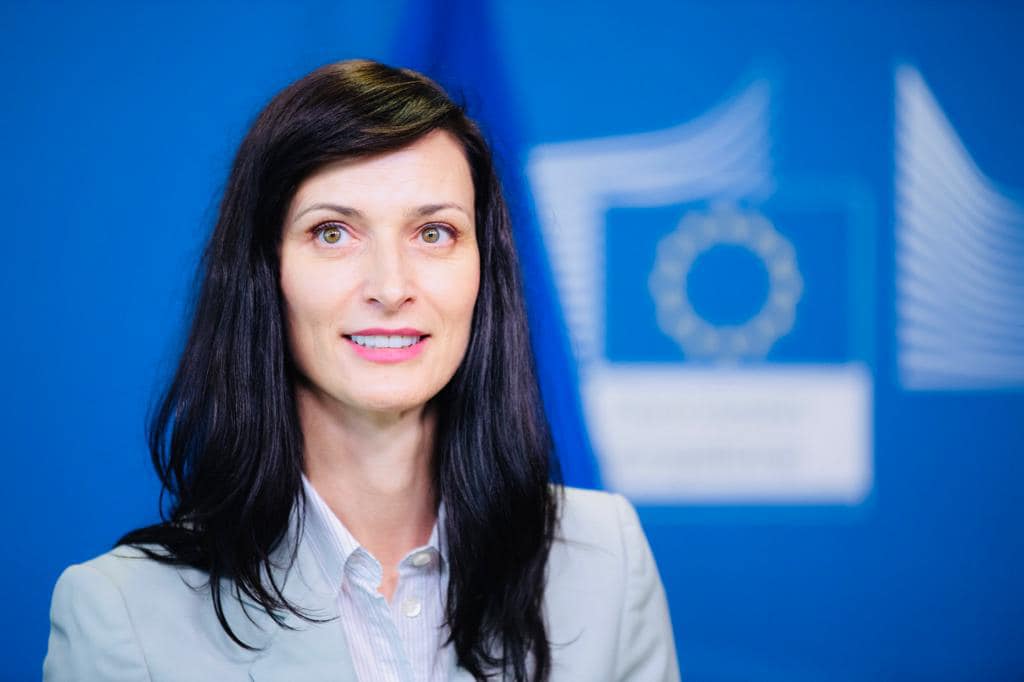
Al Jazeera Media Network in Lusaka
The delegation’s most consequential engagement of the day took place away from the main conference floor. Al Haj, Van Meek and Bayes secured a private meeting with Mariya Gabriel,...
- Most Viewed
- Most Popular

Our Network
Our Channels

© 2026 Al Jazeera Media Network. All rights reserved.