


A Preventable Toll
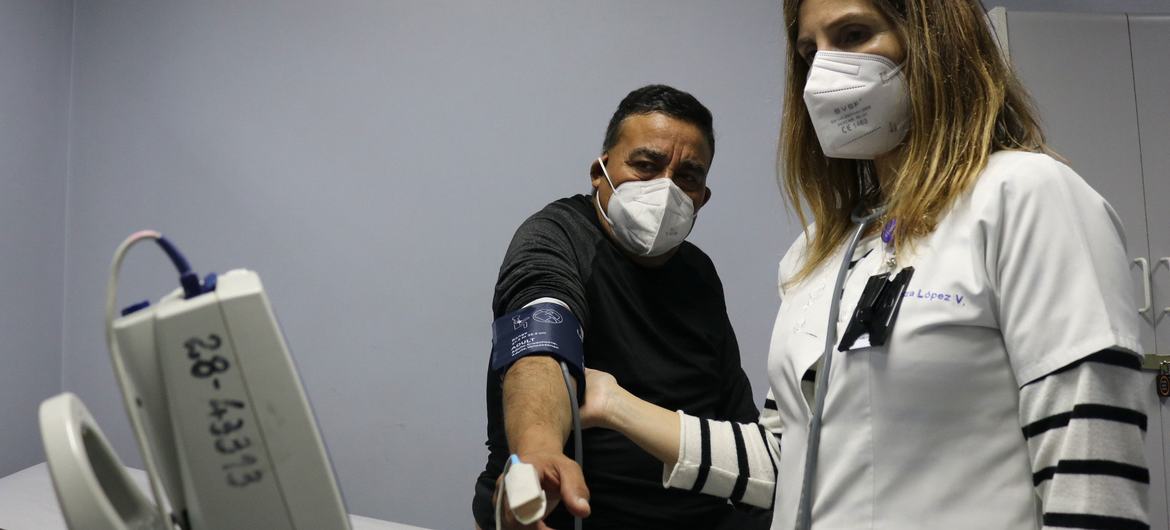
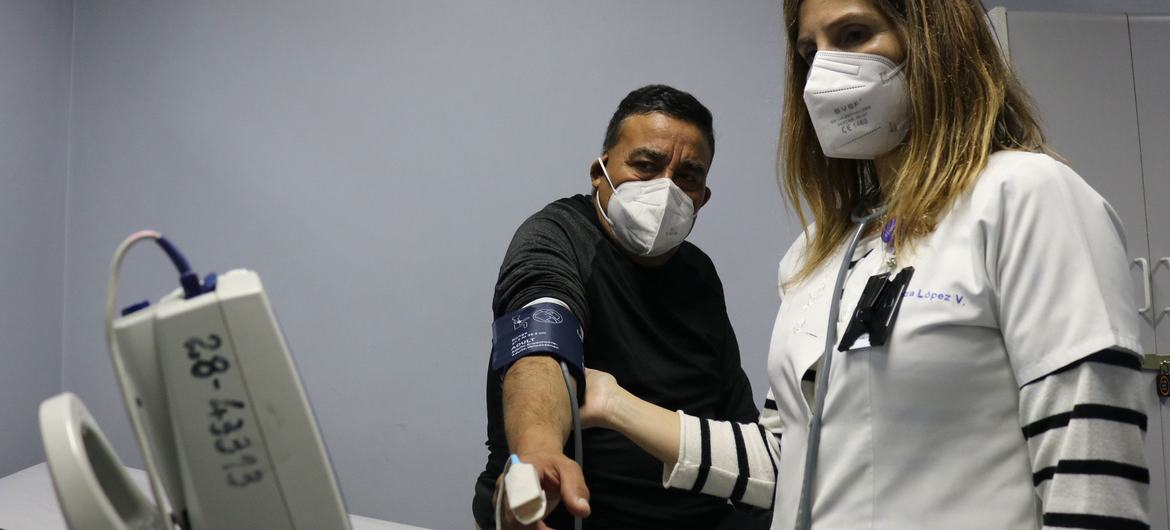
© PAHO In Chile, new hepatitis treatments mean around 98 per cent of patients recover completely. (file)
Viral hepatitis killed 1.34 million people in 2024. The tools to end it already exist. What is missing is the will and the infrastructure to deploy them at scale.
Hepatitis B and C together account for 95% of all hepatitis-related deaths worldwide. In 2024 those two diseases claimed 1.34 million lives, roughly 1.1 million from hepatitis B and 240,000 from hepatitis C,while transmission continued at a rate of 1.8 million new infections annually, or more than 4,900 cases every day. A new WHO Global Hepatitis Report, published Tuesday, estimates that 287 million people, approximately 3% of the global population, were living with chronic infection in 2024.
Progress over the past decade has been real. Since 2015, new hepatitis B infections have declined by 32% and hepatitis C-related deaths have dropped by 12%. Hepatitis B prevalence among children under five has fallen to 0.6%, with 85 countries having achieved or surpassed the 2030 target. Yet fewer than 5% of the 240 million people living with chronic hepatitis B receive treatment. Only 20% of hepatitis C patients have been treated since effective cures became available in 2015.
287m
People living with chronic hepatitis B or C in 2024, roughly 3% of the global population
The tools are powerful. The hepatitis B vaccine is more than 95% effective against both acute and chronic infection; hepatitis C can be cured in 8 to 12 weeks in more than 95% of cases through short-course therapy. The barrier is access, not science. The WHO African Region accounted for 68% of new hepatitis B infections in 2024 but saw only 17% of newborns receive a birth-dose vaccination. People who inject drugs accounted for 44% of new hepatitis C infections. Ten countries in Asia and Africa, Bangladesh, China, Ethiopia, Ghana, India, Indonesia, Nigeria, the Philippines, South Africa, and Viet Nam, accounted for nearly 70% of hepatitis B deaths worldwide that year.
WHO Director-General Tedros Adhanom Ghebreyesus acknowledged the progress while insisting that pace must accelerate. “Many people remain undiagnosed and untreated due to stigma, weak health systems and inequitable access to care,” he said. “Every missed diagnosis and untreated infection due to chronic viral hepatitis represents a preventable death.” Countries must move faster to integrate hepatitis services into primary care and reach the communities most affected. The 2030 elimination targets remain technically achievable. The distance between technical possibility and political reality is precisely the problem.
Source: WHO Global Hepatitis Report 2026, 28 April 2026
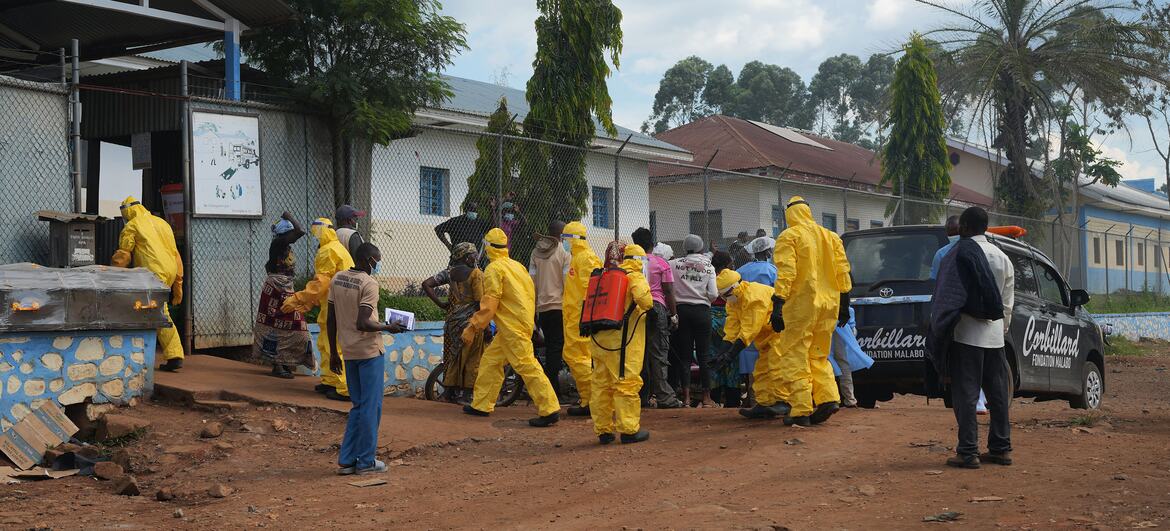
Ebola in DR Congo: One Month On, Scaled-Up Response Remains Insufficient
When a suspected case is reported in a community, an investigation team is immediately dispatched. If the alert is confirmed, the patient is referred to a transit centre to await laboratory...

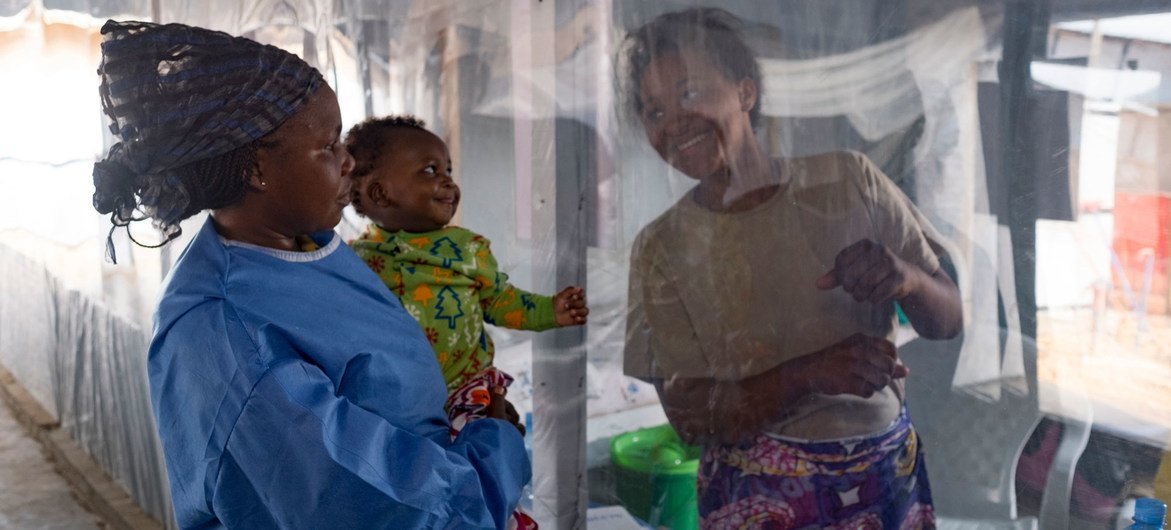
Uganda Contains Ebola, but Cross-border Risks Remain
The World Health Organisation’s director-general, Tedros Adhanom Ghebreyesus, visited Uganda as part of a regional assessment mission and described the country’s response as robust....
- Most Viewed
- Most Popular








Our Network
Our Channels

© 2026 Al Jazeera Media Network. All rights reserved.