

Sudan: War & Humanitarian Crisis in Figures
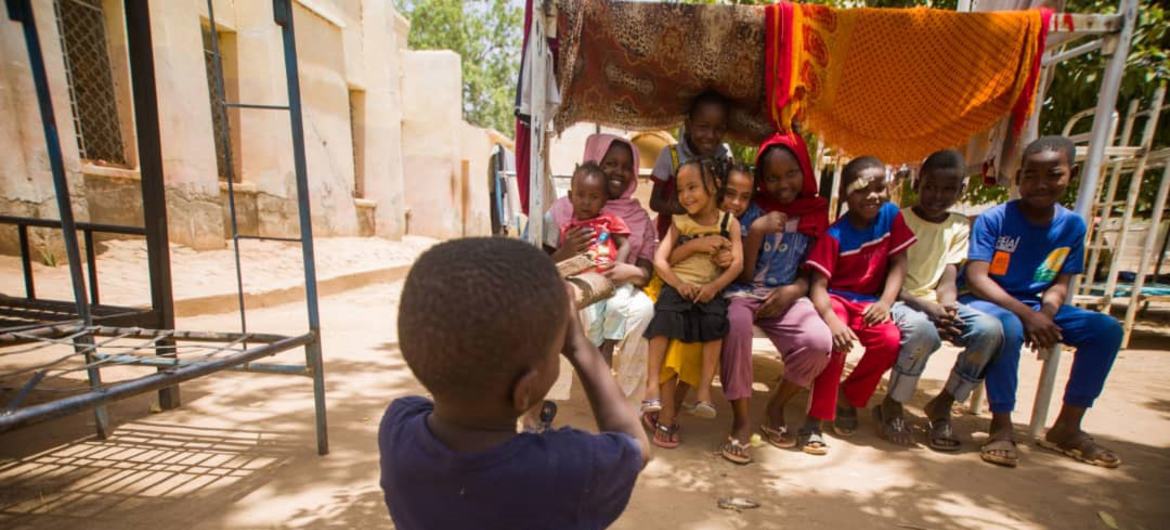
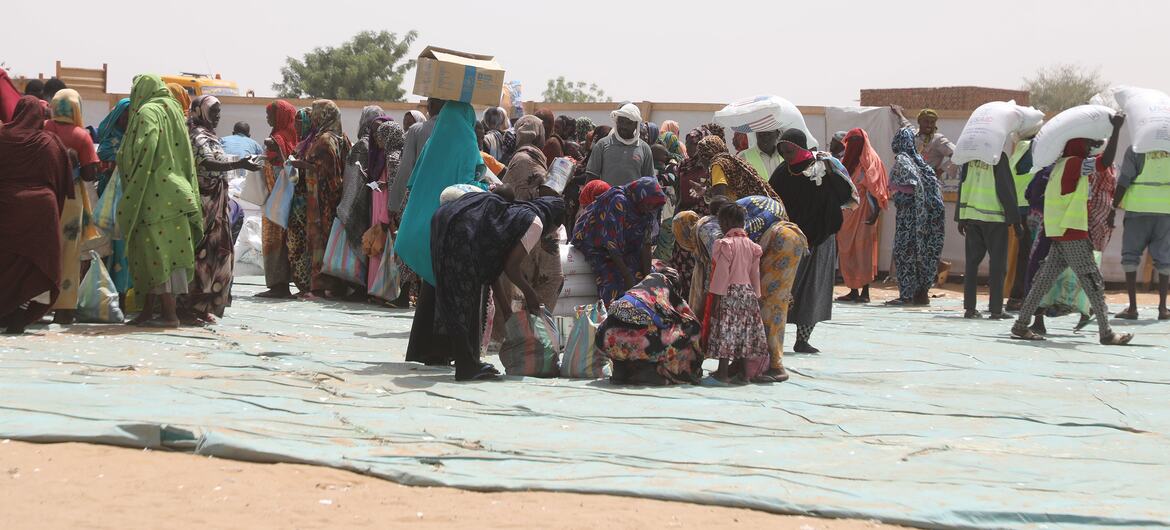
© UNICEF/Ahmed Elfatih Mohamdee Displaced Sudanese children at a temporary shelter.
A nation consumed: Sudan’s war is now among the worst humanitarian disasters on earth.
Rape as a weapon, children starving, hospitals bombed. the numbers behind a crisis the world is ignoring.
All figures recorded below are within a single year unless otherwise noted.
| VIOLENCE
7,700 People treated for violence-related injuries in a single year |
SEXUAL VIOLENCE
4,200 Cases of sexual violence recorded — rape deployed systematically as a weapon of war, women bearing the heaviest toll |
| MALNUTRITION
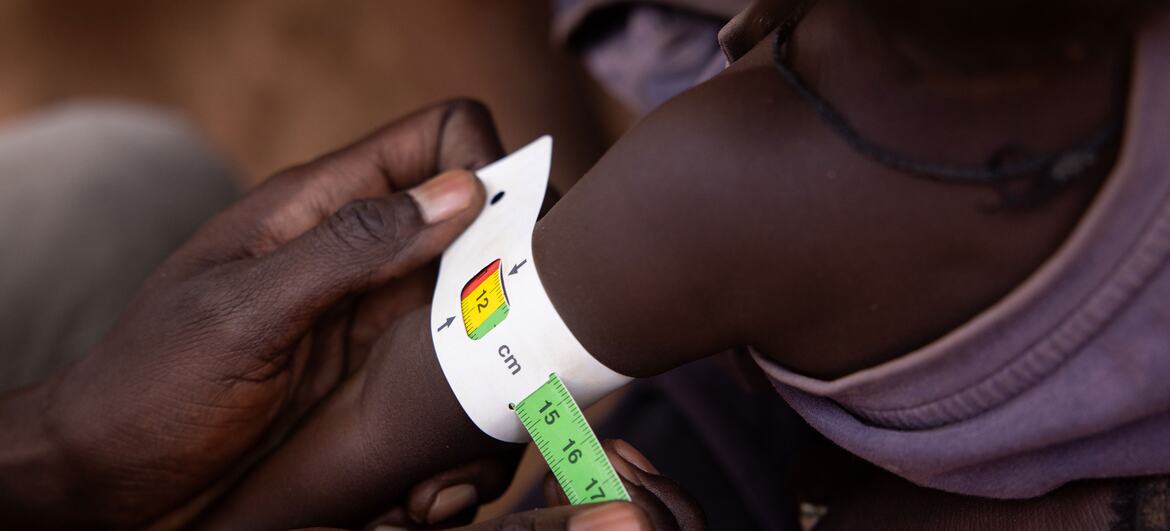
15,000 Children suffering from severe acute malnutrition |
DISEASE
42,200 Cholera cases registered — alongside 12,000 measles infections, both diseases that vaccination could prevent |
| HEALTH-CARE ATTACKS
213 Attacks on health-care facilities, killing 2,000 and wounding 720 — Sudan accounts for 82% of all global deaths from such attacks |
GLOBAL SHARE
82% Of all global deaths linked to health-care attacks — Sudan leads the world in this grim category |
| HUMANITARIAN WORKERS
100 Violent incidents targeting humanitarian workers — those trying to help are themselves being hunted |
DRONE STRIKES
400 People wounded in drone strikes — a new and escalating dimension of the conflict |
| CIVILIAN DEATHS
500 Civilians killed in under three months |
DISPLACEMENT
14m People displaced — one of the largest mass displacements in the world today |
The figures cited in this report are drawn from a constellation of UN agencies, humanitarian monitoring bodies, and field organisations. Displacement and malnutrition data come from the World Health Organisation’s January 2026 assessment, Sudan: 1,000 Days of War, and its March 2025 Public Health Situation Analysis, both of which draw on federal and state ministry reporting supplemented by WHO field operations. Cholera and disease figures are taken from WHO’s Emergency Situation Report of May 2025 and updated by the Center for Disaster Philanthropy’s continuously revised Sudan crisis tracker. Sexual violence statistics originate with Médecins Sans Frontières’ April 2026 special report, There Is Something I Want to Tell You, corroborated by UNFPA’s March 2026 field dispatch from Northern State; both organisations caution that recorded cases represent a fraction of actual incidence. Data on attacks against healthcare facilities are maintained by Insecurity Insight on behalf of the Safeguarding Health in Conflict Coalition, with casualty figures cross-referenced against WHO’s Surveillance System for Attacks on Health Care and Save the Children’s July 2025 analysis of first-half trends. The toll on humanitarian workers is drawn from the Aid Worker Security Database, administered by Humanitarian Outcomes, as reported in OCHA’s World Humanitarian Day assessment of August 2025 and a subsequent Security Council briefing in February 2026. Civilian casualty estimates rely on the Armed Conflict Location and Event Data Project’s mid-2024 analysis. Food insecurity classifications are those of the Integrated Food Security Phase Classification, as reported by Al Jazeera’s December 2025 crisis tracker. Drone-strike displacement figures come from an International Organisation for Migration estimate cited by OCHA. All figures should be treated as floors rather than ceilings: systematic underreporting, access constraints, and the collapse of Sudan’s civil registration infrastructure mean the true scale of the crisis almost certainly exceeds what any dataset can capture.
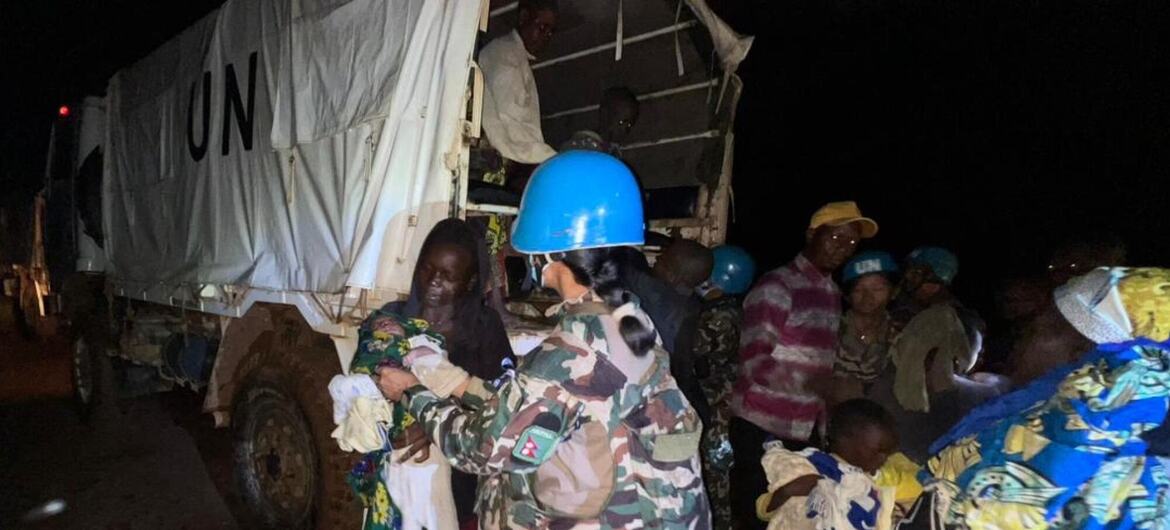
Eastern Congo: Fragile Hopes on the Brink
Fighting continues with alarming intensity across North Kivu, South Kivu and Ituri. The Alliance Fleuve Congo and its M23 component, backed by Rwandan forces, remain locked in combat with the...
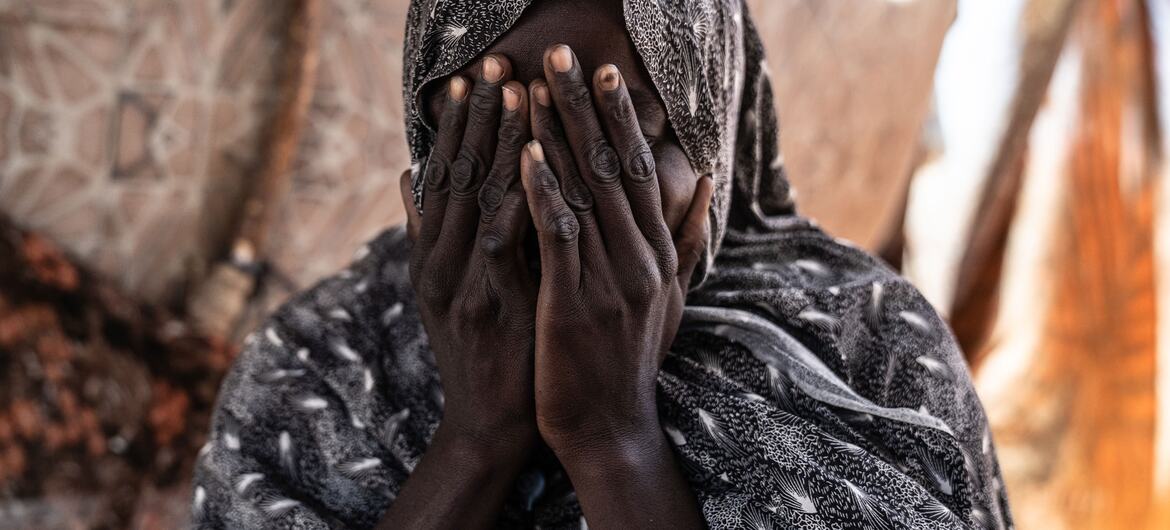
Sudan’s War and the Weapon of Rape
In Darfur, there are reasonable grounds to believe that some acts of sexual violence, committed in the context of a widespread and systematic attack on the civilian population, may amount to...




Our Network
Our Channels

© 2026 Al Jazeera Media Network. All rights reserved.