

Lebanon on the Edge: Beirut Empties as Strikes Resume
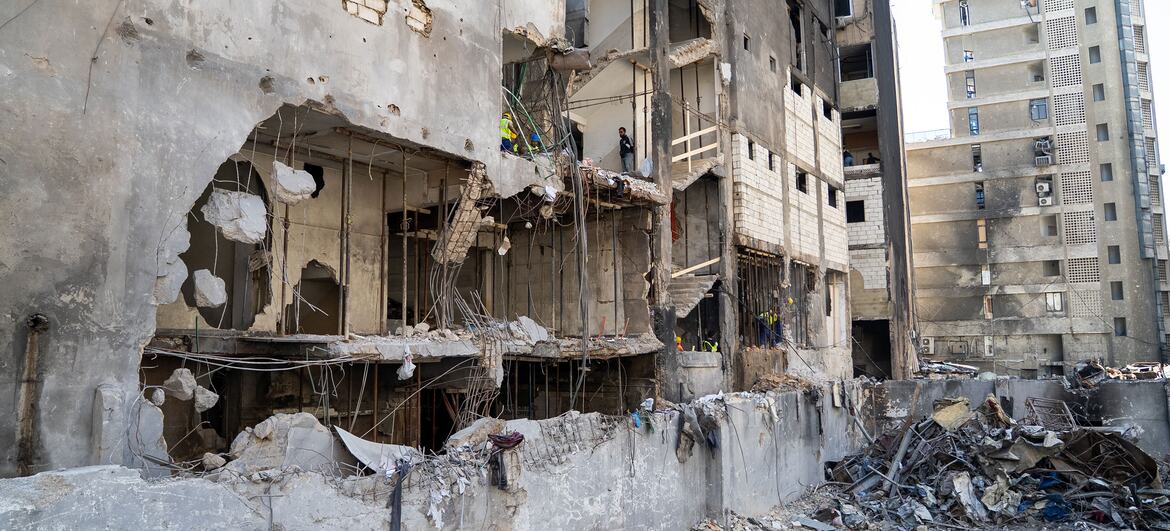
© UNICEF/Fouad Choufany A residential neighbourhood in Beirut, Lebanon shows the signs of missile attacks
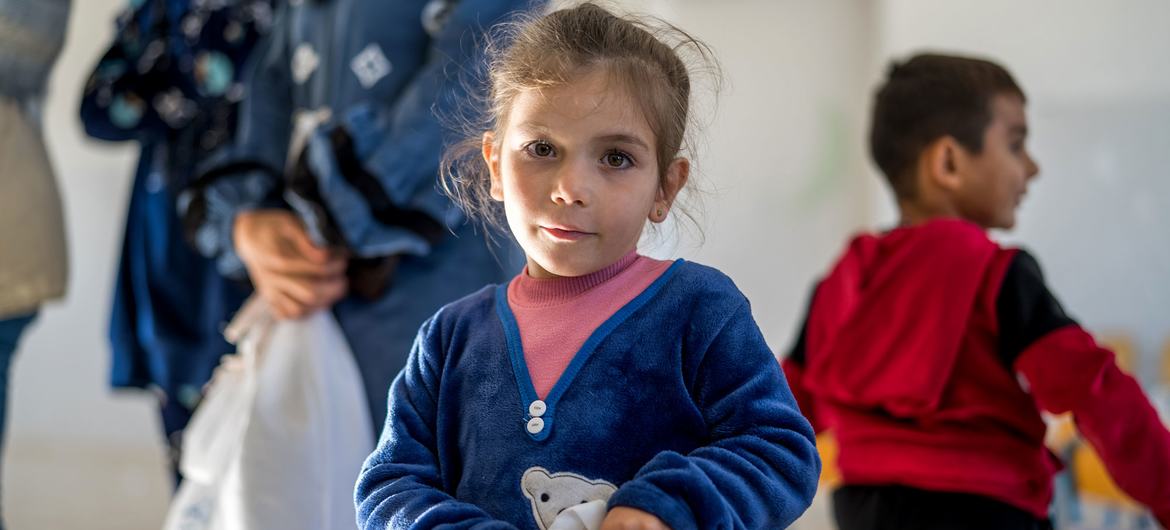
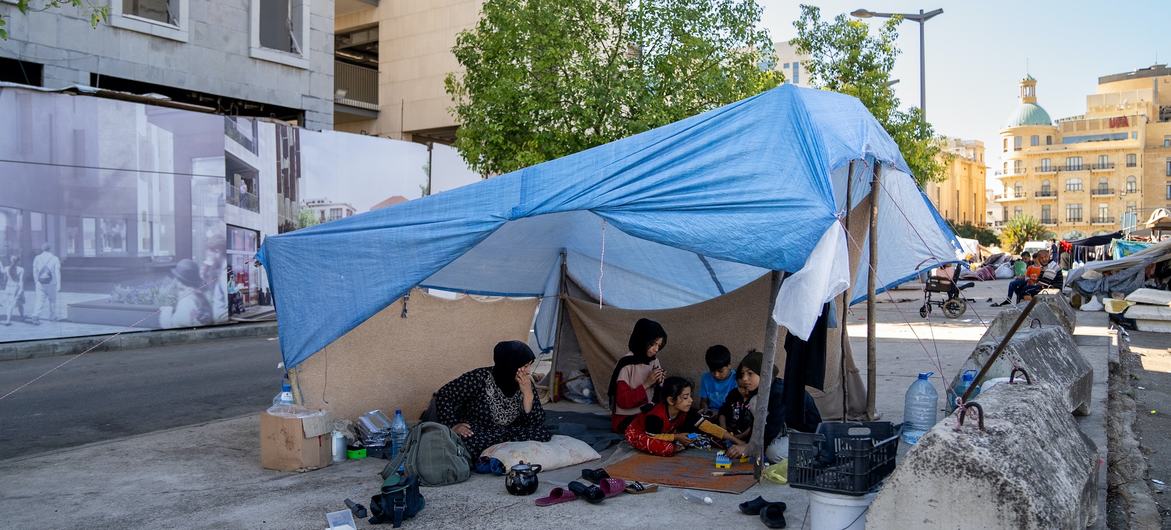
Thousands of people fled the southern suburbs of Beirut on Monday after Israel announced renewed strikes targeting Hezbollah militants sheltered there. Families left by car, motorcycle and on foot, carrying what essentials they could. Many others returned to displacement shelters. “Fear and uncertainty are mounting,” the UN refugee agency, UNHCR, reported.
The evacuation unfolded against the backdrop of a ceasefire that was never fully observed. A US-brokered truce took effect on 17 April but has been extended twice since, most recently on 16 May for a 45-day period. The crisis erupted on 2 March, days after the United States and Israel began bombing Iran, prompting Hezbollah to open fire on Israel. Since then, the Lebanese health authorities have recorded 3,412 deaths and more than 10,000 injuries. At least 88 people were reportedly killed over the past weekend alone. Five attacks on healthcare facilities were recorded in the past three days, leaving one health worker dead and 19 injured.
The UN Security Council held an emergency session on Monday to discuss the escalation. UN Special Coordinator for Lebanon Jeanine-Hennis Plasschaert, who is continuing efforts to de-escalate tensions and advance confidence-building measures, noted that southern Lebanon was “in flames” while roads in Beirut were “choked with people fleeing their homes.” She warned that “escalation has its own logic” and that attempting to contain or manage it was “a high-stakes gamble, with costs borne by people who have already lost too much.”
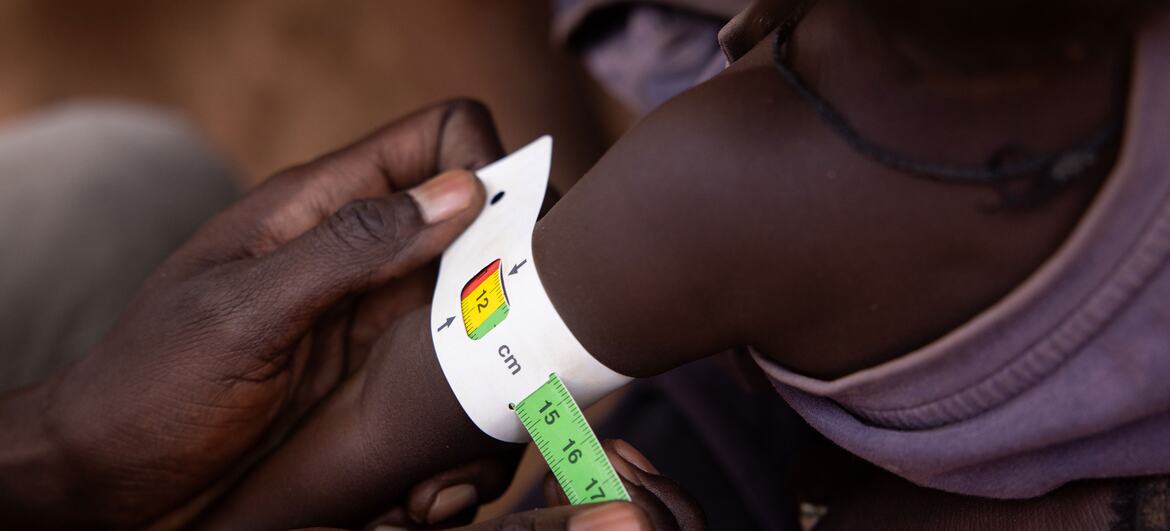
The humanitarian picture is grim. More than a million civilians have been displaced, and food security experts report that 1.24 million people, nearly a quarter of Lebanon’s population, are not getting enough to eat. Vegetable prices have risen 20 per cent and bread costs roughly 15 per cent more. More than 80 per cent of markets in southern Lebanon and Nabatieh are no longer functioning, though markets in Beirut remain open under growing strain. The World Food Programme has reached more than 700,000 people with hot meals, food parcels, and emergency cash support, deploying 24 humanitarian convoys since the conflict began, though more than half of those requested have been delayed or cancelled due to access risks. A renewed flash appeal will be launched on Friday to scale up assistance over the next three months.
Source: UN News and WFP, 1 June 2026
Sudan’s War and the Weapon of Rape
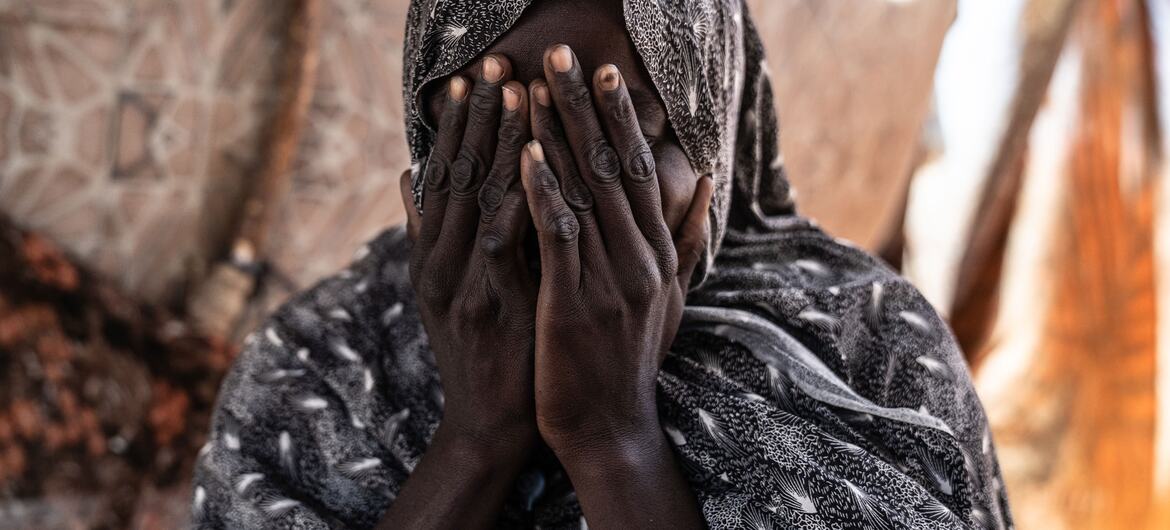
In Darfur, there are reasonable grounds to believe that some acts of sexual violence, committed in the context of a widespread and systematic attack on the civilian population, may amount to...
Sudan: Security Council Warns of Mass Atrocity Risk in El Obeid
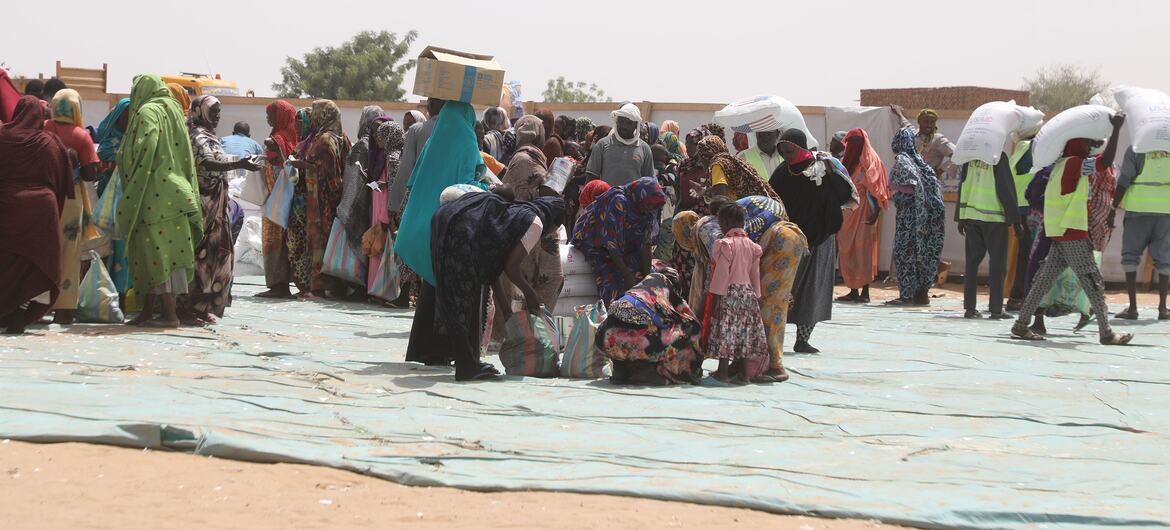
Council members also raised concern over reports of RSF drone strikes in El Obeid and a broader increase in drone attacks across Sudan by parties to the conflict. They called for all abuses and...






Our Network
Our Channels

© 2026 Al Jazeera Media Network. All rights reserved.