

Eastern Congo: Fragile Hopes on the Brink
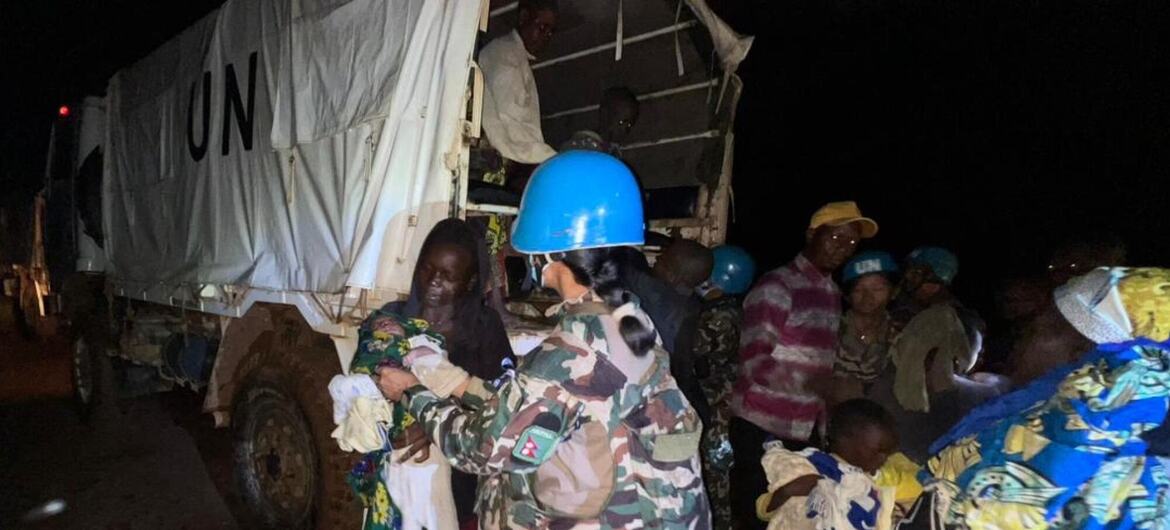
© MONUSCO UN peacekeepers recently rescued 191 people in Ituri, Democratic Republic of the Congo, while under fire from militiamen belonging to two armed groups.
Staying The Course
The new head of the United Nations Stabilisation Mission in the Democratic Republic of the Congo has delivered a sobering assessment of a peace process that remains as fragile as it is consequential. James Swan, appointed in March to lead MONUSCO, told the Security Council on June 26th that while diplomatic architecture for ending the conflict in eastern Congo is now in place, it risks collapse without urgent implementation.
A Framework Under Strain
Nearly a year has passed since the DRC and Rwanda signed a peace agreement in Washington. That accord, together with the Doha Framework for a Comprehensive Peace Agreement and mediation efforts led by the African Union, has created what Mr Swan described as an agreed pathway toward resolving one of Africa’s most protracted conflicts. The problem is that pathways require people to walk them.
Fighting continues with alarming intensity across North Kivu, South Kivu and Ituri. The Alliance Fleuve Congo and its M23 component, backed by Rwandan forces, remain locked in combat with the Congolese army and its Wazalendo allied militia. Complicating the picture further, Congolese troops in some areas fight alongside the Democratic Forces for the Liberation of Rwanda, a largely ethnic Hutu armed group whose founders participated in the 1994 genocide against the Tutsi. The main flashpoints are Rubaya, an important artisanal mining centre, and the area around Rutshuru in North Kivu, as well as the high plains of South Kivu.
The use of offensive drones, artillery and heavy weapons has sharply increased the danger to civilians and infrastructure. Although the AFC/M23 has partially withdrawn from some areas, it continues to consolidate parallel administrative structures wherever it retains control, embedding itself as a proto-state entity that peace agreements alone will not easily dislodge.
Civilians Bearing the Cost
MONUSCO has documented 632 civilian deaths linked to armed conflict in North Kivu and Ituri since March 19th. During the same period, the UN recorded 1,221 human rights violations, including conflict-related sexual violence committed by both armed groups and elements of the state’s own security forces. Nearly 3,000 individuals were affected, among them hundreds of women and children.
The Allied Democratic Forces, a separate armed group with roots in Uganda, have killed 287 civilians in Ituri since the Council last convened on the DRC, including 44 women. In Beni territory in North Kivu, where ADF violence had temporarily eased, attacks have resumed and claimed 66 lives.
MONUSCO has intensified its response, conducting more than 2,000 joint patrols with the Congolese army since March and expanding mobile operating bases in ADF-affected areas. Between March and June, the mission also facilitated the repatriation of 156 former Rwandan combatants and 163 dependants linked to the FDLR and other foreign armed groups.
Hunger, Disease and A Liquidity Crisis
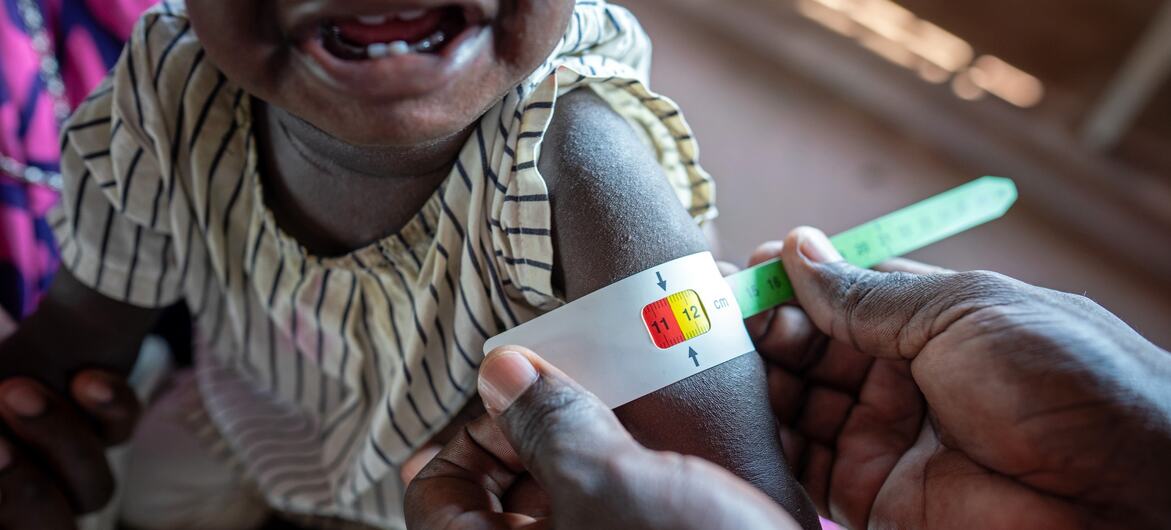
The humanitarian situation offers little comfort. Nearly 27 million people, more than a quarter of Congo’s population, are experiencing food insecurity. A $1.4 billion humanitarian response plan designed to assist 7.3 million people this year is only 53 per cent funded. That shortfall is not merely a budget problem; it is a measure of lives that will go unprotected.
Into this already dire environment comes an Ebola outbreak, declared on May 15th, unfolding in conflict-affected zones with overstretched urban health services. The intersection of active fighting, population displacement and a potentially deadly pathogen creates conditions for rapid and difficult-to-contain spread.
Mr Swan acknowledged that MONUSCO itself is operating under a UN liquidity crisis that is straining peace operations globally at precisely the moment when needs in Congo are growing. He called for swift deployment of the ceasefire monitoring mechanism provided for under the Doha process, noting that MONUSCO has already prepared office space, equipment and logistical support in Goma. The mechanism exists on paper; it must now be made real.
His concluding message to the parties to both the Washington and Doha agreements was unambiguous: stay the course toward durable peace. Whether they will is another matter.
Sources: UN News, June 26, 2026; MONUSCO briefing to the UN Security Council, June 26, 2026
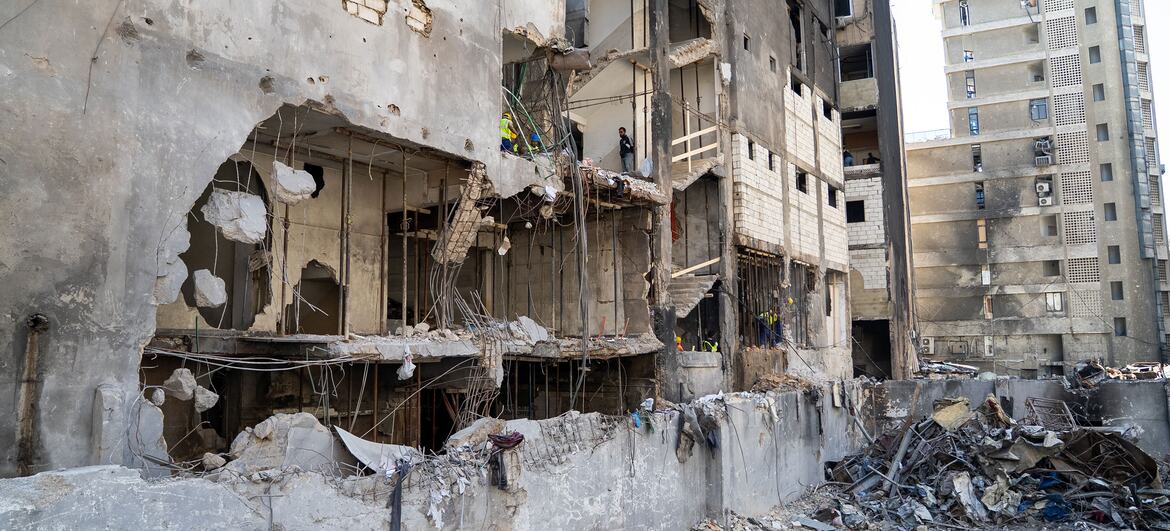
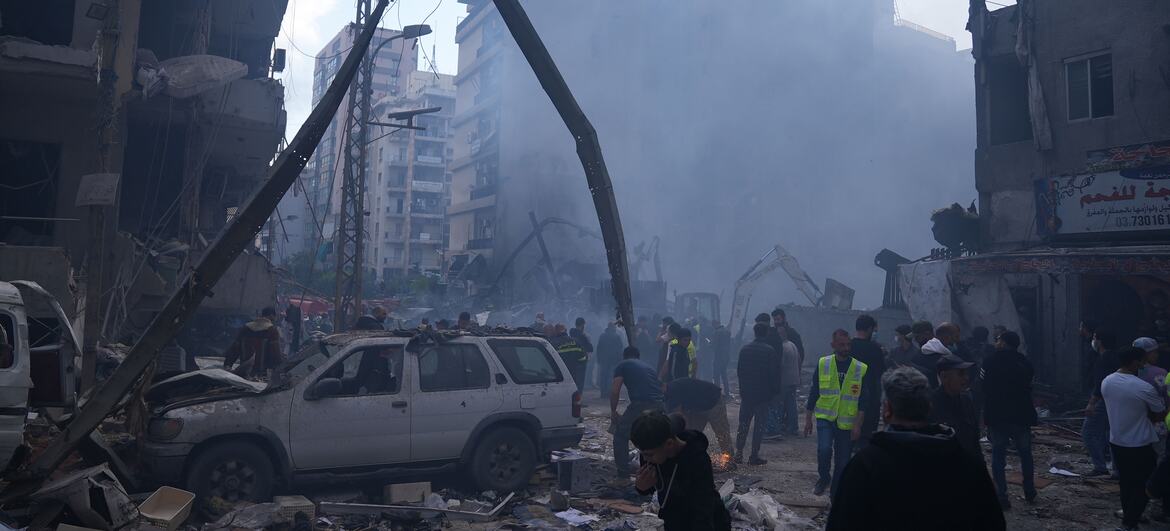
Lebanon on the Edge: Beirut Empties as Strikes Resume
The evacuation unfolded against the backdrop of a ceasefire that was never fully observed. A US-brokered truce took effect on 17 April but has been extended twice since, most recently on 16 May...
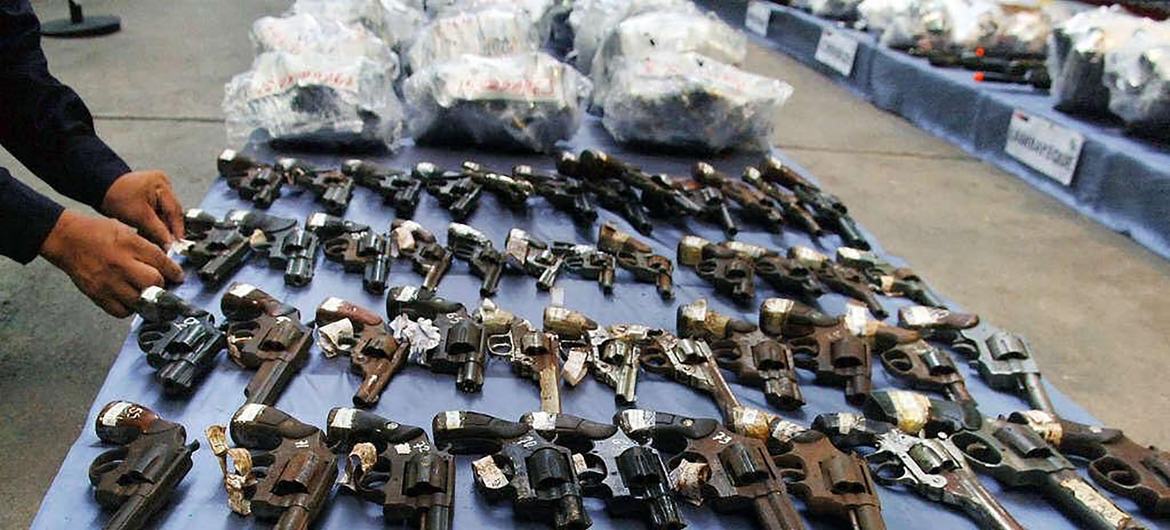
The Guns That Outlast the Wars
UN member states adopted an action programme in 2001 committing to strengthen national legislation, improve stockpile security, and combat illicit trafficking. A major milestone followed in 2005...
- Most Viewed
- Most Popular

Our Network
Our Channels

© 2026 Al Jazeera Media Network. All rights reserved.