

Diplomacy Flickers in Washington While the Bombs Keep Falling on Lebanon
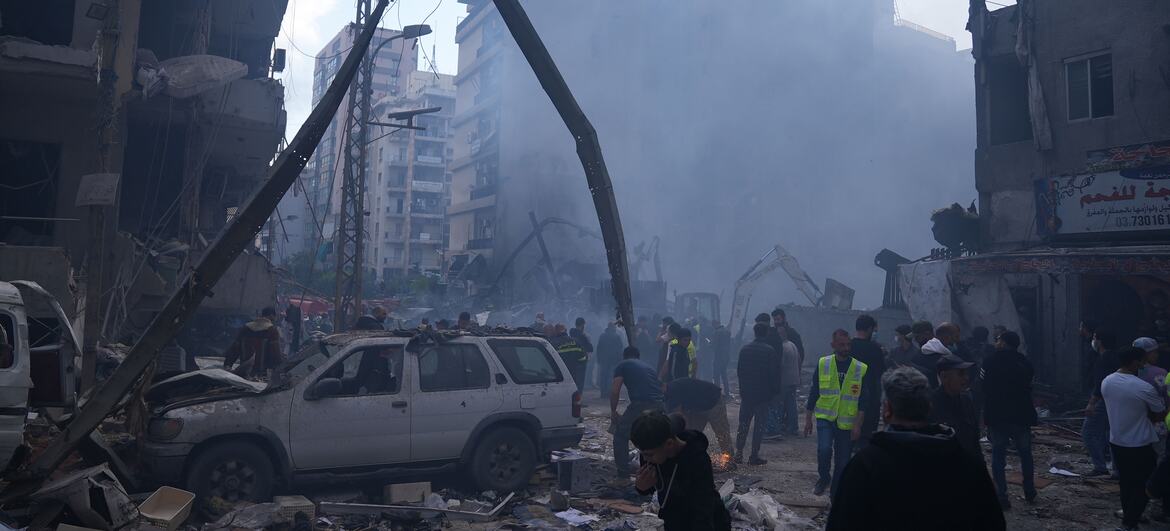
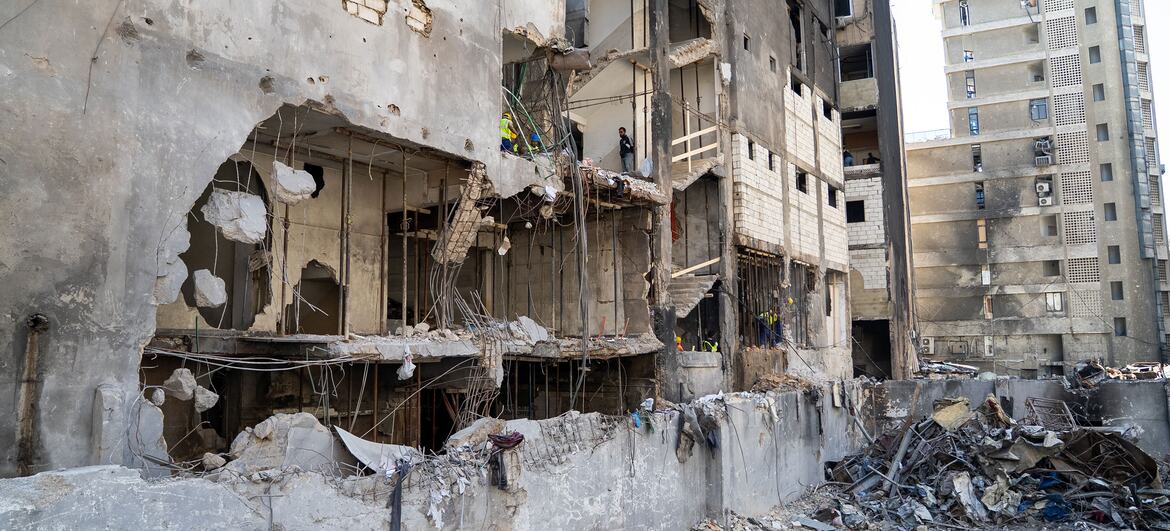
© UNHCR/Houssam Hariri Destruction in a Beirut neighbourhood following Israeli military strikes (file).
THE first direct talks between Israeli and Lebanese ambassadors in decades took place in Washington this week. They lasted long enough to produce an agreement to keep talking. They did not last long enough to stop the fighting.
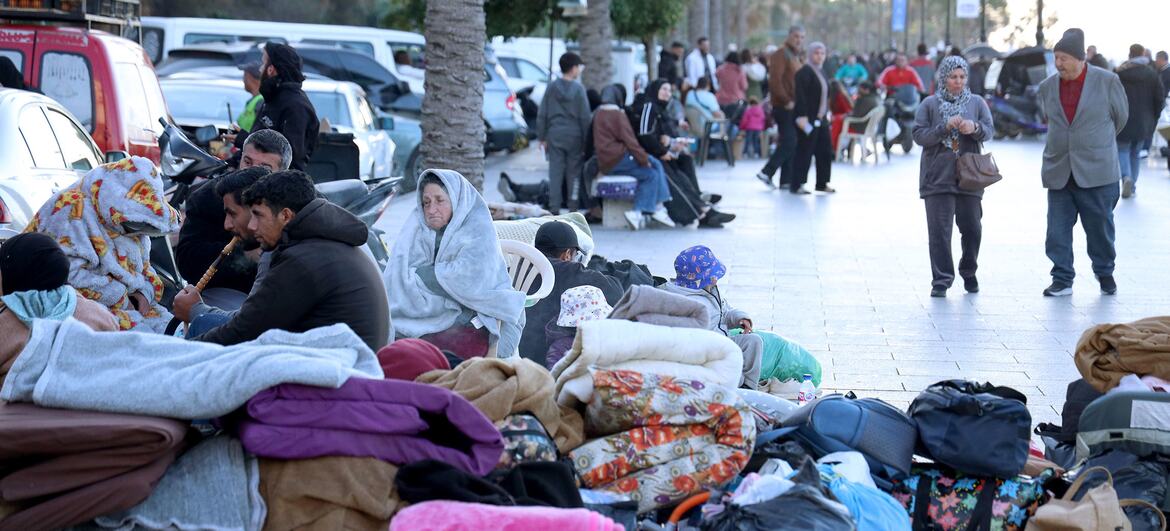
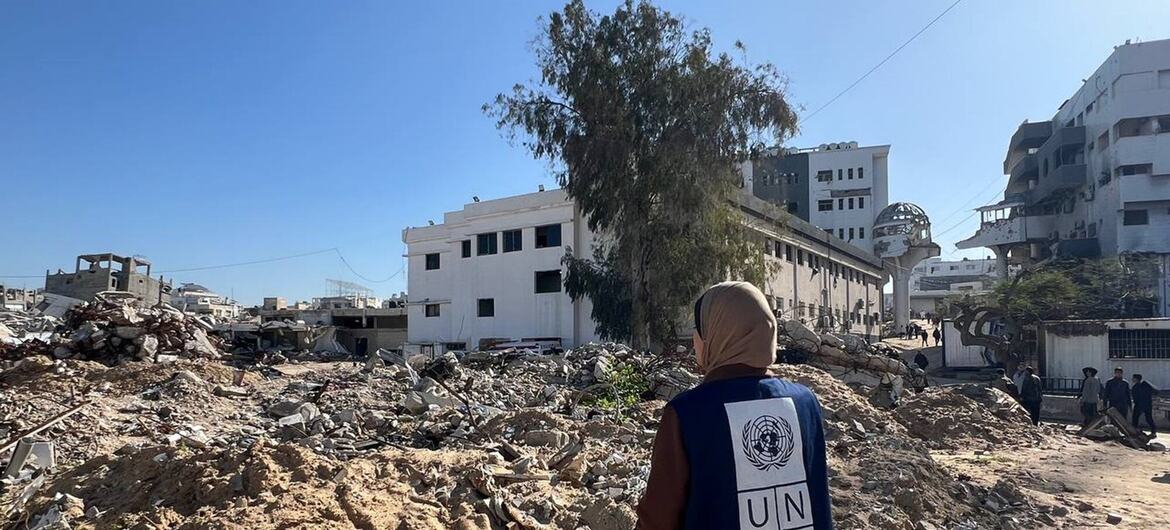
Even as the two envoys shook hands in the American capital, Israeli forces were pressing their assault on southern Lebanon with renewed intensity. Lebanese authorities report that more than 2,100 people have been killed since Israeli operations escalated on March 2, and more than one million displaced. Among the dead this week were four paramedics, killed in strikes that continued through the night. In what Lebanese security officials described as a devastating blow to the country’s already battered infrastructure, an Israeli strike severed the last bridge connecting southern Lebanon to the rest of the country, leaving the region still more isolated and, officials say, beyond repair.
The choreography of war and diplomacy proceeding simultaneously has become the defining feature of this conflict. Benjamin Netanyahu’s government frames its campaign as the construction of a security zone in the south, targeting Hezbollah, the Iran-backed militia that has fired rockets at ten northern Israeli communities since Wednesday alone. Hezbollah’s secretary-general, Naim Qassem, was withering in his response to the Washington talks, calling Lebanese participation a “free concession” to Israel and the United States. His organisation has not declared whether it supports a ceasefire.
Washington’s position is characteristically tangled. Donald Trump told reporters the war was “very close to over” and that new talks with Iran could resume within days, even as his administration insisted that a ceasefire in Lebanon is not part of its negotiations with Tehran. Iran claims any truce it agreed covers Lebanon; Israel and the United States deny this. Israel’s Security Cabinet met on Wednesday evening to discuss a potential ceasefire and ended the session without reaching a decision. Netanyahu had initially resisted direct talks with Beirut altogether, relenting only after Trump pressed him to de-escalate the previous week.
The broader regional picture is no less precarious. American warships have fully implemented a naval blockade of Iranian ports, halting maritime trade in and out of the country. In the first day of the blockade, six vessels were warned off and turned around. The combined toll of the campaign since strikes began on February 28 stands, according to NBC News, at more than 3,000 killed in Iran and more than 2,100 in Lebanon. Thirteen American service members have also died.
The humanitarian consequences are beginning to ripple outward. The United Nations warned this week that uncertainty over the Strait of Hormuz is threatening to choke the flow of fuel and fertiliser needed for the next global planting season, raising the spectre of food price spikes and a fresh wave of inflation across vulnerable economies. Nineteen UN human rights experts, including special rapporteurs across a range of mandates, condemned Israel’s April 8 bombardment of Lebanon as a blatant violation of the UN Charter and called on member states to halt arms transfers. They urged the Security Council to act. It has not done so.
Trump, for his part, has been busy on Truth Social, directing messages at Pope Leo XIV and repeating an unverified claim that Iran has killed 42,000 protesters in two months, a figure that far exceeds counts documented by human rights organisations. The Lebanese government, meanwhile, contradicted his assertion that the two countries’ leaders were due to speak on Thursday, saying it had received no such information through official channels and had not been contacted by the Israeli side.
Somewhere between the ambassador-level pleasantries in Washington and the bombs falling on bridges in the south lies the truth of this moment: the diplomatic machinery is turning, but it has not yet engaged with anything solid enough to slow the killing.
Sources: NBC News, nbcnews.com, updated April 16, 2026; CBS News, cbsnews.com, updated April 16, 2026; AFP via BSS News, bssnews.net, April 16, 2026; Axios, axios.com, April 15, 2026; Al Jazeera, aljazeera.com, April 15, 2026; UN News, news.un.org, April 15, 2026.
Sudan’s War and the Weapon of Rape
In Darfur, there are reasonable grounds to believe that some acts of sexual violence, committed in the context of a widespread and systematic attack on the civilian population, may amount to...


Our Network
Our Channels

© 2026 Al Jazeera Media Network. All rights reserved.