

A War on Women and Children
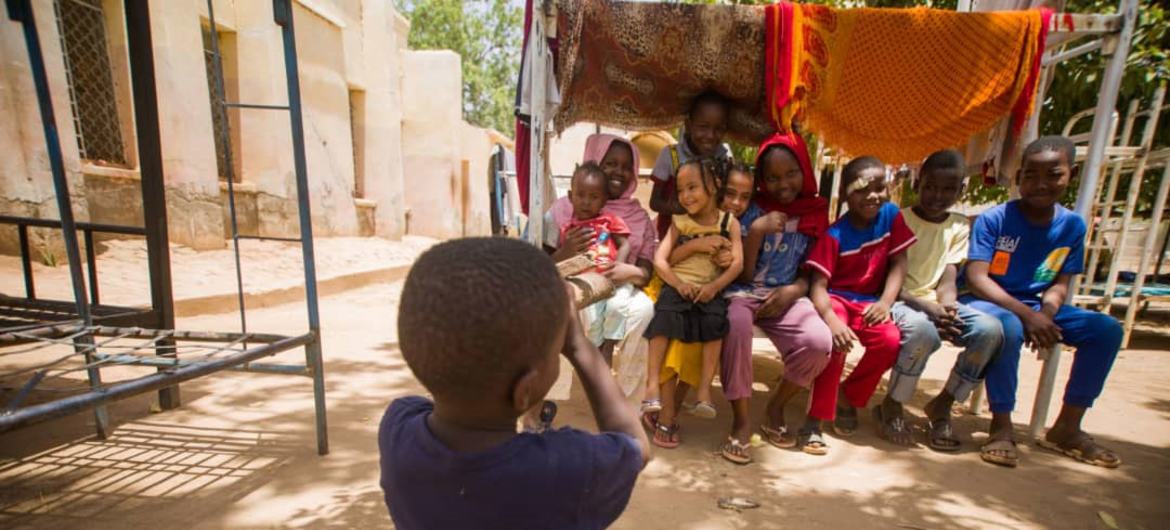
Children have fared no better. More than 4,300 have been killed or maimed since the war began, and more than 5,700 grave violations against children have been formally recorded
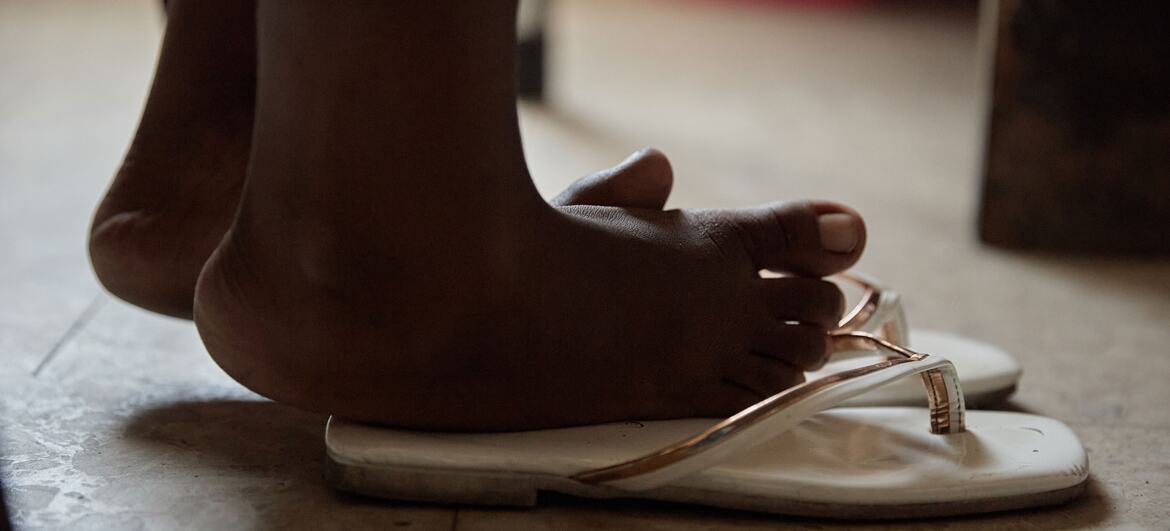
The statistics, by now, have acquired the numbing quality of repetition. But behind each number is a human life dismembered by a conflict that has been, in the words of Anna Mutavati of UN Women, fundamentally “a war on women and girls.” Her agency estimates that 12.7 million people, the overwhelming majority of them women and girls, now require support related to sexual and gender-based violence.
In 2023, that figure stood at 3.1 million. In Darfur alone, humanitarians have treated close to 2,500 survivors of rape and gang rape over the past year. The real number of victims is unknowable.
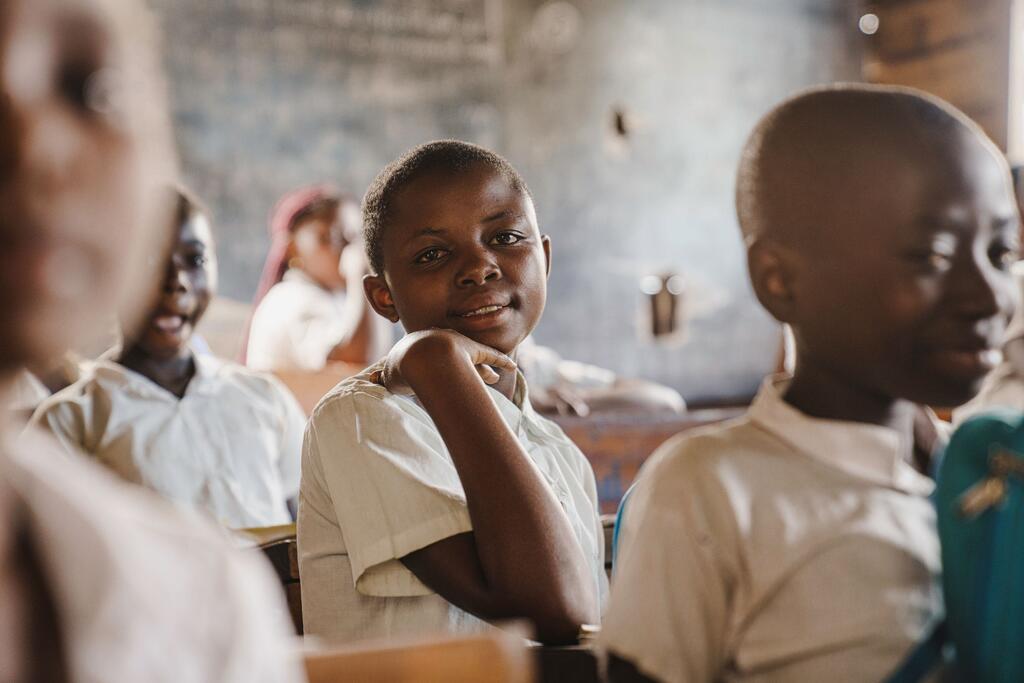
Children have fared no better. More than 4,300 have been killed or maimed since the war began, and more than 5,700 grave violations against children have been formally recorded. Eighty percent of all child casualties have been caused by drone strikes, a weapon that has migrated from the world’s distant battlefields into the markets, roads, schools and homes of one of Africa’s most populous nations.
In the first three months of 2026 alone, at least 245 such child casualties were recorded, a sharp increase on the same period the previous year. “Drones are killing and wounding girls and boys in their homes, in markets, on the roads, near schools and health facilities, all places that should never be targets,” said Eva Hinds of UNICEF.
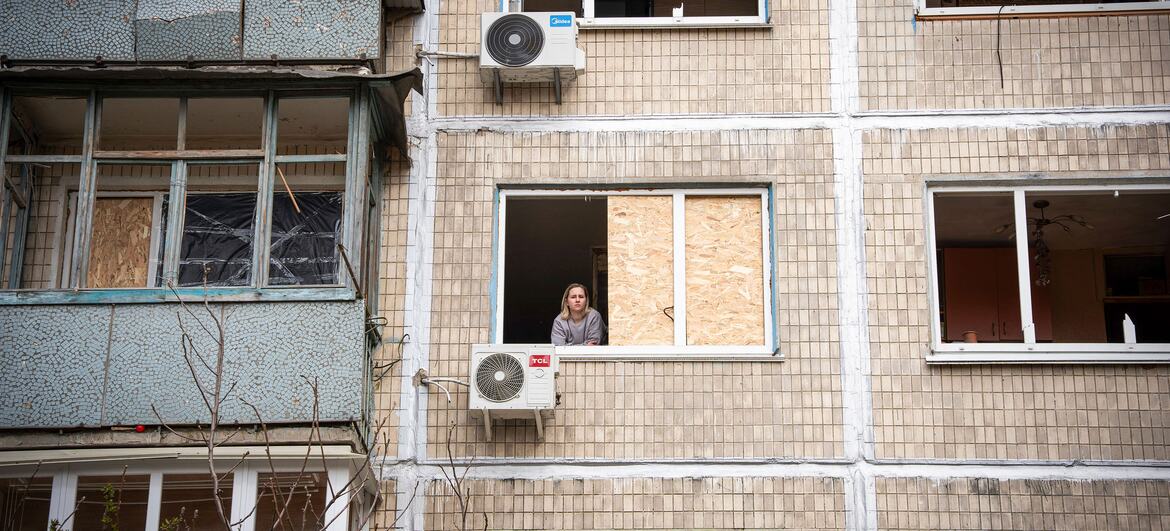
The drone war has also destroyed the infrastructure upon which civilian life depends. Between 70 and 80 percent of health facilities in conflict areas are now non-operational or critically under-resourced, according to the International Committee of the Red Cross. Communications networks have been shattered.
In the South Kivu highlands of neighbouring Democratic Republic of Congo, a related conflict has produced eerily similar scenes: a community radio station bombed by drone, livestock killed in the fields, an 86-year-old man shot dead while tending his cattle, a 14-year-old boy killed near his village. The war in Sudan has metastasised across a region already saturated with suffering.
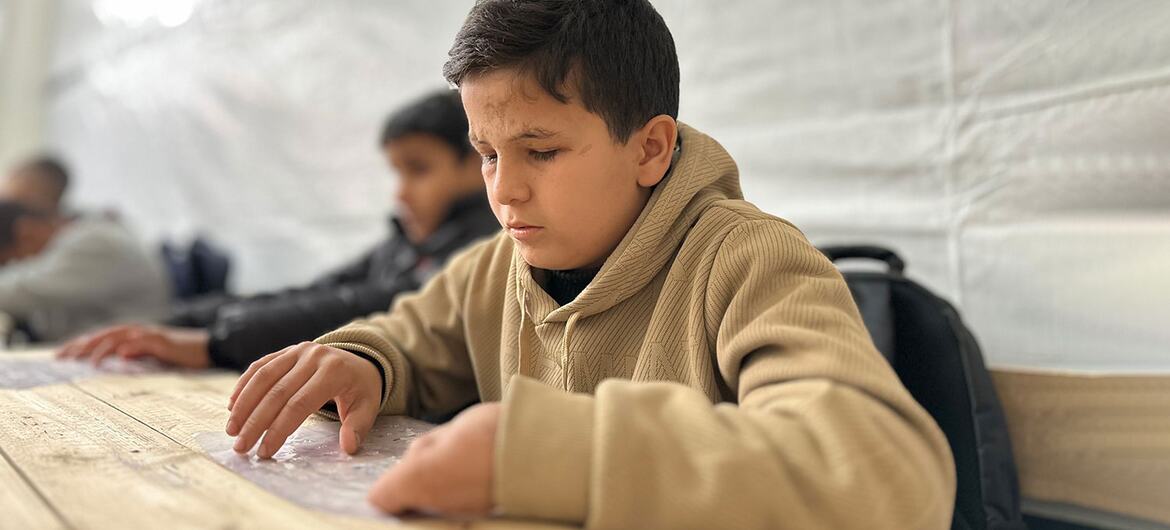
Support Builds to Protect Children from Crimes Against Humanity
The civil society coalition has supported the process by elaborating the legal basis for these proposals and demonstrating how they align with progress made elsewhere, from international human...
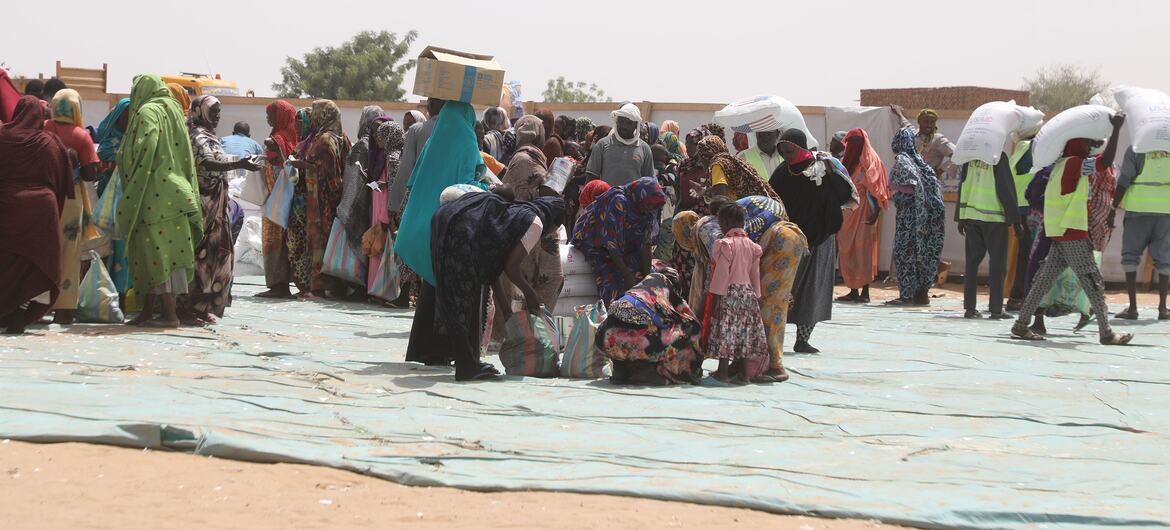
Sudan: Security Council Warns of Mass Atrocity Risk in El Obeid
Council members also raised concern over reports of RSF drone strikes in El Obeid and a broader increase in drone attacks across Sudan by parties to the conflict. They called for all abuses and...



Our Network
Our Channels

© 2026 Al Jazeera Media Network. All rights reserved.