

South Sudan: A Nation Starving
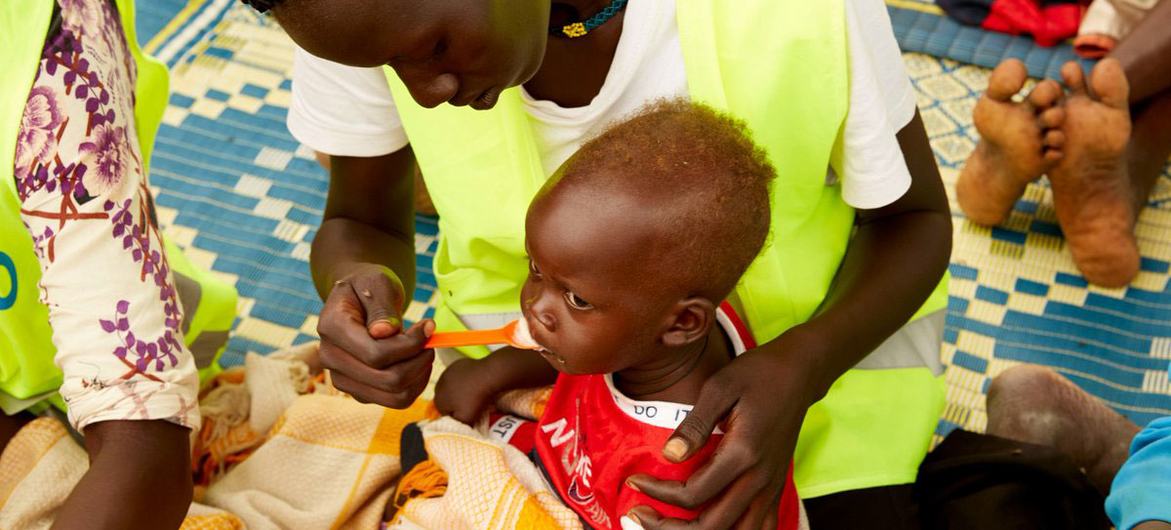
© UNICEF A child in South Sudan is fed by a healthcare worker.
Conflict and displacement are pushing more than half of South Sudan’s population into acute food insecurity. A 160% surge in catastrophic hunger cases signals the country is running out of time.
South Sudan has always been a country in crisis. What distinguishes the current moment is scale, speed and a convergence of catastrophes that has pushed the nation toward the outer edge of humanitarian endurance.
Some 7.8 million people, 56% of the population, face high levels of acute food insecurity between April and July 2026, according to a joint statement issued on Tuesday by UN agencies. They are classified at Phase 3 or above on the Integrated Food Security Phase Classification (IPC), the internationally backed alert system. Of those, 73,300 have reached Phase 5, the most catastrophic designation — a figure representing a 160% increase from the previous estimate. Some 2.5 million people are at Emergency level (IPC Phase 4) and 5.3 million in Crisis (IPC Phase 3).
160%
Increase in catastrophic hunger cases (IPC Phase 5) since last estimate
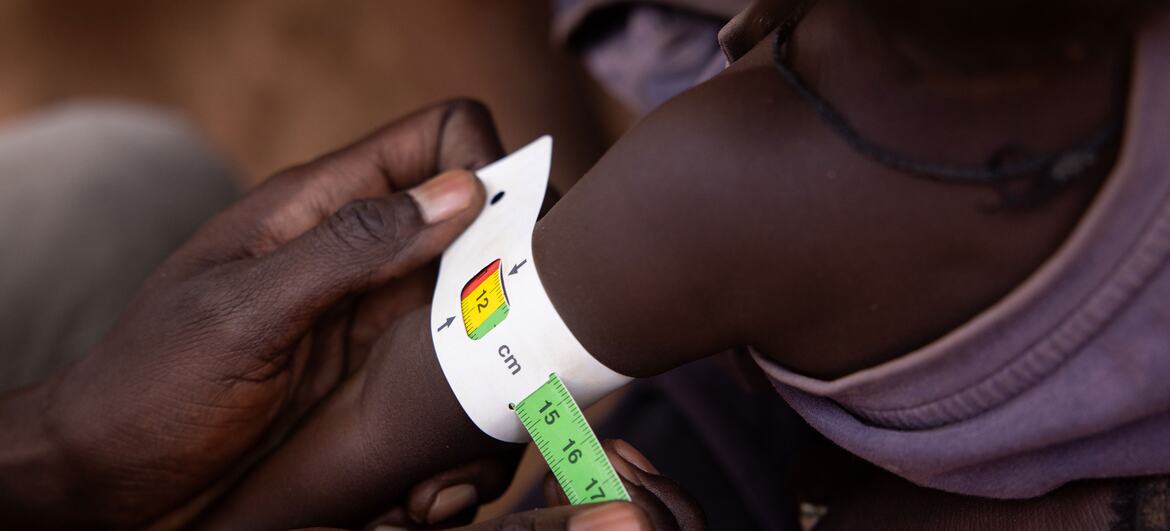
Some 2.2 million children suffer from acute malnutrition. The number of acutely malnourished children aged six months to five years has risen by 100,000 cases in six months; 700,000 are projected to face the deadliest form, severe acute malnutrition, by July. Some 1.2 million pregnant and breastfeeding women are also acutely malnourished. UN agencies warn of a credible risk of famine in four counties across Upper Nile and Jonglei states, with 11 counties projected to face Extremely Critical acute malnutrition outcomes.
The crisis is being driven by escalating conflict, mass displacement, economic decline, climate shocks, flooding, and below-capacity agricultural production. In Jonglei alone, nearly 300,000 people have been displaced. Disease outbreaks, cholera, malaria and measles — are preying on malnourished children whose access to health services has been severed by conflict. Ross Smith, WFP’s Director of Emergencies and Preparedness, described “a critical race against time” to deliver supplies to remote locations before an early rainy season cuts off access entirely. The UN is calling for immediate action: funding for food assistance, nutrition programmes, clean water, sanitation, and health services. For a country born from decades of war, survival has always depended on the patience and generosity of outsiders. That patience is being tested at exactly the moment when demand is greatest
Sudan’s War and the Weapon of Rape
In Darfur, there are reasonable grounds to believe that some acts of sexual violence, committed in the context of a widespread and systematic attack on the civilian population, may amount to...
Sudan: Security Council Warns of Mass Atrocity Risk in El Obeid
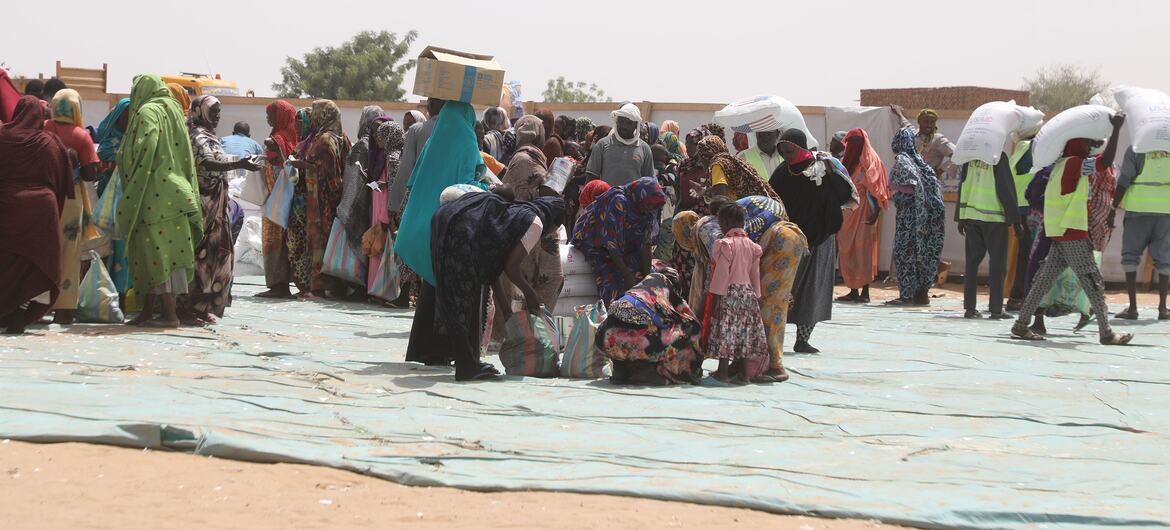
Council members also raised concern over reports of RSF drone strikes in El Obeid and a broader increase in drone attacks across Sudan by parties to the conflict. They called for all abuses and...





Our Network
Our Channels

© 2026 Al Jazeera Media Network. All rights reserved.