

Abandoned, Not Forgotten
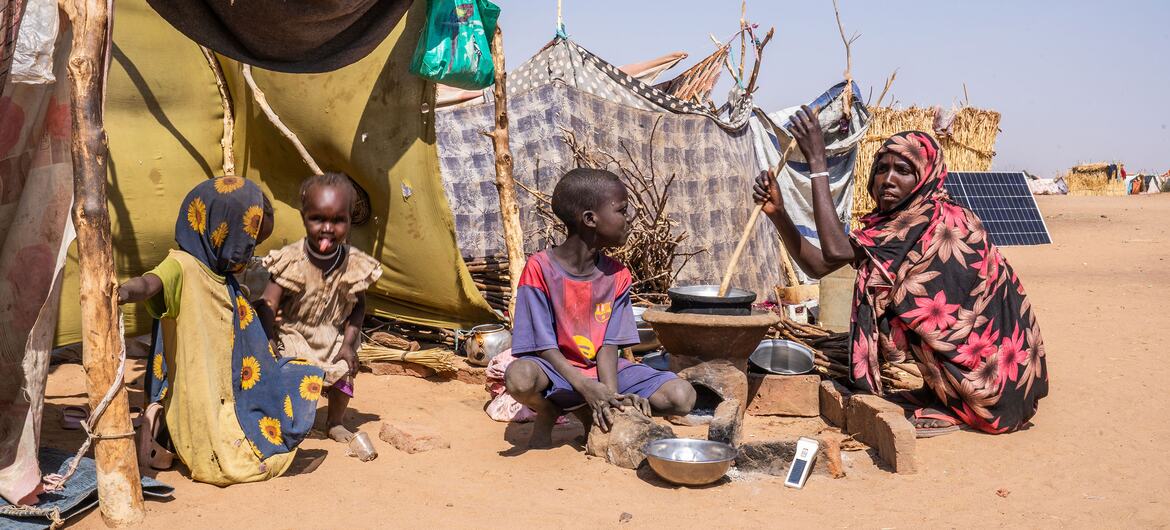
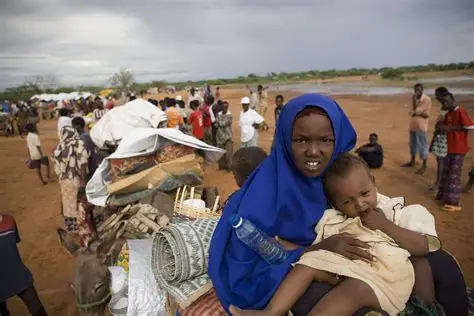
© UNICEF/Mohammed Jamal Thousands of people fled the North Darfur capital El Fasher last October when it was overrun by paramilitary Rapid Support Forces. They remain in makeshift camps in Tawila.
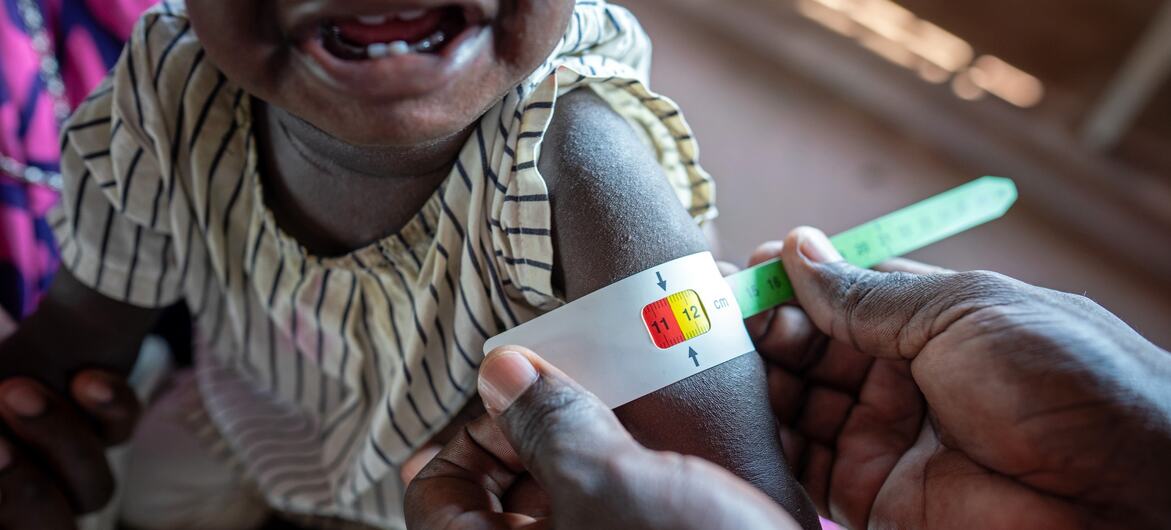
The most striking voice at this week’s briefings was not that of a diplomat. It belonged to Denise Brown, the United Nations Humanitarian Coordinator in Sudan, who spoke by video link from Khartoum to journalists in New York. She rejected the phrase that officials and commentators have applied to Sudan for three years. “Please don’t call this a forgotten crisis,” she said quietly. “I’m referring to this as an abandoned crisis.”
The distinction matters. A forgotten crisis implies inadvertence, a failure of attention in a world crowded with competing emergencies. An abandoned crisis implies a choice, a deliberate turning away from suffering that the international community has the power to address but has elected not to. Around El Fasher, Ms. Brown said, 6,000 people were killed in three days on the basis of verified figures, with the real toll almost certainly higher. In Dilling, in South Kordofan, aid convoys that had finally broken through after years of obstruction were halted when the town came under renewed attack. Thirty thousand people have been newly displaced in Blue Nile state. “There is no safe passage out,” she said.
Amnesty International, in a statement timed to coincide with the Berlin conference, was equally direct. “The Sudan conflict is not forgotten; it is being deliberately ignored and neglected,” said Agnès Callamard, the organisation’s Secretary-General. She documented systematic atrocities by both sides: the Rapid Support Forces’ deliberate killing of civilians, sexual slavery, looting and arson during its seizure of El Fasher; and the Sudanese Armed Forces’ airstrikes on crowded markets and reprisal attacks against civilians branded as enemy collaborators. Ms.
Callamard called on the UN Security Council to extend the existing arms embargo beyond Darfur to the rest of Sudan. She also implicated the United Arab Emirates in extensive military support to the RSF in violation of international law, alongside weapons transfers from France, China, Russia and Turkey.
Human Rights Watch added its own demand: that world leaders gathered in Berlin commit to concrete, time-bound measures to protect civilians and hold perpetrators to account. Ireland, Germany, the Netherlands, Norway and the United Kingdom have formed a coalition specifically aimed at preventing atrocities in Sudan. Whether it will produce consequences rather than communiqués remains, as of Wednesday, entirely unclear.
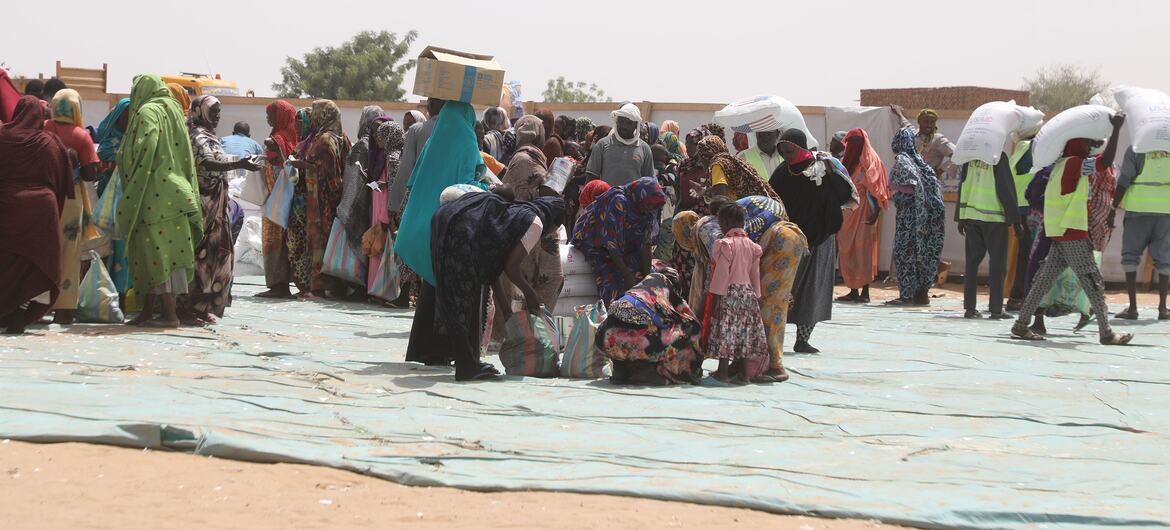
Sudan: Security Council Warns of Mass Atrocity Risk in El Obeid
Council members also raised concern over reports of RSF drone strikes in El Obeid and a broader increase in drone attacks across Sudan by parties to the conflict. They called for all abuses and...
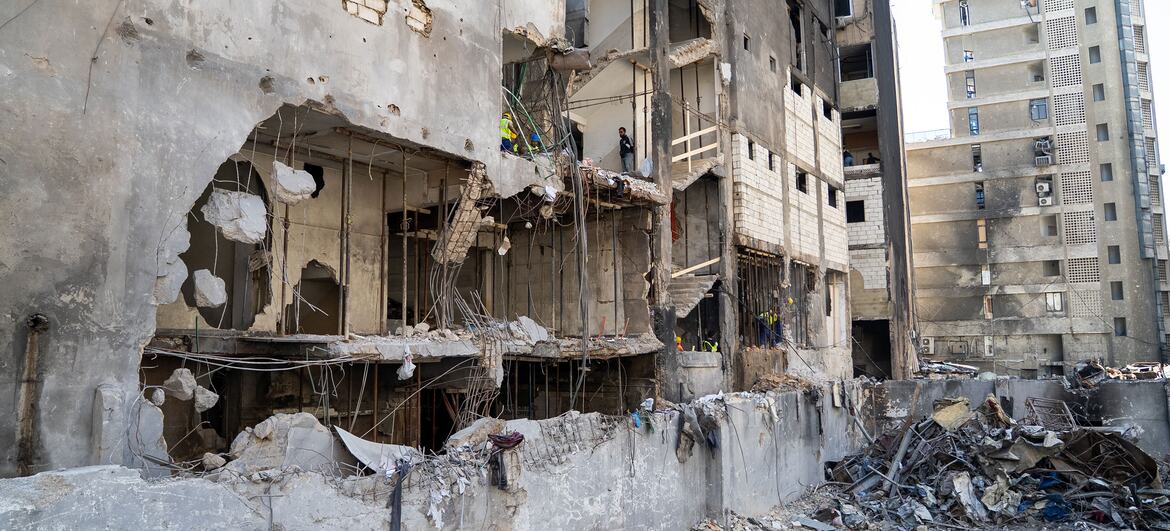
Lebanon on the Edge: Beirut Empties as Strikes Resume
The evacuation unfolded against the backdrop of a ceasefire that was never fully observed. A US-brokered truce took effect on 17 April but has been extended twice since, most recently on 16 May...
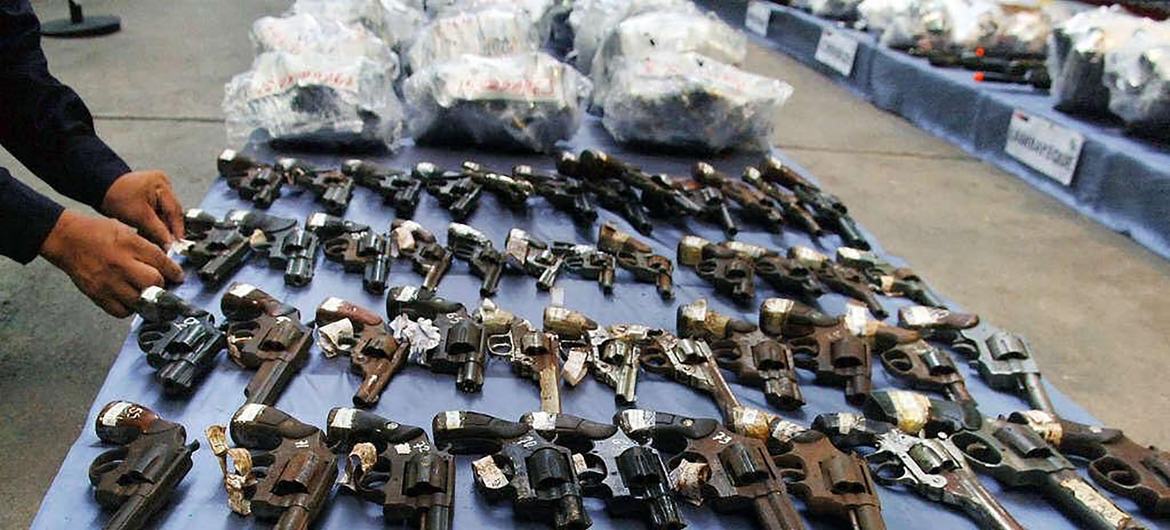
The Guns That Outlast the Wars
UN member states adopted an action programme in 2001 committing to strengthen national legislation, improve stockpile security, and combat illicit trafficking. A major milestone followed in 2005...




Our Network
Our Channels

© 2026 Al Jazeera Media Network. All rights reserved.