

Sudan’s Women: Nowhere Is Safe
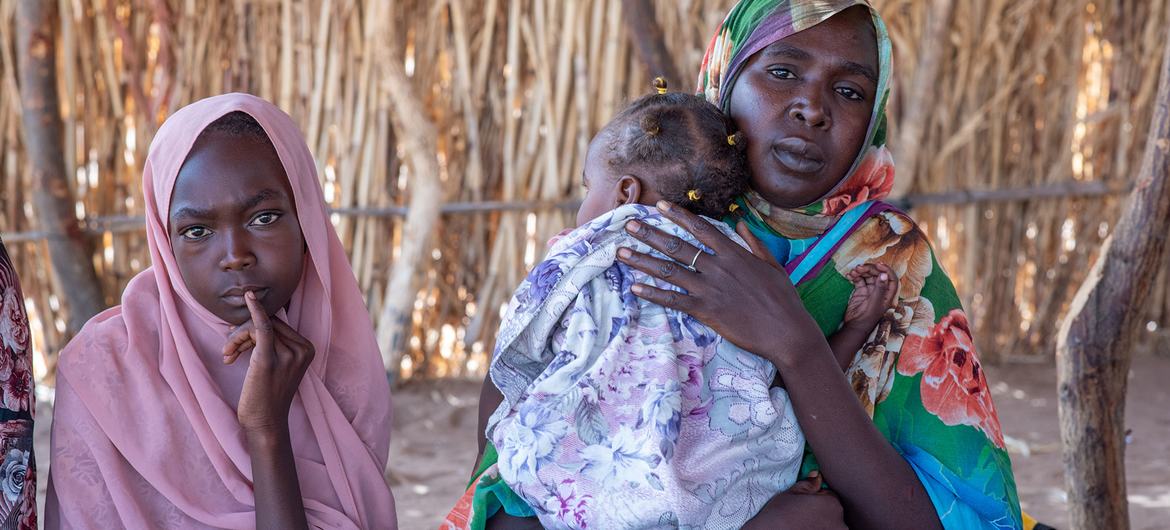
© UNFPA A displaced family visit a health clinic in Tawila, North Darfur.
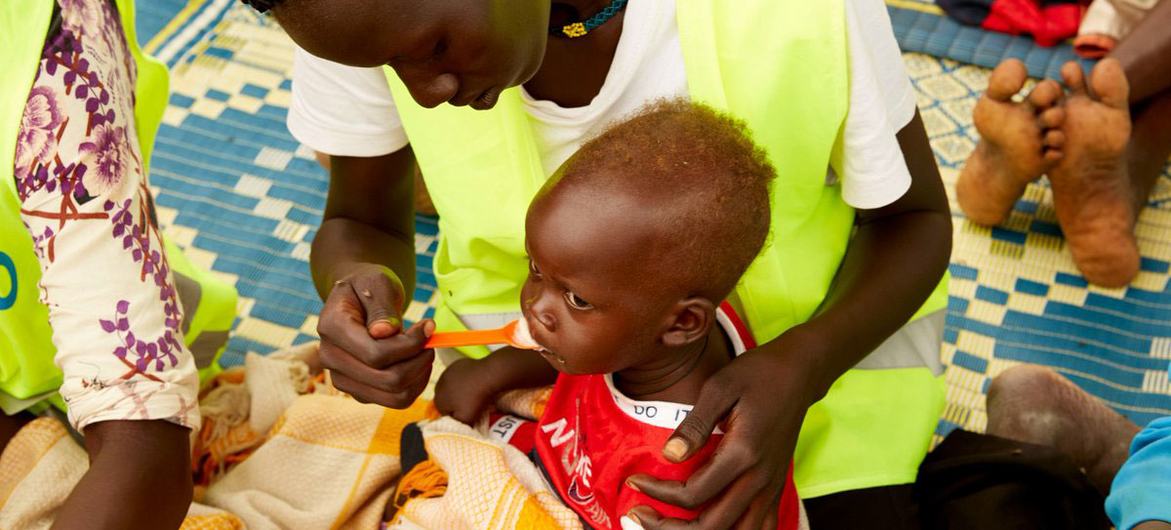
FOR A WOMAN in Sudan, the journey to safety is rarely safe. Fleeing shellfire and fighting between the Sudanese Armed Forces and the Rapid Support Forces, which has now ground on for three years with no sign of abating, women and girls face harassment, sexual violence and physical abuse on the road. Arriving at a displacement camp brings little relief.
According to a recent assessment by UNFPA, the United Nations reproductive and sexual health agency, three quarters of women aged between 25 and 49 reported feeling unsafe both inside the camps and beyond their perimeters, whether in markets, at water points or along roads. At night, with no lighting to speak of, women and pregnant women alike must navigate the dark to reach latrines.
The findings draw on focus group discussions with roughly 1,000 women and girls across 16 of Sudan’s 18 states. The picture they paint is consistent and grim. Reporting gender-based violence remains extraordinarily difficult: stigma, fear of retaliation, financial constraints and distance from service providers all conspire against it. Many of those surveyed had been displaced not once but several times, having endured months under active shelling before finally moving on.
What do Sudan’s women say they want? Overwhelmingly, they want to go home. Pending that, they identify three priorities: access to basic health services, schools for their children and, above all, livelihood opportunities. Fabrizia Falcione, UNFPA’s country representative in Sudan, is emphatic on this point. “They don’t want to be fed,” she says. “They want opportunities.” Economic empowerment was cited by three quarters of respondents as their principal need, a finding that sits at odds with the paternalistic logic that often governs humanitarian assistance.
The gap between need and response is stark. Funding for protection and health sectors currently stands at 14 per cent and 11 per cent of requirements, respectively. UNFPA operates 88 safe spaces for women and girls across the country, where survivors find the confidence to speak about violence and access services.
Yet without sustained financing, even these footholds are hard to maintain. One girl, recounting her experience at such a space, said she valued it because she could spend time with her friends, just as she had before the war. It is a modest wish, and one that the world has so far struggled to honour.
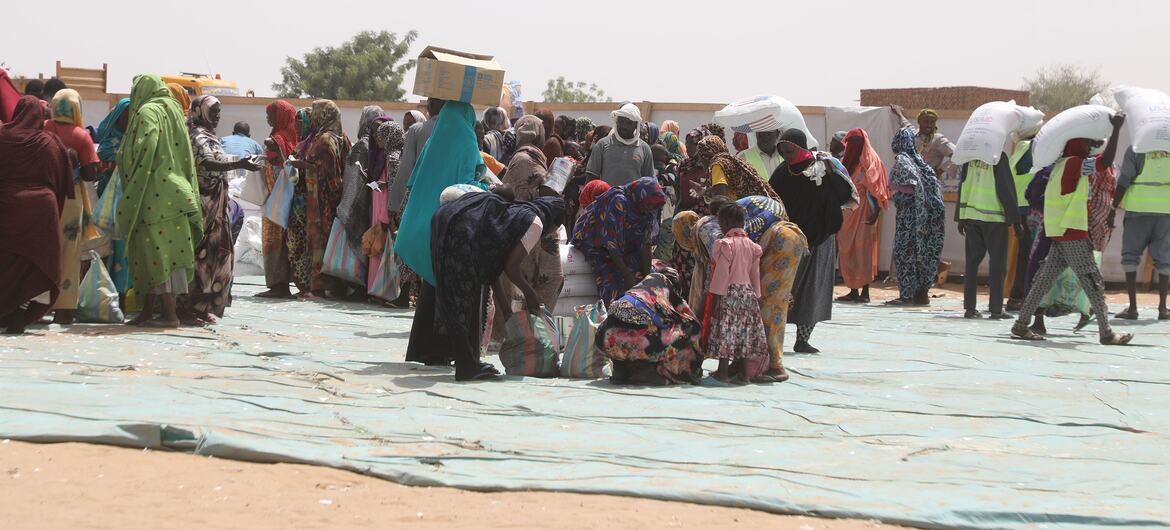
Sudan: Security Council Warns of Mass Atrocity Risk in El Obeid
Council members also raised concern over reports of RSF drone strikes in El Obeid and a broader increase in drone attacks across Sudan by parties to the conflict. They called for all abuses and...
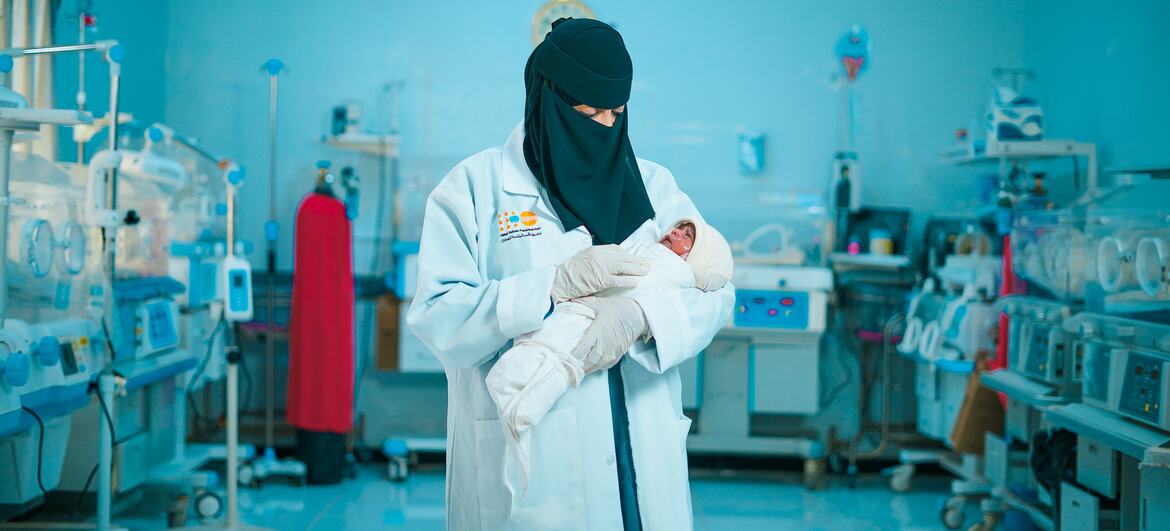
In Yemen, the War’s Cost Falls Hardest on Women
Beyond health, conflict and economic collapse have sharpened the risks of gender-based violence. UNFPA runs safe spaces offering psychosocial support, vocational training, and legal assistance...
- Most Viewed
- Most Popular

Our Network
Our Channels

© 2026 Al Jazeera Media Network. All rights reserved.