

The World Pledged Nearly $1.8 Billion for Sudan
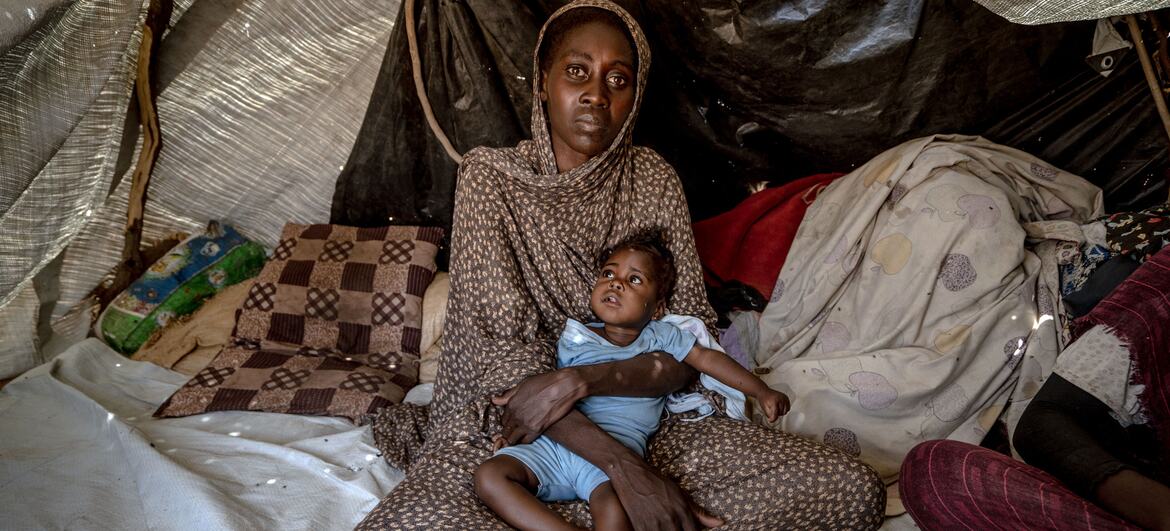
A Sudanese woman with her child.
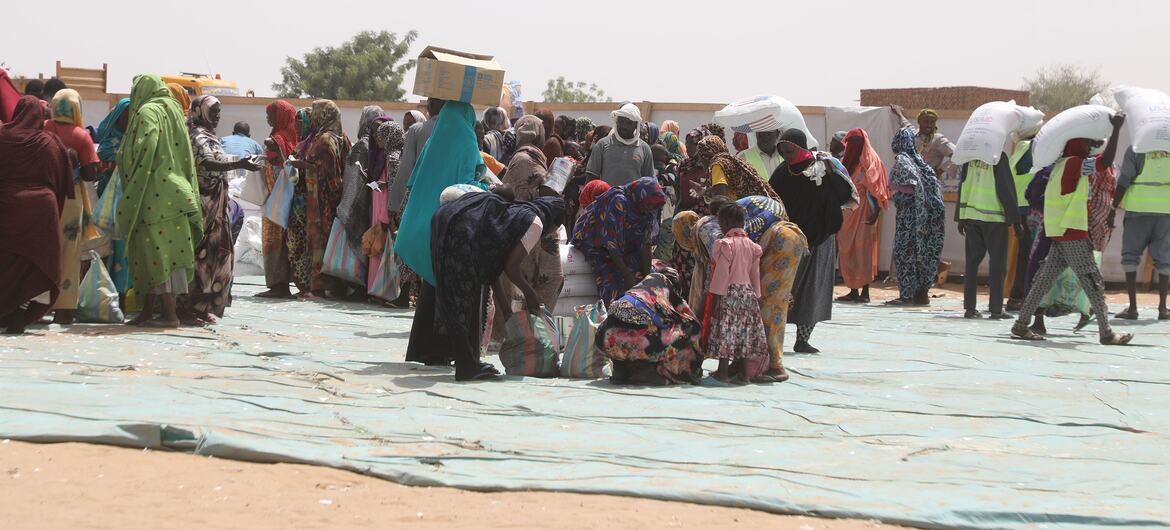
On the third anniversary of the war that has turned Sudan into, in the words of the United Nations humanitarian chief Tom Fletcher, “an atrocities laboratory,” foreign ministers from more than sixty delegations gathered in Berlin on Wednesday for the third International Conference on Sudan. They raised pledges of around 1.5 billion euros. They issued statements of shared concern. And they did so in the complete absence of both parties actually doing the fighting.
The conference, co-hosted by Germany, the African Union, the European Union, France, and the United Kingdom, drew senior UN officials who delivered remarks on the scale of suffering in a country now entering its fourth year of brutal warfare. Fletcher, the UN’s humanitarian affairs chief, cited sieges of cities such as El Fasher in Darfur, the deliberate denial of food, the use of sexual violence as a weapon of war, and the targeting of schools and hospitals. Drones alone, he said, had killed 700 people this year, and 130 aid workers had been killed over three years.
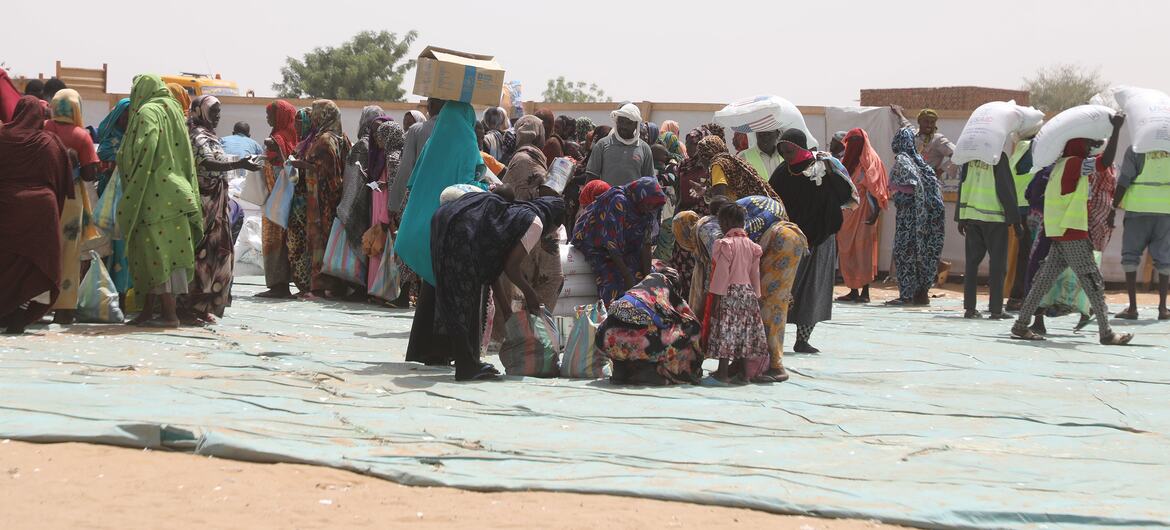
The numbers behind the crisis are staggering. Around 28.9 million people, nearly 62 percent of Sudan’s population, are facing acute food shortages, and around 70 percent now live in poverty, almost twice the pre-war figure. Nearly 34 million people need humanitarian assistance, and more than 4.5 million have been forced to flee their homes, according to UN Secretary-General António Guterres, who also said women and girls have been terrorised through systematic sexual violence.
Against this backdrop, the pledges announced in Berlin were substantial, if not quite sufficient. German Foreign Minister Johann Wadephul confirmed that donors had committed more than 1.5 billion euros, equivalent to around $1.77 billion, in humanitarian aid. Germany itself pledged a total of 232 million euros to Sudan and the neighbouring countries hosting millions of those displaced by the war. Wadephul was candid about his government’s motivations, noting that it was not only a moral obligation to prevent hunger but also in Germany’s interest to avoid a repeat of the large migration wave that followed the Middle East crisis of 2015 to 2016.
The structural problem with the conference was one it shared with its predecessors in Paris and London. Neither the Sudanese Armed Forces nor the paramilitary Rapid Support Forces were invited to attend, with the focus placed explicitly on civilian perspectives rather than peace negotiations. The UN’s special envoy for Sudan, Pekka Haavisto, described the meeting as an excellent opportunity to call for a humanitarian truce that would allow aid workers to reach affected civilians, stressing the need to protect civilians and limit the use of heavy weapons, including drones. Massad Boulos, the US presidential adviser for Arab and African affairs, said the main focus was on finding solutions through UN mechanisms and that Washington was not siding with any party.
Khartoum was not persuaded by the framing. Sudan’s Ministry of Foreign Affairs expressed profound surprise and condemnation, stating that the conference had been organised without consultation, coordination, or any invitation extended to the Sudanese government. It criticised the conference as a “colonial tutelage approach” and accused Western countries of attempting to impose their agenda without consulting Khartoum. Sudan had presented a national peace initiative before the UN Security Council in December 2025 and reiterated its openness to serious peace initiatives, provided they respect the country’s sovereignty and are conducted in coordination with the government. Any initiative inconsistent with these principles, the ministry warned, would be rejected.
The RSF-run parallel government also rejected the conference, saying that political elements close to the army had been included among the participants.
Speaking after the conference, Wadephul called on the RSF specifically to halt violence and ensure full, safe, and unimpeded access for aid organisations, and said participating nations had reaffirmed their commitment to diplomatic efforts to secure a ceasefire, enable humanitarian aid, and strengthen peace efforts. The African Union chairman, Mahmoud Ali Youssou, acknowledged the magnitude of the crimes committed and the level of destruction, and stressed that a ceasefire was essential. He also voiced concern about divisions within Sudan’s civilian camp.
A coalition known as the Quintet, which convened a broad range of civilian, professional, women’s, youth, and political networks for a parallel seminar, described the conference as an opportunity to reinforce international engagement and elevate Sudanese civilian perspectives at a critical moment, while acknowledging that the conference was not an endpoint and could not alone encompass the full diversity of Sudanese voices.
Human Rights Watch’s Sudan researcher, Mohamed Osman, set the bar plainly: to avoid being “another box-ticking exercise,” the Berlin conference would need to finally galvanise international momentum to deter further atrocities, advance justice, and protect civilians, including local aid workers. Whether the pledges made on Wednesday will meet that test remains to be seen. The war that produced the crisis continues unabated, and the next international gathering at which it will be discussed is an EU Foreign Affairs Council meeting scheduled for April 21.
Sources: UN News, news.un.org, April 15, 2026; Al Jazeera, aljazeera.com, April 15, 2026; Euronews, euronews.com, April 15, 2026; Cyprus Mail, cyprus-mail.com, April 15, 2026; Anadolu Agency via usmuslims.com, April 16, 2026; Daily Trust, dailytrust.com, April 16, 2026; allAfrica, allafrica.com, April 15, 2026; Dabanga Radio TV Online, dabangasudan.org, April 14, 2026; Foreign Policy, foreignpolicy.com, April 15, 2026.
Sudan, Lebanon, and Women in Diplomacy
Pre-positioned medical stocks in El Obeid are sufficient to treat more than 25,000 people, covering trauma care, disease prevention, reproductive health and nutrition. Yet the scale of need...
Sudan’s War and the Weapon of Rape
In Darfur, there are reasonable grounds to believe that some acts of sexual violence, committed in the context of a widespread and systematic attack on the civilian population, may amount to...

Our Network
Our Channels

© 2026 Al Jazeera Media Network. All rights reserved.