

An Unmarked Graveyard in the Andaman Sea
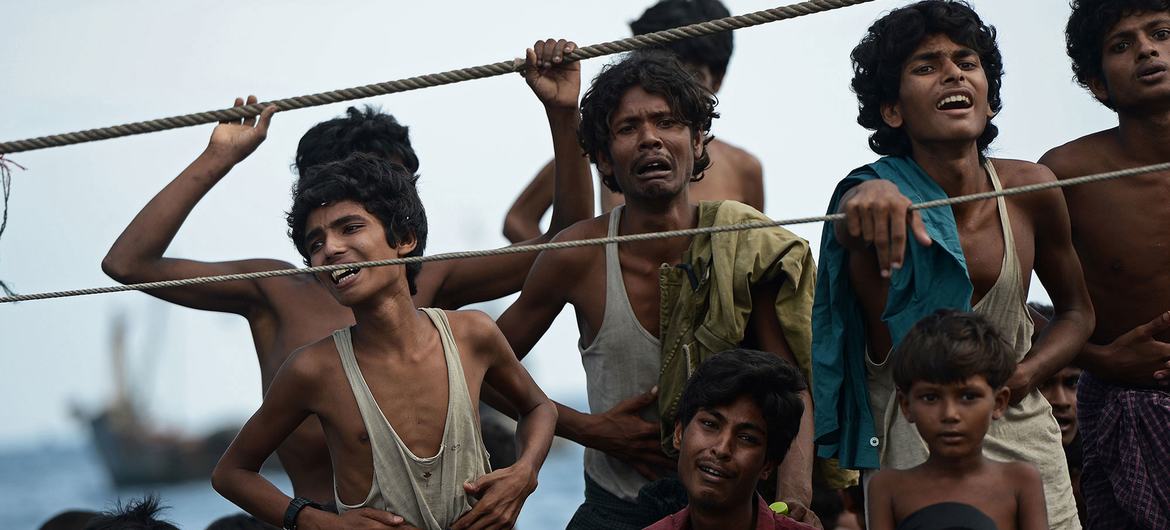
Stranded Rohingya boat people, desperate for food and water, sit on the deck of an abandoned smugglers' boat drifting in Thai waters off the southern island of Koh Lipe in the Andaman sea.
Left to drown, left to disappear
The world’s indifference to the Rohingya and Uyghur crises is measured in lives
900 Rohingya dead or missing at sea in 2025
5,000 Drowned in the decade to 2025
200,000 Sea crossings attempted since 2012
The numbers are stark. Nearly 900 Rohingya refugees were reported dead or missing in the Andaman Sea and the Bay of Bengal in 2025 alone, making it the deadliest year on record in those waters, according to the United Nations High Commissioner for Refugees (UNHCR). Over the preceding decade, some 5,000 had drowned attempting the same crossing. Since 2012, close to 200,000 people have taken to sea to escape persecution in Myanmar. The latest catastrophe was a shipwreck on April 8th off the coast of Bangladesh, in which hundreds are believed to have perished.
UNHCR has described this as an unending cycle driven by hopelessness. Most refugees wish to return to Myanmar; ongoing conflict, active persecution and the total absence of any path to citizenship render that impossible. The exodus intensified dramatically in 2017, when hundreds of thousands fled what the then UN human rights chief, Zeid Ra’ad al-Hussein, characterised as a textbook case of ethnic cleansing. The agency now hopes that publicising the record 2025 death toll will galvanise international action before 2026 surpasses it.
The Rohingya are not the only Muslim minority whose suffering has slipped from the world’s agenda. In China’s Xinjiang Uyghur Autonomous Region, a system of mass arbitrary detention has been in operation since 2016, ensnaring hundreds of thousands of Uyghurs and other Turkic Muslims. In a landmark 2022 report, the UN Office of the High Commissioner for Human Rights concluded that the Chinese government may have committed crimes against humanity in the region. That finding, remarkable in its directness, produced little durable consequence.
Efforts by a coalition of countries to place Xinjiang on the formal agenda of the UN Human Rights Council were narrowly defeated, following sustained pressure from Beijing. China’s government has deployed an integrated surveillance architecture it calls the Integrated Joint Operations Platform to track residents’ movements, phone use, vehicle locations and contacts abroad. Those with family ties to, or travel histories in, countries arbitrarily designated as sensitive have been detained. Use of applications such as WhatsApp or virtual private networks has itself been treated as grounds for imprisonment.
Beijing has worked to undermine international advocacy by intimidating diaspora activists and researchers, interfering with UN human rights mechanisms and staging tightly controlled tours for foreign diplomats and journalists, while blocking independent access for investigators. Nearly a decade since mass detention began and almost four years since the UN report, no accountability has materialised.
The erosion of attention is not solely a product of Chinese pressure. A shifting global order has helped. As governments seek to cultivate Beijing as a counterweight to an unpredictable American foreign policy, human rights concerns are routinely sidelined in bilateral negotiations. China has exploited this environment to recast itself as a reliable global power, its crimes in Xinjiang reframed as vocational training and social stability.
What would remedies look like? For the Rohingya, safe and voluntary return to Myanmar, with full citizenship rights, remains the only durable solution; in its absence, UNHCR urges safe legal pathways and regional burden-sharing. For Uyghurs, advocates call for targeted sanctions against officials responsible for abuses, mandatory import bans on goods produced by forced labour and the integration of human rights conditions into trade and investment agreements. Australia has been specifically urged to enact such a ban, as have other trading partners of China.
Both crises share a common pathology: the world notices, expresses alarm, then moves on. The sea keeps claiming lives; the detention facilities remain full. The cost of that inattention, measured in the hundreds of dead off Bangladesh’s coast or in the years a father has spent in a cell his family cannot locate, is not abstract. It is arithmetic.
Source: UNHCR, Geneva briefing, April 17th, 2026/UNHCR (Rohingya sea crossing data, 2025); UN Office of the High Commissioner for Human Rights, Situation of Human Rights in Xinjiang (August 2022); Human Rights Watch. Date of compilation: April 2025.
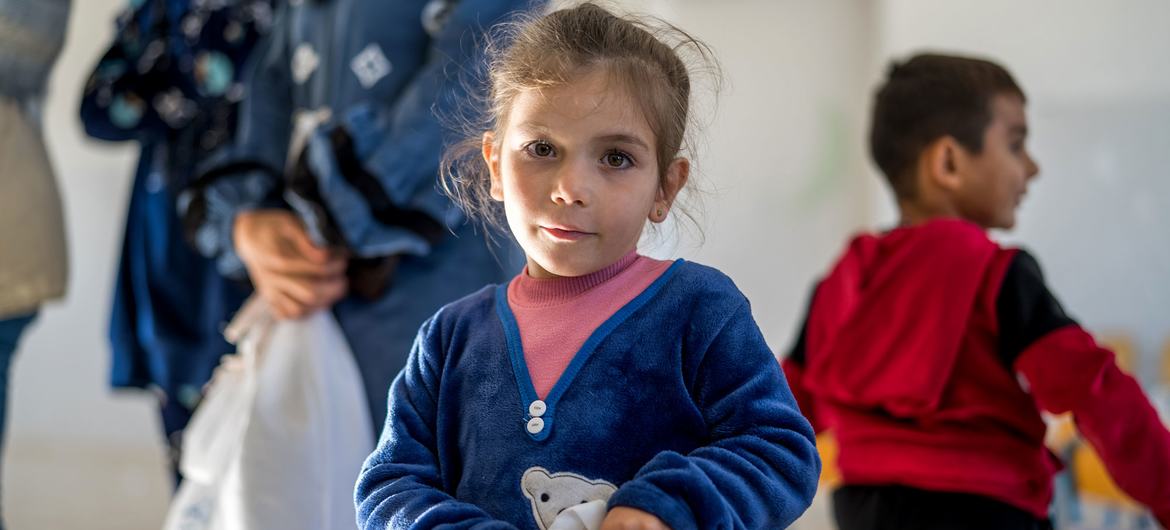
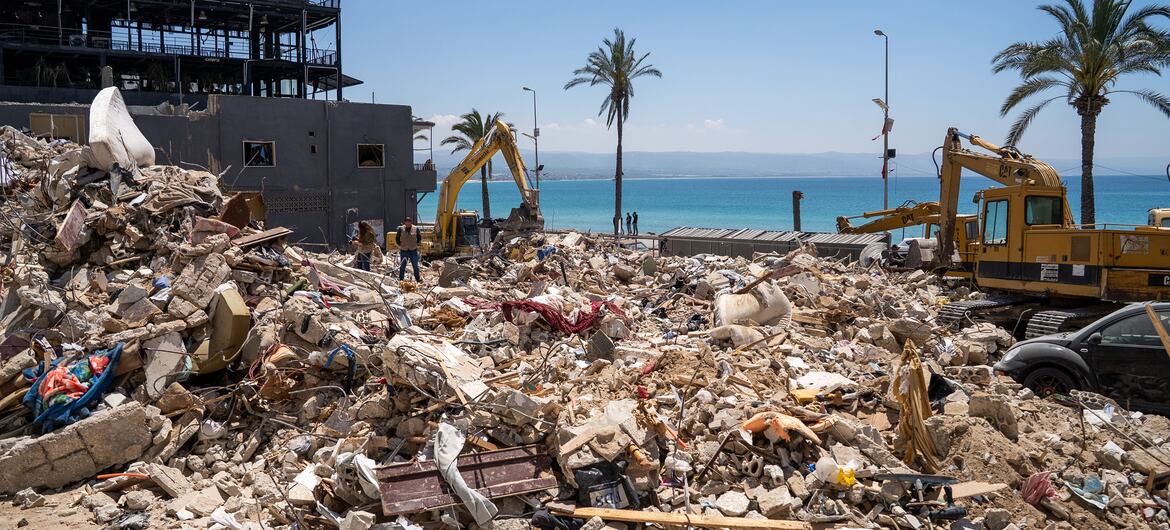
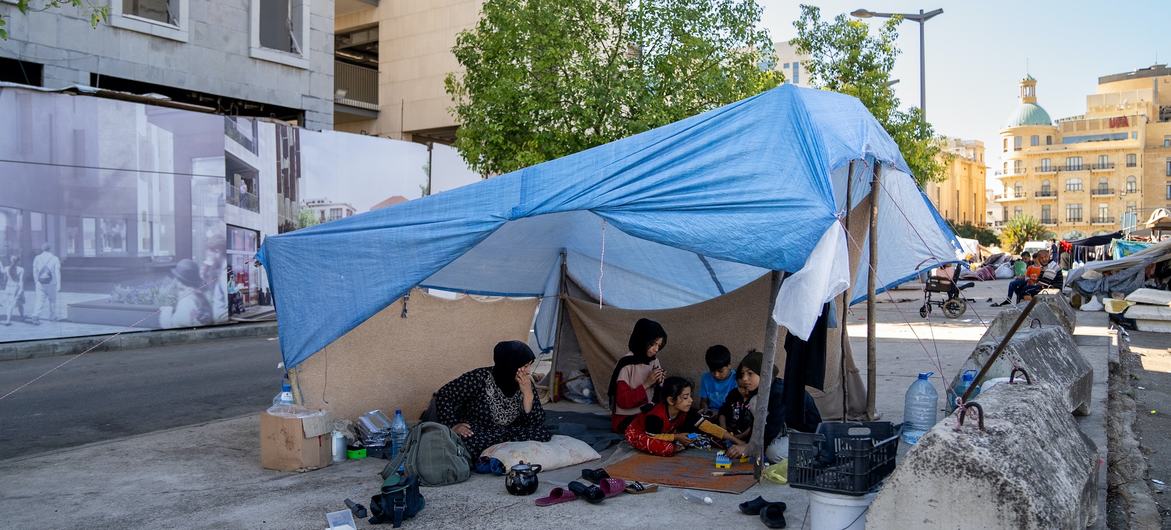
Lebanon: Twelve Children Killed or Maimed Every Day
More than 770,000 children are experiencing heightened distress from repeated exposure to violence, loss and displacement. Beyond those killed and maimed, Corsi warned, an entire generation has...
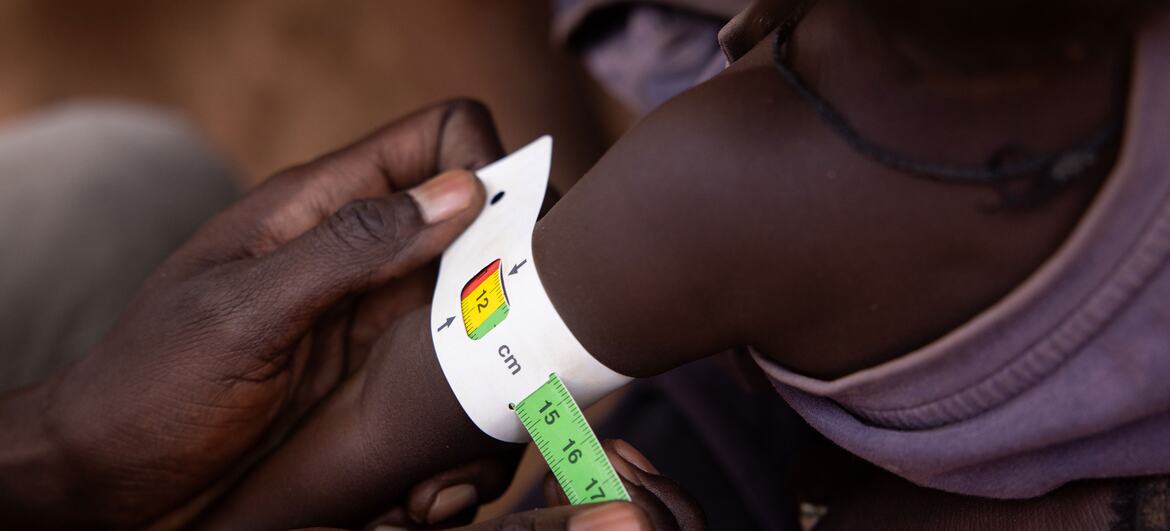
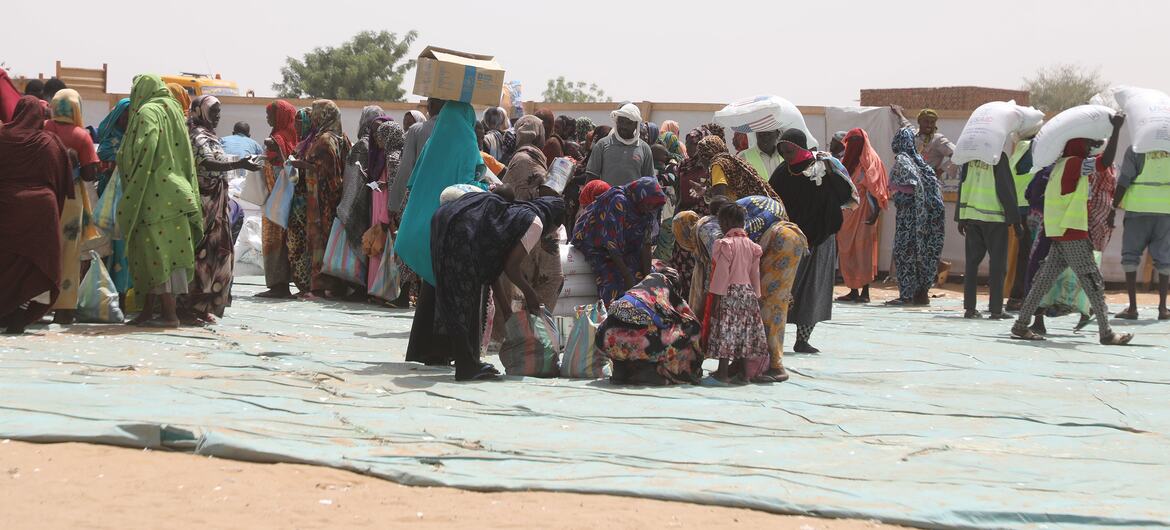
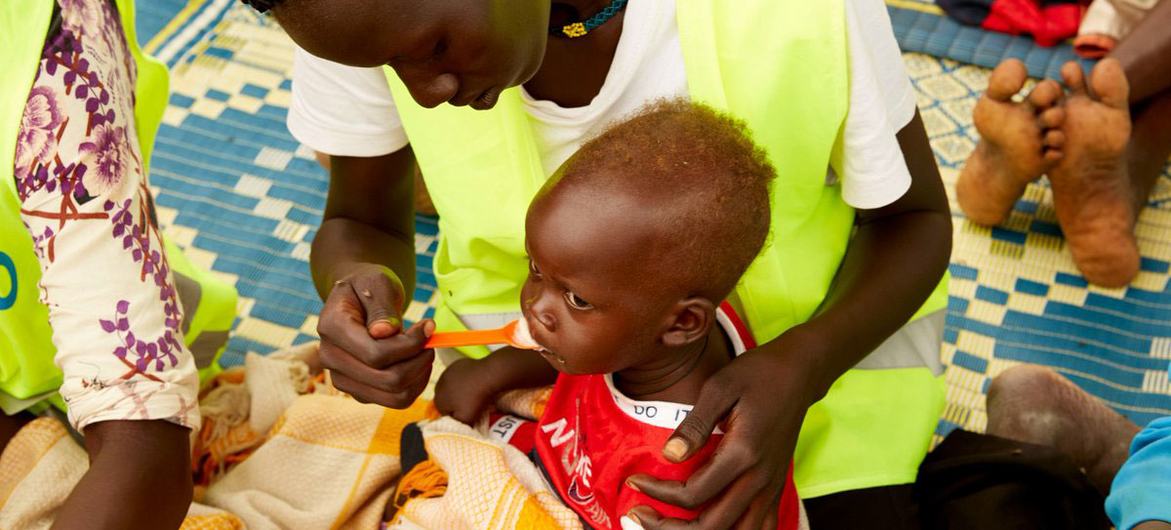
Hunger Hotspots: Famine Risk Deepens Across Thirteen Countries
The warning arrives as humanitarian funding continues to contract sharply. Support for food assistance, emergency farming programmes and nutrition responses in crisis settings fell by an...
- Most Viewed
- Most Popular





Our Network
Our Channels

© 2026 Al Jazeera Media Network. All rights reserved.