
Sudan’s Slow Catastrophe
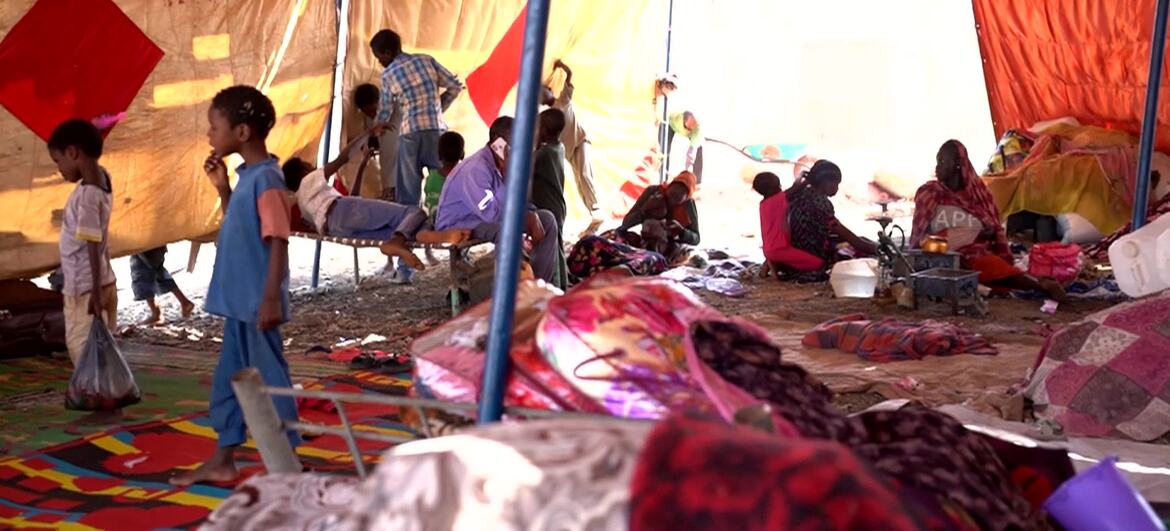
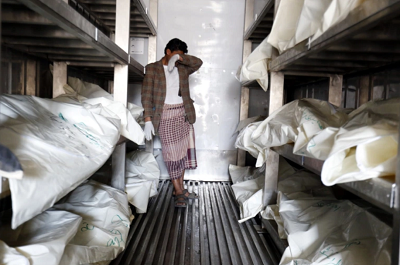
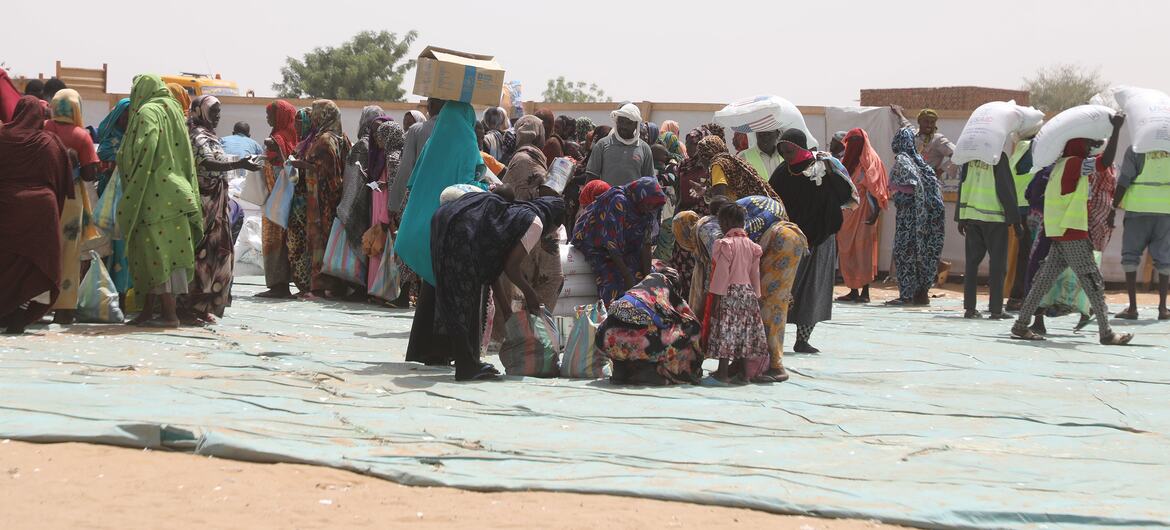
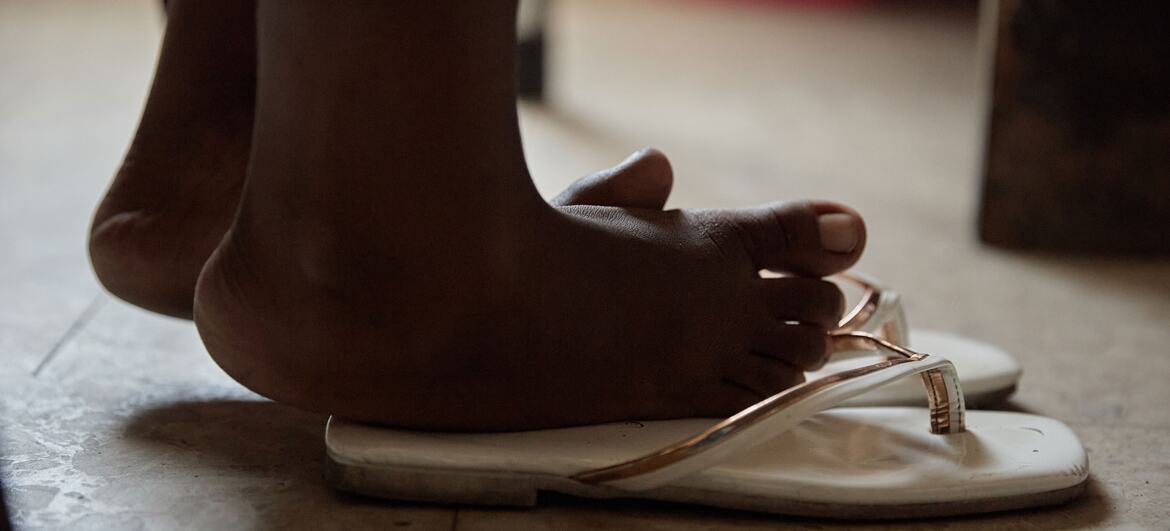
United Nations Living conditions at the Abu Al Naja camp in Sudan.
Three years into a ruinous civil war between the Sudanese Armed Forces and the paramilitary Rapid Support Forces, Sudan has become the world’s largest displacement and hunger crisis simultaneously, yet international attention and funding are both ebbing away.
More than 33 million people now need humanitarian assistance. Fourteen million have been forced from their homes, nine million of them still within Sudan and 4.4 million sheltering across borders in Chad, South Sudan and Egypt. Some 21 million face acute food insecurity; 6.3 million are in the direst state of famine emergency. Cholera, malnutrition, and trauma overwhelm a health system that has been comprehensively shattered by the war. The World Health Organisation has documented over 200 attacks on healthcare facilities since fighting began, resulting in more than 2,000 deaths. Health workers have been killed, detained, and tortured.
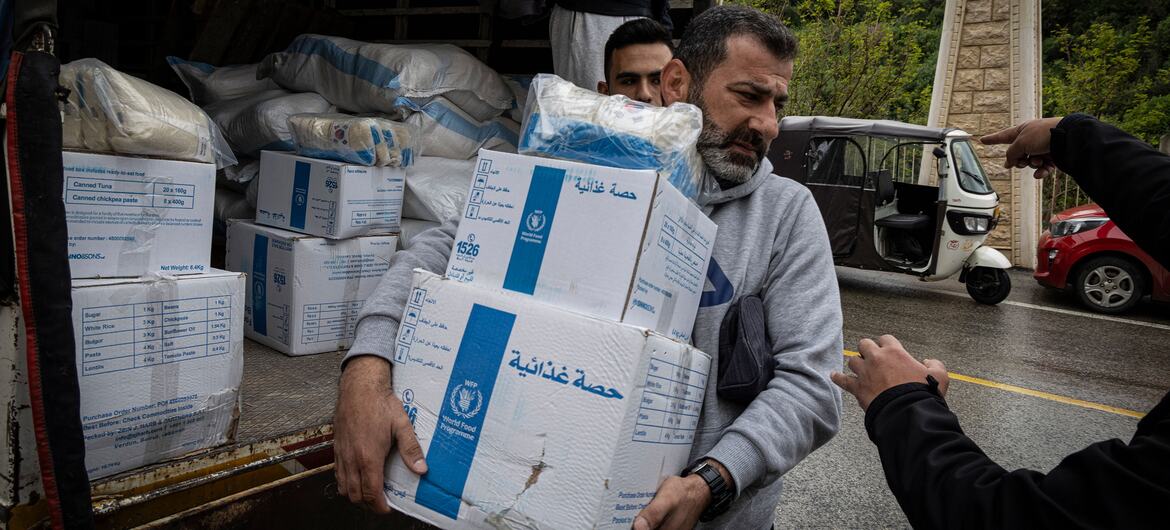
The funding picture is bleak. American support for Sudan’s coordinated humanitarian plan halved between 2024 and 2025. Fewer than 40% of the plan’s requirements were met by all donors combined last year. Community kitchens, according to CARE International, have largely closed, with up to 80% now shuttered. Non-governmental organisations report running out of basic medicines. One organisation said it could meet only half the cases requiring ready-to-use therapeutic food, a nutrient-dense paste designed to treat severe acute malnutrition in children.
Women and girls bear a disproportionate share of the suffering. Sexual violence has been committed by all parties to the conflict. Access to post-rape care and reproductive health services has collapsed. Grassroots women’s groups report receiving almost no funding. “Hundreds of women and little girls are being abandoned completely,” said one activist.
The war has also disrupted logistics far beyond Sudan’s borders. The World Health Organisation and other agencies maintain supply hubs in the United Arab Emirates. The war in the Middle East has disrupted shipping and driven up costs. Stocks that were pre-positioned in Sudan are being consumed without clear resupply.
An international ministerial conference on Sudan is scheduled for April 15th in Berlin. Amnesty International and other organisations are pressing donors to use the meeting to commit more funding to frontline NGOs and to apply diplomatic pressure on both warring parties to allow unhindered humanitarian access. For decades, wealthy nations have committed in principle to allocating 0.7% of gross national income to overseas aid. That commitment has rarely been met and never felt more hollow.
Sources: Amnesty International; UN Food and Agriculture Organisation; World Health Organisation; UN Office for the Coordination of Humanitarian Affairs
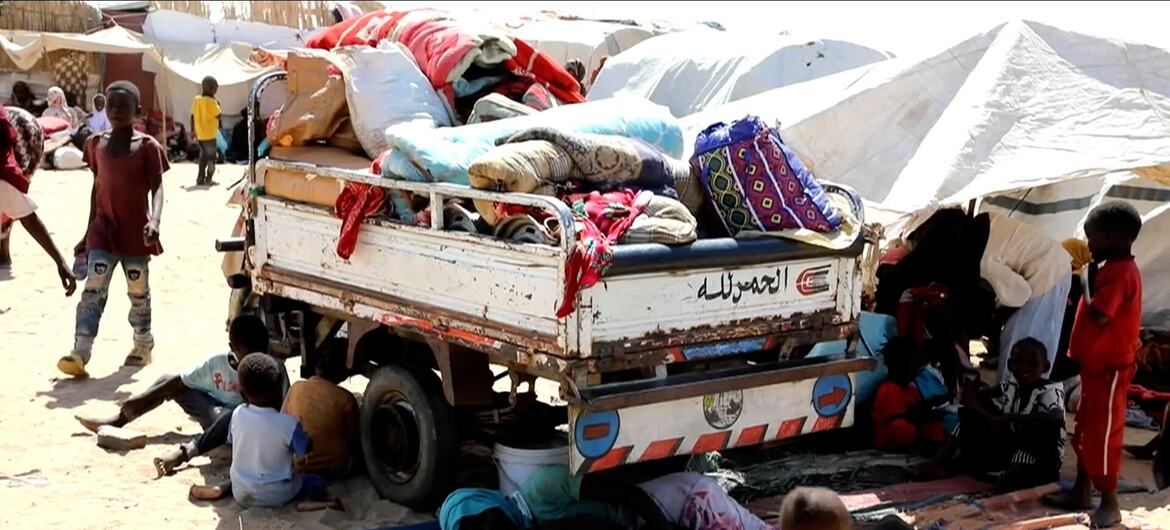
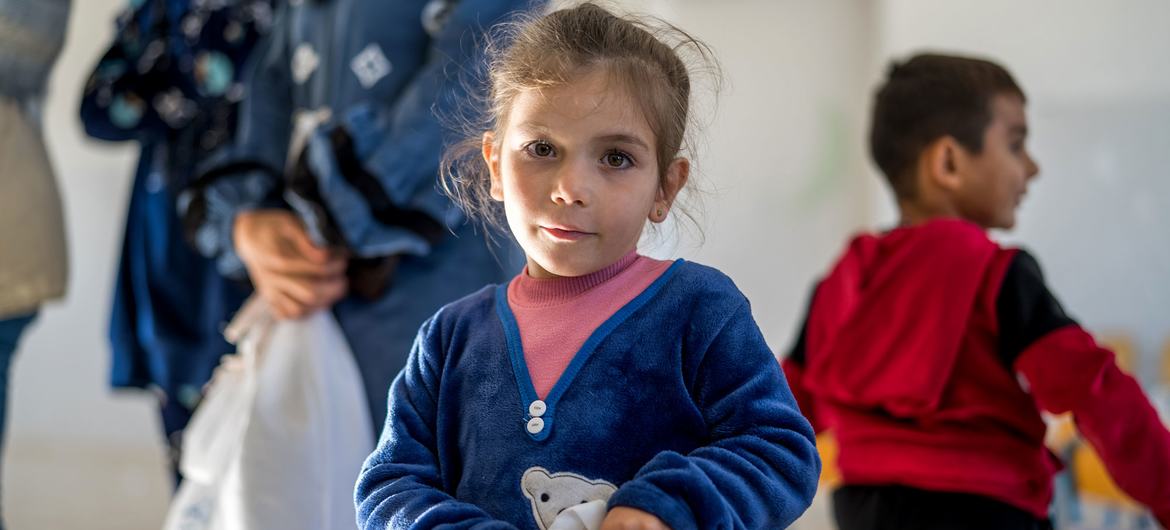
Sudan, Lebanon, and Women in Diplomacy
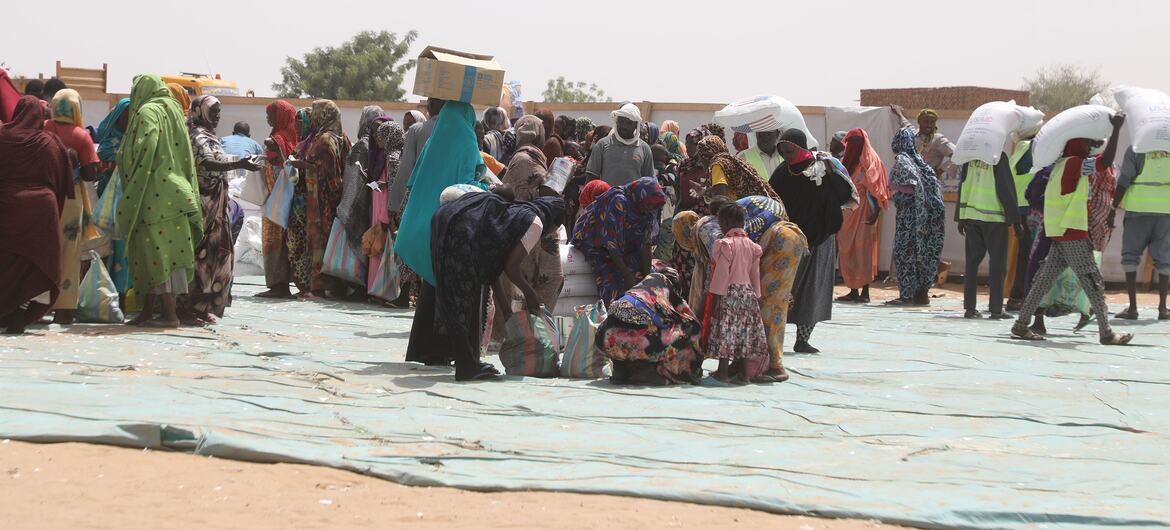
Pre-positioned medical stocks in El Obeid are sufficient to treat more than 25,000 people, covering trauma care, disease prevention, reproductive health and nutrition. Yet the scale of need...
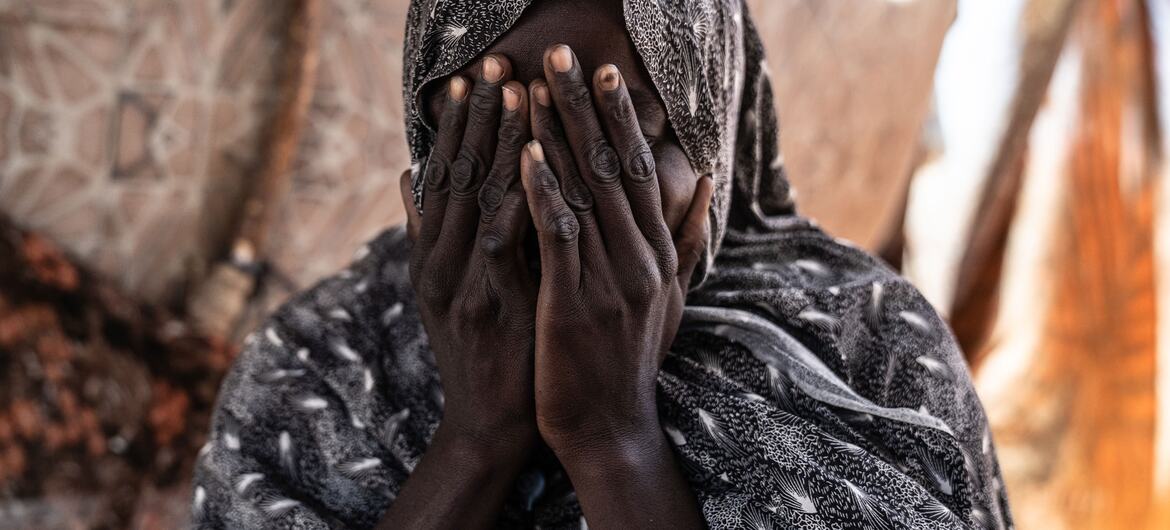
Sudan’s War and the Weapon of Rape
In Darfur, there are reasonable grounds to believe that some acts of sexual violence, committed in the context of a widespread and systematic attack on the civilian population, may amount to...

Our Network
Our Channels

© 2026 Al Jazeera Media Network. All rights reserved.