

Haiti’s Collapse
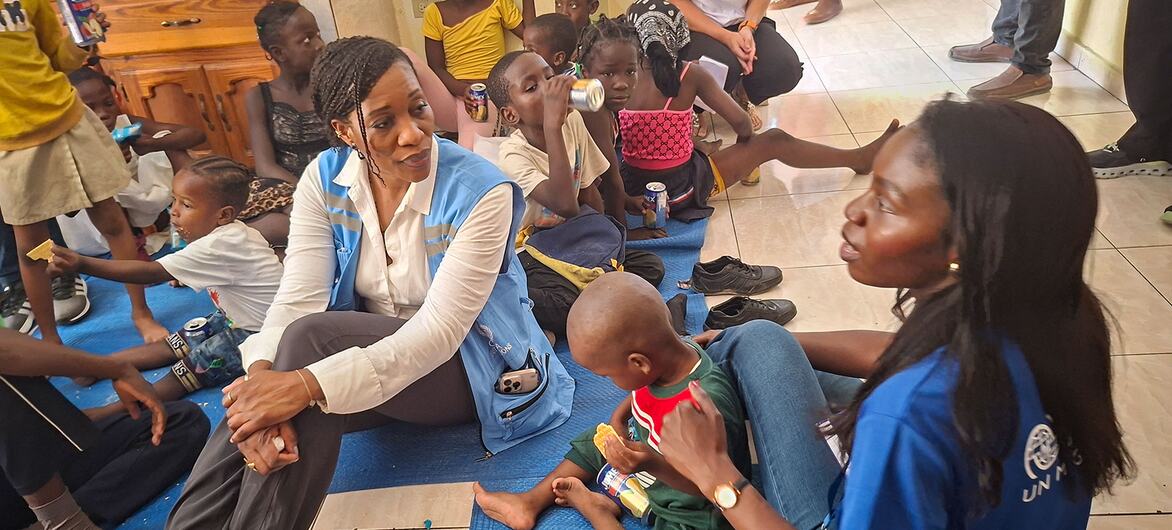
© UNOCHA/Wilbert Georges Edem Wosornu (left), Director of OCHA's Crisis Response Division, on her visit to Haiti in March 2026.
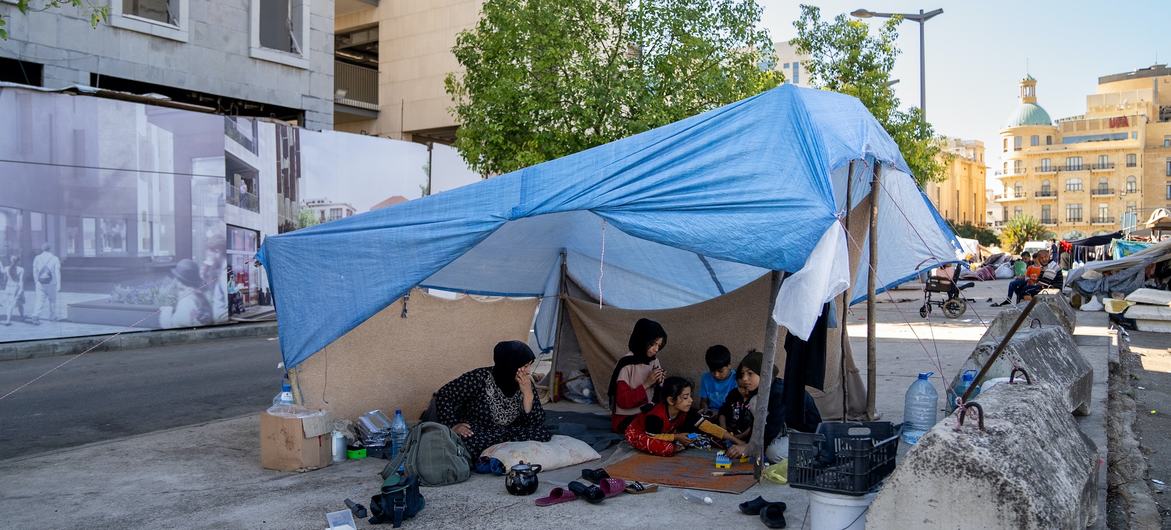
Haiti is experiencing one of the most severe humanitarian emergencies in the Western Hemisphere, and it is getting worse. More than half the country’s population, 6.4 million people, now require humanitarian assistance. Some 5.7 million are going hungry. One and a half million, equivalent to 12% of Haitians, are displaced from their homes.
The root cause is the near-total breakdown of the state. Armed gangs control roughly 90% of Port-au-Prince. In the Centre Department, a recent wave of violence left around 80 people dead and forced 13,000 to flee. Some 1,600 schools remain closed due to insecurity; 250,000 children have lost access to education. A school that typically holds 400 students now shelters 2,800 displaced people. Edem Wosurnu, the director of OCHA’s Crisis Response Division, who visited Haiti in March, described displacement sites where vermin emerge at night and children develop skin rashes from sleeping on the ground.
The plight of women and girls is particularly grim. In 2025, 8,100 survivors of gender-based violence were recorded, a 25% increase on the previous year. Half of reported cases involved rape. Only 30% of survivors receive medical assistance or psychological support within the critical 72 hours after an assault, owing to a lack of funding. One in six survivors is under 18. Ms Wosurnu met a 16-year-old girl cradling her three-month-old baby, separated from her family, who had been abused by a man who offered to care for her.
Humanitarians are seeking $880m to assist 4.2 million people this year. Less than 20% has been received. Aid workers, many of them themselves displaced, continue to operate in extremely dangerous conditions, sometimes negotiating directly with armed actors to reach those in need.
The UN’s conclusion is clear: humanitarian assistance alone cannot resolve Haiti’s crisis. Political solutions and sustained investment in essential services are needed. For now, neither is forthcoming.
Sources: UN OCHA; World Food Programme; UNHCR
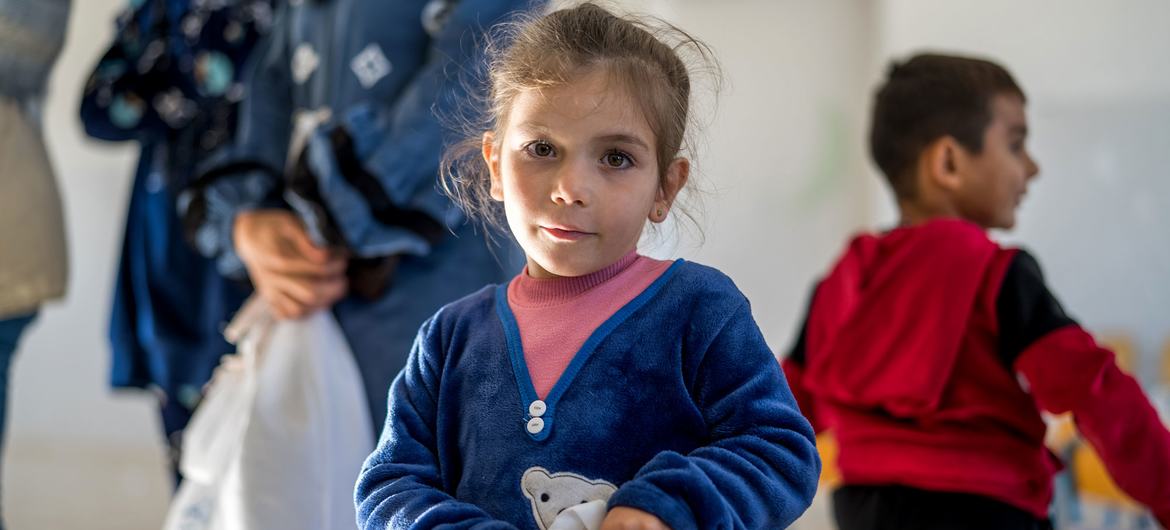
Lebanon: Twelve Children Killed or Maimed Every Day
More than 770,000 children are experiencing heightened distress from repeated exposure to violence, loss and displacement. Beyond those killed and maimed, Corsi warned, an entire generation has...
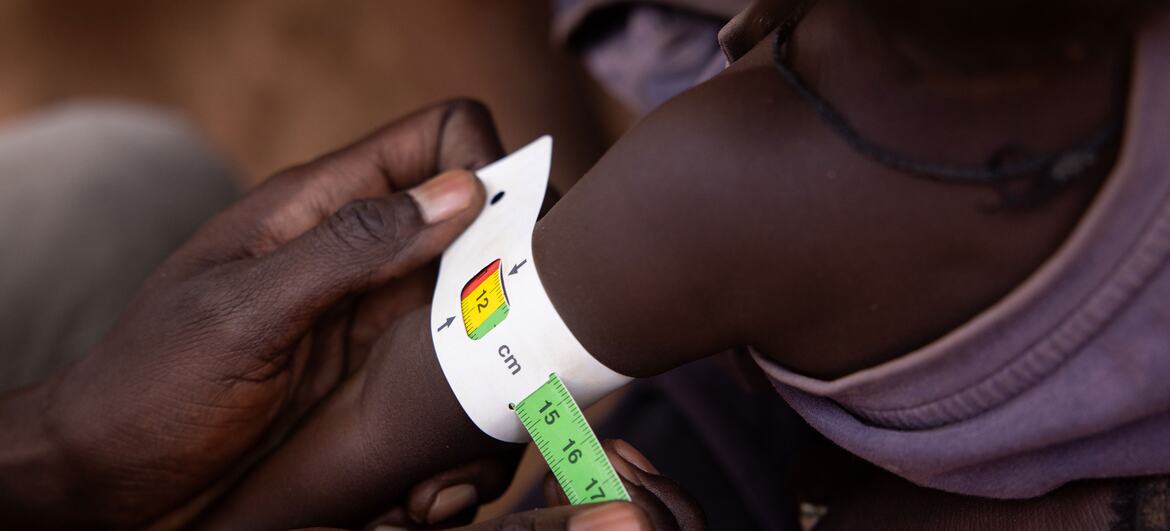
Hunger Hotspots: Famine Risk Deepens Across Thirteen Countries
The warning arrives as humanitarian funding continues to contract sharply. Support for food assistance, emergency farming programmes and nutrition responses in crisis settings fell by an...
- Most Viewed
- Most Popular





Our Network
Our Channels

© 2026 Al Jazeera Media Network. All rights reserved.