

Venezuela’s Twin Earthquakes Leave 680,000 Children in Need
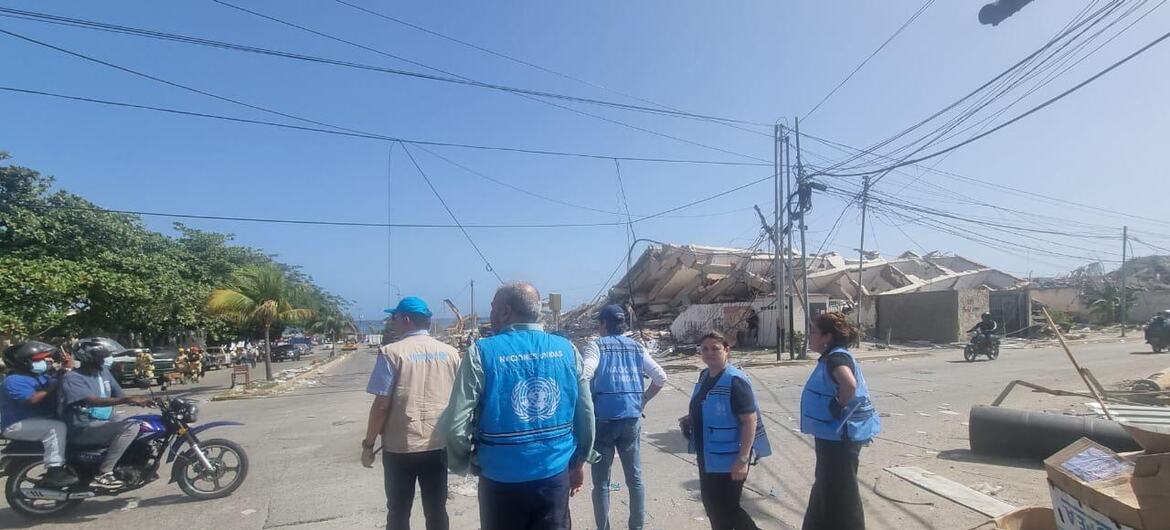
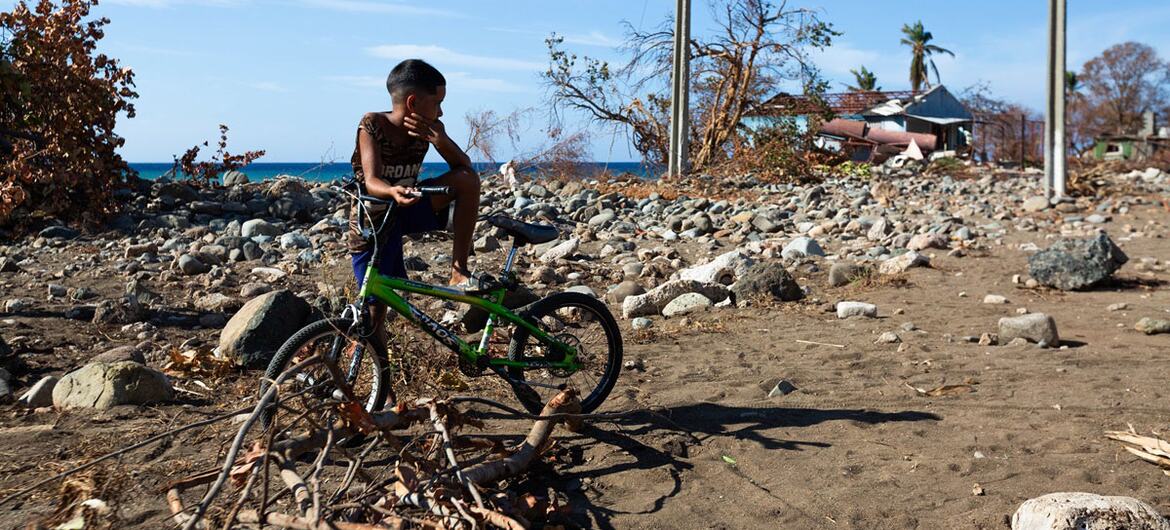
Photo credit: Luis Garcia/ The UN System is present in La Guaira, the region most severely affected by the devastating twin earthquakes that struck Venezuela.
The ground has barely stopped shaking. Less than a week after two powerful earthquakes struck Venezuela in rapid succession, the full scale of the humanitarian emergency is becoming clear. Some 680,000 children are among the 1.8 million people now requiring assistance, according to UNICEF. The dead number at least 1,430, with more than 3,200 injured. The twin quakes, measuring 7.2 and 7.5 on the Richter scale and striking on June 24th, have left more than 3,100 families displaced, many of them waiting in anguish as aftershocks continue to rattle an already shattered landscape.
La Guaira, the state bearing the worst of the destruction, has become the focal point of an international rescue effort. Teams from 27 countries, comprising more than 2,200 rescuers and 140 search dogs, are working to pull survivors from the rubble. Tom Fletcher, the UN Emergency Relief Coordinator, has urged that every hour counts. Gianluca Rampolla, the UN Humanitarian Coordinator in Venezuela, visited the region on June 28th, touring devastated areas and helping identify sites where services can be established for the newly homeless. He struck a note of guarded solidarity. “At a time when we’re always focused on the bad things happening in the world,” he observed, “here’s a gesture of solidarity from around the globe to support Venezuelans.”
The crisis extends far beyond collapsed buildings. Hospitals across La Guaira, Caracas, Carabobo, Aragua and Falcón are struggling under the weight of trauma, orthopaedic and neurosurgical cases. Of 21 health facilities assessed by the Pan American Health Organization, three are in critical condition and six more are only partially operational or structurally compromised. The United Nations has deployed three field hospitals in La Guaira, equipped with intensive care units and trauma areas. Mental health support, the assessments note, is urgently needed for survivors, bereaved families and first responders alike.
For children, the consequences are compounding. In the Capital District, preliminary reports indicate that 432 schools have sustained damage, more than a third of the total. Some undamaged schools are being pressed into service as temporary shelters, displacing their educational function entirely. UNICEF has mobilised additional staff and supplies to reach some 650,000 people, including 234,000 children, providing support across health, nutrition, water and sanitation, child protection and education. A first flight carrying 20 tonnes of medical and sanitation supplies landed on June 27th; a second shipment from UNICEF’s global hub in Copenhagen is expected shortly.
Manuel Rodríguez Pumarol, UNICEF’s representative in Venezuela, was direct about what is needed. “Hospitals are operating beyond capacity, thousands of children lack reliable access to clean water, and many schools have been damaged,” he said. “Sustained funding will be essential to maintain the response in the coming weeks.” As search operations gradually transition toward longer-term support, the task of rebuilding safety, shelter, and schooling for hundreds of thousands of children is only just beginning.
Sources: UNICEF; United Nations Office for the Coordination of Humanitarian Affairs; Pan American Health Organization; Venezuela government authorities. Reporting as of 28 June 2026.
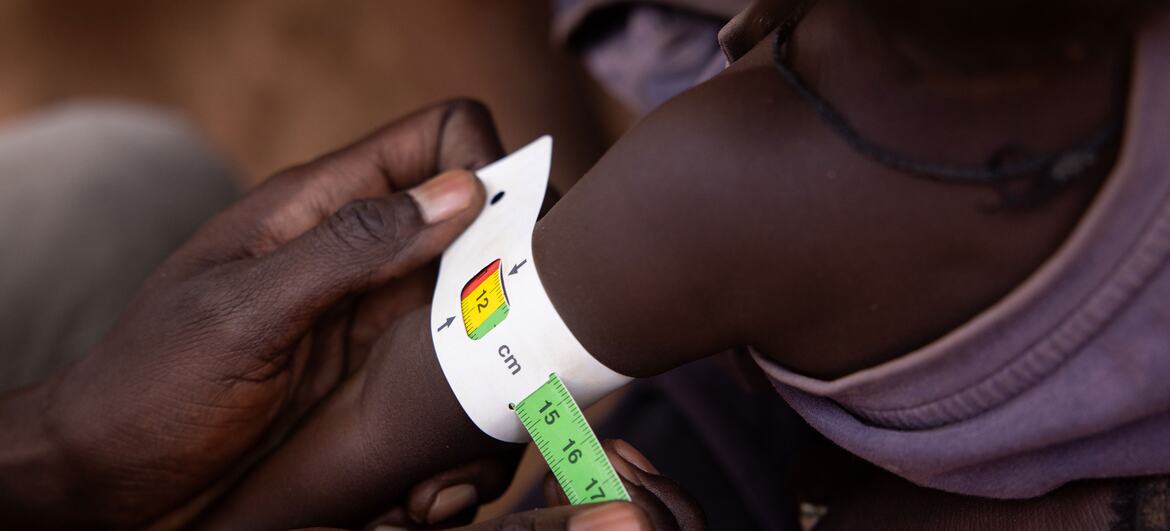
Hunger Hotspots: Famine Risk Deepens Across Thirteen Countries
The warning arrives as humanitarian funding continues to contract sharply. Support for food assistance, emergency farming programmes and nutrition responses in crisis settings fell by an...
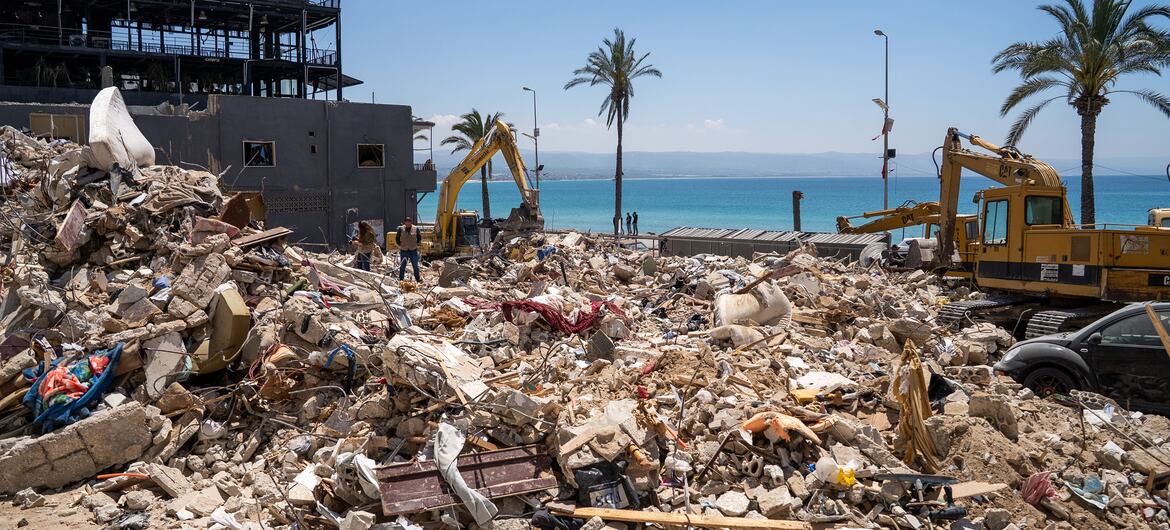
Lebanon’s Displaced Wait for Safety; Gaza Families Flee Again; Somalia Receives Emergency Funds
The UN Interim Force in Lebanon observed a reduction in exchanges of fire in the south, where Israeli forces and Hezbollah fighters have been engaged since the conflict began. Collective...
- Most Viewed
- Most Popular



Our Network
Our Channels

© 2026 Al Jazeera Media Network. All rights reserved.