
Lebanon’s Spiral of Need
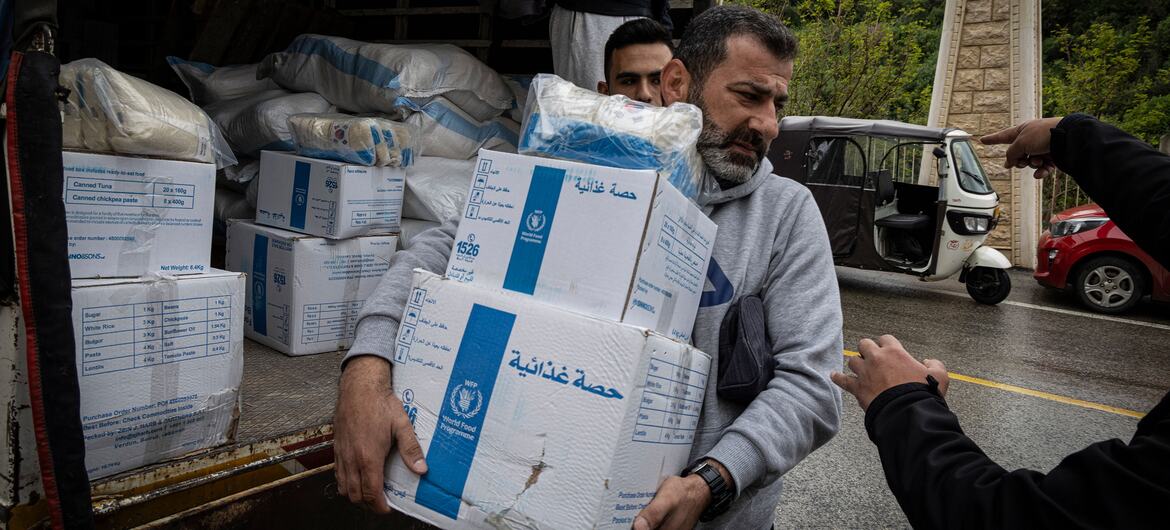
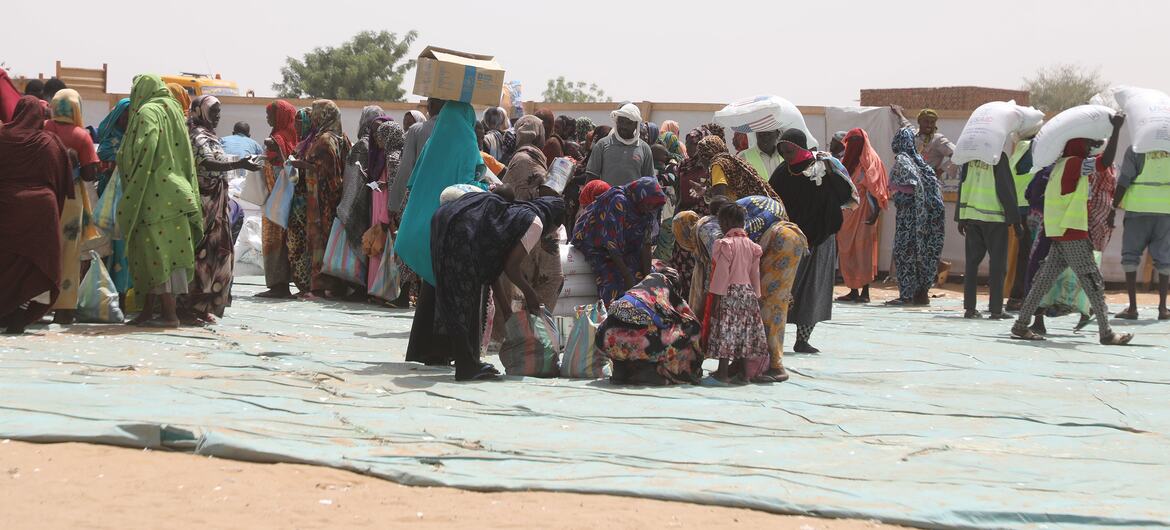
© WFP/Marco Frattini Aid is distributed to displaced families in northern Lebanon.
The UN appealed on Friday for an additional $331.5m to help 1.4 million people in Lebanon, as needs continue to grow three months into the latest round of deadly violence between Hezbollah fighters and Israeli forces. The appeal brings the total ask by the UN and its partners for Lebanon through August to $639.9m.
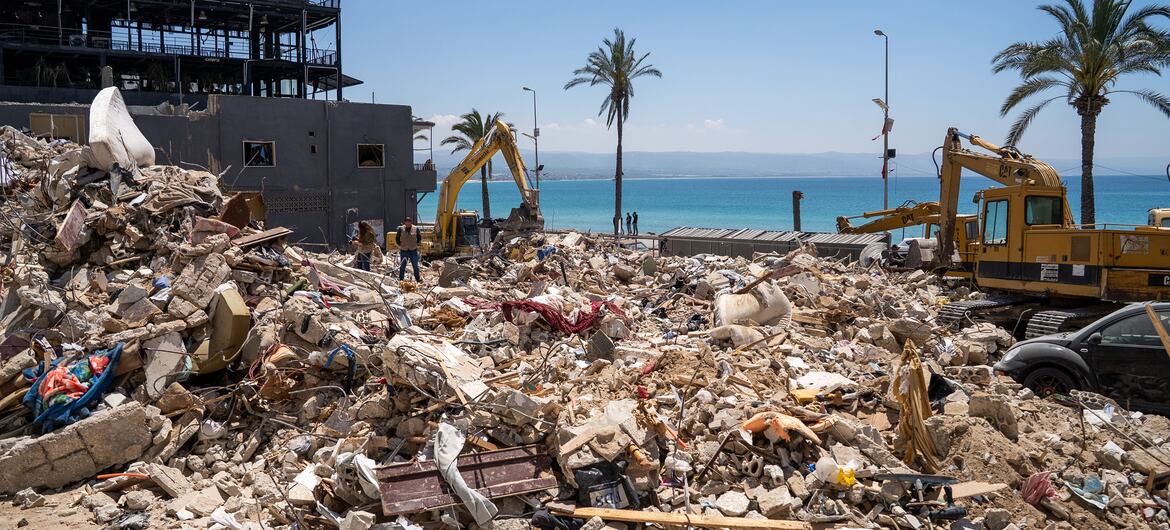
Imran Riza, the UN’s humanitarian coordinator in Lebanon, speaking from Beirut as violence reportedly continued despite a ceasefire announced on Wednesday, described the scale of destruction in stark terms. Hospitals and clinics have been hit by airstrikes. Government buildings have been destroyed. Agricultural land has been scorched, water stations demolished and schools converted into displacement sites. Since the latest escalation, more than 3,500 people have been killed and more than 10,000 injured. Nearly one million people remain displaced.
The psychological toll compounds the physical one. Families face repeated displacement, inadequate shelter, and deep uncertainty about whether they will be able to return home at all. Riza noted that in 2024, after the previous round of hostilities, around 68,000 people could not return to their villages because they had been destroyed. His estimate now is that the figure this time will be at least 200,000 and probably higher.
As in all conflicts, mass displacement has increased risks for women and girls. Andrew Saberton, deputy executive director of UNFPA, noted that overcrowded shelters lack privacy, adequate sanitation, and basic protection measures. More than 600,000 women and girls are estimated to be at risk of gender-based violence. Approximately 1,800 women are expected to give birth every month across Lebanon, yet healthcare facilities continue to come under attack and access to maternal health services is diminishing. One UNFPA-supported healthcare centre and women’s safe space in southern Lebanon, which Saberton had visited while it was being rebuilt in 2025, was again severely damaged by airstrikes.
An estimated 28,000 people remain beyond Israel’s self-declared military line in southern Lebanon. The humanitarian system, already under strain, faces the prospect of conditions worsening before they improve. Affected people, as the UN’s coordination office OCHA noted, are rapidly exhausting their capacity to cope. Essential services are under increasing strain. The funding gap is urgent. Time, Riza made clear, is not on the side of those waiting for help.
Sources: Imran Riza, UN Humanitarian Coordinator in Lebanon; Andrew Saberton, UNFPA; OCHA; UN News, June 5th, 2026
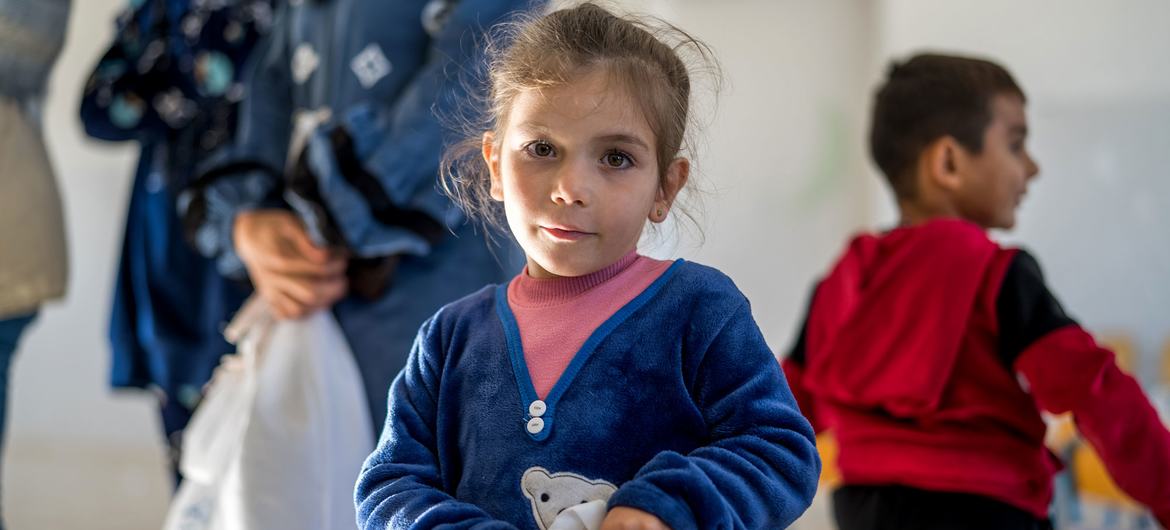
Lebanon: Twelve Children Killed or Maimed Every Day
More than 770,000 children are experiencing heightened distress from repeated exposure to violence, loss and displacement. Beyond those killed and maimed, Corsi warned, an entire generation has...
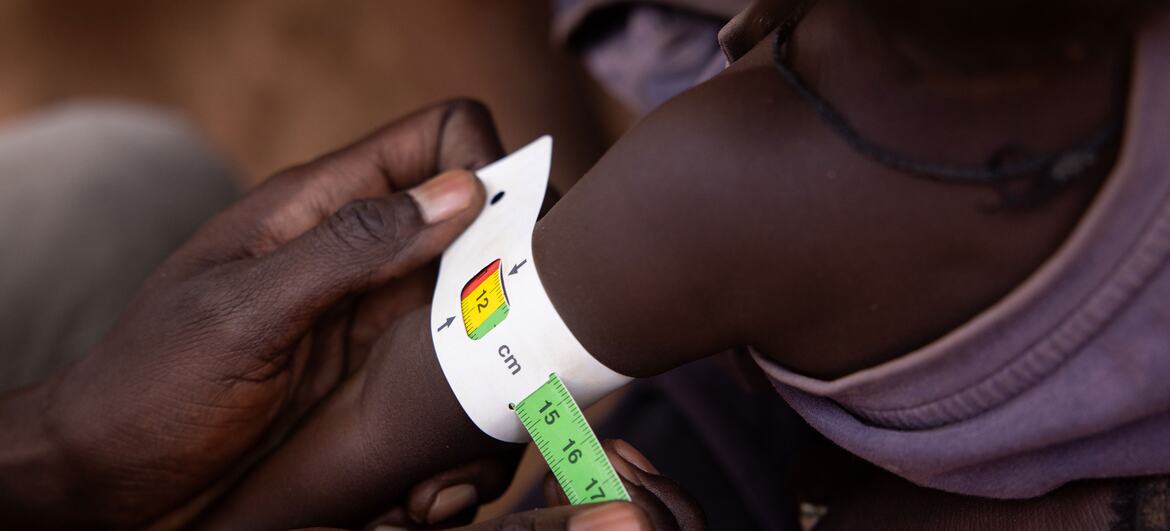
Hunger Hotspots: Famine Risk Deepens Across Thirteen Countries
The warning arrives as humanitarian funding continues to contract sharply. Support for food assistance, emergency farming programmes and nutrition responses in crisis settings fell by an...
- Most Viewed
- Most Popular


Our Network
Our Channels

© 2026 Al Jazeera Media Network. All rights reserved.