

Hunger Hotspots: Famine Risk Deepens Across Thirteen Countries
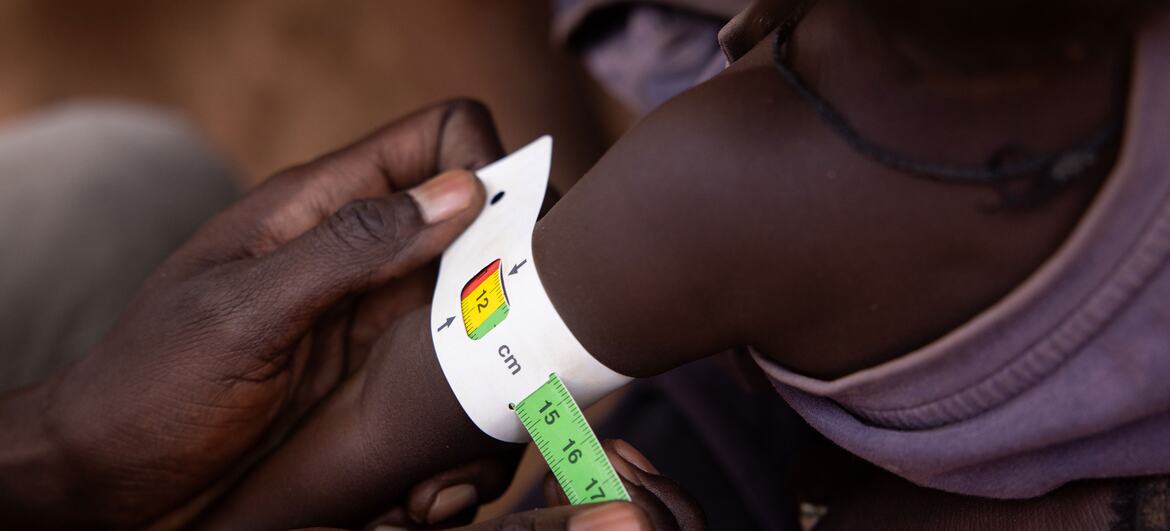
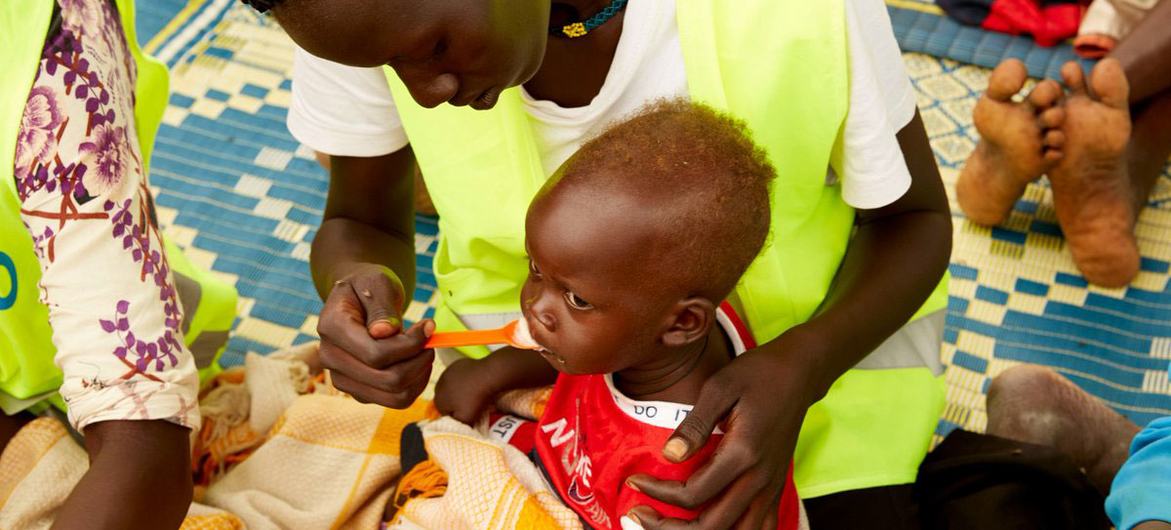
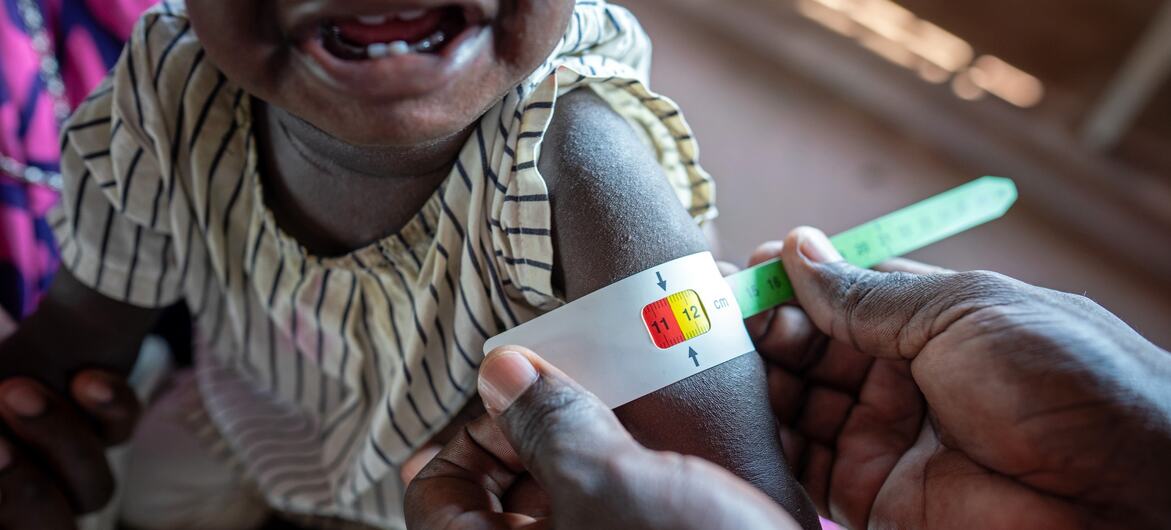
© WFP/Samantha Reinders A child in Aweil, South Sudan is checked for malnutrition
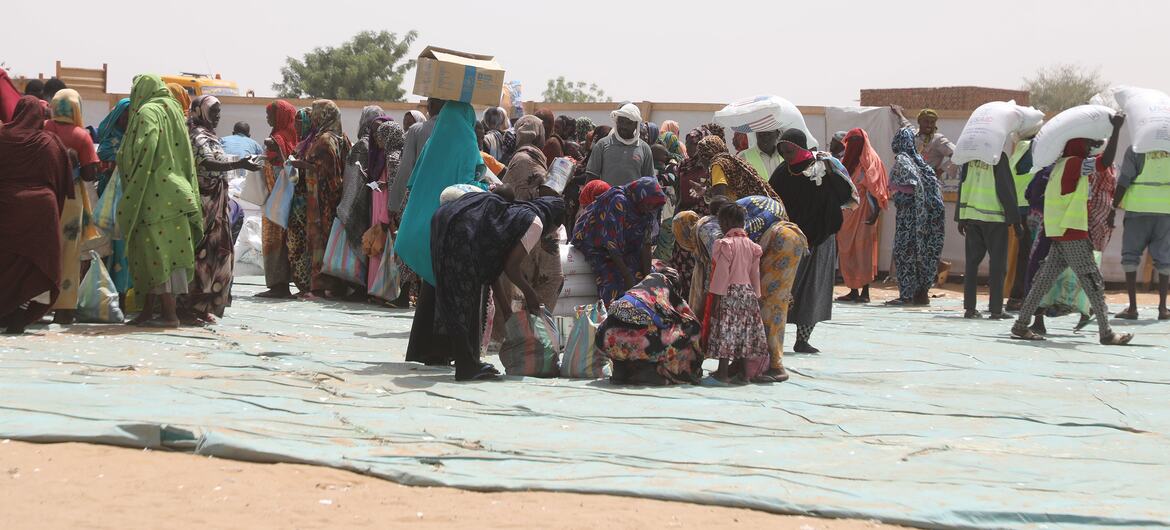
Millions of people in some of the world’s most fragile regions face worsening hunger in the months ahead, as conflict, economic deterioration and collapsing aid budgets compound long-running crises. A new Hunger Hotspots report released jointly by the UN Food and Agriculture Organization and the World Food Programme identifies 13 countries and territories where food insecurity is expected to worsen between June and November 2026.
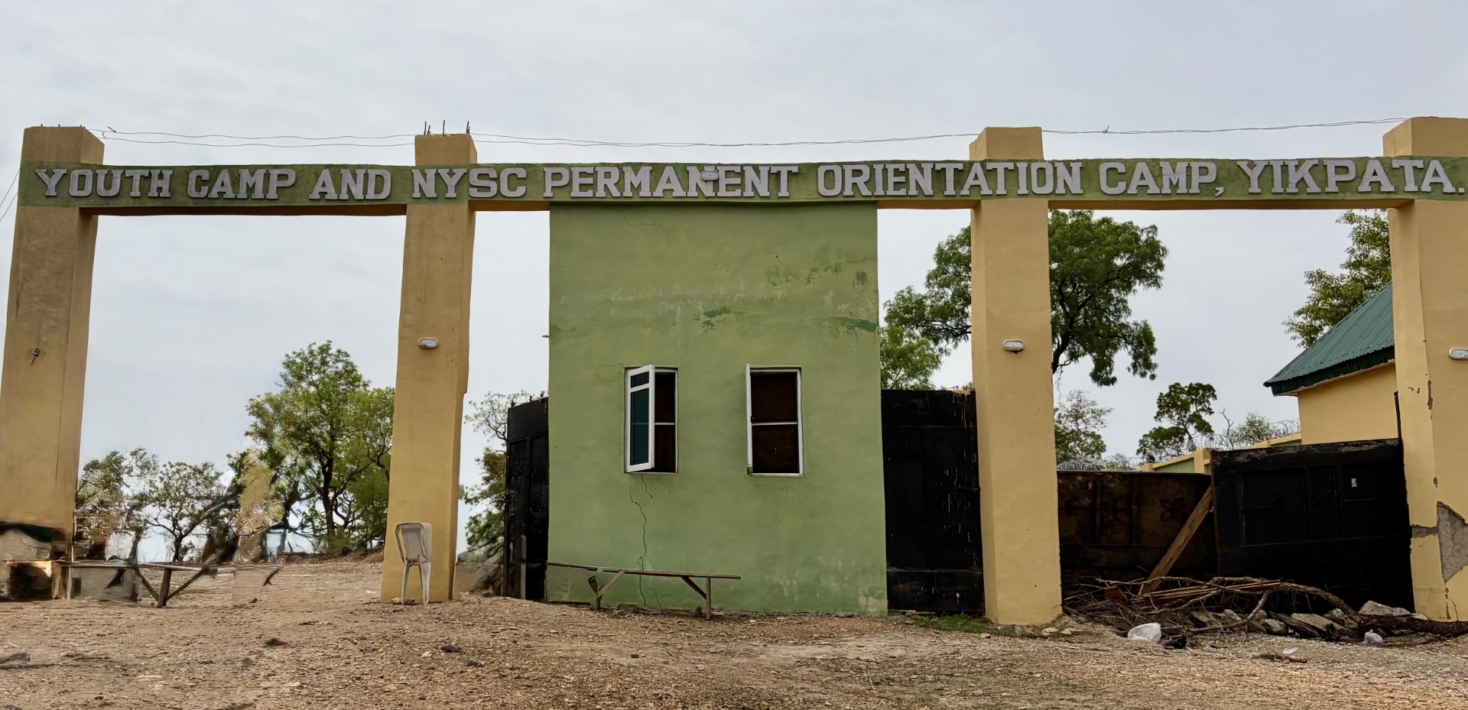
Sudan, South Sudan, Yemen and Palestine remain the most critical cases. Nigeria and Somalia have been elevated to the highest-risk category amid mounting fears of famine. Conflict is the primary driver in 12 of the 13 hotspots.
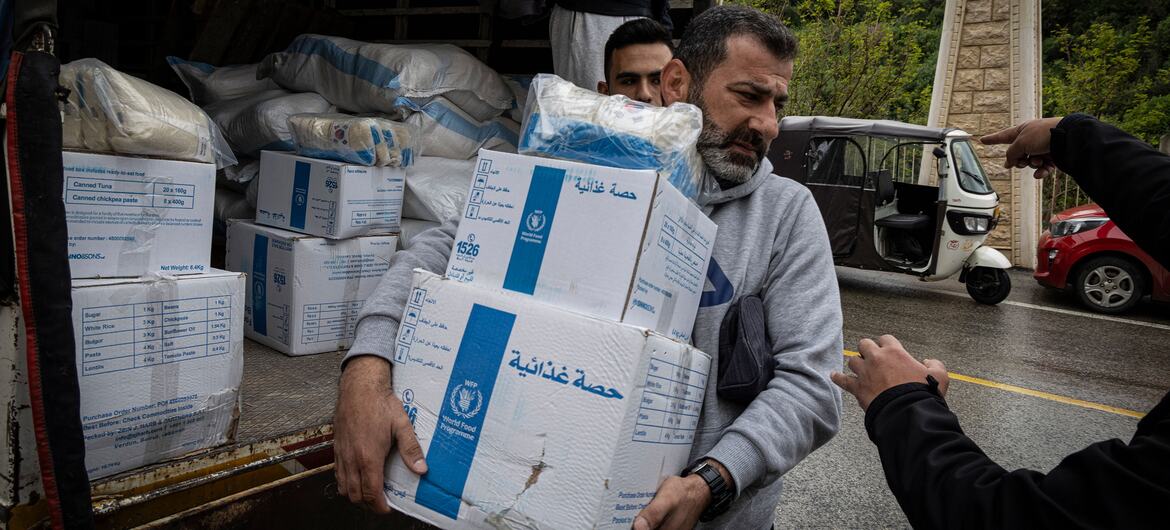
The warning arrives as humanitarian funding continues to contract sharply. Support for food assistance, emergency farming programmes and nutrition responses in crisis settings fell by an estimated 59% between 2022 and 2025, returning to levels not seen in nearly a decade. Around 266 million people across these countries are currently facing severe food insecurity.
Sudan remains the world’s worst hunger crisis. Famine risks persist across parts of Darfur and South Kordofan and are expected to continue into early 2027, with nearly 20 million people having faced crisis-level hunger or worse earlier this year. In Yemen, more than 18 million people could face severe food shortages. In Gaza, conditions remain fragile despite some improvement following the October 2025 ceasefire, with over 1.6 million people previously assessed as requiring urgent food support. Nigeria has entered the highest-risk category after forecasts indicated parts of Borno State could face catastrophic hunger. Somalia was also upgraded, owing to drought, conflict and poor harvests.
New shocks risk aggravating the picture further. Economic instability, the ongoing conflict in the Middle East, the latest Ebola outbreak in eastern Democratic Republic of the Congo, and the prospect of an El Niño event bringing drought and flooding to already vulnerable regions all pose additional threats to food security and humanitarian access.
FAO and WFP urged governments and donors to increase support immediately. As of June 2026, only around a third of the prioritised requirements for food security funding globally had been met. Acting early, both agencies stressed, saves both lives and resources. Without stronger political commitment and more reliable financing, hunger is likely to deepen across the world’s most vulnerable communities.
Source: FAO/WFP Hunger Hotspots Report; UN News, 17 June 2026
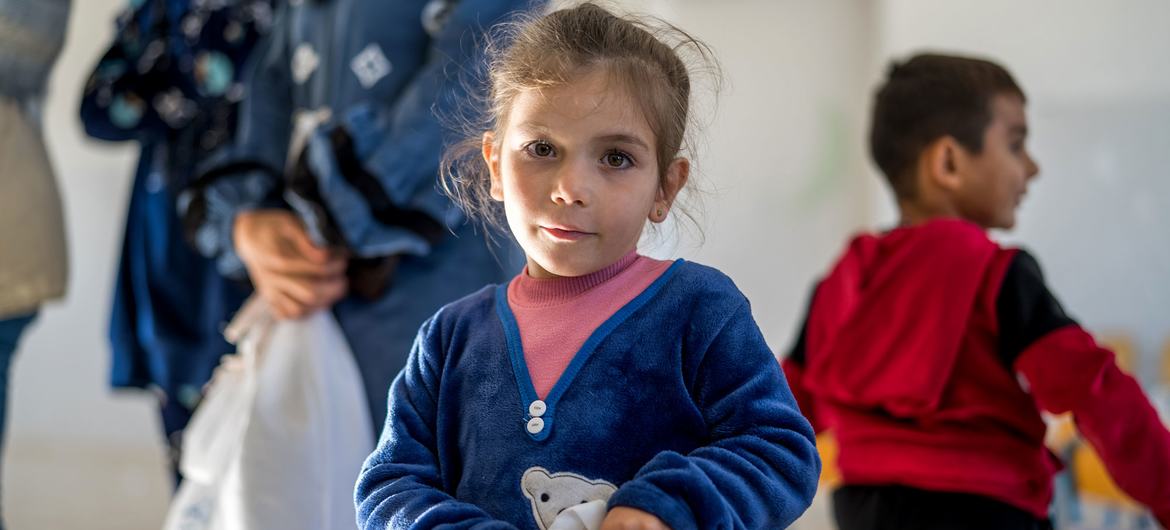
Lebanon: Twelve Children Killed or Maimed Every Day
More than 770,000 children are experiencing heightened distress from repeated exposure to violence, loss and displacement. Beyond those killed and maimed, Corsi warned, an entire generation has...
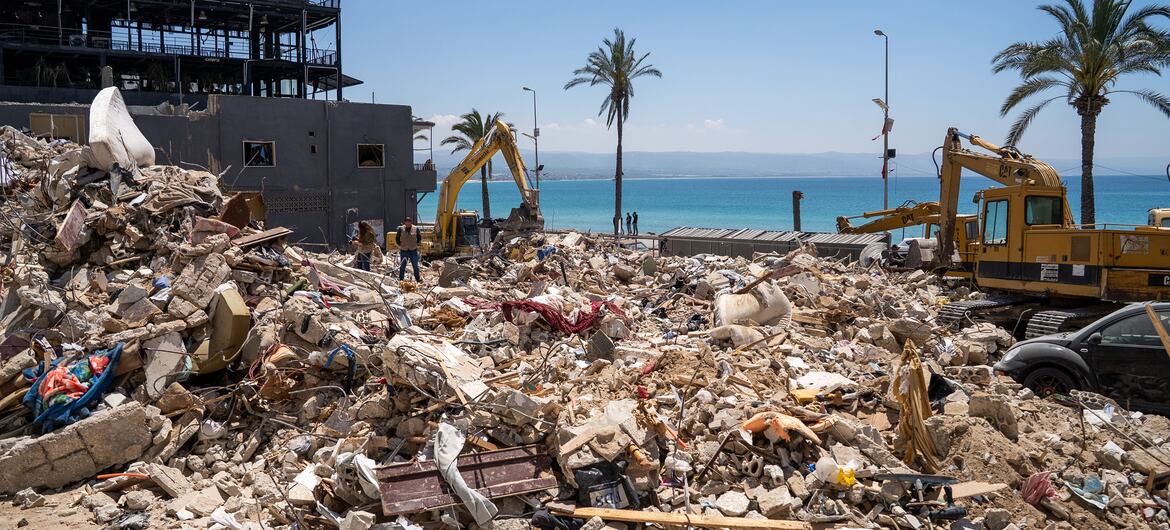
Lebanon’s Displaced Wait for Safety; Gaza Families Flee Again; Somalia Receives Emergency Funds
The UN Interim Force in Lebanon observed a reduction in exchanges of fire in the south, where Israeli forces and Hezbollah fighters have been engaged since the conflict began. Collective...
- Most Viewed
- Most Popular





Our Network
Our Channels

© 2026 Al Jazeera Media Network. All rights reserved.