


A Diplomatic Thaw with Human Consequences
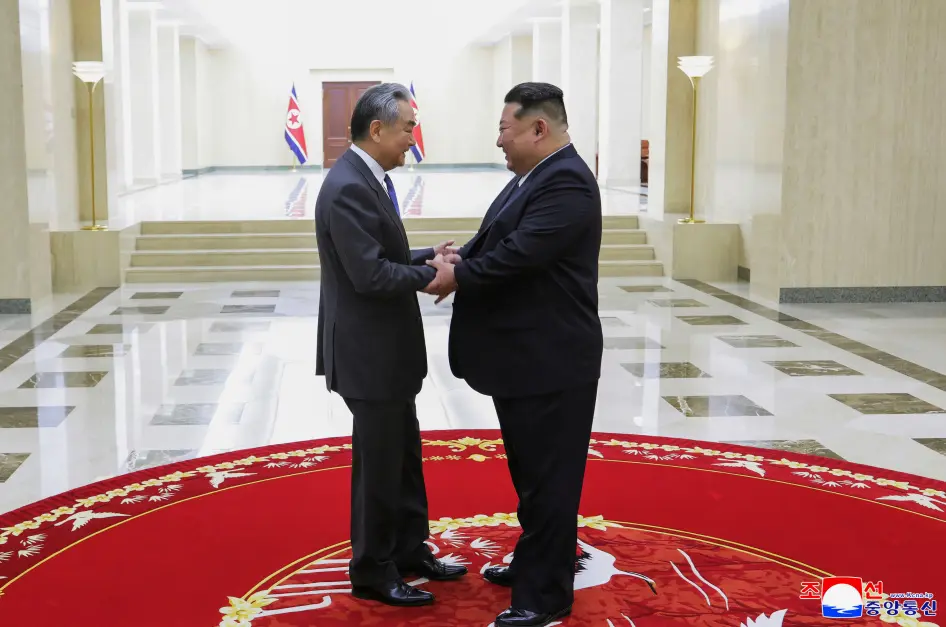
North Korean leader Kim Jong Un (right) greets Chinese Foreign Minister Wang Yi in Pyongyang, North Korea, on February 10, 2026. © 2026 Korea Central News Agency/Korea News Service via AP Photo
Warming ties between Beijing and Pyongyang leave fewer escape routes for North Koreans. In February 2026, Chinese foreign minister Wang Yi travelled to Pyongyang for the first time since 2019, meeting Kim Jong Un and pledging deeper cooperation. Transport links between the two countries have resumed; high-level visits are accelerating. The bilateral relationship, in the language of diplomacy, is being actively rebuilt.
Behind that visible cordiality, a harsher reality persists along the border. North Korea bars citizens from leaving without permission, with imprisonment, torture, forced labour, enforced disappearance and death among the penalties for defection. Beijing has long cooperated in sealing escape routes and forcibly returning those who flee, reinforcing Pyongyang’s domestic control. Every forced return signals to those inside North Korea that there is no safe way out.
The human stakes are illustrated by individual cases. Kim Geum Sung, a young North Korean now living in South Korea, reported in March that his mother had been detained by Chinese authorities more than a year earlier. She had sold herself into a forced marriage in China to fund his escape. South Korean legislators and the Ministry of Foreign Affairs have since sent formal requests to Beijing seeking information on her status. None have received a response.
Ahead of an expected United States-China summit in May, Human Rights Watch is calling on governments engaging with Beijing to press Chinese authorities on their obligations under international law, which prohibits returning individuals to countries where they face persecution or harm.
Source: Human Rights Watch, April 2026; Korea Central News Agency

Japan Should Not Ignore India’s Authoritarian Turn
Japan should not repeat the mistakes of its China policy. After the Tiananmen massacre of 1989, Japan led the way in re engaging a shunned Chinese government. The West, too, bet on engagement...

From AI To ‘Killer Robots’: UN Chief Issues Urgent Governance Call
Guterres proposed an AI Child Safety Pledge under which developers would have to prove their systems are safe for children, subject to independent oversight; commit to zero tolerance for the...









Our Network
Our Channels

© 2026 Al Jazeera Media Network. All rights reserved.